
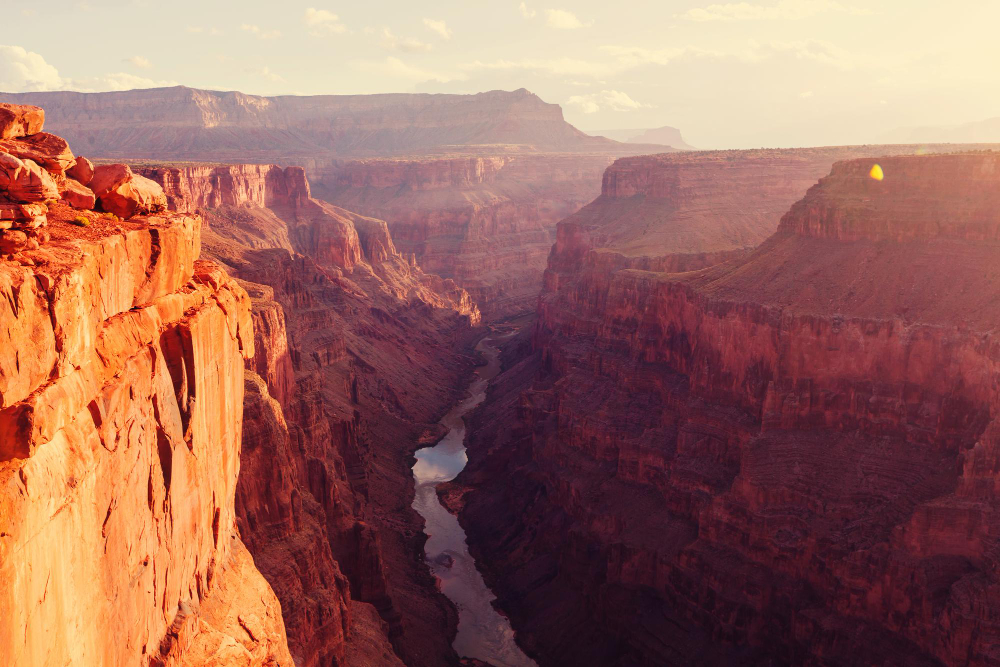
The United States offers an unparalleled tapestry of natural wonders, inviting you to explore its vast landscapes on foot. From towering peaks to ancient deserts, the opportunities for tranquil escapes and inner peace are boundless. We invite you to discover some of the most beautiful hikes across the nation.
Our journey through these remarkable hiking trails will inspire your next outdoor adventure. Each path promises unique geological formations, breathtaking scenic overlooks, and a chance to reconnect with nature.
Most Beautiful and Iconic Hiking Destinations in the USA
The United States is home to some of the world’s most iconic hiking destinations, offering experiences that range from challenging thru-hikes to serene nature walks. Among these, the Grand Canyon stands out with its profound geological and aesthetic experiences, particularly the rim-to-rim hike. This challenging trek spans 20 to 30 miles, depending on the route, and offers hikers unparalleled views into one of Earth’s most magnificent canyons.
Another must-visit destination is Black Elk Peak in South Dakota. As the highest point in the state, it provides spectacular views into five surrounding states. Located within Custer State Park and the Black Hills, the summit hike to Black Elk Peak is a truly rewarding experience, offering panoramic vistas that capture the essence of the South Dakota hiking landscape.
Geological and Scenic Wonders of Key Trails
Many of the United States hikes are celebrated not just for their physical challenge but for their extraordinary geological and scenic wonders. The Wave, located in Coyote Buttes North, Arizona, is a prime example. This surreal formation of swirling, computer-generated-looking sandstone is a testament to millennia of wind and water erosion, creating a truly unique hiking destination.
Beyond The Wave, Coyote Buttes North also showcases other incredible features, including wind-eroded buttes and ancient dinosaur tracks. These unique geological features attract hikers from around the globe, making it one of the most sought-after hiking trails for those seeking extraordinary natural beauty. The granite spires around Sylvan Lake and Cathedral Spires in Custer State Park also offer stunning examples of natural artistry.
Hiking Experience and Trail Characteristics
The hiking experience across the United States varies widely, catering to all levels of adventurers. Trails range in length from short, accessible nature walks to extensive thru-hiking expeditions covering hundreds of miles. For example, the famous Pacific Crest Trail and Appalachian Trail offer diverse terrain and elevation profiles, including steep climbs, challenging ridges, and gradual descents.
Consider the Franconia Ridge Loop in New Hampshire, a classic 9-mile hike that combines strenuous climbs with breathtaking views across alpine tundra. Similarly, the summit hikes to destinations like Max Patch in Appalachia offer moderate climbs with expansive scenic overlooks. Understanding the elevation profiles and typical trail characteristics is key to planning your perfect outdoor adventure.
Accessibility and Permitting Procedures
Accessibility and permitting procedures are crucial considerations for many popular hiking destinations in the United States. For highly sought-after locations like The Wave in Coyote Buttes North, permits are essential due to conservation efforts and to preserve the delicate environment. Only 48 permits are issued daily via a lottery system, highlighting the importance of planning ahead for this unique experience.
Other trails, like portions of the Florida Trail, are more readily accessible but may still require planning for logistics such as water crossings and potential wildlife encounters. The National Park Service and Bureau of Land Management often oversee these permits, ensuring sustainable access to these beautiful hikes. Always check specific requirements for your chosen trailheads and National Parks before you go.
Most Beautiful and Iconic Hiking Destinations in the USA
The United States is home to some of the planet’s most iconic and beautiful hikes. These hiking trails offer not just physical challenges, but profound experiences that linger long after your boots are cleaned.
Most Beautiful and Iconic Hiking Destinations in the USA: Grand Canyon and Black Elk Peak
For those seeking tranquil escapes and inner peace, consider the legendary rim-to-rim hike across the Grand Canyon in Arizona. This epic journey spans 20 to 30 miles, depending on your chosen path, offering an immersive experience into one of the world’s most impressive geologic formations. The scale and grandeur of the Grand Canyon are simply unmatched, making it one of the most beautiful hikes in the United States.
Another gem is Black Elk Peak, the highest point in South Dakota. This summit hike provides spectacular views, allowing you to gaze into five different states on a clear day. Located within the scenic Black Hills and Custer State Park, it is a truly rewarding ascent for those exploring South Dakota hiking. Sylvan Lake and Cathedral Spires are also highlights within this area.
For a classic Colorado challenge, Longs Peak in Rocky Mountain National Park offers a grueling but iconic Keyhole Route. Reaching the 14,259-foot summit requires navigating narrow ledges and steep rock scrambles, rewarding expert hikers with a true sense of accomplishment.
“To walk in nature is to witness a thousand miracles.” (Barry Lopez). These hiking trails embody that sentiment, offering moments of profound connection and awe.
Geological and Scenic Wonders of Key Trails
The United States boasts an incredible array of geological formations, creating stunning hiking destinations. Many of these hiking trails are celebrated for their unique natural artistry, offering beautiful hikes that captivate the soul.
Coyote Buttes North in Arizona is a prime example, home to the world-famous formation known as The Wave. Its surreal, swirling sandstone patterns appear almost computer-generated, a testament to millennia of wind and water erosion. This area also reveals ancient dinosaur tracks, adding a layer of prehistoric wonder to your journey through these unique geologic formations.
In South Dakota, within Custer State Park, you will find the majestic Cathedral Spires. These towering granite spires create a dramatic backdrop for hikes around Sylvan Lake. The contrast of the calm lake waters against the rugged granite formations and scenic overlooks is truly captivating, offering some of the best day hikes in the Black Hills region.
The United States National Park Service and Bureau of Land Management meticulously preserve these natural treasures. This ensures that generations to come can experience their unique beauty, from the hiking destinations of the Grand Canyon to the summit hikes of Black Elk Peak.
Hiking Experience and Trail Characteristics
The United States offers an incredible range of hiking trails, varying significantly in length, elevation, and terrain. This diversity caters to all levels of experience, from casual nature walks to demanding thru-hiking adventures. Understanding these characteristics is essential for planning your perfect outdoor escape and ensuring a tranquil experience.
Hiking trails can span from just a few miles, perfect for a short outing, to extensive thru-hiking routes. Consider the renowned Pacific Crest Trail, stretching over 2,650 miles from Mexico to Canada, or the iconic Appalachian Trail, running nearly 2,200 miles through the eastern United States. For a more focused challenge, the Franconia Ridge Loop in New Hampshire is a spectacular 9-mile hike known for its steep climbs, exposed ridges, and expansive views of alpine tundra, making it one of the best day hikes in the region.
Elevation profiles are crucial considerations when planning United States hikes. Some trails, like those leading to Black Elk Peak in South Dakota, involve significant ascents, culminating in rewarding summit hikes with panoramic views of the Black Hills and Custer State Park. Others may traverse gentle desert washes, offering a different kind of beauty and accessibility. Always research the specific trailheads and current conditions before you embark on any adventure, especially in National Parks.
Preparation is key for a safe and enjoyable experience on any of the beautiful hikes across the country. Factor in the season, your current fitness level, and the unique challenges each hiking trail presents. Whether you’re planning a short nature walk around Sylvan Lake or a multi-day backpacking trip through Cathedral Spires, understanding these elements ensures you’re ready for the journey ahead.
For those seeking the ultimate high-altitude challenge, Mt. Whitney in California stands as the tallest peak in the lower 48. Reaching the 14,505-foot summit requires physical grit and a competitive wilderness permit, but the sunrise views over the Sierra Nevada are truly life-changing.
Accessibility and Permitting Procedures
While many beautiful hikes are readily accessible, some of the most sought-after hiking destinations, especially within National Parks, require careful planning. This is particularly true for wilderness permits, which protect fragile ecosystems and ensure a quality experience for all.
For instance, The Wave at Coyote Buttes North in Arizona is a prime example of a hike where accessibility is highly regulated. Only 48 permits are issued daily through a competitive lottery system by the Bureau of Land Management. This strict regulation highlights the importance of securing wilderness permits well in advance for such unique geologic formations.
The Florida Trail, a National Scenic Trail, offers a different kind of accessibility. While generally open for thru-hiking, sections can present unique challenges such as water crossings and encounters with diverse wildlife. Always check local conditions and regulations, especially those provided by the National Park Service or relevant land management agencies, before heading out.
Planning is paramount for any United States hiking adventure. Always confirm permit requirements, trailhead access, and any specific rules for the area you wish to explore. This ensures a tranquil escape and helps preserve these incredible natural habitats for future generations of hikers.
A Glimpse at 10 Remarkable Hiking Destinations Across the United States
Here is a quick overview of some exceptional hiking destinations across the United States. Each offers a distinct experience, from challenging thru-hiking sections to serene nature walks, ensuring tranquil escapes and inner peace.
Most Beautiful and Iconic Hiking Destinations in the USA
The United States boasts an unparalleled collection of beautiful hikes, from the vastness of the Grand Canyon to the towering presence of Black Elk Peak. These iconic hiking trails offer profound geological and aesthetic experiences that draw adventurers from around the globe.
Consider the Grand Canyon’s famous rim-to-rim challenge, a strenuous 20 to 30-mile journey that delves deep into one of the world’s most impressive geologic formations. This backpacking experience offers views that truly capture the immense scale of the Lower 48 trails. Similarly, Black Elk Peak in South Dakota, the highest point in the state, provides spectacular panoramic views into five states, a summit hike that rewards with breathtaking scenic overlooks of the Black Hills.
Geological and Scenic Wonders of Key Trails
Beyond their iconic status, many United States hikes are celebrated for their unique geological and scenic wonders. Take, for instance, Coyote Buttes North, home to “The Wave” in Arizona. This surreal landscape features wind-eroded sandstone formations that appear almost otherworldly, a testament to millions of years of natural artistry. John Neihardt, Barry Lopez, and Tina Haver Currin have all, in their own ways, been inspired by the raw beauty of such places.
In Utah, Zion National Park’s The Narrows offers a distinctive river hiking experience through a dramatic slot canyon, where the forces of sandstone erosion have carved an unforgettable path. Meanwhile, in South Dakota, Custer State Park, particularly around Sylvan Lake and its Cathedral Spires, showcases magnificent granite spires and scenic lake trails that provide a contrasting, yet equally stunning, natural beauty.
Hiking Experience and Trail Characteristics
The hiking experience across these diverse hiking destinations varies greatly, reflecting a wide range of trail characteristics and elevation profiles. From short nature walks to extensive backpacking adventures, there’s a trail for every level of outdoor enthusiast.
The Franconia Ridge Loop in New Hampshire, for example, is a challenging 9-mile circuit featuring steep climbs, exposed ridges, and breathtaking alpine tundra views. In contrast, Max Patch in Appalachia, North Carolina, offers a more accessible yet equally rewarding experience with its grassy bald and panoramic Appalachian views, making it one of the best day hikes for those seeking moderate exertion.
The Florida Trail, a section of the National Scenic Trails system, presents a unique challenge with its diverse ecosystems, abundant wildlife, and occasional water crossings, requiring different preparedness than mountain summit hikes. Mount Rainier National Park in Washington offers everything from wildflower meadows to glacial peaks, with diverse trails ranging from easy to strenuous, showcasing the incredible variety of the United States hikes.
In California, Yosemite National Park offers legendary routes like the Mist Trail and Half Dome. These paths provide a masterclass in granite geology, featuring thunderous waterfalls and some of the most iconic Sierra Nevada vistas.
In Wyoming, the Teton Crest Trail offers a premier high-alpine experience. This 40-mile route traverses Grand Teton National Park, showcasing jagged peaks, wildflower meadows, and pristine glacial lakes.
For a rugged coastal escape, the Lost Coast Trail in California offers a rare chance to hike a wilderness coastline untouched by roads. This 25-mile trek requires careful timing with the tides, providing a raw and reassuringly secluded connection to the Pacific.
Those venturing near the northern border, Panorama Ridge offers a breathtaking perspective of turquoise glacial lakes and volcanic peaks. It remains a bucket-list destination for hikers seeking high-alpine serenity and world-class photography spots.
Accessibility and Permitting Procedures
While many beautiful hikes are readily accessible, some of the most sought-after hiking destinations, especially within National Parks and Bureau of Land Management areas, require careful planning. Wilderness permits are often essential to protect fragile ecosystems and ensure a quality experience for all.
For example, access to Coyote Buttes North (The Wave) is strictly controlled, with only 48 permits issued daily via a lottery system, highlighting the importance of securing permits well in advance. Similarly, specific sections of the Pacific Crest Trail or other National Scenic Trails may require permits for overnight backpacking logistics.
The National Park Service and Bureau of Land Management play crucial roles in managing these precious resources, ensuring that these remarkable hiking trails can be enjoyed responsibly by current and future generations.
| Destination | State | Key Features | Typical Difficulty |
|---|---|---|---|
| Grand Canyon | Arizona | Profound geological experience, rim-to-rim challenge | Strenuous (rim-to-rim) |
| Black Elk Peak | South Dakota | Highest point in South Dakota, 5-state views | Moderate to Strenuous |
| Coyote Buttes North (The Wave) | Arizona | Surreal sandstone formations, unique geology | Moderate (permit required) |
| Pacific Crest Trail (sections) | Various Western States | Diverse landscapes, long-distance thru-hiking | Varies, often Strenuous |
| Max Patch | North Carolina (Appalachia) | Grassy bald, panoramic Appalachian views | Easy to Moderate |
| Custer State Park (Sylvan Lake) | South Dakota | Granite spires, scenic lake trails | Easy to Moderate |
| Florida Trail (sections) | Florida | Diverse ecosystems, wildlife, water crossings | Moderate |
| Franconia Ridge Loop | New Hampshire | Alpine tundra, steep climbs, exposed ridge | Strenuous |
| Zion National Park (The Narrows) | Utah | River hiking, slot canyon experience | Moderate to Strenuous |
| Mount Rainier National Park | Washington | Glacial peaks, wildflower meadows, diverse trails | Varies, often Strenuous |
Cultural and Indigenous Significance
Many beautiful hikes across the United States hold deep cultural and Indigenous significance. Understanding this rich history enriches your connection to the land and enhances your experience on these remarkable hiking trails.
Areas like the Black Hills of South Dakota, including the majestic Black Elk Peak, are sacred to the Lakota people. The profound narratives of figures like Black Elk, as recorded by John Neihardt, speak to the spiritual importance of these stunning landscapes. Visiting these sites, often explored from Custer State Park or near Sylvan Lake, offers a unique chance for reflection and respect for Indigenous history, especially when hiking to granite spires or scenic overlooks.
The vastness of the United States and its natural beauty have inspired countless stories and traditions. From the ancient trails of the Southwest, like those near the Grand Canyon, to the ancestral lands of Appalachia, each step on these hiking destinations can be a lesson in history and reverence. Consider the significance of places like Max Patch as you explore.
When you explore these lands, remember their profound human story. Nature conservation often goes hand-in-hand with preserving cultural heritage. The National Park Service and Bureau of Land Management often work to protect both the natural wonders and the historical context of these United States hikes.
Best Trailheads and Starting Points
Choosing the right trailhead is the first step toward a successful hiking trip. Thoughtful planning ensures easy access and a clear understanding of your route, setting the stage for tranquil escapes and inner peace.
For popular National Parks like the Grand Canyon, well-marked trailheads provide access to iconic routes. For instance, the South Kaibab Trailhead offers a direct route into the canyon for those undertaking the challenging rim-to-rim journey, one of the most beautiful hikes in the United States.
In Custer State Park, trailheads near Sylvan Lake or the Needles Highway provide access to trails leading towards Black Elk Peak and the Cathedral Spires. These scenic overlooks offer breathtaking views of the Black Hills and its unique granite spires. Always check for current conditions and parking availability, especially during peak season, to ensure a smooth start to your South Dakota hiking adventure.
Many trailheads, particularly within National Parks and National Scenic Trails, offer essential facilities such as restrooms, water, and interpretive signs. Utilize these resources to prepare for your journey, whether you’re planning best day hikes or a more ambitious thru-hiking experience.
Trail Difficulty and Safety Considerations
Assessing trail difficulty and prioritizing safety are paramount for any hiking adventure. The varied terrain of the United States demands careful preparation for even the most beautiful hikes.
Trails range from easy nature walks suitable for families to strenuous backpacking expeditions. Factors like elevation profiles, trail length, and weather conditions all contribute to a trail’s overall difficulty. For example, a summit hike like Black Elk Peak in South Dakota’s Custer State Park requires good physical conditioning and awareness of changing weather in the Black Hills. These areas offer some of the best day hikes in the Lower 48 trails.
Always carry essential gear, including adequate water, navigation tools, and first-aid supplies. Inform someone of your hiking plans and expected return time. The vastness of hiking destinations across the United States means self-reliance is often key, especially when exploring National Parks or National Scenic Trails.
Respect wildlife, stay on marked trails, and practice Leave No Trace principles to protect these pristine environments for future generations. This ensures that the natural beauty of places like Sylvan Lake and Cathedral Spires, with their stunning granite spires and scenic overlooks, remains for all to enjoy.
Wildlife and Natural Habitats on United States Hikes
The United States is a biodiversity hotspot, offering hikers opportunities to observe a remarkable array of wildlife in their natural habitats. Each hiking destination provides a unique ecological experience, enhancing the beauty of these hiking trails.
In the desert landscapes of Arizona, around areas like Coyote Buttes North and The Wave, you might encounter desert bighorn sheep, various reptiles, and unique bird species. The delicate balance of these ecosystems is a wonder to behold, making for truly beautiful hikes.
The forests of Appalachia, including regions around Max Patch, are home to black bears, deer, and countless bird species. You’ll find these nature walks truly immersive. In South Dakota’s Black Hills, particularly within Custer State Park, you may spot bison, elk, and wild burros, often near trailheads like those leading to Sylvan Lake or Cathedral Spires.
Observe wildlife from a respectful distance. Do not feed animals, as this can alter their natural behaviors and create safety issues for both humans and animals. Enjoy the natural beauty responsibly on your United States hikes, whether you’re on best day hikes or longer backpacking expeditions.
Frequently Asked Questions About United States Hikes
Embarking on a hiking adventure across the United States offers unparalleled opportunities for tranquil escapes and inner peace. To help you plan your journey, here are answers to some frequently asked questions about these beautiful hikes and hiking trails.
What are the most challenging thru-hiking trails in the United States?
For those seeking the ultimate test of endurance, the Pacific Crest Trail stands out. Spanning over 2,650 miles from Mexico to Canada, it traverses diverse landscapes, including deserts, high mountain passes, and dense forests. Similarly, the Appalachian Trail, covering roughly 2,200 miles from Georgia to Maine through the ancient Appalachia mountain range, demands immense physical and mental fortitude. Both National Scenic Trails feature significant elevation changes, remote wilderness sections, and offer profound experiences for dedicated thru-hikers.
Are permits always required for hiking in National Parks?
Permit requirements for United States hikes vary significantly by National Park and specific trail. While many day hikes do not require permits, popular or sensitive areas, especially those involving overnight stays or limited access, often do. For instance, securing a wilderness permit for iconic destinations like The Wave at Coyote Buttes North in Arizona, or certain backcountry areas within the Grand Canyon, is essential.
Only 48 permits are issued daily for The Wave via a lottery system, highlighting the importance of planning ahead. Always check the official National Park Service website for the specific park you plan to visit, as well as the Bureau of Land Management for areas like Coyote Buttes North, to understand the current regulations and backpacking logistics.
What is the best time of year to hike Black Elk Peak in South Dakota?
The best time to hike Black Elk Peak, the highest point in South Dakota, is typically from late spring (May) through early autumn (October). During these months, the weather is generally milder, and the summit hikes are clear of snow and ice. Summer offers warmer temperatures and lush scenery around Custer State Park and the Black Hills, while fall brings vibrant foliage.
This hike offers spectacular views into five states from its granite spires. Always be prepared for changing weather conditions, especially at higher elevations, and consult local resources like Custer State Park for current trail conditions.
What are some good hiking destinations for beginners in the United States?
For beginners looking to experience beautiful hikes, many National Parks and State Parks offer well-maintained, shorter trails with minimal elevation gain. Look for trails designated as “nature walks” or “easy” at trailheads. Destinations like sections of the Florida Trail, trails around Sylvan Lake in Custer State Park with views of Cathedral Spires, or certain paths in the Great Smoky Mountains National Park can be excellent starting points.
These hiking destinations provide accessible outdoor adventure travel without requiring extensive backpacking experience. Always choose a trail that matches your current fitness level and experience to ensure a safe and tranquil escape.
Leave a Reply