
India, a land of unparalleled beauty, boasts some of the top nature destinations in India that offer stunning places for nature lovers seeking tranquil escapes. From snow-capped mountains like the Himalayas to lush valleys such as those found in Kerala, these destinations provide a perfect opportunity to reconnect with the natural world and find inner peace.
You can discover serene landscapes and vibrant ecosystems. Each location promises a unique experience, blending adventure with profound relaxation. This India travel guide will take you through some of the most breathtaking natural wonders.
For a different kind of spiritual reconnection, many travelers visit Varanasi. While famous for its ancient ghats, the sunrise boat rides on the Ganges offer a profound, quiet beauty that complements India’s wilder nature retreats.
Another layer of spiritual immersion, consider visiting Amritsar. Beyond its vibrant culture, the serene atmosphere of the Golden Temple at dawn offers a quiet, reflective space that aligns perfectly with the restorative power of India’s natural landscapes.
While exploring India’s natural wonders, many travelers also find deep peace at the Taj Mahal. This iconic ivory-white marble mausoleum in Agra reflects a different kind of beauty, especially when viewed at sunrise against the backdrop of the Yamuna River.
Yumthang Valley, Sikkim: The Valley of Flowers
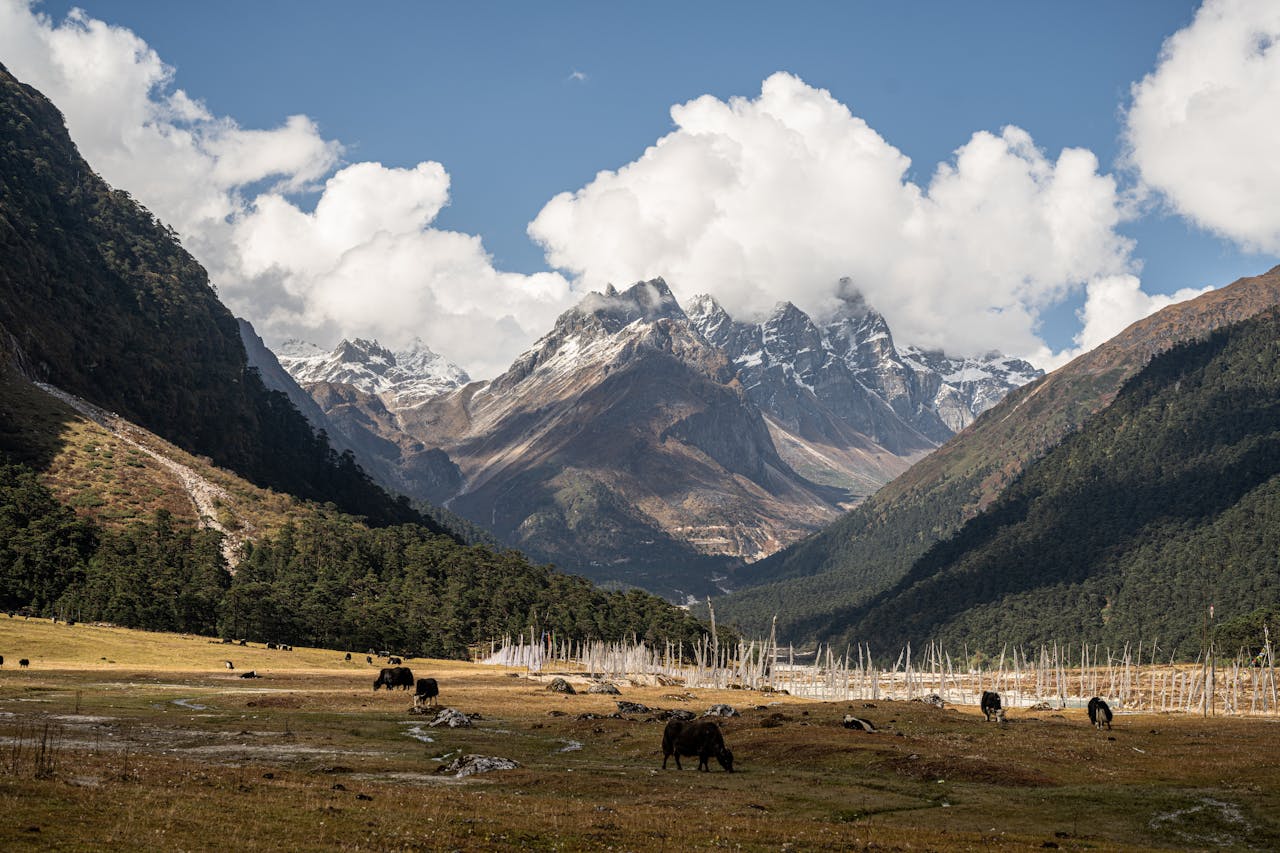
Nestled in the breathtaking state of Sikkim, Yumthang Valley is truly a sight for sore eyes, offering one of the most stunning places in India for nature lovers. It is often referred to as the Sikkim Valley of Flowers due to its vibrant rhododendron blooms, especially during spring.
This stunning place offers a panoramic view of the majestic, snow-capped Kanchenjunga. You can observe yaks grazing peacefully in the lush meadows, adding to the picturesque scenery that defines nature travel India.
The valley is also home to natural hot springs, perfect for unwinding after a day of exploration. In short, Yumthang Valley provides the ideal break you deserve, making it a highlight in any India travel guide focused on tranquility.
Cherrapunji, Meghalaya: Land of Waterfalls
Cherrapunji, also known as Sohra, stands out as one of the most beautiful places in Meghalaya. It is renowned for its abundant rainfall and dramatic landscapes, making it a dream destination for nature lovers.
This stunning region is blessed with gorgeous waterfalls, including the iconic Nohkalikai Falls, one of India’s tallest plunge waterfalls. You will also discover the breathtaking Mawkdok Dympep Valley here, offering unmatched views of table-top mountains and lush gorges.
The verdant scenery and cascading waters make Cherrapunji a photographer’s delight and a true haven for those seeking a tranquil escape in India’s nature. This Meghalaya gem perfectly blends adventure with profound relaxation, embodying the essence of an ideal India travel guide recommendation.
Dudhwa National Park, Uttar Pradesh: Terai Grasslands and Wildlife
Dudhwa National Park, located in Uttar Pradesh near the border with Nepal, is a critical wildlife sanctuary and one of the most stunning places in India for nature lovers. It represents one of the few remaining examples of the diverse and productive Terai ecosystem.
This park is renowned for its vast grasslands, dense sal forest, and swampy areas. It provides a vital habitat for numerous species, including the critically endangered barasingha, or swamp deer. Dudhwa National Park is also a stronghold for tigers, elephants, and rhinos, offering incredible wildlife viewing opportunities.
A visit here allows you to immerse yourself in India’s rich biodiversity, exploring the unique ecosystem of the Terai grassland. This destination is a must-see for anyone seeking to reconnect with nature and experience India’s wild side, making it a key part of any comprehensive India travel guide.
Valley of Flowers National Park, Uttarakhand: A Himalayan Wonderland
The Valley of Flowers National Park in Uttarakhand is a UNESCO World Heritage Site, celebrated for its exquisite meadows. These stunning places in India are full of endemic wildflowers and alpine plants, offering a unique experience for nature lovers.
This breathtaking location in the Western Himalayas transforms into a vibrant paradise during the monsoon season, typically from July to September. It’s a prime destination for trekking and nature photography, allowing you to immerse yourself in its natural beauty.
The park also supports endangered species such as the majestic snow leopard, the agile blue sheep, and the elusive musk deer. Its pristine environment, complete with glistening waterfalls and serene streams, makes a visit to Valley of Flowers National Park an unforgettable experience. This gem of Uttarakhand tourism truly offers a profound connection to nature.
Dzukou Valley, Nagaland and Manipur: Rhododendron Blooms and Trekking
Nestled between the states of Nagaland and Manipur, Dzukou Valley is renowned for its enchanting flower-filled meadows. It is particularly famous for the rare Dzükou lily and vibrant rhododendrons, making it one of the most stunning places in India for nature lovers.
This scenic destination offers spectacular trekking routes, drawing adventurers and nature lovers alike. The valley’s unique landscape and cool climate make it an ideal escape for those seeking inner peace amidst nature travel India.
The best time to visit Dzukou Valley is from October to May when the weather is pleasant and the flowers are in full bloom. You’ll find yourself surrounded by breathtaking beauty, a true highlight of India’s nature.
Mechuka Valley, Arunachal Pradesh: Serene Rivers and Lush Forests
Mechuka Valley, nestled in the remote Arunachal Pradesh, is a hidden gem for nature lovers seeking tranquility. This captivating destination, characterized by its serene rivers, lush forests, and rolling hills, offers a truly unspoiled natural beauty.
You’ll discover a peaceful retreat from the bustling world, making it one of the stunning places in India for inner peace. Embrace the rich cultural heritage of the local Memba tribe and explore ancient monasteries, deepening your connection with the environment.
Mechuka Valley is a prime example of nature travel in India, perfect for those yearning for a quiet escape amidst breathtaking mountain destinations.
Sattal and Bhimtal, Uttarakhand: Lakeside Tranquility
Sattal and Bhimtal are a pair of picturesque lakes nestled in the Nainital district of Uttarakhand. These stunning places offer a serene escape amidst dense oak and pine forests, making them ideal for nature lovers.
Sattal, meaning ‘seven lakes’, is an interconnected group of freshwater lakes, a haven for migratory birds. Bhimtal, the larger of the two, features an island in its center, adding to its charm and providing a unique focal point for visitors to Uttarakhand.
You can enjoy boating, birdwatching, and leisurely walks around these tranquil lakes. They provide a refreshing experience in the lap of nature, perfect for those seeking inner peace and a break from the ordinary.
These beautiful lakes contribute to Uttarakhand tourism by offering a peaceful retreat, enhancing India’s reputation for stunning natural beauty.
Eravikulam National Park, Kerala: Nilgiri Tahr and Neelakurinji
Continuing our journey through India’s stunning places for nature lovers, we arrive at Eravikulam National Park. Situated along the Western Ghats in Kerala, this celebrated sanctuary offers a unique connection with nature.
It is primarily known for protecting the endangered Nilgiri Tahr, a distinctive mountain goat species. You can witness these magnificent creatures in their natural habitat, making it a truly special experience.
The park is also famous for the rare neelakurinji flowers, which bloom only once every 12 years. These vibrant blue blossoms transform the hills into a breathtaking spectacle. The last bloom was in 2018.
This stunning place offers breathtaking views of rolling grasslands and shola forests, making it a must-visit for nature enthusiasts and wildlife photographers exploring Kerala tourism.
Sundarbans, West Bengal: Mangrove Forests and Royal Bengal Tigers
Continuing our journey through India’s stunning places for nature lovers, we arrive at the Sundarbans. Located in West Bengal, this unique ecosystem represents the largest contiguous mangrove forest in the world, vastly different from India’s mountain destinations.
As a UNESCO World Heritage Site, the Sundarbans are a critical habitat for wildlife. It is famously home to the critically endangered Royal Bengal Tiger, a truly magnificent creature. The region also supports a diverse array of other species, including the elusive Gangetic river dolphin.
Exploring the Sundarbans by boat offers an unparalleled experience for nature lovers, allowing you to witness nature’s raw power and beauty up close. This truly wild nature travel India destination promises profound relaxation and a unique connection with a vibrant ecosystem.
Shimoga, Karnataka: Waterfalls and Wildlife
Continuing our journey through India’s stunning places for nature lovers, we arrive at Shimoga, a district in Karnataka. Often referred to as the “Gateway to Malnad,” it’s a must-visit for those seeking a tranquil escape amidst abundant natural beauty.
Shimoga is famously home to Jog Falls, one of India’s most spectacular waterfalls, where the Sharavathi River plunges dramatically. The surrounding dense forests provide vital habitats for elephants, tigers, and a wide variety of bird species, making it an excellent choice for wildlife spotting.
Here, you can experience a unique blend of cascading waters, lush forests, and diverse wildlife, offering a profound connection with nature. This region, distinct from the mountain destinations and the unique ecosystem of the Sundarbans in West Bengal, highlights the varied natural beauty found across India. This makes Shimoga a perfect addition to any India travel guide focused on nature retreats.
Table of Natural Wonders: India’s Diverse Landscapes
Continuing our exploration of stunning places in India for nature lovers, this table offers a quick guide to some of the most captivating natural retreats across the country. Each destination promises a unique experience, blending adventure with profound relaxation and an opportunity to reconnect with nature.
| Place | State/Region | Key Natural Feature | Best Time to Visit |
|---|---|---|---|
| Yumthang Valley | Sikkim | Rhododendron blooms, Kanchenjunga view | Spring (March-May) |
| Cherrapunji | Meghalaya | Nohkalikai Falls, Lush Gorges | Monsoon (June-September) |
| Dudhwa National Park | Uttar Pradesh | Terai grasslands, Barasingha | November-May |
| Valley of Flowers | Uttarakhand | Wildflower meadows, Alpine plants | July-September |
| Dzukou Valley | Nagaland/Manipur | Dzükou lily, Rhododendrons | October-May |
| Mechuka Valley | Arunachal Pradesh | Serene rivers, Dense forests | October-April |
| Sattal/Bhimtal | Uttarakhand | Lakes, Birdwatching | March-June, September-November |
| Eravikulam National Park | Kerala | Nilgiri Tahr, Neelakurinji (rare) | September-February |
| Sundarbans | West Bengal | Mangrove forest, Royal Bengal Tiger | November-March |
| Shimoga | Karnataka | Jog Falls, Forest habitats | July-October |
Yumthang Valley, Sikkim: A Rhododendron Paradise with Kanchenjunga Views
Nestled in the Himalayas, Yumthang Valley, Sikkim, stands out among India’s most stunning places for nature lovers. Often called the “Valley of Flowers” of Sikkim, it offers breathtaking views of the majestic, snow-capped Kanchenjunga, the third-highest mountain in the world.
Imagine yaks grazing peacefully in lush meadows, surrounded by vibrant rhododendron blooms in spring, painting the landscape in a riot of colors. This serene destination also features natural hot springs, perfect for relaxation after a day of soaking in the natural beauty. It’s an essential stop for any India travel guide focused on mountain destinations.
Cherrapunji, Meghalaya: Land of Waterfalls and Lush Gorges
In Meghalaya, Cherrapunji is renowned for its abundant rainfall and dramatic landscapes, making it a prime spot for nature travel in India. You’ll be captivated by waterfalls like the iconic Nohkalikai Falls, one of the tallest plunge waterfalls in India, where water cascades from a great height into a striking blue-green pool.
The Mawkdok Dympep Valley offers panoramic views of table-top mountains and lush gorges, showcasing the raw, untamed beauty of this region. Cherrapunji truly exemplifies the diverse natural wonders found in India.
Valley of Flowers National Park, Uttarakhand: Alpine Meadows and Endangered Wildlife
For those seeking wildflower meadows, the Valley of Flowers National Park in Uttarakhand is a critical entity among India’s natural treasures. This UNESCO World Heritage site, nestled in the Western Himalayas, is famous for its endemic wildflowers and alpine plants, which burst into bloom from July to September.
The valley supports endangered species such as the snow leopard, blue sheep, and musk deer. Trekking through this pristine environment, you’ll discover numerous waterfalls and streams, making it a truly immersive nature experience. Uttarakhand tourism highlights this as a must-visit for its unparalleled floral diversity.
Dzukou Valley, Nagaland-Manipur: The Dzükou Lily and Scenic Treks
The remote and captivating Dzukou Valley, situated between Nagaland and Manipur, is a hidden gem for nature lovers. This stunning place is famous for its flower-filled meadows, particularly the rare Dzükou lily, which is unique to this region, alongside vibrant rhododendrons.
The valley offers scenic trekking routes that allow you to immerse yourself in its serene beauty. The best time to visit this tranquil escape is from October to May, when the weather is pleasant and the flowers are in full bloom, making it a perfect destination for nature travel in India.
Sundarbans, West Bengal: Mangrove Forests and Royal Bengal Tigers
Shifting from mountain destinations, the Sundarbans in West Bengal presents a unique ecosystem as the world’s largest mangrove forest. This critical entity is a vital habitat for the critically endangered Royal Bengal Tiger, making it a thrilling destination for wildlife enthusiasts.
Beyond the majestic tigers, you might also spot the Gangetic river dolphin in its intricate waterways. Unlike the hill stations, the Sundarbans offers a distinct experience, focusing on rich biodiversity and the awe-inspiring power of nature. It’s a key highlight in any comprehensive India travel guide.
Eravikulam National Park, Kerala: Nilgiri Tahr and Neelakurinji Blooms
In the lush Western Ghats of Kerala, Eravikulam National Park is a beacon for nature lovers. This park is primarily known as the sanctuary for the endangered Nilgiri Tahr, a mountain goat endemic to the region.
A truly rare spectacle here is the blooming of the neelakurinji flowers, which carpet the hills in a stunning blue once every twelve years. Kerala tourism actively promotes this park as one of the most stunning places in India, offering a chance to witness unique flora and fauna in a pristine mountain environment. It’s a quintessential experience for nature travel in India.
Shimoga, Karnataka: Jog Falls and Rich Forest Habitats
Continuing our journey through India’s stunning places for nature lovers, we revisit Shimoga, a district in Karnataka. It is famously home to Jog Falls, one of India’s most spectacular waterfalls, where the Sharavathi River plunges dramatically.
The surrounding dense forests provide vital habitats for various wildlife, including elephants, tigers, and numerous bird species. This region offers a tranquil escape amidst abundant natural beauty, making it a must-visit for those seeking a blend of powerful natural landmarks and diverse ecosystems.
For a more serene water-based retreat, Udaipur, the “City of Lakes,” offers a majestic blend of palace architecture and calm waters. Watching the sunset over Lake Pichola provides a tranquil moment of reflection that perfectly complements a nature-focused itinerary.
Beyond the mountains, Rishikesh serves as a sanctuary for those seeking spiritual alignment. Known as the yoga capital, it offers a peaceful blend of riverside meditation and forest trails that invite a deep, mindful reconnection with the self.
Planning Your Nature Retreat in India
When planning your visit to these stunning places in India, consider the season and local conditions. Each destination offers unique experiences for nature lovers seeking inner peace.
For an unforgettable journey, exploring the diverse landscapes of India requires careful preparation. Whether you dream of the snow-capped Kanchenjunga view from Yumthang Valley, Sikkim, or the lush gorges near Nohkalikai Falls in Cherrapunji, Meghalaya, timing is key.
You can find detailed information and travel tips on the Incredible India tourism website. This resource can help you tailor your trip to your specific interests, ensuring you experience the best of India’s nature retreats.
Always prioritize sustainable travel practices to preserve these beautiful environments for future generations. India travel guides often highlight responsible tourism, crucial for destinations like the Valley of Flowers National Park, Uttarakhand, or Dudhwa National Park in Uttar Pradesh.
Consider adding the unique Dzukou Valley, Nagaland-Manipur, to your itinerary, known for its flower-filled meadows and rare Dzükou lily. Or perhaps Mechuka Valley in Arunachal Pradesh, offering serene mountain destinations. For those seeking wetland wonders, the Sundarbans in West Bengal presents a distinct ecosystem.
While these natural landscapes offer deep serenity, many travelers balance their journey with a stop in Jaipur, a city rich in historical sites in India. Known as the Pink City, it provides a stunning architectural connection to India’s heritage, blending grand forts like the Amer Fort and the City Palace with the rugged beauty of the Aravalli Hills.
Frequently Asked Questions About India’s Nature Retreats
As you plan your journey to these stunning places in India, you likely have questions. Here, we address common inquiries to ensure your nature travel in India is as seamless and enriching as possible, helping you find inner peace amidst diverse landscapes.
What is the best time to visit India’s nature destinations?
The ideal time to visit India’s nature destinations varies by region. For mountain destinations like Yumthang Valley, Sikkim, or the Valley of Flowers National Park in Uttarakhand, the summer and monsoon months (May-September) are perfect for experiencing vibrant rhododendron blooms and endemic wildflowers. You’ll find lush meadows and a breathtaking Kanchenjunga view.
For wildlife parks, such as Dudhwa National Park in Uttar Pradesh or the Sundarbans in West Bengal, the cooler, dry months (November-March) are generally preferred for optimal wildlife spotting, including the Royal Bengal Tiger.
Are these locations suitable for trekking?
Absolutely! Many of these stunning places offer excellent trekking opportunities. The Valley of Flowers National Park, for instance, is world-renowned for its accessible trekking routes from July to September, leading you through meadows full of alpine plants and wildflowers. Dzukou Valley, nestled between Nagaland and Manipur, also provides scenic trekking routes, best enjoyed from October to May.
Ensure you are prepared with appropriate gear, check local guidelines, and consider the weather before embarking on any trek to experience the full beauty of these mountain destinations.
What unique wildlife can I expect to see?
India is incredibly biodiverse, making it a paradise for nature lovers. In Eravikulam National Park, Kerala, located along the Western Ghats, you might spot the endangered Nilgiri Tahr. The Sundarbans, a unique mangrove forest, is home to the critically endangered Royal Bengal Tiger and Gangetic river dolphins.
Birdwatchers will delight in the various species found in Sattal and Bhimtal in the Nainital district of Uttarakhand. The Valley of Flowers National Park also supports endangered species like snow leopards, blue sheep, and musk deer, adding to India’s rich fauna.
How can I travel responsibly in these natural areas?
To ensure these stunning places remain pristine for future generations of nature lovers, responsible travel is key. Minimize your waste, respect local cultures, and always adhere to park rules and guidelines. Support local communities by choosing eco-friendly accommodations and hiring local guides.
You can learn more about responsible tourism practices and their importance for preserving India’s natural beauty through organizations like the Responsible Tourism Society of India. This approach ensures your tranquil escape contributes positively to the environment and local livelihoods.
Are there any specific permits required to visit certain areas?
Yes, some protected areas and tribal regions, particularly in states like Sikkim and Arunachal Pradesh, may require special permits. For example, to visit areas like Yumthang Valley in Sikkim or Mechuka Valley in Arunachal Pradesh, you might need an Inner Line Permit (ILP) or Protected Area Permit (PAP).
It is essential to check these requirements well in advance of your travel dates, especially when planning your India travel guide itinerary, to avoid any last-minute complications and ensure a smooth journey to these serene mountain destinations.
Leave a Reply