
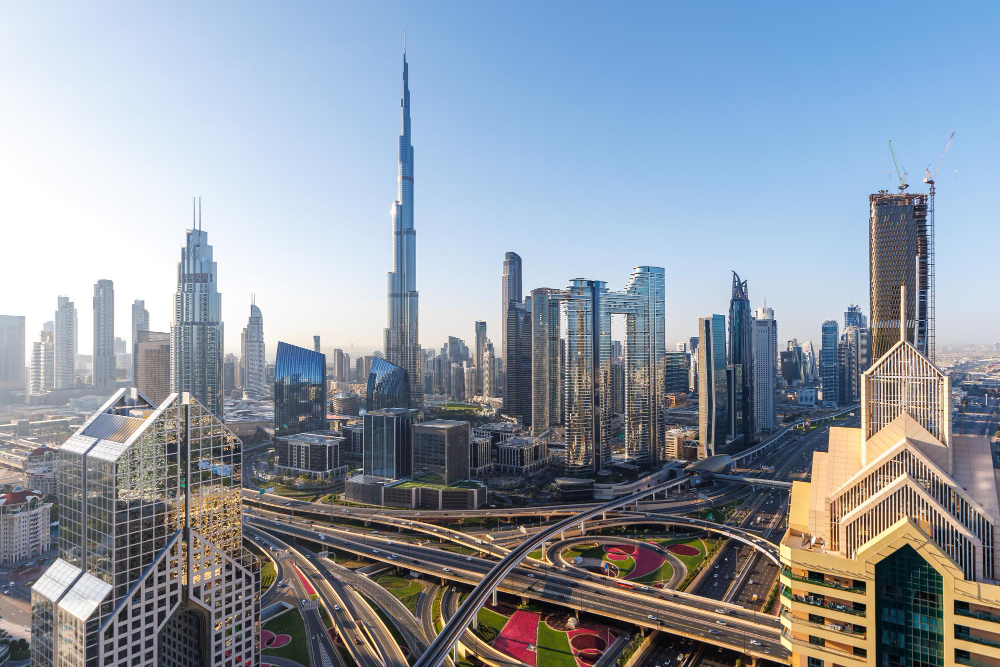
Dubai stands as a testament to human ingenuity and ambition. It is a city that has transformed from a desert settlement into a global hub for innovation. You will find a skyline punctuated by some of the world’s most breathtaking modern architecture.
This guide invites you to explore eight of Dubai’s most beautiful places. Each one showcases the emirate’s commitment to pushing architectural and engineering boundaries. Prepare to be inspired by these structures.
Tallest Buildings and Skyscrapers in Dubai
Dubai’s identity is intrinsically linked to its soaring skyscrapers, making it a leading example of contemporary architecture. The city proudly hosts the Burj Khalifa, the world’s tallest building, a true icon of Dubai architecture.
This engineering achievement by Skidmore Owings Merrill (SOM) demonstrates the city’s ambition to break records and redefine urban landscapes. The Burj Khalifa remains a primary attraction for modern architecture enthusiasts, offering unparalleled views and a testament to human innovation.
Iconic Modern Architectural Landmarks
Beyond the Burj Khalifa, Dubai’s skyline is adorned with other iconic modern architectural landmarks. The sail-shaped Burj Al Arab, designed by Atkins Global, is a symbol of luxury and innovative design.
The Cayan Tower, known for its distinctive 90-degree twist, and the Dubai Frame, a colossal picture frame offering panoramic views of old and new Dubai, are further examples. These structures, including the Palm Jumeirah, each possess distinctive design features and symbolic importance, solidifying their status as icons of Dubai’s skyline and innovation.
Innovative Tower Design and Engineering
Dubai’s commitment to innovative tower design and engineering is evident in structures like the Cayan Tower. Its unique helical twist showcases advanced architectural techniques and the challenges overcome in constructing such a distinct skyscraper.
Another example is the Index Tower, designed by Foster and Partners, which features a rotating design that maximizes views and natural light. These buildings exemplify the cutting-edge modern engineering employed to create unique and visually striking towers in the heart of Dubai.
Artificial Islands and Coastal Engineering
Dubai’s ambitious coastal engineering projects have significantly shaped its skyline and luxury developments. The Palm Jumeirah, a marvel of human-made landforms, is a prime example of artificial islands that have redefined the city’s geography.
Nakheel, the developer, transformed the desert environment into a vibrant waterfront community. These projects demonstrate Dubai’s pioneering spirit in urban infrastructure and sustainable construction, even amidst environmental impact considerations like ocean desalination, to create unique living and leisure spaces.
Tallest Buildings and Skyscrapers in Dubai
Dubai’s skyline is globally recognized for its towering achievements, consistently breaking records in height and design. These structures symbolize Dubai’s rapid development and its vision for the future, showcasing remarkable engineering achievements.
The Burj Khalifa, designed by Skidmore, Owings & Merrill (SOM), remains the crown jewel. Standing at a staggering 828 meters, it is the world’s tallest building. This modern engineering marvel dominates the Dubai skyline, offering unparalleled views and embodying the city’s ambition.
Its tiered structure, inspired by the Hymenocallis flower, spirals gracefully upwards. It houses luxury residences, corporate suites, and the Armani Hotel, making it a global icon of Dubai architecture. The Burj Khalifa is more than just a building; it represents Dubai’s commitment to pushing the boundaries of contemporary architecture.
Innovative Tower Design and Engineering
Beyond the Burj Khalifa, Dubai is home to other innovative tower designs that exemplify advanced architectural techniques. The Cayan Tower, for instance, stands out in Dubai Marina with its distinctive 90-degree twist. This unique design challenges conventional skyscraper construction, showcasing the city’s embrace of cutting-edge modern engineering.
Another example is the Index Tower, located on Sheikh Zayed Road in Business Bay. Designed by Foster + Partners, this mixed-use skyscraper features a unique rotating design that maximizes views and minimizes solar gain. Such structures highlight the complex structural engineering involved in creating Dubai’s unique architectural guide.
The O-14 building, designed by Reiser + Umemoto, is another striking example of Dubai’s innovative spirit. Its perforated concrete shell provides both structural support and a distinctive aesthetic. These buildings collectively contribute to Dubai’s reputation for iconic modern architectural landmarks and its commitment to groundbreaking design.
Iconic Modern Architectural Landmarks
Beyond the Burj Khalifa, Dubai boasts numerous other iconic landmarks, each contributing to the city’s unique architectural identity. These structures blend modern design with innovative engineering, creating a visually stunning urban landscape that defines the Dubai skyline.
Burj Al Arab: A Symbol of Luxury and Audacity
The Burj Al Arab, often called the world’s first seven-star hotel, stands proudly on its own artificial island. Designed by Atkins Global, its sail-shaped silhouette is instantly recognizable, making it a global symbol of luxury and architectural audacity.
Its distinctive form and opulent interiors redefine hospitality, offering an experience that is both grand and unforgettable. The Burj Al Arab showcases Dubai’s commitment to extravagant design and unparalleled service, solidifying its place in any contemporary architecture guide.
Cayan Tower: Innovative Tower Design and Engineering
In the vibrant Dubai Marina, the Cayan Tower captivates with its unique twist. This 306-meter tall skyscraper rotates a full 90 degrees from its base to its apex, making it an architectural marvel and a testament to innovative tower design and engineering.
The Cayan Tower’s helical shape is not merely aesthetic. It also helps in reducing wind forces on the building, making it a prime example of how form and function can merge beautifully in modern engineering. It stands as a critical entity in understanding the advancements in Dubai architecture.
Dubai Frame: Connecting Past and Future
The Dubai Frame, designed by Fernando Donis, offers a unique perspective on the city. This colossal rectangular structure frames both old and new Dubai, providing panoramic views of the entire emirate.
Standing 150 meters high and 93 meters wide, it serves as a metaphorical bridge, connecting the city’s rich past with its ambitious future. It is a compelling addition to Dubai’s contemporary architecture guide, showcasing a blend of art and urban infrastructure.
Innovative Tower Design and Engineering
Dubai consistently pushes the boundaries of structural engineering and design. Many of its buildings feature groundbreaking techniques that address both aesthetic desires and practical challenges. This city is a global leader in modern engineering, showcasing how visionary architecture can overcome environmental hurdles.
Index Tower: A Model of Sustainable Architecture
The Index Tower, located on Sheikh Zayed Road, exemplifies innovative design by Foster + Partners. This mixed-use skyscraper features a unique approach to climate control. Its orientation minimizes solar gain, significantly reducing energy consumption and highlighting Dubai’s commitment to sustainable architecture.
The tower’s four distinct zones, dedicated to offices and residential units, are separated by sky lobbies. This design provides both functionality and striking visual appeal. It stands as a testament to advanced Dubai architecture.
O-14 Building: Blending Artistry with Engineering
The O-14 building in Business Bay, designed by Reiser + Umemoto, is a striking example of innovative facade design. Its distinctive perforated concrete shell acts as a sun screen, creating a thermal buffer for the interior spaces. This solution is crucial for managing the desert climate.
This design not only provides environmental benefits but also creates a visually captivating exterior. It showcases a blend of architectural artistry and practical engineering solutions in Dubai architecture. It truly embodies contemporary architecture.
Opus Tower: A Masterpiece by Zaha Hadid Architects
The Opus Tower, a project by the renowned Zaha Hadid Architects, is a true masterpiece of contemporary architecture. Located in Business Bay, it features a distinctive void in its center, creating a captivating, fluid form. This building is an unforgettable landmark on the Dubai skyline.
The building appears as a single cube that has been carved away. This design makes it a unique and unforgettable landmark. It reflects Dubai’s embrace of bold, avant-garde architectural styles, cementing its place in any architectural guide.
Artificial Islands and Coastal Engineering
Dubai’s ambition extends beyond towering structures. The city has undertaken colossal coastal engineering projects, including the creation of artificial islands. These human-made landforms have reshaped Dubai’s coastline and added vast areas for development, showcasing modern engineering at its finest.
Palm Jumeirah: A Marvel of Human-Made Landforms
The Palm Jumeirah is perhaps the most famous of Dubai’s artificial islands. This palm-shaped archipelago is a marvel of modern engineering, demonstrating Dubai’s ability to create luxury developments in a desert environment.
It is home to opulent resorts, residences, and entertainment venues. The Palm Jumeirah highlights Dubai’s grand vision for urban infrastructure. It also showcases the achievements in ocean desalination and sustainable construction in the region, making it a key element of Dubai’s contemporary architecture guide.
“Dubai’s architectural landscape is a living canvas of ambition. Each structure tells a story of innovation, pushing boundaries that redefine urban living and environmental interaction.”
Here is a comparison of some of Dubai’s architectural marvels, including the Burj Khalifa and the Burj Al Arab:
| Building Name | Architect/Firm | Key Feature | Year Completed |
|---|---|---|---|
| Burj Khalifa | Skidmore, Owings & Merrill (SOM) | World’s Tallest Building | 2010 |
| Burj Al Arab | Atkins Global | Sail-shaped, Luxury Hotel | 1999 |
| Cayan Tower | Skidmore, Owings & Merrill (SOM) | 90-degree Spiral Twist | 2013 |
| Palm Jumeirah | Nakheel | Artificial Palm-shaped Island | 2006 (initial phase) |
| Dubai Frame | Fernando Donis | Giant Picture Frame Landmark | 2018 |
| Opus Tower | Zaha Hadid Architects | Distinctive Central Void | 2020 |
| Index Tower | Foster + Partners | Eco-friendly Sun Orientation | 2011 |
| O-14 Building | Reiser + Umemoto | Perforated Concrete Shell | 2010 |
Concrete at Alserkal Avenue: A Cultural Oasis
Amidst the shimmering skyscrapers and ambitious engineering achievements, Dubai also cultivates a vibrant cultural scene through its architecture. Concrete at Alserkal Avenue, designed by OMA, stands as a prime example of this.
This versatile exhibition space showcases raw, industrial aesthetics. It skillfully repurposes existing structures to create a dynamic cultural hub, offering a compelling contrast to the city’s more flamboyant landmarks and showcasing a different facet of Dubai’s contemporary architecture guide.
You’ll find this space a testament to thoughtful design. It demonstrates how modern engineering can transform utilitarian spaces into artistic venues, adding depth to the Dubai skyline beyond its record-breaking towers like the Burj Khalifa.
Future Architectural Projects and Developments
Dubai’s architectural journey is far from over. The city continues to plan and execute ambitious projects that will further shape its Dubai skyline and urban landscape. This commitment to pushing boundaries ensures that Dubai architecture remains at the forefront of modern engineering achievements.
The Tower at Dubai Creek Harbour, designed by Santiago Calatrava, promises to be another world-class structure. While its final height is still under wraps, it aims to surpass the Burj Khalifa, the world’s tallest building. It will incorporate elements of traditional Islamic architecture with modern engineering, making it a future iconic landmark.
The legacy of World Expo 2020 also continues to influence developments. The Expo site is being repurposed into ‘District 2020’. This will be a smart and sustainable city, featuring advanced urban infrastructure and promoting sustainable architecture. This initiative showcases Dubai’s dedication to environmental sustainability and innovative urban planning, building on the success of the Expo.
Frequently Asked Questions About Dubai’s Modern Architecture
What makes Dubai’s architecture unique?
Dubai’s architecture is unique due to its ambitious scale, innovative engineering, and futuristic designs. The city constantly challenges conventional architectural norms. It often incorporates record-breaking structures and artificial landforms, setting global benchmarks for modern engineering.
Which architects are prominent in Dubai?
Many renowned architects and firms have significantly shaped the Dubai skyline. Key names include Skidmore, Owings & Merrill (SOM), Foster + Partners, and Zaha Hadid Architects. Atkins Global and OMA have also left an indelible mark on Dubai’s contemporary architecture. These firms are behind some of Dubai’s most iconic modern architectural landmarks.
How does Dubai address sustainability in its architecture?
Dubai is increasingly focusing on sustainable architecture, addressing the unique challenges of its desert environment. Buildings like the Index Tower incorporate passive design strategies to reduce energy consumption. Projects like District 2020, developed from the World Expo 2020 site, emphasize smart, sustainable urban planning. The city actively tackles water and environmental sustainability through various initiatives, including advanced ocean desalination technologies and sustainable construction practices.
What are some of the engineering challenges faced in Dubai’s construction?
Building in Dubai’s desert environment presents unique engineering challenges. These include extreme heat, frequent sandstorms, and the need for significant water resources.
Constructing artificial islands, such as the Palm Jumeirah, also involves complex coastal engineering and structural engineering. Overcoming these obstacles showcases Dubai’s modern engineering prowess and its commitment to pushing boundaries in urban infrastructure and human-made landforms.
Can visitors explore these modern architectural sites easily?
Yes, many of Dubai’s architectural marvels are easily accessible to visitors. You can experience these structures firsthand through observation decks, guided tours, and public spaces. For example, you can visit the top of the Burj Khalifa, the world’s tallest building, or stroll through Dubai Marina to admire the Cayan Tower.
Iconic landmarks like the Burj Al Arab and Apple Dubai Mall on Sheikh Zayed Road also offer stunning views and experiences, making Dubai a premier architectural guide destination.
Leave a Reply