
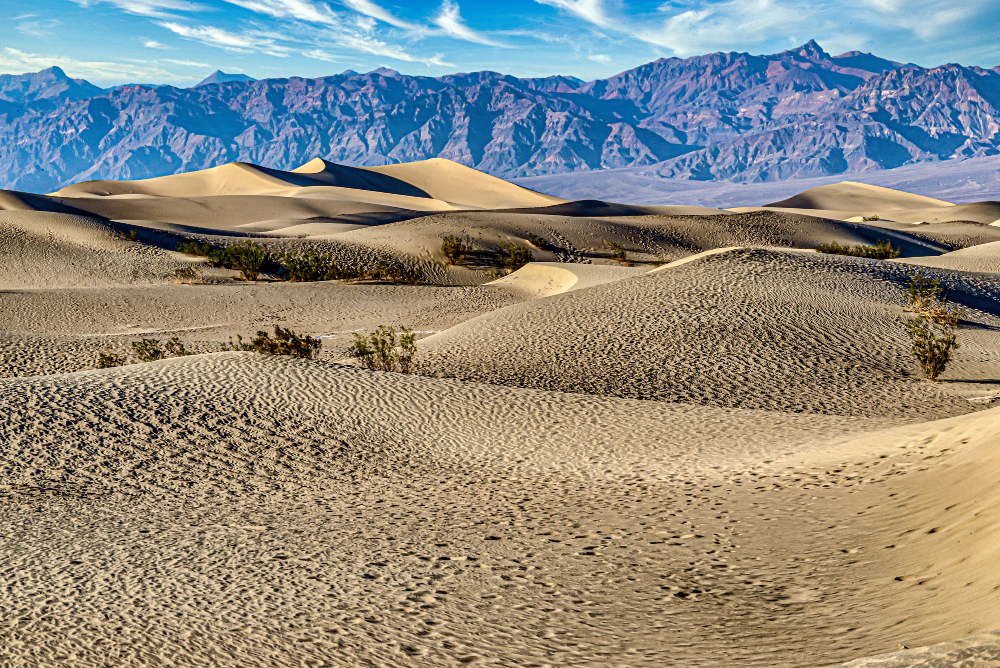
Imagine a night sky so profoundly dark that the Milky Way appears to cast shadows. This breathtaking vision is rapidly becoming a rarity due to increasing light pollution. However, scattered across North America are some of the best stargazing locations, certified by organizations like the International Dark Sky Association, offering unparalleled opportunities for space observation.
From the remote deserts of Big Bend National Park in Texas to the serene forests of Jasper National Park in Canada, these sanctuaries of darkness invite you to immerse yourself in the wonders of the cosmos.
You can reconnect with the cosmos in these incredible locations. They provide an escape from artificial light, allowing you to witness constellations, meteors, and even the Andromeda Galaxy in stunning clarity. Prepare to be inspired by the universe’s grandeur.
Understanding Dark Sky Designations and Certification
The International Dark Sky Association (IDA) plays a crucial role in preserving our night skies. It certifies locations worldwide, recognizing their commitment to combating light pollution. These designations, such as International Dark Sky Parks and Reserves, signify areas with exceptional night sky quality, offering prime opportunities for stargazing and space observation.
For example, Grand Canyon National Park, a critical entity, underwent a nearly three-year process, converting most of its 5,000 light fixtures to “dark-sky compliant” standards. This dedication ensures future generations can experience the profound beauty of a truly dark night sky and clearly see the Milky Way and other constellations.
These certifications are vital for protecting our view of the universe from artificial light. As Chip Harrison, park manager for Cherry Springs State Park in Pennsylvania, an IDA certified Dark Sky Park, states, “Misdirected and excessive lighting are the main cause of sky glow and light pollution.”
The largest designated area, Death Valley, spans an impressive 13,700 square kilometers, offering vast stretches of pristine darkness for astronomy tourism. Mont-Mégantic, in 2007, became the first International Dark Sky Reserve with Silver tier status, setting a precedent for others to follow in preserving the night sky.
Exceptional Dark Skies Near Urban Areas
You might assume the darkest skies are always in the most remote corners of the world. However, some International Dark Sky Reserves are surprisingly accessible, even near major urban centers, offering prime opportunities for stargazing and space observation.
Westhavelland International Dark Sky Reserve in Germany, for instance, lies just 100 kilometers west of Berlin. Andreas Haenel from the Museum Am Schölerberg highlights this proximity, making it an ideal destination for city dwellers seeking a tranquil escape and a chance to witness the Milky Way and constellations.
The Kerry International Dark Sky Reserve in Ireland, nestled within the Iveragh Peninsula and bordering the Atlantic Ocean, also boasts remarkable accessibility. Despite over 1.5 million tourists passing through the region annually, as Julie Ormonde of the Kerry Dark Sky Group notes, few experience its spectacular night skies. This presents a unique opportunity for astronomy tourism, allowing visitors to view star clusters and nebulae with minimal light pollution.
Optimal Times for Stargazing Conditions
Timing is everything when planning a stargazing trip. The darkest skies are typically experienced during the new moon phase, minimizing lunar light interference, which is crucial for optimal viewing. Specific seasons also offer enhanced opportunities to glimpse breathtaking celestial phenomena like the Milky Way and various constellations with stunning clarity, making your stargazing adventure all the more unforgettable.
For Westhavelland International Dark Sky Reserve in Germany, the best conditions occur between mid-May and mid-July during the new moon. Similarly, Brecon Beacons National Park in the United Kingdom sees optimal viewing in March and April, which are also considered the darkest months in the UK. New Zealand’s Aoraki Mackenzie offers consistently clear views on moonless nights, making it a prime spot for space observation.
You should always check a lunar calendar before planning your visit to maximize your chances of seeing star clusters and nebulae. This careful planning ensures you experience the night sky at its most magnificent, free from the hindrance of artificial light.
High-Quality Viewing Phenomena and Objects
These dark sky locations offer a celestial spectacle far beyond what most can imagine. You can observe the majestic Milky Way stretching across the sky, often so bright it appears three-dimensional. The elusive zodiacal light, a faint glow caused by sunlight scattering off interplanetary dust, is also visible in places like Westhavelland International Dark Sky Reserve and NamibRand Nature Reserve.
Meteors, such as the Perseids, frequently streak across these pristine night skies. Additionally, you can spot planets, various constellations, and even distant galaxies like the Andromeda Galaxy. Pic du Midi International Dark Sky Reserve in France, a UNESCO World Heritage Site within Pyrénées National Park, attracts 3,300 visitors annually, offering views of planets, nebulae, and star clusters through advanced telescopes at the Observatoire Midi-Pyrénées, including the Bernard Lyot Telescope.
For an unparalleled experience, consider destinations like the Grand Canyon National Park, an International Dark Sky Park, where the night sky reveals incredible detail. The clarity of the night sky in these areas allows for truly exceptional space observation, a stark contrast to areas affected by artificial light.
Beyond the Milky Way and constellations, you might even glimpse the elusive Aurora Borealis in certain high-latitude dark sky destinations. These locations are vital for astronomy tourism, offering a chance to reconnect with the cosmos away from pervasive light pollution.
Accessible Dark Sky Spots
The International Dark Sky Association (IDA) champions accessibility for its certified locations, ensuring more people can experience the profound wonder of a dark night sky. Many of these sites cater to visitors with minimal travel barriers, making astronomy tourism a viable option for a wider audience.
You’ll find that several Dark Sky Parks and Reserves offer onsite telescopes and guided programs, significantly enhancing your stargazing experience. These programs are often led by expert astronomers, providing invaluable insights into star clusters, nebulae, and constellations.
The Kerry International Dark Sky Reserve in Ireland, home to fewer than 4,000 residents on the Iveragh Peninsula by the Atlantic Ocean, provides an intimate and accessible setting for observing the night sky. While over 1.5 million tourists pass through Kerry annually, surprisingly few visit specifically to experience its renowned dark skies at night. This Gold Tier reserve is an ideal spot to witness the Milky Way and even catch a glimpse of the Andromeda Galaxy.
Northumberland, United Kingdom, with its Kielder Observatory, is another excellent example of an accessible stargazing destination. Similarly, Mayland Earth to Sky Park in the United States caters to visitors, offering facilities designed for optimal space observation. These locations are crucial in combating light pollution and preserving our view of the cosmos.
The Impact of Light Pollution and Preservation Efforts
The profound beauty of these dark sky havens stands in stark contrast to the growing global problem of light pollution. A concerning 2016 study in Science Advances, highlighted by CNN, revealed that over 50% of citizens in the US and Europe can no longer witness the majestic Milky Way due to artificial light. This pervasive “sky glow,” caused by excessive and misdirected lighting, not only obscures our view of the cosmos but also disrupts delicate nocturnal ecosystems.
The International Dark Sky Association (IDA) is at the forefront of global preservation efforts, championing the protection of our night sky. Their rigorous IDA certification programs encourage communities, parks, and even entire regions to adopt dark-sky friendly lighting practices.
Grand Canyon National Park’s impressive conversion of its lighting fixtures is a prime example of such successful initiatives, demonstrating how a commitment to dark skies can make a tangible difference. These efforts are crucial to protect our shared heritage of a visible night sky, ensuring future generations can experience the wonder of stargazing and space observation.
Nine Beautiful Places at Night for Stargazing
Here are nine exceptional locations where you can immerse yourself in the wonders of the night sky, experiencing unparalleled stargazing, all certified by the International Dark Sky Association (IDA).
1. Grand Canyon National Park, Arizona, USA
The Grand Canyon is not only a geological marvel but also a certified International Dark Sky Park. Its vast, unlit expanses offer incredible views of the Milky Way and countless constellations. The park’s commitment to dark sky preservation, including efforts led by John Barentine, ensures a truly pristine night sky. You can often participate in ranger-led astronomy programs, making it one of the best places to stargaze in the US.
2. Westhavelland International Dark Sky Reserve, Germany
Just a short distance from Berlin, Westhavelland Reserve is a testament to successful dark sky preservation near an urban area. Andreas Haenel from Museum Am Schölerberg has been instrumental in promoting this reserve. It is renowned for its visibility of zodiacal light and offers fantastic views of meteors. The best time to visit for stargazing is between mid-May and mid-July, coinciding with new moon phases, providing optimal conditions for space observation.
3. Kerry International Dark Sky Reserve, Ireland
Located on the scenic Iveragh Peninsula, the Kerry International Dark Sky Reserve is Europe’s only Gold Tier Dark Sky Reserve. Julie Ormonde and the Kerry Dark Sky Group have championed its preservation. You can observe the Andromeda Galaxy and numerous star clusters here, with the Atlantic Ocean providing a dramatic backdrop. St. Finian’s Bay offers particularly stunning views, making it a prime stargazing destination.
4. Pic du Midi International Dark Sky Reserve, France
High in the French Pyrénées, this reserve offers breathtaking views from an altitude of 2,877 meters. Nicholas Bourgeois is a key figure in its operations. The Observatoire Midi-Pyrénées, with its Bernard Lyot Telescope, provides an exceptional opportunity for space observation. Visitors can witness the Milky Way, nebulae, and planets with remarkable clarity. It’s a UNESCO World Heritage Site and a top spot for astronomy tourism.
5. Cherry Springs State Park, Pennsylvania, USA
Often referred to as the “Gem of Pennsylvania,” Cherry Springs State Park is a dedicated International Dark Sky Park. It boasts some of the darkest skies on the East Coast. Chip Harrison, the park manager, has been a strong advocate for dark sky preservation. This park is a prime location for observing meteors and star clusters, especially during annual astronomy events, reinforcing its status as one of the best places to stargaze.
6. Brecon Beacons National Park, United Kingdom
This Welsh national park is a certified International Dark Sky Reserve. It offers excellent stargazing opportunities, particularly in March and April. You can explore the Usk Valley and the historic Llanthony Priory under a canopy of stars. The park’s commitment to reducing artificial light ensures a truly dark night sky, echoing the observations of Galileo Galilei and demonstrating effective light pollution mitigation.
7. NamibRand Nature Reserve, Namibia
As Africa’s first International Dark Sky Reserve, NamibRand offers some of the darkest skies on Earth. Its remote desert location, far from any artificial light, provides unparalleled views of the Milky Way and zodiacal light. The reserve is a haven for astronomy tourism, allowing you to connect with the cosmos in an incredibly pristine environment, free from significant light pollution.
8. Aoraki Mackenzie International Dark Sky Reserve, New Zealand
This reserve, located on New Zealand’s South Island, is one of the largest and darkest in the world. Its clear, unpolluted skies offer spectacular views of the Southern Cross, the Magellanic Clouds, and other southern hemisphere constellations. You can enjoy optimal viewing on moonless nights, making it a premier destination for astronomy enthusiasts and a testament to effective dark skies preservation.
9. Death Valley National Park, California, USA
As the largest International Dark Sky Park in the United States, Death Valley offers vast and incredibly dark skies. Its remote location and minimal artificial light make it an ideal spot for stargazing. You can witness the Milky Way stretching from horizon to horizon, along with countless meteors and star clusters. The sheer scale of the park enhances the feeling of vastness and connection to the universe, making it one of the best places to stargaze.
Understanding Dark Sky Designations and Certification
The significance of official dark sky designations, such as those from the International Dark Sky Association (IDA), cannot be overstated. These certifications, like the International Dark Sky Reserve status for the Grand Canyon National Park, recognize locations committed to preserving the night sky.
Death Valley National Park, for example, is the largest designated area at 13,700 km², offering unparalleled views due to its stringent light pollution controls. These designations ensure that you can experience truly dark skies, free from the encroaching artificial light that obscures the Milky Way for so many.
Exceptional Dark Skies Near Urban Areas
It’s a pleasant surprise that some of the darkest skies are accessible even near major cities. Westhavelland International Dark Sky Reserve in Germany is a prime example, located only 100 km west of Berlin. This proximity allows for significant astronomy tourism without extensive travel.
Similarly, the Kerry International Dark Sky Reserve in Ireland, while remote, is strategically located on the Iveragh Peninsula. Despite over 1.5 million tourists passing through the region annually, few experience its spectacular night sky, highlighting the opportunity for accessible stargazing destinations.
Best Time for Stargazing Conditions
Timing your visit is crucial for optimal stargazing. Dark skies are best experienced between new moons, when lunar light does not interfere. For instance, Westhavelland International Dark Sky Reserve offers its best conditions between mid-May and mid-July during new moon phases.
In the United Kingdom, Brecon Beacons National Park sees optimal viewing in March and April, which are often the darkest months in the UK. Similarly, New Zealand’s Aoraki Mackenzie International Dark Sky Reserve promises clear, unpolluted views on moonless nights, making seasonal planning vital for space observation.
High-Quality Viewing Phenomena and Objects
These International Dark Sky locations offer an incredible array of celestial phenomena. In Westhavelland Reserve and NamibRand Nature Reserve, you can witness the ethereal zodiacal light. Pic du Midi International Dark Sky Reserve, high in the French Pyrénées, provides stunning views of the Milky Way, nebulae, and planets, attracting 3,300 visitors annually who utilize its advanced Bernard Lyot Telescope. From observing the Andromeda Galaxy in the Kerry International Dark Sky Reserve to countless meteors in Cherry Springs State Park, these sites promise a truly immersive night sky experience, showcasing the wonders of the cosmos.
Accessible Dark Sky Spots and Educational Opportunities
Many International Dark Sky Parks and Reserves prioritize accessibility and education, making stargazing available to a wider audience. Locations like the Kerry International Dark Sky Reserve, with fewer than 4,000 residents in its core, offer a serene yet welcoming environment.
Several parks, including the Grand Canyon National Park, provide onsite telescopes and ranger-led astronomy programs, enhancing the experience for visitors. These initiatives foster astronomy tourism and ensure that everyone, from casual observers to dedicated enthusiasts, can connect with the night sky and learn about constellations and celestial bodies.
Impact of Light Pollution and Preservation Efforts
The profound beauty of these dark sky havens stands in stark contrast to the growing global problem of light pollution. A concerning 2016 study in Science Advances, highlighted by CNN, revealed that over 50% of citizens in the US and Europe can no longer witness the majestic Milky Way due to artificial light.
This pervasive “sky glow,” caused by excessive and misdirected lighting, is actively combated by organizations like the International Dark Sky Association (IDA). Their certification programs encourage parks, such as the Grand Canyon National Park, to convert existing lighting to dark sky-friendly fixtures, preserving the night sky for future generations and ensuring these best places to stargaze remain pristine.
Choosing Your Stargazing Oasis: A Comparison of Dark Sky Locations
To help you choose your ideal stargazing destination, here is a comparison of some key features. These locations, certified by the International Dark Sky Association (IDA), offer unparalleled opportunities to reconnect with the night sky, far from the detrimental effects of artificial light and light pollution.
| Location | Designation | Notable Phenomena | Accessibility | Best Viewing Season |
|---|---|---|---|---|
| Grand Canyon National Park | International Dark Sky Park | Milky Way, constellations, meteors | Moderate (major US national park) | Year-round, best new moon |
| Westhavelland International Dark Sky Reserve | International Dark Sky Reserve | Zodiacal light, Milky Way, meteors | High (near Berlin, Germany) | Mid-May to mid-July (new moon) |
| Kerry International Dark Sky Reserve | International Dark Sky Reserve (Gold Tier) | Andromeda Galaxy, star clusters, Milky Way | High (Ireland, Iveragh Peninsula) | Year-round, best new moon |
| Pic du Midi International Dark Sky Reserve | International Dark Sky Reserve | Milky Way, nebulae, planets, star clusters | Moderate (requires mountain access, France) | Year-round, best new moon |
| Cherry Springs State Park | International Dark Sky Park | Milky Way, meteors, star clusters | High (Pennsylvania, USA) | Year-round, best new moon |
| Brecon Beacons National Park | International Dark Sky Reserve | Milky Way, constellations | High (Wales, UK) | March and April |
| NamibRand Nature Reserve | International Dark Sky Reserve | Milky Way, zodiacal light | Low (remote, Namibia) | Year-round, best new moon |
| Aoraki Mackenzie International Dark Sky Reserve | International Dark Sky Reserve | Southern Cross, Magellanic Clouds, Milky Way | Moderate (New Zealand South Island) | Year-round, clear moonless nights |
| Death Valley National Park | International Dark Sky Park | Milky Way, meteors, star clusters | Moderate (California, USA) | Year-round, best new moon |
The Significance of Dark Sky Designations and Certification
The global effort to preserve our night sky is spearheaded by organizations like the International Dark Sky Association (IDA). Their certification process designates areas as International Dark Sky Parks or Reserves, ensuring optimal conditions for stargazing and astronomy tourism.
For example, Grand Canyon National Park, along with Chaco Culture and Mont-Mégantic, are celebrated for achieving this prestigious status. Death Valley National Park holds the distinction of being one of the largest designated areas, spanning an impressive 13,700 square kilometers, offering vast expanses for space observation.
Exceptional Dark Skies Near Urban Areas
You might be surprised to learn that some of the world’s darkest skies are remarkably close to major urban centers. The Westhavelland International Dark Sky Reserve in Germany, for instance, is a mere 100 kilometers west of Berlin.
This proximity allows more people to experience the breathtaking beauty of an unblemished night sky, free from the pervasive glow of artificial light. Similarly, the Kerry International Dark Sky Reserve in Ireland, nestled on the Iveragh Peninsula, sees over 1.5 million tourists annually, yet few take the opportunity to visit at night and witness its celestial wonders.
Optimal Stargazing Conditions: Timing Your Visit
For the best possible stargazing experience, timing is everything. The darkest skies are typically found between new moons, minimizing lunar interference. In the Westhavelland Reserve, optimal conditions for viewing the Milky Way and zodiacal light are between mid-May and mid-July during the new moon phase.
For those planning to visit Brecon Beacons National Park in the United Kingdom, March and April offer the clearest and darkest conditions. Similarly, New Zealand’s Aoraki Mackenzie International Dark Sky Reserve promises spectacular views on clear, moonless nights throughout the year.
High-Quality Viewing Phenomena and Objects
These IDA-certified locations offer a spectacular array of celestial phenomena. From the awe-inspiring Milky Way to distant galaxies like the Andromeda Galaxy, and vibrant star clusters, the night sky comes alive. Westhavelland and NamibRand Nature Reserve are renowned for their visibility of the zodiacal light, a faint, diffuse glow caused by sunlight scattering off interplanetary dust.
Pic du Midi International Dark Sky Reserve in France, with its high-altitude vantage point, provides exceptional views of nebulae, planets, and intricate star clusters, attracting thousands of astronomy enthusiasts annually. You can witness meteors streaking across the sky in places like Grand Canyon National Park and Cherry Springs State Park in Pennsylvania, making for unforgettable space observation.
Accessible Dark Sky Spots for Every Traveler
Accessibility is a key factor for many aspiring stargazers. Locations like the Kerry International Dark Sky Reserve, with its sparse population of fewer than 4,000 residents on the Iveragh Peninsula, and Northumberland in the UK, home to the Kielder Observatory, are designed to welcome visitors with minimal travel barriers.
Many of these Dark Sky Parks and Reserves, including Cherry Springs State Park, offer guided programs, educational outreach, and even onsite telescopes, making the wonders of the night sky accessible to everyone, from seasoned astronomers to curious beginners. This focus on astronomy tourism ensures that more people can experience the magic of the constellations and beyond.
Combating Light Pollution: Preservation Efforts
The urgent need for dark sky preservation is undeniable. Studies, including those cited by CNN and Science Advances, reveal that over 50% of citizens in the US and Europe can no longer see the Milky Way due to the pervasive spread of artificial light. The International Dark Sky Association (IDA) plays a crucial role in certifying areas and promoting responsible lighting practices to combat this sky glow.
A prime example is the Grand Canyon National Park, which has undertaken significant efforts to convert most of its lighting to dark sky-friendly fixtures, protecting its pristine night sky for future generations to enjoy. Chip Harrison, John Barentine, Andreas Haenel from Museum Am Schölerberg, and Julie Ormonde of the Kerry Dark Sky Group are just some of the dedicated individuals championing these vital preservation efforts, ensuring that our stargazing destinations remain truly dark.
Frequently Asked Questions About Stargazing
What is light pollution and why is it a concern for stargazing?
Light pollution refers to excessive, misdirected, or obtrusive artificial light. It creates a “sky glow” that washes out the natural darkness of the night sky, making it difficult or impossible to see stars, planets, and the majestic Milky Way. This artificial light also disrupts nocturnal wildlife and can negatively impact human health.
Efforts to reduce light pollution are crucial for preserving our night sky heritage and ensuring the future of astronomy tourism. Studies show that over 50% of US and European citizens can no longer see the Milky Way due to sky glow, making the fight against light pollution a global priority.
How does the International Dark Sky Association certify locations?
The International Dark Sky Association (IDA) certifies places that demonstrate exceptional quality of starry nights and a profound commitment to preserving the nocturnal environment. This involves rigorous evaluation of lighting practices, educational programs, and community engagement.
Certified locations are categorized as Dark Sky Parks, Reserves, Sanctuaries, Communities, and Urban Night Sky Places, each with specific criteria. The IDA certification is a beacon for stargazing destinations, ensuring visitors experience truly dark skies, often transforming existing sites like Grand Canyon National Park through the conversion of most of its lights.
What is the best equipment for stargazing in these dark sky locations?
While you can see an incredible amount with the naked eye in these pristine dark skies, binoculars can significantly enhance your experience by revealing more detail in star clusters and nebulae. A telescope will offer even more magnified views of planets, distant galaxies like the Andromeda Galaxy, and intricate details of the moon.
Always bring warm clothing, a red-light flashlight to preserve your night vision, and a star chart or astronomy app to identify constellations and meteors. Remember, the goal is to fully immerse yourself in the space observation experience.
Can I see the Aurora Borealis from these locations?
While many of these locations offer exceptional dark skies, the Aurora Borealis (Northern Lights) is typically visible only at high latitudes, closer to the Earth’s magnetic poles. Some northern Dark Sky Reserves, particularly in countries like Canada, Alaska, or Scandinavia, might offer opportunities to see the Aurora.
However, most of the listed stargazing destinations are not in prime Aurora viewing zones. For instance, while Westhavelland International Dark Sky Reserve in Germany offers incredible views of the Milky Way, it’s not a primary Aurora spot.
Leave a Reply