
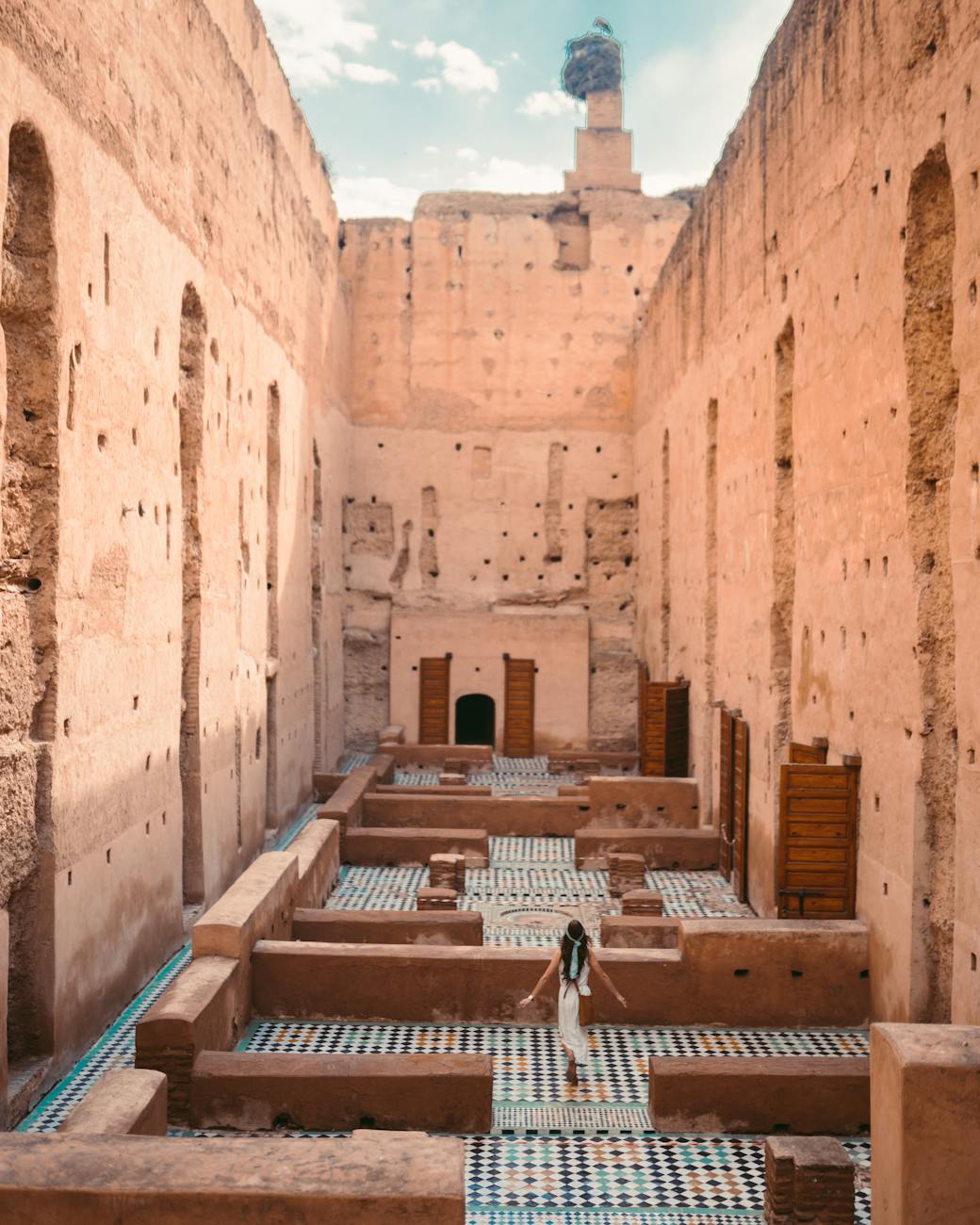
Creating an unforgettable journey through Morocco requires a balance between its high-energy “Imperial Cities” and the serene, timeless landscapes of the desert and mountains. Imagine stepping off a plane and immediately being greeted by the scent of orange blossoms and the distant, melodic call to prayer.
Morocco isn’t just a destination; it’s a sensory “culture shock” in the best way possible. It is a place where Africa, Europe, and the Middle East meet, offering a kaleidoscope of colors that shift from the snowy peaks of the High Atlas to the golden dunes of the Sahara. Whether you are planning a visit morocco trip for 2025 or 2026, this guide will lead you through the must see in morocco highlights and the hidden gems that make this kingdom so special.
Explore the Magic of the “Imperial Cities”
The “Imperial Cities” are the historical heart of the country, each having served as a capital at some point in Morocco’s long history. These cities are where you will find the most intricate moroccan architecture and a vibrant culture that has remained unchanged for centuries. Each city offers a different window into the soul of the nation, from the buzzing markets of the south to the intellectual hubs of the north.
Marrakech: The Red City
Marrakech is often the first stop for many travelers, and it’s easy to see why. The city is famous for its rose-colored ramparts and the constant hum of energy. It is a place where ancient tradition meets modern luxury, creating an atmosphere that is both electric and timeless.
- Jemaa el-Fnaa Square: As the sun sets, this massive square transforms into a theatrical stage. You’ll see snake charmers, storytellers, and rows upon rows of food stalls selling everything from snails to grilled meats. It’s the ultimate things to do in morocco experience for those who love people-watching and want to feel the true pulse of the city. The smoke from the grills creates a hazy, dreamlike atmosphere that you won’t find anywhere else in the world.
- Serene Escapes: If the chaos gets to be too much, find peace at the Jardin Majorelle. This electric-blue botanical garden was once owned by Yves Saint Laurent and is a masterclass in natural beauty. The contrast of the cobalt blue walls against the lush green cacti is stunning. Nearby, the Bahia Palace offers a look at 19th-century luxury with its stunning zellij tilework and carved cedar wood, showing the peak of craftsmanship in that era.
- The Medina: Getting lost in the narrow alleys of the medina is a must do in morocco. Here, the shopping experience is unparalleled, with stalls overflowing with leather bags, hand-woven blankets, and brass lanterns. You can watch artisans work in their small shops, hammering out metal or weaving silk threads just as their ancestors did.
- Koutoubia Mosque: While non-Muslims cannot enter, the exterior of this landmark is a sight to behold. Its minaret served as the model for the Giralda in Seville and the Hassan Tower in Rabat. The gardens surrounding it are a popular spot for locals to relax in the late afternoon.
Fes: The Spiritual Heart
Fes feels like a step back into the Middle Ages. It is home to Fes el-Bali, the world’s largest car-free urban space and a UNESCO World Heritage site. It is widely considered the cultural and spiritual capital of the country, holding onto traditions that other cities have modernized.
- Ancient Industry: A visit to the Chouara Tannery is one of the most iconic things to see and do in morocco. You can watch from a balcony as men stand in giant stone vats of dye, using ancient olive oil presses and traditional methods to treat leather. The smell can be quite strong, so most shops will give you a sprig of fresh mint to hold to your nose while you observe the process.
- A Labyrinth of History: With over 9,000 narrow streets, you should definitely use google maps, but don’t be surprised if the signal drops! The fun is in finding hidden madrasas (Islamic schools) and ornate fountains tucked away in the stone walls. The Al-Attarine Madrasa is a particularly beautiful example of the intricate tilework and wood carving that defines the region.
- The Royal Palace (Dar el Makhzen): Although you cannot go inside, the Seven Golden Gates of the palace are a masterpiece of modern moroccan architecture. The brass work is polished daily and serves as a favorite backdrop for travelers looking to capture the grandeur of Fes.
- University of al-Qarawiyyin: Founded in 859 AD, this is recognized by UNESCO as the oldest continuously operating educational institution in the world. Its green-tiled roofs are a landmark you can see from many of the city’s rooftop cafes.
Chefchaouen: The Blue Pearl
Located high in the Rif Mountains, Chefchaouen is famous for its blue-washed buildings. It provides a much slower pace compared to the bigger cities and has become a favorite for those seeking a more relaxed environment.
- Photographer’s Dream: Every corner is a photo opportunity. The blue color is said to keep mosquitoes away or symbolize the sky and heaven, depending on who you ask. The contrast of the blue walls with the colorful flower pots hanging from balconies makes for an enchanting sight.
- Mountain Air: Beyond the blue walls, you can take a day trip to the Akchour Waterfalls or hike to the Spanish Mosque for a panoramic view of the city at sunset. The hike is relatively easy and offers a view of the city nestled like a blue jewel in the rugged mountains.
- Local Crafts: Chefchaouen is known for its unique wool garments and hand-woven blankets. The shopping experience here is much more low-pressure than in Marrakech, allowing you to browse at your own pace while enjoying the cool mountain breeze.
Into the Wild: Iconic Landscapes
Morocco’s geography is as diverse as its history. From the heat of the dunes to the cool mountain air, these landscapes are the backbone of any morocco trip. Exploring these areas allows you to see the rugged side of the country and meet the people who have adapted to these extreme environments.
The Sahara Desert (Merzouga & Erg Chebbi)
A desert tour is often the highlight of a trip to North Africa. The dunes of Erg Chebbi near Merzouga are famous for their towering height and golden hue, reaching up to 150 meters in some places.
- The Journey: Most travelers arrive via a multi-day sahara desert trek. Watching the sunset from the back of a camel as the light turns the sand into deep orange and red is a quintessential Moroccan memory. The silence of the desert as the sun disappears is something that stays with you forever.
- Luxury Under the Stars: Forget roughing it; modern glamping in the desert means comfortable beds and private bathrooms in a traditional moroccan tent. You’ll spend the evening listening to traditional Berber music around a campfire before stargazing under some of the darkest skies on earth. The lack of light pollution makes the Milky Way appear incredibly bright.
- Sandboarding: For those with a sense of adventure, sandboarding down the steep faces of the dunes is a must do in morocco. It’s much like snowboarding, but with a much softer landing and a lot more sand in your shoes!
- Draâ Valley: On your way to the desert, you will likely pass through this valley, which is home to millions of palm trees and ancient fortified kasbahs. It is a stunning example of how life thrives in the arid regions of the country.
The High Atlas Mountains
The atlas mountains are the highest mountain range in North Africa, and they offer a rugged beauty that contrasts sharply with the desert. This region is the ancestral home of the Berber people, who have lived here for thousands of years.
- Berber Culture: Hiking through the mountains allows you to connect with local communities. Many villagers still live in stone-and-mud houses and maintain a way of life that has existed for generations. You might be invited in for a glass of mint tea, providing a glimpse into their legendary hospitality.
- Aït Benhaddou: This mud-brick ksar (fortified village) is a must visit in morocco. It has served as a backdrop for Game of Thrones and Gladiator. Walking through its ancient gates feels like walking onto a film set, and the view from the top of the granary at sunset is spectacular.
- Toubkal National Park: This park is home to Jebel Toubkal, the highest peak in North Africa. While the summit is a challenge for experienced hikers, the surrounding trails offer beautiful walks through walnut groves and past rushing mountain streams for all fitness levels.
- Ourika Valley: Located just a short drive from Marrakech, this valley offers a cool escape from the city heat. You can hike to the seven waterfalls of Setti Fatma or simply enjoy a meal at a table placed right in the shallow, cool waters of the river.
Coastal Vibes in Essaouira
If you need a break from the heat, head to the atlantic coast. Essaouira, known as the “Windy City,” is a laid-back port town with a Mediterranean feel. It has a long history as a trading post and remains one of the most charming spots in the country.
- Seafood and Ramparts: Walk along the 18th-century stone ramparts where cannons still point toward the sea. Afterward, head to the port to pick out fresh fish and have it grilled right on the spot at one of the many outdoor stalls. The salt air and the sound of crashing waves provide a perfect soundtrack to your meal.
- Artistic Soul: The city is filled with art galleries and boutiques, offering a more relaxed shopping experience than the high-pressure souks of Marrakech. It is particularly known for its wood carving, specifically using Thuya wood which is native to the region.
- Water Sports: Because of the strong winds, Essaouira is a world-class destination for kitesurfing and windsurfing. Even if you aren’t an athlete, watching the colorful kites dance over the blue water is a relaxing way to spend an afternoon.
- The Mellah: The old Jewish quarter of the city is a fascinating place to explore, showing the diverse religious and cultural heritage that has shaped Essaouira over the centuries.
Essential Comparison: Exploring the Sands
Not all desert experiences are the same. Depending on your time and budget, you might choose the iconic dunes of Merzouga or the rocky convenience of Agafay. Understanding the differences will help you manage your expectations and plan your logistics effectively.
| Feature | Erg Chebbi (Merzouga) | Agafay Desert |
| Type of Terrain | Massive golden sand dunes that look like waves. | Rocky, “stone” desert with rolling brown hills. |
| Distance from Marrakech | 9-10 hour drive (needs at least 3 days). | 45-minute drive (perfect for a day trip). |
| Best For | Authentic overnight desert tour and deep immersion. | Quick agafay desert day trip if time is limited. |
| Main Activities | Camel trekking, sandboarding, and 4×4 tours. | Quad biking, camel rides, and luxury dinners. |
| Vibe | Remote, peaceful, and truly wild. | Trendy, accessible, and high-end. |
| Reference | Official Morocco Tourism | Marrakech Travel Guide |
Cultural Immersions You Can’t Miss
To truly understand Morocco, you have to dive into its customs. It is a country built on hospitality and ancient rituals. These experiences will take you beyond the surface of a typical tourist visit and help you connect with the heart of the nation.
The Hammam Experience
A visit to a traditional moroccan hammam is a rite of passage. This isn’t your typical spa day; it’s a vigorous scrub-down in a steam-filled room that has been part of daily life for centuries.
- The Process: A local attendant will use “black soap” (made from olives and eucalyptus) and a kessa mitt to exfoliate your skin until it glows. It is one of the most relaxing activities to do in morocco after a dusty day of travel.
- Social Aspect: In many neighborhoods, the hammam is a social hub where people gather to catch up on news and relax together. While there are many high-end luxury hammams for tourists, trying a local neighborhood one is a truly authentic experience.
The Art of the Haggle
Shopping in the souks is a social dance. Whether you are looking for spices or a hand-woven rug, remember that the first price mentioned is just a starting point. It is expected that you will negotiate, and it is usually done with a lot of humor and tea.
- Be Polite: Smiling and chatting with the shopkeeper goes a long way. It’s not just about the money; it’s about the interaction.
- Know Your Limit: Decide what you are willing to pay before the “negotiations” begin. If the price doesn’t feel right, it’s okay to walk away—often, that’s when the best offer is made!
- Authenticity: Look for the “Handmade in Morocco” labels or ask to see the workshop if possible. Buying directly from artisans ensures that your money supports the local communities and preserves their cultural heritage.
Culinary Delights
Moroccan food is a fusion of flavors, combining Berber, Arab, and French influences. You cannot leave without trying a slow-cooked Tagine (a savory stew) or Couscous served with seven vegetables.
- The Tea Ritual: Drinking moroccan mint tea is the national pastime. It is often called “Berber Whiskey” and is served with plenty of sugar and a high pour to create a foam on top. It is a symbol of hospitality and is offered whenever you enter a shop or a home.
- Pastilla: A unique sweet and savory pie made of thin layers of pastry, meat (traditionally pigeon, now often chicken), and almonds, dusted with powdered sugar and cinnamon. It is a complex dish usually reserved for special occasions and weddings.
- Street Food: Don’t be afraid to try the street food! From freshly squeezed orange juice to “B’ssara” (a rich fava bean soup), the flavors are bold and fresh. Just look for the stalls with the longest lines of locals.
Frequently Asked Questions
Things To Do In Morocco As A Tourist
Stay in a Riad
Staying in a Riad allows you to experience traditional hospitality in a restored courtyard mansion that feels like a private oasis. These buildings are designed with an interior garden or pool, shielding you from the noise of the busy city streets outside.
Visit Casablanca’s Hassan II Mosque
This is africa largest mosque and one of the few open to non-Muslim visitors, featuring a retractable roof and a minaret that towers over the Atlantic. The intricate craftsmanship inside showcases the very best of moroccan architecture and cultural heritage.
Take a Cooking Class
Enrolling in a cooking class is a great way to learn the secrets of moroccan cuisine and the famous “Ras el Hanout” spice blend. You will usually start by shopping for fresh ingredients in the local market before heading to a kitchen to prepare a feast.
Things To Do In Morocco For Kids
Camel Rides & Sandboarding
The Sahara Desert is essentially the world’s largest sandbox, making it a dream destination for children who love adventure. Kids can enjoy gentle camel treks across the dunes or try their hand at sandboarding down the slopes.
Oasiria Water Park (Marrakech)
When the midday heat becomes too much, Oasiria Water Park provides a refreshing break for families with its wave pools and lush gardens. It is a popular spot for both locals and tourists looking to cool off in a fun, safe environment.
The “Map of Africa” at Hercules Caves
Located near Tangier, these caves feature a natural opening that looks remarkably like the shape of the African continent when viewed against the sea. It is a fun and easy day trip that combines local legends with a cool geological wonder.
What Not To Do In Morocco
Don’t Use Your Left Hand for Eating
In Morocco, the left hand is traditionally reserved for personal hygiene and is therefore considered “unclean” for social interactions. Always use your right hand when eating from communal dishes or when shaking hands with locals to show proper respect.
Don’t Dress Provocatively
While major cities are somewhat liberal, dressing modestly by covering your shoulders and knees is highly recommended to respect the local culture. This is especially important when visiting rural areas or religious sites where traditional values are more prominent.
Don’t Photograph People Without Asking
Many Moroccans value their privacy and may find it intrusive if you take their photo without permission. Always ask “Mumkin?” (May I?) first, and be prepared to offer a small tip if you are at a high-traffic tourist spot.
Don’t Eat or Smoke in Public During Ramadan
During the holy month of Ramadan, Muslims fast from sunrise to sunset and it is considered very disrespectful to eat, drink, or smoke in public. While most restaurants catering to tourists remain open, try to be discreet and mindful of those around you who are fasting.
Conclusion
Morocco is a country that rewards those who travel with an open heart and a bit of patience. From the vibrant culture of the souks to the quiet majesty of the sahara desert, there is something here for every type of traveler. Whether you’re sipping mint tea in a hidden Riad or hiking the rugged paths of the High Atlas, the memories you make will be as vivid as the colors of the medina.
The most important tip for a successful trip is to travel slowly. Morocco is too rich to be rushed in a single week. Take the time to talk to the locals, taste the street food, and let the rhythm of the country take over. The beauty of this country is not just in its monuments, but in the small moments—the shared laughter over a meal or the quiet of a desert morning.
Which of these Moroccan adventures is at the top of your bucket list? Let us know in the comments below!
Leave a Reply