
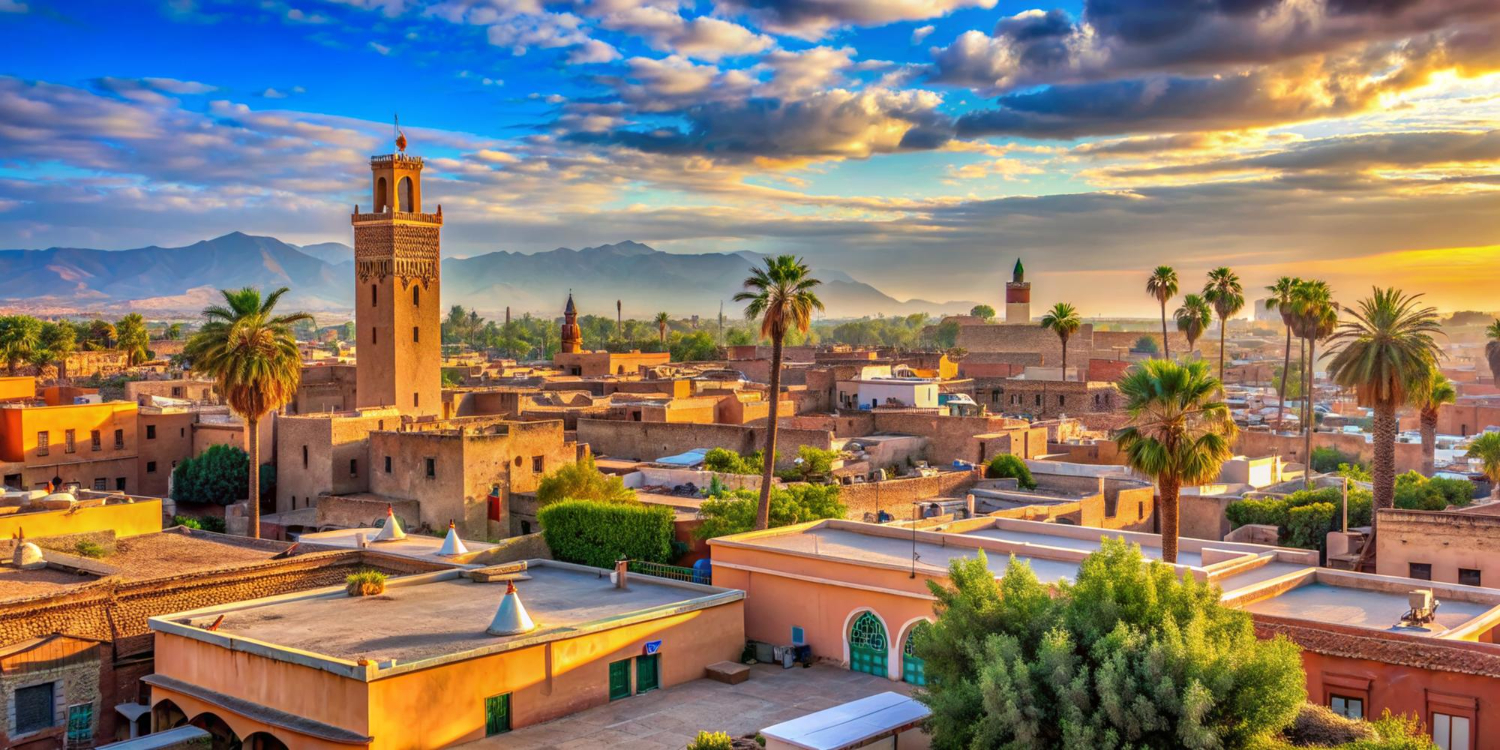
Morocco is a land of vibrant landscapes and profound cultural traditions. It offers a tapestry of experiences that will captivate your senses. Prepare for an unforgettable journey in 2026.
The warmth of the Moroccan people is legendary, defined by a deep-rooted culture of hospitality. You’ll find that a shared glass of mint tea often leads to insightful stories and a reassuring sense of community.
From the bustling streets of Marrakech to the sweeping dunes of the Sahara Desert, Morocco provides a unique blend of adventure and tranquility. Our comprehensive Morocco travel guide helps you navigate this North African gem with confidence.
Unveiling Morocco’s Imperial Cities
The Imperial Cities of Morocco, including Marrakech, Fes, and Meknes, embody centuries of history and architectural brilliance. You will discover ancient walls, busy markets, and splendid palaces. Each city offers a distinct insight into the nation’s intriguing past, making them essential stops on any Morocco travel guide.
Marrakech: The Red City’s Pulse
Marrakech is often the starting point for visitors, its name evoking images of crowded souks and vibrant energy. The city’s heart is Djemaa el-Fna, a UNESCO World Heritage site. Here, storytellers, musicians, and Moroccan street food stalls create an unforgettable atmosphere. You can wander through the souks of Marrakech, finding handcrafted goods and spices.
Marrakech is also home to architectural wonders like the Bahia Palace and the serene Jardin Majorelle. This garden, revitalized by Yves Saint Laurent, offers a tranquil escape with its striking blue buildings and exotic plants. Staying in a traditional Riad provides an authentic Moroccan experience, often featuring intricate tilework and peaceful courtyards, ideal for luxury Morocco tours.
Fes: A Medieval Masterpiece
Fes is the oldest of the imperial cities and a true cultural heartland. Its medina, Fes el-Bali, is the largest car-free urban district in the world and a UNESCO World Heritage site. You can get lost in its labyrinthine alleys, discovering ancient madrasas and artisan workshops. The Fes medina is a testament to Morocco’s rich cultural heritage.
The Chouara Tannery in Fes is a must-see, offering a glimpse into traditional leather processing. The city’s rich history and deep-rooted Moroccan culture are palpable in every corner. Fes provides a profound immersion into Morocco’s past, making it one of the best cities Morocco has to offer for historical exploration.
Meknes: The Sultan’s City
Meknes, another imperial city, boasts grand architecture from the reign of Sultan Moulay Ismail. Its impressive gates, such as Bab Mansour, showcase exquisite Moroccan architecture. Meknes sightseeing reveals a city with immense historical significance, often less crowded than Marrakech or Fes.
You will find a sense of timelessness here, exploring its vast granaries and royal stables. Meknes offers a quieter, yet equally enriching, experience of Morocco’s imperial legacy, solidifying its place among the essential imperial cities Morocco offers.
Moroccan Cuisine: A Culinary Journey
Moroccan food and cuisine are central to the travel experience, offering rich, aromatic, and deeply satisfying flavors. You will discover dishes that tell stories of ancient trade routes and cultural fusions, making it an essential part of any Morocco travel guide.
Tagine, a slow-cooked stew named after the earthenware pot it is prepared in, is a staple. It comes in many variations, from succulent lamb with prunes to tender chicken with preserved lemons. This iconic dish is a must-try during your visit to Morocco in 2026.
Couscous, often served on Fridays, is another national dish, typically accompanied by vegetables and meat. You will find it prepared with expertise in traditional guest houses and restaurants across the imperial cities of Morocco, including Marrakech and Fes.
Pastilla, a savory-sweet pigeon pie, offers a unique taste adventure. Moreover, the traditional mint tea is more than a beverage; it is a symbol of hospitality and an essential part of Moroccan culture. You will be offered it frequently, a warm welcome everywhere you go, from the bustling souks of Marrakech to the quiet corners of the Fes medina.
Exploring Moroccan street food is an adventure in itself, especially in places like Djemaa el-Fna in Marrakech, a UNESCO World Heritage site, where you can sample a variety of local delicacies. This culinary journey is an integral part of understanding Moroccan culture.
Desert Trips and Sahara Experiences
No visit to Morocco is complete without experiencing the vastness of the Sahara Desert. Morocco desert tours offer an unparalleled adventure, transporting you to a world of golden dunes and starry nights. Merzouga is often considered the gateway to the magnificent Erg Chebbi dunes.
You can embark on exhilarating camel rides across the sandy landscape, witnessing breathtaking Saharan sunrises and sunsets. Many Marrakech desert trips include overnight stays in luxury Sahara camps, complete with comfortable beds and private baths. These camps provide an unforgettable experience under a blanket of stars. You will find a profound sense of peace in the desert’s silence.
For those seeking a deeper dive into the Moroccan desert experience, a Zagora desert tour offers a different perspective, often involving shorter travel times from Marrakech. However, for the truly iconic golden dunes, a Merzouga desert trip is highly recommended. These tours are a highlight of any Morocco itinerary, offering a unique blend of adventure and tranquility that is central to Moroccan culture.
On your way to the dunes, stop at Aït Benhaddou, a striking fortified village and UNESCO site. This ancient earthen stronghold has served as a backdrop for numerous Hollywood epics, offering a breathtaking glimpse into traditional pre-Saharan architecture.
Known as the “Gateway to the Sahara,” Ouarzazate is a cinematic treasure home to the famous Atlas Studios. This desert city serves as a vital bridge between the High Atlas Mountains and the deep dunes of the desert.
Coastal Charms: Essaouira and Casablanca
Beyond the imperial cities and desert, Morocco’s coastal regions offer a different allure. The Atlantic Ocean provides a refreshing contrast to the inland heat, making these cities essential stops on any Morocco travel guide.
Essaouira: The Windy City
Essaouira is a relaxing port city known for its laid-back atmosphere and UNESCO-listed medina. It is often branded as the ‘Windy City,’ making it popular for water sports like kitesurfing. You can explore its ancient fortifications, stroll along its sandy beaches, or enjoy fresh seafood by the harbor. Essaouira provides a refreshing break from the bustling souks of Marrakech and the historic Fes medina.
In Essaouira, Riad Kafila offers an evocative stay with stunning ocean views from its rooftop terrace. This beautifully restored home provides a reassuring blend of traditional Moroccan style and coastal tranquility.
Casablanca: Modernity Meets Tradition
Casablanca is Morocco’s economic hub and a city of contrasts. It blends Art Deco architecture with significant religious landmarks. The Hassan II Mosque is its most iconic structure, one of the world’s largest mosques with a towering minaret. You can witness its grandeur, which stands proudly on the Atlantic coast. Casablanca offers a glimpse into modern Moroccan life while honoring its heritage, a perfect complement to any visit to Morocco in 2026 itinerary.
Other Notable Destinations
Chefchaouen: The Blue Pearl
Nestled in the Rif Mountains, Chefchaouen is renowned for its striking blue-painted buildings. Walking through its narrow, winding streets feels like stepping into a dream. You will find tranquility and unique photo opportunities around every corner. It is a perfect spot for relaxation and soaking in local charm, a true jewel in your Morocco travel guide for 2026.
Chefchaouen, famously known as the Blue City, captivates travelers with its sapphire-washed walls and serene mountain air. This iconic destination offers a peaceful, expert-approved retreat for those seeking Morocco’s most photogenic and tranquil landscapes.
Often called “Little Switzerland,” Ifrane surprises visitors with its alpine-style architecture and cedar forests. Located in the Middle Atlas, this clean, tranquil town offers a refreshing mountain climate and a unique contrast to the desert heat.
For a brush with nature, visit the cedar forests of Azrou, where you can spot wild Barbary macaques. This peaceful Middle Atlas destination offers a refreshing, expert-led detour into Morocco’s verdant high-altitude landscapes.
For a serene Mediterranean escape, Al Hoceima offers stunning turquoise waters and secluded coves. This coastal gem is perfect for travelers seeking a quieter pace and pristine beaches away from the Atlantic winds.
Nature lovers should venture to Al Hoceima National Park, where dramatic limestone cliffs meet the Mediterranean. This protected sanctuary offers pristine hiking trails and a chance to spot the rare Osprey in its rugged, coastal habitat.
For a hidden gem on the Mediterranean coast, El Jebha offers a stunning combination of white-washed buildings and dramatic limestone cliffs. This peaceful fishing village is the perfect spot for travelers looking to escape the crowds and enjoy crystal-clear waters.
Rabat: The Capital’s Elegance
Rabat, the modern capital of Morocco, combines historical sites with contemporary living. You can visit the Hassan Tower, an unfinished minaret of an ancient mosque, and the nearby Mausoleum of Mohammed V. The Kasbah of the Udayas offers stunning views of the Atlantic Ocean and a glimpse into Rabat’s fortified past. It is a city of elegance and rich cultural heritage, showcasing exquisite Moroccan architecture.
Tangier: Gateway to Africa
Tangier, located at the Strait of Gibraltar, has long been a crossroads of cultures. Its rich history as an international city is evident in its architecture and atmosphere. You can explore its bustling medina, visit the Kasbah, and enjoy panoramic views of the sea. Tangier serves as a fascinating entry point to Morocco, reflecting centuries of diverse influences and making it one of the best cities Morocco has to offer.
Often referred to as the “White Dove,” Tétouan is a stunning Andalusian-influenced city with a UNESCO-listed medina. Its unique blend of Spanish and Moroccan heritage offers an evocative, expert-level cultural experience for those seeking authenticity.
For a truly off-the-beaten-path experience, visit Figuig, a stunning eastern oasis surrounded by thousands of date palms. This remote gem offers a tranquil look at traditional Berber life and ancient irrigation systems far from the typical tourist trails.
For an evocative escape into the wild, the Beni Snassen Mountains offer lush forests and dramatic limestone gorges. This tranquil range provides a refreshing, expert-approved alternative for hikers seeking to discover Morocco’s rugged northeastern beauty.
Accommodation in Morocco: Riads and Kasbahs
For an authentic Moroccan experience during your visit to Morocco in 2026, consider staying in a traditional Riad or a restored Kasbah. Riads are traditional Moroccan houses or palaces, often found within the Fes medina or the vibrant souks of Marrakech, featuring interior gardens or courtyards. They offer a serene escape from the lively streets, providing tranquility and a unique insight into Moroccan architecture and culture.
Many Riads operate as boutique hotels, offering luxury Morocco tours with personalized service, making them a highlight of any Morocco itinerary. Imagine relaxing in a peaceful courtyard after a day exploring the Djemaa el-Fna or the Bahia Palace.
Kasbahs, like the famous Ait Benhaddou, a UNESCO World Heritage site, are ancient fortifications that have been converted into unique guest houses. These traditional guest houses immerse you in Moroccan architecture and hospitality, making your visit truly special. Staying in a Kasbah offers a glimpse into Morocco’s rich historical and cultural heritage, particularly if you are on Marrakech desert trips or a Zagora desert tour.
Essential Morocco Travel Tips for 2026
Planning your visit to Morocco in 2026 requires some practical considerations. Here are some tips for a smooth and enriching journey, ensuring you experience the best cities Morocco has to offer, from the bustling souks of Marrakech to the historic Fes medina.
Best Time to Visit Morocco
The sweet spots for visiting Morocco are spring (March to May) and autumn (September to November). These shoulder seasons offer temperate weather, ideal for exploring imperial cities of Morocco like Marrakech and Fes, or undertaking an Atlas Mountains tour. Summers (June to August) are best for coastal tourism in places like Essaouira, while winters (December to February) can be cold, especially during a Merzouga desert trip at night.
Moroccan Cultural Etiquette
Respect for local customs is paramount when experiencing Moroccan culture. Dress modestly, especially when visiting religious landmarks and ancient fortifications. Always ask for permission before taking photos of people. Haggling is common in traditional markets and souks, so embrace it as part of the experience. Politeness and patience go a long way, particularly in the vibrant Djemaa el-Fna square.
Transportation and Navigation
When considering travel logistics for your Morocco itinerary, you can opt for self-driving, but guided Morocco desert tours are highly recommended, especially for experiences like a Zagora desert tour. Public transport, such as trains and buses, connects major cities like Rabat, Casablanca, and Tangier. Within medinas, urban navigation is often on foot, as many, including Fes el-Bali, are car-free. This offers a unique opportunity to appreciate Moroccan architecture.
Currency and Payments
The local currency is the Moroccan Dirham. While credit cards are accepted in larger establishments, cash is essential for traditional markets and smaller vendors. ATMs are widely available in cities like Marrakech and Fes. It is always wise to carry small denominations for convenience, especially when navigating the souks of Marrakech or buying Moroccan street food.
Morocco’s Diverse Experiences at a Glance
Morocco is an all-sensory adventure, offering a tapestry of experiences from bustling Marrakech to the serene Sahara Desert. You can immerse yourself in centuries of history and culture. This amazing combination of experiences makes it one of the best places to visit among travelers worldwide.
Here is a quick overview of what Morocco offers, helping you plan your ideal Morocco itinerary for 2026.
| Category | Highlights | Recommended Cities/Regions |
|---|---|---|
| Imperial Cities | Historical sites, UNESCO World Heritage, vibrant markets | Marrakech, Fes, Meknes, Rabat |
| Desert Adventures | Camel rides, luxury camps, Saharan sunsets/sunrises | Merzouga (Erg Chebbi), Zagora desert tour |
| Coastal Escapes | Beaches, water sports, fresh seafood, ancient fortifications | Essaouira, Casablanca, Tangier |
| Cultural Immersion | Traditional Riads, handicraft workshops, Moroccan cuisine, mint tea | Fes el-Bali, Djemaa el-Fna, local souks |
| Mountain Retreats | Hiking, Berber villages, scenic landscapes | Rif Mountains, Atlas Mountains |
Discover Morocco’s Imperial Cities
The imperial cities Morocco offers, including Marrakech, Fes, Meknes, and Rabat, embody centuries of rich history, stunning architecture, and vibrant culture. Marrakech is home to the famous Djemaa el-Fna square, a UNESCO World Heritage site and a bustling hub of Moroccan culture. Here, you can experience the souks of Marrakech, explore the Jardin Majorelle, or marvel at the Bahia Palace.
Fes boasts Fes el-Bali, its ancient medina, which is the largest car-free urban district globally. It’s a maze of narrow alleyways, traditional guest houses, and historical sites like the Chouara Tannery. Meknes, another imperial city, showcases the grandeur of Sultan Moulay Ismail, with its impressive Bab Mansour gate. Rabat, the modern capital, offers the Hassan Tower and the Mausoleum of Mohammed V, blending historical significance with contemporary life.
Experience Morocco Desert Tours and Sahara Adventures
For an unforgettable Morocco desert tour, venture into the Sahara Desert. Merzouga is often considered the gateway to the breathtaking Erg Chebbi dunes, offering iconic camel rides and mesmerizing Saharan sunrises and sunsets. Many Marrakech desert trips include overnight stays in luxury Sahara camps, complete with comfortable beds and private baths, providing a truly tranquil escape under a blanket of stars.
Whether you opt for a Zagora desert tour or a Merzouga desert trip, these adventures are a highlight of any Morocco itinerary. They offer a unique blend of adventure and inner peace, making them essential for those seeking luxury Morocco tours.
Savor Moroccan Food and Cuisine
Moroccan cuisine is an integral part of the travel to Morocco experience. You must try dishes like Tagine, a slow-cooked stew, and Couscous, the national dish, often served with vegetables and meat. Pastilla, a savory-sweet pie, is another culinary delight. The traditional mint tea, served with hospitality and ceremony, is more than just a drink; it’s a symbol of Moroccan culture and an essential part of daily life.
Exploring Moroccan street food in the Djemaa el-Fna or enjoying a meal in a traditional Riad provides an authentic taste of the country’s rich culinary heritage. These experiences offer a deep dive into the local traditions and flavors.
Embrace Coastal Escapes and Ancient Fortifications
Morocco’s coastline along the Atlantic Ocean offers charming coastal escapes. Essaouira, a UNESCO-listed medina, is known as the “Windy City,” making it a haven for water sports like kitesurfing. This relaxing port city offers fresh seafood and ancient fortifications, perfect for a tranquil retreat.
Casablanca, Morocco’s economic hub, features the majestic Hassan II Mosque, one of the world’s largest mosques with a towering minaret, and impressive Art Deco architecture. Tangier provides a vibrant mix of cultures and stunning views of the Strait of Gibraltar, while Chefchaouen, though not coastal, offers a unique blue-hued mountain retreat that complements the coastal experience.
Indulge in Luxury and Cultural Accommodation
For an authentic Moroccan experience, consider staying in traditional Riads, restored palaces, or Kasbahs. These traditional guest houses, often found within the Fes medina or Marrakech, provide a glimpse into Moroccan architecture and hospitality. The Jardin Majorelle and Bahia Palace in Marrakech are prime examples of the intricate beauty you can find.
Staying in a traditional Riad offers a serene oasis amidst the bustling cities. Kasbahs like Ait Benhaddou offer a historical stay, allowing you to immerse yourself fully in the cultural heritage of Morocco. These accommodations are central to experiencing the true essence of Moroccan culture and are often a highlight of luxury Morocco tours.
Frequently Asked Questions About Traveling in Morocco
What are the must-visit cities in Morocco?
For an authentic Morocco travel guide experience, you simply must explore the country’s imperial cities. Marrakech captivates with its vibrant energy, epitomized by the bustling Djemaa el-Fna square, a UNESCO World Heritage site.
Fes, home to the ancient Fes el-Bali medina and the iconic Chouara Tannery, offers a profound dive into Moroccan culture and history. Don’t miss Meknes, another imperial city, known for its grand Bab Mansour gate and the legacy of Sultan Moulay Ismail. Chefchaouen enchants with its unique blue architecture nestled in the Rif Mountains, while Rabat and Essaouira offer distinct coastal charms.
How long should I plan for a Morocco desert trip?
A 3-day desert tour from Marrakech to Merzouga is highly recommended for an unforgettable Sahara Desert experience. This allows ample time for camel treks across the Erg Chebbi dunes, exploring the vast landscapes, and enjoying an overnight stay in a luxury desert camp, complete with beds and private baths. You’ll witness breathtaking Saharan sunrises and sunsets, a highlight of any Marrakech desert trip.
For those seeking a shorter adventure, a Zagora desert tour offers a taste of the desert closer to Marrakech.
Is it safe to travel to Morocco in 2026?
Yes, Morocco is generally safe for tourists, making it a reassuring destination for your 2026 visit. It is always wise to exercise caution, especially in crowded areas like the souks of Marrakech, and be aware of your surroundings. Following local customs and respecting Moroccan culture also enhances your safety and overall experience.
What traditional Moroccan dishes should I try?
No Morocco travel guide is complete without a culinary journey. You should definitely try Tagine and Couscous, the national dishes, which are central to Moroccan cuisine. Also, sample Pastilla, a savory-sweet pie that offers a unique flavor profile. Enjoy the ubiquitous Moroccan mint tea, a symbol of hospitality, throughout your travels. Do not forget to indulge in the delicious Moroccan street food found in places like Djemaa el-Fna, offering a true taste of local life.
For an intimate taste of local hospitality, dine at Chez Zak. This hidden gem offers expertly prepared traditional dishes that embody the practical and evocative essence of Moroccan home cooking.
What kind of accommodation can I expect in Morocco?
Morocco offers a diverse range of accommodations, catering to every preference for your Morocco itinerary. From modern hotels to traditional Riads and Kasbahs, you’ll find options that immerse you in the local charm. Staying in a traditional Riad, often a restored palace or house with a beautiful courtyard, provides an authentic experience with personalized service.
Luxury Morocco tours also feature high-quality desert camps for unparalleled stargazing experiences. For a glimpse into historical architecture, consider visiting or staying near landmarks like Bahia Palace or Jardin Majorelle in Marrakech.
Leave a Reply