
TImagine stepping into the vibrant, fantastical worlds of your favorite anime. What if these dreamscapes were not just animated, but tangible places you could visit?
Japan offers a treasure trove of real-life locations that have inspired iconic anime scenes, turning fictional narratives into immersive travel experiences. This guide will help you embark on your own anime pilgrimage, blending cultural immersion with the thrill of recognizing familiar settings.
Popular Anime Locations in Tokyo: Your Ultimate Itinerary
Tokyo, a bustling metropolis, serves as the backdrop for countless anime series. Imagine stepping into these vibrant scenes! Planning a Tokyo itinerary focused on anime tourism allows you to connect with Japanese culture on a deeper, more personal level. From the charming streets of Azabu-Juban to the historic lanes of Asakusa, you can trace the steps of beloved characters.
Anime fans will find Tokyo an absolute delight, offering an unparalleled anime pilgrimage experience.
Azabu-Juban: The Heart of Sailor Moon
For fans of Naoko Takeuchi’s timeless series, Sailor Moon, Azabu-Juban in Minato Ward is a mandatory stop. This charming neighborhood faithfully recreates the magic of the anime, allowing you to walk through familiar streets.
You can start your journey at Azabu-Juban Station, a central point for exploring the area. The Kimi-chan statue, a symbol of mother-child love, is also a recognizable landmark featured in the series. Patio-Juban, a quaint shopping street, mirrors the anime’s depictions of local life, making it a perfect real-life anime setting.
Hikawa Shrine: Sailor Mars’ Sanctuary
No Sailor Moon pilgrimage is complete without a visit to Hikawa Shrine. This shrine in Tokyo is widely recognized as the real-life inspiration for Rei Hino, or Sailor Mars’, family temple. It offers a serene escape from the city’s hustle, allowing you to experience traditional Japanese culture.
Remember to observe Japanese shrine etiquette. Bow before entering and exiting the torii gate, cleanse your hands and mouth at the purification fountain, and offer a small prayer. You can also purchase traditional amulets or write wishes on wooden votive tablets, known as ’ema’. This cultural immersion is a key part of your anime-inspired itinerary.
Asakusa: Demon Slayer’s Historic Setting
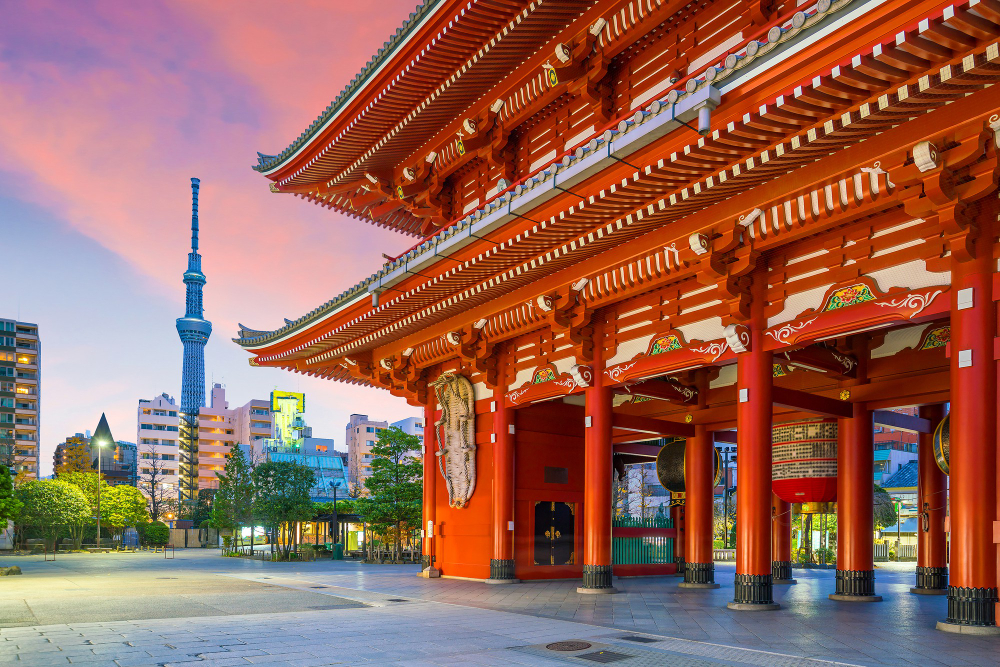
Step into the Taisho era with a visit to Asakusa, a district that beautifully captures the atmosphere of Demon Slayer. The Nakamise Shopping Street, leading up to the majestic Senso-ji Temple, echoes the bustling market scenes from the anime.
This area provides a rich cultural immersion, offering traditional snacks, souvenirs, and a glimpse into old Tokyo. You will find yourself transported back in time, imagining Tanjiro Kamado walking these very streets. The vibrant energy and historical architecture make it a prime location for anime tourism Japan.
Shibuya and Shinjuku: Modern Anime Hubs
For fans of contemporary anime, Shibuya and Shinjuku are essential anime locations in Tokyo. Shibuya Crossing, an iconic Tokyo landmark, has appeared in numerous series, including Jujutsu Kaisen. Teen Vogue and Crunchyroll have both highlighted its significance in modern anime.
Shinjuku, with its towering skyscrapers and vibrant nightlife, is often featured in anime like Tokyo Ghoul and Your Name, with the Suga Shrine staircase being a famous spot from the latter. These districts showcase the dynamic, modern side of Tokyo and its deep connection to current anime trends, making them key stops on any anime travel guide.
Beyond the historic shrines, Odaiba offers a futuristic escape where fans can witness the life-sized Unicorn Gundam statue. This high-tech island frequently appears in series like Digimon Adventure and Love Live!, providing a perfect blend of coastal views and modern anime wonder.
Connecting Anime Scenes and Real Locations
The magic of an anime pilgrimage lies in recognizing familiar scenes from your favorite series in real-life Tokyo settings. For instance, the exact layout of Hikawa Shrine perfectly matches its depiction as Sailor Mars’ sanctuary in Sailor Moon Crystal. Similarly, the bustling Shibuya Crossing, a setting for intense battles in Jujutsu Kaisen, mirrors its animated counterpart down to the last detail.
This authentic sightseeing experience, often highlighted by experts like Gita Rebbapragada, deepens your appreciation for both the animation and the city. Toei Animation has masterfully brought these Tokyo landmarks to life, making the connection between anime scenes and real locations incredibly strong.
Practical Travel Tips for Your Anime Pilgrimage
To maximize your anime pilgrimage, consider some practical Japan travel tips. Many key anime locations, like Azabu-Juban Station, are easily accessible via Tokyo’s efficient metro system. Plan your Tokyo itinerary to group nearby sites together, such as Azabu-Juban and Hikawa Shrine in Minato Ward, to save time.
Visiting during weekdays can help avoid crowds, especially at popular spots like Nakamise Shopping Street. Remember to carry a portable Wi-Fi device for easy navigation and to share your anime-inspired itinerary instantly. Always observe local customs, especially at sacred sites, to ensure a respectful and rewarding experience.
For more insights into Japanese culture and anime tourism, consider exploring resources like Crunchyroll, a hub for anime fans and news, including highlights from the Crunchyroll Anime Awards.
Specific Landmarks from Anime Series: A Detailed Look at Anime Tourism Japan
Many anime series draw direct inspiration from real-world landmarks, making an anime travel guide an exciting adventure. The faithful recreation of these settings enhances the viewer’s connection to the story and makes an anime-inspired itinerary truly special for anime fans.
The Suga Shrine Staircase from Your Name
The poignant Suga Shrine staircase in Shinjuku is instantly recognizable to fans of Makoto Shinkai’s “Your Name.” This specific landmark provides a powerful link to the film’s emotional climax. Visiting it allows you to stand in the very spot where Taki and Mitsuha finally meet, creating a memorable experience for anime fans on their anime pilgrimage. This is a prime example of real-life anime settings.
It is a testament to how animation settings can capture the essence of Japanese heritage sites, offering a unique blend of pop culture travel and cultural immersion.
Ookawaso in Ashinomaki Onsen: The Infinity Castle from Demon Slayer
While not in Tokyo, Ookawaso, a traditional Japanese inn in Ashinomaki Onsen, Fukushima Prefecture, is a stunning real-life counterpart to the Infinity Castle from Demon Slayer: Kimetsu no Yaiba.
Its intricate, multi-tiered staircases evoke the anime’s labyrinthine antagonist’s residence. Though smaller, the architectural grandeur offers a profound connection to the series. This destination demonstrates the breadth of anime locations beyond Tokyo.
For fans embarking on an anime pilgrimage, Ookawaso provides a unique opportunity to connect with Demon Slayer outside of Tokyo, showcasing the diverse anime locations Japan has to offer.
Bridging Fiction and Reality: The Magic of Anime in Real-Life Tokyo
The allure of anime isn’t just in its fantastical narratives; it’s also in its deep roots in reality. Anime creators often meticulously study real-life locations, seamlessly weaving their details into animated masterpieces. This creates a powerful resonance for anime fans who embark on an anime pilgrimage to these real-life anime settings.
For instance, comparing scenes from Sailor Moon Crystal to the actual Azabu-Juban neighborhood in Minato Ward reveals an astonishing level of detail. The familiar shops, bustling street corners, and the unique atmosphere of Azabu-Juban are faithfully reproduced. This connection transforms an anime travel guide into a uniquely immersive form of pop culture travel, making an anime-inspired itinerary truly special.
“Anime is a portal into a different culture. It gets people really interested in Japanese culture or [simply] exposed to it, especially young people. It’s so incredible the way that [anime] just opens hearts and minds to other cultures and other ways of living, eating, and looking, and all of that.” , Gita Rebbapragada, Crunchyroll’s Chief Operating Officer, told Teen Vogue.
This dedication to accuracy extends beyond Sailor Moon. Many popular anime locations in Tokyo, from the bustling streets of Shibuya featured in Jujutsu Kaisen to the historic charm of Asakusa, crucial for Demon Slayer, are directly inspired by Tokyo landmarks. An anime pilgrimage allows you to step into these worlds, recognizing iconic spots like the Azabu-Juban Station or the Hikawa Shrine, a key location for Sailor Mars in Sailor Moon.
For anime fans planning to travel to Japan, integrating these real-life anime settings into your Tokyo itinerary offers a deeper cultural immersion. You can walk the same paths as your favorite characters, experiencing the vibrant energy of Minato Ward or the tranquility of a Japanese shrine in Tokyo. This connection to the animation settings makes anime tourism Japan an unforgettable experience, bridging the gap between imagination and reality.
Cultural Significance of Anime Locations in Tokyo: More Than Just Scenery
Beyond their visual appeal, many real-life anime settings in Tokyo hold deep cultural significance. Understanding this context enriches your anime pilgrimage, transforming a simple sightseeing trip into a journey of profound cultural immersion, especially when you consider an anime-inspired itinerary across Minato Ward and Azabu-Juban.
Shrine Etiquette and Spiritual Practices at Hikawa Shrine
When visiting shrines like the Hikawa Shrine, famously featured in Sailor Moon Crystal, you are not just seeing a landmark; you are engaging with centuries of Japanese spiritual practice. Observing proper Japanese shrine etiquette, such as bowing and purifying yourself, shows respect for these sacred sites.
You can also witness traditional practices like offering prayers or purchasing omamori, protective amulets, which are integral to Japanese culture. This offers a window into the daily lives and beliefs of many Japanese people.
For anime fans embarking on an anime pilgrimage, understanding these nuances at Hikawa Shrine, a key location for Sailor Mars, deepens the connection to the series and Japanese heritage sites. It’s an essential stop on any anime travel guide for Tokyo.
The Kimi-chan Statue: A Symbol of Love in Azabu-Juban
The Kimi-chan statue in Azabu-Juban, a vibrant neighborhood accessible via Azabu-Juban Station, while a fun anime reference for Sailor Moon fans and a nod to creator Naoko Takeuchi, also carries a broader cultural meaning. It symbolizes the bond between a mother and child, representing universal themes of love and family.
Recognizing these deeper meanings enhances your appreciation for both the anime and the rich Japanese culture that inspired it. This iconic statue is a beloved Tokyo landmark and a critical stop for anyone following a Sailor Moon themed sightseeing tour.
Incorporating these real-life anime settings into your Tokyo itinerary offers a unique blend of pop culture travel and genuine cultural immersion. From the spiritual practices at a shrine in Tokyo to the heartwarming symbolism of Azabu-Juban’s Kimi-chan statue, these anime locations provide a comprehensive view of Japan.
Practical Travel Tips for Anime Pilgrimages
Planning an anime pilgrimage requires some practical considerations to ensure a smooth and enjoyable trip. Effective planning will allow you to maximize your time and experience everything these incredible anime locations Tokyo have to offer.
Navigating Tokyo: Metro Lines and Station Exits
Tokyo’s extensive metro system is your best friend for anime tourism. Researching specific metro lines and station exits for each location will save you valuable time. For instance, knowing the correct exit for Azabu-Juban Station can make a big difference in finding your way quickly. Utilizing apps like Google Maps for public transport navigation is highly recommended for any Tokyo itinerary.
Timing Your Visits for a Tranquil Experience
Consider the timing of your visits. Popular spots like Nakamise Shopping Street in Asakusa can get very crowded, especially on weekends. Visiting early in the morning or later in the evening might offer a more tranquil experience. Conversely, some locations, like Shibuya Crossing, are best experienced during peak hours to fully appreciate their iconic vibrancy, as seen in anime like Jujutsu Kaisen.
You can also consider visiting during the Crunchyroll Anime Awards season, as mentioned by Teen Vogue, to potentially catch special events and immerse yourself in anime culture. This is a great tip for anime fans looking to enhance their Japan travel.
Respectful Behavior and Sightseeing Logistics
Remember to always be respectful of local customs and residents. While taking photos is encouraged, be mindful of private property and avoid causing disturbances, especially at sacred sites like Hikawa Shrine. For popular anime locations, be prepared for crowds and allow ample time for travel between sites, particularly when navigating Minato Ward. An anime travel guide should always emphasize polite conduct and an understanding of Japanese culture.
Deep Dive into Specific Tokyo Anime Locations
Many real-life anime settings in Tokyo hold deep cultural significance, transforming a simple sightseeing trip into a journey of profound cultural immersion. For example, Azabu-Juban is famously known for inspiring numerous Sailor Moon locations. Fans can visit Azabu-Juban Station and seek out the Kimi-chan statue, which holds a special place in the hearts of those who appreciate Naoko Takeuchi’s work.
Hikawa Shrine, another critical entity, is not just a beautiful shrine in Tokyo but also a significant site for Sailor Mars. Understanding shrine etiquette and spiritual practices here enriches your anime pilgrimage. Similarly, Nakamise Shopping Street, leading to Senso-ji Temple in Asakusa, is a key location for Demon Slayer fans, offering a glimpse into traditional Japanese heritage sites and bustling pop culture travel.
Beyond Sailor Moon and Demon Slayer, other iconic Tokyo landmarks serve as real-life anime settings. Shibuya Crossing is instantly recognizable from Jujutsu Kaisen, while Shinjuku features prominently in Tokyo Ghoul. Even the Imperial Palace and Tokyo Tower have appeared in various animation settings, making them essential stops on an anime-inspired itinerary. An anime pilgrimage truly allows you to see Tokyo through a unique lens, blending modern urban landscapes with fantastical dreamscapes.
Popular Anime Locations in Tokyo: Your Real-Life Anime Dream Destinations
Embarking on an anime pilgrimage to Tokyo is an immersive experience, allowing anime fans to step directly into the scenes they cherish. This guide offers a comprehensive look at key real-life anime settings across Tokyo, transforming your travel to Japan into an unforgettable adventure. From Azabu-Juban to Shibuya Crossing, prepare to explore the anime locations Tokyo has to offer.
Specific Landmarks from Anime Series: A Detailed Look
Many iconic anime series draw inspiration from tangible Tokyo landmarks, creating a unique blend of fiction and reality. Understanding these connections is crucial for any anime-inspired itinerary. Here’s a detailed comparison of popular anime series and their real-life counterparts, perfect for planning your Tokyo itinerary.
| Anime Series | Real-Life Location | Key Landmark/Feature |
|---|---|---|
| Sailor Moon | Azabu-Juban, Minato Ward, Tokyo | Azabu-Juban Station, Hikawa Shrine, Kimi-chan Statue, Patio-Juban |
| Demon Slayer | Asakusa, Tokyo | Nakamise Shopping Street, Senso-ji Temple |
| Your Name | Shinjuku, Tokyo | Suga Shrine Staircase |
| Jujutsu Kaisen | Shibuya, Tokyo | Shibuya Crossing |
| Tokyo Ghoul | Shinjuku, Tokyo | Various urban settings |
| Spirited Away | Shima Onsen (inspiration) | Sekizenkan Ryokan |
Sailor Moon’s Azabu-Juban: A Magical Minato Ward Journey
For fans of Naoko Takeuchi’s “Sailor Moon,” Azabu-Juban in Minato Ward is a cornerstone of any anime pilgrimage. This vibrant neighborhood served as the primary setting for Usagi Tsukino and her fellow Sailor Guardians. Key Sailor Moon locations include Azabu-Juban Station, a central hub for exploring, and the iconic Hikawa Shrine, which inspired Rei Hino’s (Sailor Mars) family shrine.
You can also find the Kimi-chan Statue and Patio-Juban, all integral to the series’ charm. Teen Vogue and Crunchyroll have both highlighted the significance of Azabu-Juban for anime tourism Japan, particularly for fans revisiting “Sailor Moon Crystal” or the original Toei Animation series.
Demon Slayer’s Asakusa: Echoes of Taisho-Era Tokyo
Step into the Taisho-era world of “Demon Slayer” by visiting Asakusa, one of Tokyo’s most historic districts. The bustling Nakamise Shopping Street and the majestic Senso-ji Temple are instantly recognizable to fans.
While the anime features a slightly stylized version, the atmosphere and architecture of Asakusa provide a strong connection to Tanjiro Kamado’s early adventures. This area offers a unique opportunity for cultural immersion, allowing you to experience traditional Japanese culture alongside your anime-inspired itinerary.
Your Name’s Shinjuku: The Suga Shrine Staircase and Beyond
“Your Name” captivated audiences with its poignant story and stunning animation, much of which drew inspiration from Shinjuku, Tokyo. The most famous real-life anime setting is undoubtedly the Suga Shrine Staircase, a pivotal meeting place for the protagonists.
Recreating the iconic scene here is a must for any anime travel guide. Shinjuku also offers various urban settings that match the film’s broader cityscape, making it a crucial stop for anime fans seeking to connect with this beloved movie.
Jujutsu Kaisen’s Shibuya: The Heart of the Action
Fans of “Jujutsu Kaisen” will immediately recognize Shibuya, Tokyo, particularly the world-famous Shibuya Crossing. This bustling intersection is a central location for many of the series’ intense battles and dramatic moments.
No anime pilgrimage is complete without visiting Akihabara, the world’s premier hub for otaku culture. Known as Electric Town, this vibrant district offers an expert blend of neon-lit electronics shops and multi-story manga archives that define the modern anime fan experience.
Experiencing the energy of Shibuya Crossing firsthand, imagining Yuji Itadori and his companions navigating the crowds, provides an exhilarating connection to the anime. Shibuya’s dynamic urban landscape perfectly reflects the show’s modern, action-packed narrative.
Tokyo Ghoul’s Shinjuku: Dark Urban Realism
“Tokyo Ghoul” immerses viewers in a darker, more gritty Tokyo, and many of its settings are inspired by Shinjuku. The district’s labyrinthine streets, towering skyscrapers, and hidden alleyways provide the perfect backdrop for the series’ narrative.
While there isn’t one single landmark, exploring Shinjuku’s various urban settings allows fans to feel the oppressive atmosphere and hidden dangers that protagonist Ken Kaneki faced. This makes Shinjuku an essential part of an anime pilgrimage for those who appreciate the series’ unique aesthetic.
Cultural Significance of Locations: Beyond the Anime Screen
Beyond their animated appearances, these real-life anime settings also hold deep cultural significance. For instance, the Hikawa Shrine in Azabu-Juban is not just a Sailor Moon location; it’s a functioning shrine in Tokyo where visitors can observe traditional Japanese shrine etiquette, purchase traditional amulets, or write wishes on wooden votive tablets (ema).
Similarly, the Kimi-chan Statue in Azabu-Juban, while a Sailor Moon Easter egg, also represents a heartwarming tale of a lost child, symbolizing mother-child love. Understanding these cultural layers enhances your anime tourism Japan experience, offering a deeper connection to Japanese culture and heritage sites.
The Relation Between Anime Scenes and Real Locations: A Visual Journey
One of the most thrilling aspects of an anime pilgrimage is the direct comparison between animated scenes and their real-life Tokyo landmarks. Competitors often provide side-by-side comparisons, showcasing how precisely studios like Toei Animation recreate specific locations. Imagine standing at the Suga Shrine Staircase and recalling the emotional climax of “Your Name,” or gazing at the Nakamise Shopping Street and envisioning the Taisho-era hustle of “Demon Slayer.”
These authentic sightseeing opportunities truly bring the anime to life, deepening fan engagement and offering a unique perspective on the artistry behind your favorite series. Gita Rebbapragada of Crunchyroll Anime Awards often highlights the meticulous detail in these real-life anime settings.
For a coastal escape, visit the picturesque port town of Tomonoura, which served as the primary inspiration for Studio Ghibli’s Ponyo. Walking through its preserved Edo-period streets offers a reassuring sense of peace, perfectly mirroring the film’s evocative seaside charm and whimsical atmosphere.
Frequently Asked Questions About Anime Pilgrimages
What is an anime pilgrimage?
An anime pilgrimage is a captivating journey where anime fans visit real-life locations across Japan that have inspired scenes or settings in their favorite anime series. This unique form of pop culture travel allows for a deeper connection to the animated world and offers profound cultural immersion into Japanese culture.
Are all anime locations in Tokyo?
While Tokyo, with its numerous iconic Tokyo landmarks, is a major hub for anime locations, many other places across Japan have also inspired anime. For instance, you can find the inspiration for Demon Slayer in Ookawaso, Fukushima, and the serene Arashiyama Bamboo Forest in Kyoto, which features prominently in Fruits Basket. This highlights the diverse landscapes available for an anime pilgrimage beyond just Tokyo.
For those traveling to Kyoto, the golden reflection of Kinkaku-ji offers a breathtaking real-life anime aesthetic. This Zen temple’s shimmering pavilion often serves as the visual archetype for opulent estate settings in historical and supernatural series.
How can I plan an efficient anime-inspired itinerary?
To plan an efficient anime-inspired itinerary, strategically group locations by geographical area. Tokyo’s excellent public transportation system is your best friend; utilize specific metro lines and research station exits for seamless travel. Consider visiting popular spots during off-peak hours to avoid crowds.
Online resources, dedicated anime travel guides, and even platforms like Crunchyroll can be incredibly helpful for planning your comprehensive Tokyo itinerary and beyond.
What should I know about Japanese shrine etiquette?
When visiting a Japanese shrine like Hikawa Shrine, a significant Sailor Moon location, observing proper Japanese Shrine Etiquette is essential. Bow respectfully before entering and exiting the torii gate.
Use the purification fountain, known as a temizuya, to cleanse your hands and mouth. You can offer a small monetary donation at the main hall and clap twice before bowing to pray. Always be respectful and mindful of others enjoying these sacred Japanese Heritage Sites.
Is anime tourism popular in Japan?
Yes, anime tourism is booming in Japan, attracting countless international visitors interested in Japanese pop culture. This unique form of themed sightseeing provides a compelling way to explore the country’s diverse landscapes and vibrant cities.
The cultural impact of anime globally is widely recognized, with organizations like UNICEF acknowledging its influence, and events such as the Crunchyroll Anime Awards celebrating its artistry and reach. An anime pilgrimage offers an unparalleled cultural immersion experience.
For a truly mystical experience, journey to the ancient forests of Yakushima. This UNESCO World Heritage site served as the direct inspiration for the lush, moss-covered landscapes in *Princess Mononoke*, offering a serene space for spiritual wellness and nature photography.
Leave a Reply