
Embark on a journey to discover Russia’s breathtaking winter wonderlands. This guide offers expert insights into seven captivating destinations, ensuring your tranquil escape is both inspiring and well-prepared. Russia in winter promises serene landscapes and unique cultural experiences.
You will find that the country transforms into a magical realm. From snow-dusted cities to frozen lakes, each location offers a distinct charm. Prepare to be enchanted by the beauty of Russian nature.
A winter visit to St Petersburg offers a reassuring blend of grand history and cozy indulgence. The city’s world-class museums and snow-dusted palaces provide a practical yet evocative escape for those seeking cultural depth in a serene, frost-kissed setting.
St. Petersburg in Winter: A Literary Dream
St. Petersburg truly embodies the spirit of a Russian winter wonderland. As the cultural capital, it transforms into a serene, less crowded city. Imagine strolling along snow-covered streets, past frost-iced street lamps, with the Griboyedov Canal frozen solid.
This romantic atmosphere, often depicted in classic Russian literature by authors like Dostoevsky and Tolstoy in works such as “Anna Karenina,” creates an unforgettable experience. The city’s famous Russian palaces, including the Winter Palace, look even more majestic under a blanket of snow, inviting you to explore its grand halls.
Lake Baikal: The Frozen Jewel
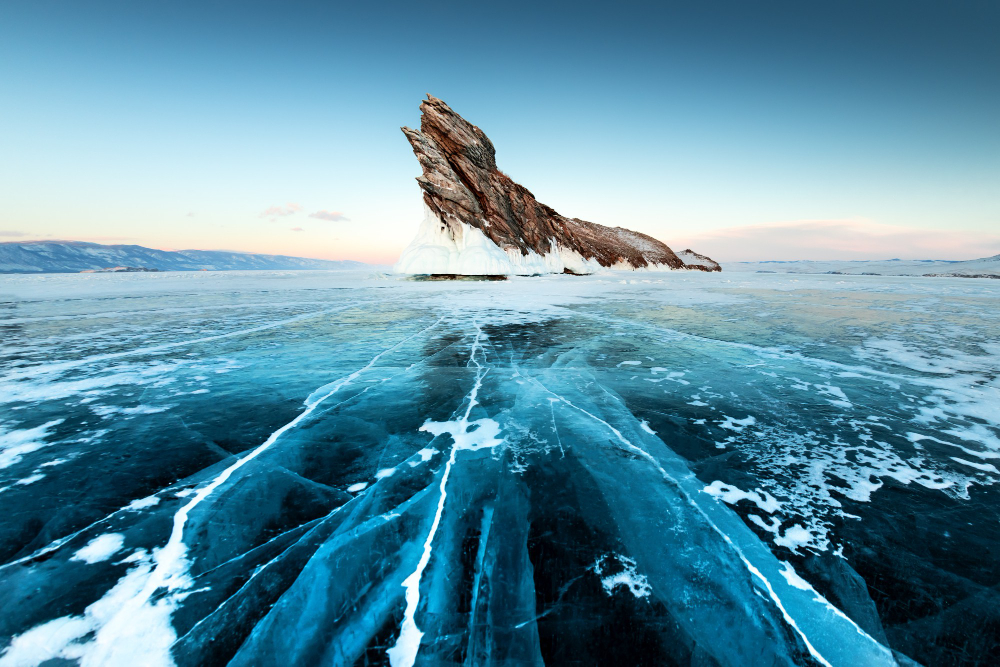
Lake Baikal, the world’s deepest freshwater lake, becomes spectacularly frozen in winter. By February, the ice can reach incredible thicknesses, with temperatures plummeting to -30°C. This makes it an unparalleled destination for ice skating, sledding, and even ice fishing.
The vast expanse of clear, blue ice offers spectacular views. You can enjoy husky sledding or snowmobiling across its surface, staying in cozy log cabins or camping by the lakeside for a truly immersive experience of this UNESCO site.
Yakutia: The Heart of Extreme Cold
For an adventure into the extreme, Yakutia offers a unique winter culture. Known for temperatures as low as -50°C, this region is home to 15% of Earth’s wilderness. Here, activities like reindeer sledding and husky riding are part of daily life.
Tourists can delve into the spiritual world of shamanism or embark on snowmobiling and wilderness explorations amidst unspoiled mountains and tundra. The permafrost landscape creates a surreal and unforgettable backdrop for those seeking an authentic Russian winter experience.
The Golden Ring: Timeless Russian Charm
The towns of the Golden Ring, including Suzdal and Vladimir, become especially picturesque in the Russian winter. Blanket snow and festive decorations enhance the ancient architecture, offering an authentic, pre-Soviet Russian winter experience. These historic towns, easily accessible from Moscow, provide a tranquil escape into Russia’s rich past. Imagine horse-drawn sleigh rides through snow-dusted streets, past centuries-old churches, a scene right out of a Borodin opera.
Karelia: A Landscape of Snow and Lakes
Karelia, bordering Finland, is a breathtaking winter wonderland featuring snow-covered forests and over 60,000 frozen lakes. This region is famous for its traditional wooden architecture and iconic churches, such as those found on Kizhi Island, a UNESCO World Heritage site.
The scenic scenery is often described as resembling a Tolstoy novel, with vast, silent landscapes perfect for snowmobiling, cross-country skiing, and enjoying the pristine Russian nature.
Kola Peninsula: Chasing the Northern Lights
The Kola Peninsula, located within the Arctic Circle, offers some of the best opportunities to witness the aurora borealis. In winter, its tundra, rocky coasts, and remote landscapes provide scenic backdrops for reindeer sledding and aurora viewing.
The abundant snow enhances the visibility and beauty of the Northern Lights, making Murmansk and its surroundings a prime destination for this celestial spectacle. This is a truly magical Russia travel experience.
Kamchatka: Wild Winter Scenery
Kamchatka, with its volcanic peaks, thermal springs, and lush coasts, remains stunning under a blanket of snow. This remote region offers a truly wild winter scenery, where wildlife such as bears and foxes are active even in the colder months.
Accessible skiing and snowmobiling tours allow visitors to explore its dramatic landscapes. Despite its remote location, Kamchatka provides an unparalleled adventure for those seeking an untouched Russian winter wilderness.
Sochi: Winter Sports Without Extreme Cold
For those who love winter sports but prefer milder temperatures, Sochi is an excellent choice. This resort city, famous for hosting the Winter Olympics, boasts year-round skiing at Rosa Khutor, with an average winter temperature of 6-8°C. It’s ideal for enjoying world-class slopes without the extreme cold found in other Russian winter destinations. Sochi offers a unique blend of Black Sea relaxation and thrilling winter sports activities.
Whether you seek the cultural richness of St. Petersburg, the frozen majesty of Lake Baikal, or the extreme adventures of Yakutia, Russia travel in winter promises an unforgettable journey. Each destination offers a distinct charm, inviting you to discover the serene beauty and unique cultural experiences of the Russian winter wonderlands.
For a truly evocative journey, the Trans-Siberian Railway offers a front-row seat to Russia’s vast, snow-covered soul. Watching the endless taiga drift by from a warm carriage is a practical and reassuring way to witness the country’s immense winter scale.
St. Petersburg: A Cultural Capital Transformed
St. Petersburg in winter offers a truly unique experience. Often called Russia’s cultural capital, the city transforms into a serene, less crowded haven. Imagine frozen canals, snow-covered streets, and frost-iced street lamps.
This atmosphere evokes the romantic settings found in classic Russian literature. Think of works by Dostoevsky and Borodin, or the elegant world of Anna Karenina by Tolstoy. The city’s 500 palaces, like the magnificent Winter Palace, provide a warm escape into rococo flamboyance and classical art, perfect for a tranquil escape.
Strolling along the Griboyedov Canal towards the stunning Church on Blood, you will feel a hushed, icy serenity. This lavish, vintage winter break offers a glimpse into pre-Soviet Russia, showcasing the city’s rich history and architectural grandeur.
Lake Baikal: A Frozen Freshwater Marvel
Lake Baikal, the world’s largest freshwater lake, transforms into an epic ice rink in the Russian winter. The ice can reach an astonishing -30°C, a testament to the raw beauty of Russian nature. By February, frozen Lake Baikal completely freezes over, offering unparalleled opportunities for adventure.
You can enjoy ice skating, sledding, and even ice fishing on its vast, clear surface. The spectacular views are unforgettable. Consider staying in cozy log cabins or camping by the lakeside for a truly immersive experience. This frozen expanse is a testament to the wild beauty of Siberia.
Yakutia: Deep Winter Culture and Wilderness
For those seeking extreme Russian winter experiences, Yakutia is a must-visit. Temperatures here can plummet to an astonishing -50°C, a true test of endurance and a testament to the raw beauty of Russian nature. This region offers unique activities like reindeer sledding, husky sledding, and profound insights into local shamanism, a vital part of its cultural heritage.
Tourists flock to Yakutia for snowmobiling and wilderness explorations amidst unspoiled mountains and tundra. This vast area, home to 15% of Earth’s wilderness, provides an authentic, untouched Russian winter adventure. You can truly connect with the land, experiencing its permafrost firsthand. The Lena Pillars, a UNESCO site, are particularly striking under a blanket of snow, offering unforgettable views.
Yakutia offers a glimpse into a world shaped by extreme cold, where traditional ways of life persist. It’s an unparalleled opportunity to immerse yourself in a unique culture, far removed from the hustle of cities like St. Petersburg or Moscow. Consider exploring the region’s connection to entities like Sergey or Svetlana, who might be guides or local experts, enhancing your understanding of this incredible land.
The Golden Ring: Historic Towns in Snow
The Golden Ring towns, including Suzdal and Vladimir, are especially picturesque in Russian winter. Covered in snow and adorned with festive decorations, they offer an authentic, pre-Soviet Russian winter experience.
These historic towns are conveniently close to Moscow. They showcase ancient cathedrals, monasteries, and traditional wooden architecture. A visit here feels like stepping back in time, away from the bustling modern world. Rostov Veliky also offers a charming winter escape, making the Golden Ring a must-see among Russia’s winter wonderlands.
Karelia: Forests, Lakes, and Traditional Architecture
Karelia’s winter landscapes are truly enchanting. Imagine snow-covered forests and over 60,000 frozen lakes. The region boasts traditional wooden architecture and iconic churches, such as those on Kizhi Island, a UNESCO site.
Its scenic beauty is often described as resembling a Tolstoy novel, offering a peaceful retreat into Russian nature. Karelia is perfect for those seeking tranquility and breathtaking scenery. Husky sledding and snowmobiling are popular activities here, allowing you to immerse yourself in the serene Russian winter wonderlands.
Kola Peninsula: A Northern Lights Spectacle
The Kola Peninsula offers a dramatic backdrop for winter adventures. Its tundra, rocky coasts, and remote landscapes are enhanced by snow, making it an ideal location for reindeer sledding and, most notably, aurora borealis viewing.
In winter, Kola’s unique environment provides scenic backdrops for Northern Lights viewing. Snow cover enhances the visibility and brilliance of these captivating displays. Murmansk, a key city in the Kola Peninsula, serves as a gateway to these otherworldly experiences in the Arctic Circle region, making it a must-see for those exploring Russian winter wonderlands.
Sochi: Winter Sports Without Extreme Cold
Sochi provides a unique option for winter sports enthusiasts, allowing for year-round skiing at Rosa Khutor. The average winter temperature here is a relatively mild 6-8°C. This makes it ideal for those seeking winter sports without the extreme cold found elsewhere in Russia.
Sochi famously hosted the Winter Olympics, distinguishing itself as a destination that combines thrilling mountain activities with the charm of a Black Sea resort. You can enjoy skiing and snowboarding while experiencing a different side of the Russian winter. This destination is perfect for those who want snow, but prefer a gentler climate.
Unlike the icy grip of Yakutia or the frozen expanse of Lake Baikal, Sochi offers a comfortable retreat. It allows visitors to engage in popular winter sports like ice skating and snowmobiling without the need for extreme Arctic Circle gear. This unique blend of climate and activity makes Sochi a standout among Russia’s diverse winter wonderlands.
Comparing Russia’s Winter Wonderlands
Choosing your ideal Russian winter destination depends on your preferences and what kind of tranquil escape you envision. From extreme cold to mild slopes, Russia offers diverse winter wonderlands. Here is a brief comparison to help you decide on your Russia travel plans.
St. Petersburg: The Cultural Capital in Winter
Imagine St. Petersburg, Russia’s cultural capital, transformed into a serene, less crowded city. Winter paints a romantic atmosphere with frozen canals, snow-covered streets, and frost-iced street lamps.
This scene, reminiscent of classic Russian literature from authors like Dostoevsky and Tolstoy, invites quiet contemplation. You can explore the Griboyedov Canal or marvel at the iconic Church on Blood, all while experiencing a unique side of this majestic city.
| Destination | Key Features | Average Winter Temperature | Primary Activities |
|---|---|---|---|
| St. Petersburg | Cultural capital, frozen canals, palaces | -5°C to -10°C | Sightseeing, museum visits, cultural events |
| Lake Baikal | World’s largest freshwater lake, epic ice | -20°C to -30°C | Ice skating, sledding, ice fishing, husky sledding |
| Yakutia | Extreme cold, vast wilderness, unique culture | -40°C to -50°C | Reindeer sledding, snowmobiling, shamanism |
| The Golden Ring | Historic towns, traditional architecture | -8°C to -15°C | Cultural tours, exploring monasteries, festive markets |
| Karelia | Snow-covered forests, frozen lakes, Kizhi Island | -10°C to -20°C | Snowmobiling, dog sledding, exploring wooden churches |
| Kola Peninsula | Arctic tundra, remote landscapes, Northern Lights | -10°C to -20°C | Aurora hunting, reindeer sledding |
| Sochi | Winter Olympics venue, mild climate | 6°C to 8°C | Skiing, snowboarding, thermal springs |
Lake Baikal: Frozen Freshwater Lake Adventures
Journey to Lake Baikal, the world’s largest freshwater lake, where winter transforms its surface into an epic expanse of ice. By February, the lake freezes over, with temperatures dropping to -30°C.
This creates a spectacular playground for ice skating, sledding, and ice fishing. You can stay in cozy log cabins or even camp by the lakeside, enjoying breathtaking views of this UNESCO site. Experience the thrill of husky sledding across the frozen Lake Baikal.
Yakutia: Extreme Cold and Unique Culture
For the truly adventurous, Yakutia offers an unparalleled experience of extreme cold, with temperatures plummeting as low as -50°C. This vast wilderness, home to 15% of Earth’s wilderness, promises unique cultural encounters. Activities include reindeer sledding, snowmobiling, and exploring the ancient practices of shamanism. Discover the Lena Pillars, another UNESCO site, and witness the permafrost landscape that defines this remote region.
The Golden Ring: Historic Russian Winter Charm
The Golden Ring towns, including Suzdal, Vladimir, and Rostov Veliky, become especially picturesque under a blanket of snow. These historic towns, close to Moscow, offer an authentic, pre-Soviet Russian winter experience. Decorated for the festive season, they provide cultural tours, opportunities to explore ancient monasteries, and charming festive markets. You’ll feel transported back in time amidst traditional architecture.
Karelia: Snow-Covered Forests and Frozen Lakes
Karelia, with its snow-covered forests and over 60,000 frozen lakes, presents a landscape straight out of a Tolstoy novel. The traditional wooden architecture, including the iconic churches on Kizhi Island, adds to its charm. Engage in thrilling snowmobiling or dog sledding adventures, immersing yourself in the serene Russian nature of this region.
Kola Peninsula: Arctic Tundra and Northern Lights
The Kola Peninsula, located in the Arctic Circle near Murmansk, offers an unforgettable Arctic experience. Its tundra, rocky coasts, and remote landscapes provide a scenic backdrop for aurora borealis viewing. Snow enhances the visibility of the Northern Lights, making it a prime destination for aurora hunting. You can also enjoy reindeer sledding across this stunning Arctic wilderness.
Sochi: Mild Winter Sports Destination
Sochi, famously a Winter Olympics venue, offers a unique option for winter sports enthusiasts. With an average winter temperature of a relatively mild 6-8°C, it’s ideal for those seeking winter sports like skiing and snowboarding without the extreme cold found elsewhere in Russia. Rosa Khutor provides year-round skiing opportunities, allowing you to enjoy thrilling mountain activities in a comfortable climate.
Planning Your Russian Winter Adventure
When planning your Russian winter adventure, remember that Russia’s winter wonderlands offer diverse experiences. Packing warm clothing in layers is essential, especially for destinations like Yakutia and Lake Baikal, ensuring your comfort in extreme cold.
Even in milder Sochi, proper gear enhances your experience. Many tours offer specialized equipment, so inquire beforehand. Local guides, such as Svetlana and Sergey, often provide invaluable insights and safety tips for navigating the Russian nature.
“Russian winter is not just a season, it’s an experience. Embrace the cold, and you’ll uncover a beauty unlike any other.”
Accommodation and Safety Tips for Your Russia Travel
Booking accommodation in advance is always wise, especially during peak holiday periods. Many regions, particularly the Golden Ring, offer charming guesthouses in towns like Suzdal and Vladimir. For remote areas like Yakutia, specialized eco-lodges or traditional cabins are available, providing unique stays amidst the permafrost.
Safety is paramount for any Russia travel. Always inform someone of your travel plans. Stay aware of weather conditions. Listen to local advice, particularly when venturing onto frozen Lake Baikal or into remote wilderness areas. You can find more comprehensive travel guides on Russia Beyond.
Seasonal Highlights and Activities by Month
- December: Festive decorations in cities like St. Petersburg and Moscow, early snowfalls, and Christmas markets create a magical atmosphere.
- January: Peak winter beauty, ideal for city sightseeing in the cultural capital, and Russian Orthodox Christmas celebrations.
- February: Lake Baikal is fully frozen, offering the best conditions for ice activities like ice skating and husky sledding. It’s also prime time for Northern Lights viewing in Arctic regions like the Kola Peninsula and Murmansk.
- March: Still snowy, with longer daylight hours, making it good for winter sports and exploring the vast Russian landscapes.
Consider the timing for your specific interests. For example, if witnessing the Northern Lights is a priority, aim for February in the Kola Peninsula. For ice skating on frozen Lake Baikal, late February is usually ideal, allowing you to experience the freshwater lake’s stunning ice formations.
St. Petersburg: The Cultural Capital in Winter
Winter transforms St. Petersburg, Russia’s cultural capital, into a serene, less crowded city. Imagine frozen canals like the Griboyedov Canal, snow-covered streets, and frost-iced street lamps, creating a romantic atmosphere.
This setting has inspired classic Russian literature from Dostoevsky to Tolstoy, who depicted characters like Anna Karenina navigating its elegant streets. You can explore majestic Russian palaces and the iconic Church on Blood with fewer tourists, offering a truly tranquil escape.
Lake Baikal Winter Activities: A Frozen Wonderland
Lake Baikal, the world’s deepest freshwater lake, is a true winter wonderland. By February, its ice can reach a thickness that allows for a myriad of activities. The average winter temperature around Lake Baikal can drop significantly, making the ice incredibly strong.
Visitors can enjoy exhilarating ice skating, reindeer sledding, husky sledding, and even ice fishing. Staying in cozy log cabins or camping by the lakeside offers spectacular views of the pristine frozen expanse. It’s an unparalleled experience of Russian nature.
Yakutia’s Unique Winter Culture: Land of Permafrost
Yakutia, known for its extreme cold with temperatures as low as -50°C, offers a uniquely immersive Russian winter experience. This region, home to 15% of Earth’s wilderness, is where you can truly embrace the permafrost. Activities include traditional reindeer sledding, husky riding, and learning about local shamanism.
Tourists seek snowmobiling and wilderness explorations amidst unspoiled mountains and tundra, discovering ancient Lena Pillars, a UNESCO site, under a blanket of snow.
In the heart of this region lies Oymyakon, famously known as the coldest inhabited place on Earth. Visiting this frost-covered village offers a profound, reassuring sense of resilience as you witness how life thrives in such extreme, evocative conditions.
The Golden Ring in Winter: A Fairytale Journey
The towns of the Golden Ring, such as Suzdal, Vladimir, and Rostov Veliky, become especially picturesque with snow and festive decorations. This region offers an authentic, pre-Soviet Russian winter experience, easily accessible from Moscow.
Imagine ancient cathedrals and monasteries dusted with snow, creating a fairytale landscape. Exploring these historic towns in winter provides a deep dive into Russian history and culture, making it a perfect tranquil escape for history enthusiasts.
Karelia’s Winter Landscapes: A Tolstoy-esque Setting
Karelia, with its snow-covered forests and over 60,000 frozen lakes, presents a stunning winter landscape often described as resembling a Tolstoy novel. The region is famous for its traditional wooden architecture and iconic churches, particularly those found on Kizhi Island, a UNESCO site.
Winter in Karelia is ideal for snowmobiling, husky sledding, and exploring the serene, untouched Russian nature. It’s a place where you can truly find inner peace amidst breathtaking scenery.
Kola Peninsula and Northern Lights: Arctic Majesty
In winter, the Kola Peninsula offers remote and rugged landscapes of tundra and rocky coasts, providing a dramatic backdrop for reindeer sledding and aurora borealis viewing.
The snow enhances the visibility and beauty of the Northern Lights, making Murmansk a prime location for this natural phenomenon. This Arctic Circle region promises an unforgettable experience for those seeking majestic winter wonderlands and celestial displays.
Kamchatka’s Wild Winter Scenery: Volcanic Beauty
Kamchatka’s volcanic peaks, thermal springs, and lush coasts remain stunning under snow cover, offering a truly wild Russian winter scenery. Despite its remote location, the region is accessible for skiing, and wildlife such as bears and foxes are active even in winter.
Exploring Kamchatka in winter provides an adventurous escape, combining extreme nature with unique thermal experiences amidst breathtaking landscapes. It’s a destination for the truly intrepid traveler.
Sochi Winter Sports and Climate: The Russian Riviera
Sochi, often called the “Russian Riviera,” boasts year-round skiing at Rosa Khutor, with an average winter temperature of 6-8°C. This makes it ideal for those seeking winter sports without the extreme cold found in other Russian winter wonderlands.
Having hosted the Winter Olympics, Sochi offers world-class facilities for skiing and snowboarding, providing a vibrant and active winter escape. It’s a unique blend of Black Sea warmth and mountain adventure.
Frequently Asked Questions About Your Russian Winter Escape
What is the best time to visit Russia in winter?
The ideal time for your tranquil escape depends on your interests. For the most quintessential Russian winter experience, with abundant snow and frozen landscapes, January and February are unparalleled.
December offers a festive atmosphere, while March provides longer daylight hours, perfect for outdoor activities and experiencing the beauty of St. Petersburg or the majestic frozen Lake Baikal.
Is it safe to travel to Russia in winter?
Yes, Russia travel in winter is generally safe. However, proper preparation for the cold weather is crucial for your well-being. Always dress in layers, wear appropriate footwear, and be mindful of icy conditions, especially in cities like Moscow or the historic towns of the Golden Ring.
For remote areas such as Yakutia or the Kola Peninsula, considering guided tours, perhaps with local experts like Svetlana or Sergey, can offer added safety and invaluable expertise.
What activities can I do in St. Petersburg during winter?
St. Petersburg transforms into a serene, less crowded city in winter, offering a truly intimate experience. You can visit world-class museums like The Hermitage, explore snow-covered Russian palaces, attend captivating ballet or opera performances, and stroll along the frozen Griboyedov Canal.
The frost-iced street lamps create a romantic atmosphere, reminiscent of classic Russian literature by Dostoevsky or Tolstoy, making it a true cultural capital. Don’t miss the iconic Church on Blood, even more stunning under a blanket of snow.
Can I see the Northern Lights in Russia?
Absolutely! The Kola Peninsula, particularly near Murmansk and within the Arctic Circle, is an excellent place to witness the awe-inspiring Northern Lights. The best time for viewing is from late autumn to early spring. February often provides optimal conditions due to clear skies and long nights, enhancing the aurora borealis’ visibility against the vast tundra and rocky coasts.
What should I pack for a Russian winter trip?
Packing warm, waterproof clothing is essential for your comfort and safety. This includes thermal underwear, a heavy winter coat, waterproof pants, warm hats, gloves or mittens, and insulated, waterproof boots.
Layers are key to adapting to varying temperatures, whether you’re exploring the icy expanse of Lake Baikal or enjoying winter sports in Sochi. Remember, proper gear enhances your experience, allowing you to fully embrace the beauty of Russian nature.
Leave a Reply