
The world of Teyvat in Genshin Impact, crafted by miHoYo, captivates millions with its stunning landscapes. This open world RPG offers a fantasy world filled with diverse environments. However, many of these breathtaking scenes draw inspiration from real life locations.
You might be surprised to learn how many in-game areas mirror places on Earth. This guide explores nine such destinations, blending evocative travel narrative with expert insight.
Real-world Locations Inspiring Genshin Impact Regions
The vast and diverse regions of Teyvat, from the serene plains of Mondstadt to the mystical mountains of Liyue and the vibrant islands of Inazuma, often echo the beauty of our own planet. For instance, the ethereal floating islands and towering rock formations of Jueyun Karst in Liyue are directly inspired by the dramatic Zhangjiajie National Forest Park in China’s Hunan Province. This geological wonder, famous for its pillar-like mountains, provides the stunning basis for one of Genshin Impact’s most iconic landscapes.
The misty karst mountains of Guilin in China serve as a primary architectural muse for Liyue’s landscape. Its iconic limestone peaks and winding rivers offer a reassuringly authentic backdrop that grounds Teyvat’s fantasy in real-world geological wonder.
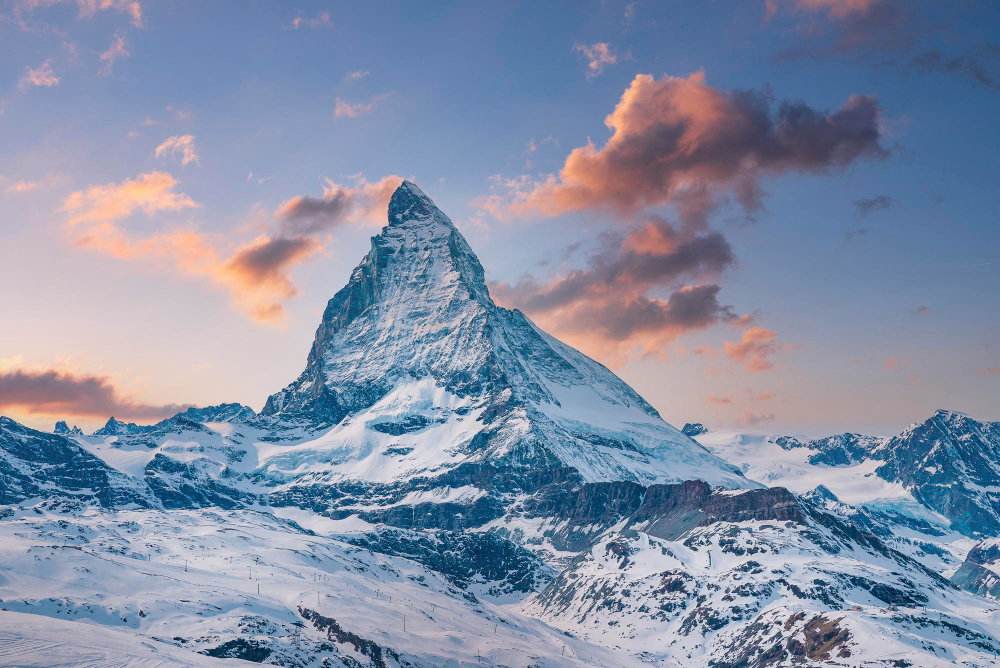
Similarly, the treacherous, snow-capped peaks of Dragonspine, a sub-region of Mondstadt, draw a striking resemblance to the majestic Matterhorn in the Swiss Alps. The iconic pyramid shape and challenging terrain of the Matterhorn are clearly reflected in Dragonspine’s perilous climbs and icy vistas.
Another remarkable parallel is seen in the Wangshu Inn, a prominent landmark in Liyue, which takes its architectural cues from the precariously perched Hanging Temple of Hengshan in China, showcasing miHoYo’s dedication to incorporating intricate cultural details into their game design.
The Thousand Wind Temple in Mondstadt captures the haunting beauty of ancient Greco-Roman ruins. Its crumbling stone arches and circular arena offer a practical yet evocative glimpse into Teyvat’s forgotten history, mirroring the weathered majesty of the real-world Colosseum.
Impacted Regions and Their Design Inspirations
Each nation in Genshin Impact boasts a unique aesthetic rooted in real-world cultures and environments. Liyue, for example, is a testament to traditional Chinese architecture and folklore, with its intricate temples, bustling harbors, and serene mountain retreats. The region’s design reflects a deep appreciation for historical Chinese traditions, from the ornate roofs to the detailed carvings seen throughout the landscape.
The ethereal pools of Luhua Pool draw direct inspiration from the travertine terraces of Huanglong in Sichuan. This natural masterpiece, with its tiered turquoise basins, offers a practical blueprint for Liyue’s most serene and visually reassuring aquatic landscapes.
Sumeru, with its dual identity of lush rainforests and vast deserts, draws inspiration from Middle Eastern and South Asian cultures, creating a truly diverse environment for the Traveler to explore. Its intricate architecture and scholarly atmosphere are deeply imbued with these influences.
Fontaine, the nation of justice and hydro, presents an elegant Art Deco style, heavily influenced by 19th-century French and steampunk aesthetics, evident in its grand opera houses, intricate clockwork mechanisms, and unique underwater exploration zones. These detailed design choices contribute significantly to the game’s rich fantasy world.
The Great Red Sand of Sumeru is dominated by the Mausoleum of King Deshret, a massive pyramid that echoes the majesty of Giza. This desert landscape blends ancient Egyptian aesthetics with advanced technology, offering a stark, authoritative beauty that commands the Traveler’s attention.
Top Visually Pleasing Nations in Genshin Impact
Among the many beautiful regions in Teyvat, certain nations consistently rank high in players’ preferences for their visual splendor. Inazuma, the Electro nation, is frequently praised for its breathtaking sakura trees, vibrant sunsets, and unique Japanese-inspired architecture.
The serene beauty of its islands, especially during the cherry blossom season, creates an unforgettable experience. Fontaine, with its cascading waterfalls, grand cities, and mesmerizing underwater exploration, also stands out for its sophisticated design and stunning aquatic environments.
Liyue continues to be a fan favorite, particularly for its majestic mountains, such as Jueyun Karst and Qingyun Peak, and the luminous harbor lights of Liyue Harbor. The dramatic landscapes and traditional Chinese aesthetics offer panoramic views that are hard to beat. These nations exemplify miHoYo’s exceptional game design and ability to craft visually stunning video game landscapes that resonate deeply with players.
Favorite Landscapes and Scenic Spots
Beyond entire nations, specific locations within Teyvat are celebrated for their unparalleled scenic beauty. Qingyun Peak, nestled within Liyue, offers some of the most spectacular panoramic views in Genshin Impact. Ascending to its summit rewards the Traveler with a breathtaking vista of the surrounding mountains and cloud-shrouded valleys, making it a popular spot for in-game photography and contemplation.
Chenyu Vale, another gem in Liyue, is renowned for its surreal landscapes, featuring mist-shrouded peaks, ancient ruins, and serene waterways that evoke a sense of timeless tranquility. The area’s unique aesthetic and atmospheric design make it a truly immersive experience.
Furthermore, the sacred Sakura trees in Inazuma, particularly the Grand Narukami Shrine, are frequently cited as some of the most breathtaking locations, especially when illuminated by the soft glow of sunset, offering a truly magical backdrop within this vibrant fantasy world.
Real-World Locations Inspiring Genshin Impact Regions
The intricate design of Genshin Impact is deeply rooted in real-world geography and cultural details. Game designers at miHoYo meticulously studied various locations to bring the expansive world of Teyvat to life. This attention to detail transforms an open world RPG into a truly immersive experience, blurring the lines between fantasy and reality.
Impacted Regions and Their Design Inspirations
One prime example is Jueyun Karst, a majestic mountainous region in Liyue. Its dramatic peaks and floating islands are directly inspired by the otherworldly landscapes of in Hunan Province, China. This area, famous for its towering sandstone pillars, provides the blueprint for many in-game landscapes, giving Liyue its distinctive Chinese-inspired architecture.
Similarly, the perilous icy heights of Dragonspine in Mondstadt find their muse in the formidable Matterhorn of Switzerland. The iconic pyramid-shaped peak offers a striking resemblance to Dragonspine‘s imposing presence. The architecture and environmental storytelling in Genshin Impact often echo these real-world wonders, creating a familiar yet fantastical atmosphere for the Traveler.
The iconic Wangshu Inn, a towering structure in Liyue, draws inspiration from the remarkable Hanging Temple of Hengshan. This ancient temple, precariously built into a cliffside, directly influenced the inn’s unique and elevated design. These connections highlight the depth of the game design and miHoYo‘s commitment to creating believable video game landscapes.
Beyond Liyue and Mondstadt, other regions of Teyvat also boast rich inspirations. Sumeru, for instance, blends lush rainforests with vast desert landscapes, echoing diverse environments found across the Middle East and South Asia. Fontaine, the nation of justice, showcases a unique Art Deco aesthetic reminiscent of 19th-century France, complete with stunning waterfalls and intricate underwater exploration areas.
Top Visually Pleasing Nations in Genshin Impact
When it comes to sheer visual appeal, many players consistently rank Inazuma, Fontaine, and Liyue as the most beautiful nations in Genshin Impact. Inazuma captivates with its vibrant sakura trees, traditional Japanese architecture, and breathtaking sunset views over the ocean. Fontaine mesmerizes with its grand waterfalls, sophisticated cityscapes, and the serene beauty of its underwater scenes, offering a truly unique exploration experience.
Liyue remains a perennial favorite, celebrated for its majestic mountains like Qingyun Peak, illuminated harbors, and the intricate details inspired by Chinese traditions. The blend of natural grandeur and cultural richness makes these regions particularly memorable for players exploring the fantasy world.
Favorite Landscapes and Scenic Spots
Within these stunning nations, certain locations stand out as player favorites. Qingyun Peak in Liyue is frequently cited for its unparalleled panoramic views of the entire region, making it a prime spot for taking in the vastness of Teyvat. The recently added Chenyu Vale, also in Liyue, has quickly gained popularity for its surreal, mist-shrouded landscapes and serene atmosphere.
In Inazuma, the sacred Sakura trees, particularly the Grand Narukami Shrine, are revered for their ethereal beauty and spiritual significance. These spots, alongside the formidable Dragonspine in Mondstadt, contribute to the diverse and ever-evolving beauty of Genshin Impact‘s real life locations-inspired world. The detailed architecture and thoughtful game design truly make each area a tranquil escape.
Impacted Regions and Their Design Inspirations
Each nation in Genshin Impact possesses a distinct visual identity, carefully curated from various cultural and architectural influences. This thoughtful approach enriches the fantasy world for the Traveler, making Teyvat a truly immersive open world RPG.
Liyue, for instance, showcases architecture deeply rooted in traditional Chinese traditions. Its grand temples, intricate wooden structures, and serene gardens reflect the rich heritage of historical China. This nation is a testament to the beauty of ancient artistry, drawing inspiration from real life locations like the Hanging Temple of Hengshan, which influenced the iconic Wangshu Inn.
Sumeru presents a fascinating blend of rainforest and desert landscapes, creating incredibly diverse environments. Its vibrant flora and ancient ruins in the rainforest contrast sharply with the expansive, mysterious deserts. This combination offers unique exploration appeal and scenic overlooks, reflecting miHoYo’s meticulous game design.
Fontaine, the Hydro nation, stands out with its elegant Art Deco style. This aesthetic, inspired by French architecture and steampunk elements, gives Fontaine a sophisticated and unique charm. Its waterfalls and extensive underwater exploration features further enhance its distinct visual theme, making it a favorite among players for its unique vistas.
You’ll discover that many of these stunning video game landscapes in Genshin Impact are not purely fantastical. For example, the breathtaking Jueyun Karst, with its floating islands and mist-shrouded peaks, draws heavily from the dramatic scenery of Zhangjiajie National Forest Park in China’s Hunan Province. Similarly, the imposing Dragonspine mountain in Mondstadt, a challenging and visually striking area, finds its real-world counterpart in the majestic Matterhorn in Switzerland.
The attention to cultural details by miHoYo is evident in every region. From the cherry blossoms and traditional Japanese architecture of Inazuma to the European-inspired charm of Mondstadt, each nation in Teyvat offers a unique experience. These real-world places provide the undeniable basis for many in-game landscapes, bridging the gap between fantasy and reality for the Traveler.
Top Visually Pleasing Nations in Genshin Impact
In the expansive fantasy world of Teyvat, players often find themselves debating which nations are the most visually stunning. Many consistently rank Inazuma, Fontaine, and Liyue among the most beautiful. Each offers a unique atmospheric and cultural aesthetic, meticulously crafted by miHoYo for this open world RPG.
Inazuma is frequently praised for its breathtaking sakura trees and vibrant sunset views. The ethereal beauty of its islands, especially the sacred Sakura trees, creates a serene and unforgettable experience for the Traveler. The region-specific visual themes are particularly strong here, drawing players deeper into its unique charm.
Fontaine’s majestic waterfalls and intricate underwater scenes are a major draw. The ability to engage in extensive underwater exploration adds a unique layer to its visual appeal, truly setting Fontaine apart in terms of immersive environments. Its Art Deco style, inspired by French and steampunk aesthetics, creates a distinct visual identity.
Liyue’s towering mountains and glittering harbor lights evoke a sense of grandeur and tranquility. Its ancient landscapes and bustling urban centers offer a compelling contrast. The cultural details woven into its design are simply captivating, with architecture deeply rooted in traditional Chinese traditions, reminiscent of real-life locations like Zhangjiajie in Hunan Province which inspired Jueyun Karst, or the Hanging Temple of Hengshan influencing the iconic Wangshu Inn.
Favorite Landscapes and Scenic Spots in Teyvat
Within the stunning nations of Genshin Impact, certain locations stand out as player favorites for their sheer beauty and panoramic views. These spots offer unparalleled opportunities for appreciation of miHoYo’s meticulous game design and artistry, making them essential for any Traveler seeking tranquil escapes.
Qingyun Peak in Liyue is renowned for its sweeping panoramic views. Reaching its summit offers a breathtaking vista of the surrounding mountainous terrain, reminiscent of traditional Chinese ink wash paintings. This area, alongside the nearby Jueyun Karst, draws clear inspiration from real-life locations like Zhangjiajie in Hunan Province, making it a true spectacle within the fantasy world of Teyvat.
Chenyu Vale, also nestled within Liyue, provides surreal and dreamlike landscapes. Its misty valleys, ancient ruins, and tranquil waters create an atmosphere of mystery and wonder. This area truly embodies the fantasy world aesthetic, offering a serene contrast to the more rugged peaks.
The sacred Sakura trees in Inazuma are consistently cited as some of the most breathtaking locations. Their delicate blossoms and vibrant colors create a serene and almost spiritual ambiance, central to Inazuma’s unique geographic features and cultural details.
Beyond these, the iconic Wangshu Inn, inspired by the Hanging Temple of Hengshan, offers incredible views across Dihua Marsh. Even Dragonspine, a formidable sub-region of Mondstadt, though challenging, offers majestic, snow-capped vistas reminiscent of the Matterhorn in Switzerland, showcasing miHoYo’s genius in translating real-world marvels into the digital realm of this open world RPG.
Comparing Real-World Inspirations with Teyvat Locations
The captivating world of Teyvat in Genshin Impact, crafted by miHoYo, is renowned for its diverse environments and stunning vistas. However, many of these breathtaking scenes draw direct inspiration from real-world locations, offering a fascinating parallel for any Traveler.
You might be surprised to learn how many in-game areas mirror places on our own planet, providing a rich tapestry of cultural and natural influences that enhance the game’s immersive experience. This connection between the fantasy world and real life locations is a testament to the meticulous game design.
Real-World Locations Inspiring Genshin Impact Regions
The influence of real-world geography and architecture is evident across Teyvat. For instance, the dramatic, towering sandstone pillars and misty mountains of Zhangjiajie in Hunan Province, China, are the undeniable foundation for Liyue‘s iconic Jueyun Karst. This area perfectly captures the ethereal landscapes seen in the game.
Similarly, the majestic, snow-capped peak of the Matterhorn in Switzerland directly inspired Mondstadt‘s treacherous Dragonspine, representing challenging and icy environments. Even the precarious, elevated architecture of Wangshu Inn in Liyue finds its muse in China’s ancient Hanging Temple of Hengshan, built into a cliff face.
These inspirations extend to broader regional aesthetics. Liyue Harbor, with its bustling port and traditional Chinese architecture, draws heavily from places like Fenghuang Ancient Town. This infusion of real-world cultural details makes the open world RPG feel incredibly authentic.
Impacted Regions and Their Design Inspirations
Beyond specific landmarks, entire regions in Genshin Impact are infused with distinct real-world influences. Liyue’s overall aesthetic deeply reflects traditional Chinese traditions, from its architectural styles to its terraced agricultural landscapes reminiscent of the Yunnan Hani Rice Terraces. This dedication creates a sense of harmony between nature and human ingenuity.
Moving across Teyvat, Sumeru‘s rainforest and desert landscapes combine intricate Middle Eastern and North African architecture with ancient ruins, creating a uniquely diverse environment. You can see the influence in its detailed designs and arid beauty. Meanwhile, the serene Watatsumi Island in Inazuma, with its unique island formations and vibrant coastal beauty, echoes the charm of Santorini, Greece.
Looking ahead, the upcoming region of Fontaine is expected to showcase an Art Deco style, drawing inspiration from French and steampunk aesthetics, promising yet another visually distinct experience for the Traveler. Even Mondstadt‘s general aesthetic, with its charming towns and European-inspired architecture, is reminiscent of alpine landscapes like those found in Chamonix-Mont-Blanc, France.
Beyond the current regions, the upcoming nation of Snezhnaya is expected to draw heavily from Slavic landscapes and Russian architecture. This winter wonderland will likely feature frost-covered cathedrals and vast, snow-swept steppes, adding a chilling yet regal aesthetic to Teyvat’s diverse map.
Top Visually Pleasing Nations in Genshin Impact
When discussing the sheer beauty of Genshin Impact, certain nations consistently rank high among players. Many players frequently praise Inazuma, Fontaine, and Liyue as the most beautiful. Inazuma‘s breathtaking sakura trees and stunning sunset views offer tranquil escapes, while Fontaine‘s majestic waterfalls and captivating underwater exploration scenes are truly unparalleled.
Liyue continues to charm players with its dramatic mountains, serene rivers, and the sparkling lights of its harbor. The meticulous attention to detail in miHoYo‘s game design ensures that each nation offers a unique visual feast, inspiring players to explore every corner of the fantasy world.
Favorite Landscapes and Scenic Spots
Within these stunning nations, certain locations stand out as player favorites for their sheer beauty and panoramic views. Qingyun Peak in Liyue is renowned for its sweeping vistas, offering unparalleled opportunities for appreciation of miHoYo‘s artistry. Reaching its summit provides a breathtaking experience.
Another beloved spot is Chenyu Vale, also in Liyue, known for its surreal landscapes and intricate design. The sacred Sakura trees in Inazuma, particularly around the Grand Narukami Shrine, are frequently cited as some of the most breathtaking locations in the game. These spots are essential for any Traveler seeking tranquil escapes and inner peace, reflecting the core values of Relax Kanda.
For those seeking isolation, the crescent-shaped Musk Reef serves as a hauntingly beautiful gateway to the Abyss. This remote destination mirrors the solitary charm of real-world atolls, offering a sense of expert-level challenge and quiet mystery for the seasoned Traveler.
Inazuma’s mystical Chinju Forest, famous for its glowing flora and hidden Tanuki, mirrors the ethereal atmosphere of Japan’s Kasugayama Primeval Forest. This real-world sanctuary offers a tranquil escape, where ancient trees and mossy paths evoke the same sense of wonder found in Teyvat’s moonlit woods.
The vibrant multi-colored lakes and waterfalls, inspired by places like Jiuzhaigou Valley, China, are integrated into various scenic spots across Liyue and Sumeru, further contributing to the game’s rich natural beauty. You can discover more about these incredible places on Atlas Obscura or through fan discussions on Reddit.
Frequently Asked Questions About Genshin Impact’s Real-World Inspirations
For Travelers seeking tranquil escapes, understanding the real-world connections behind Genshin Impact’s breathtaking Teyvat can deepen your appreciation for both the game and potential travel destinations. Let’s delve into some frequently asked questions about miHoYo’s captivating open-world RPG.
What Real-World Locations Inspired Genshin Impact’s Diverse Regions?
Many real-world locations profoundly influenced Genshin Impact’s design, creating a fantasy world rooted in tangible beauty. For example, the iconic Zhangjiajie National Forest Park in Hunan Province, China, with its towering sandstone pillars, directly inspired Liyue’s majestic Jueyun Karst. Similarly, the formidable Matterhorn in Switzerland provided the awe-inspiring blueprint for Mondstadt’s Dragonspine, a region known for its harsh, snowy landscapes.
The ancient Hanging Temple of Hengshan, also in China, influenced the unique architecture and precarious placement of Wangshu Inn, a popular landmark in Liyue. These real-life locations are crucial to the game’s immersive video game landscapes.
Which Genshin Impact Nation is Considered the Most Visually Appealing by Players?
Player preferences certainly vary when it comes to the most visually pleasing Genshin Impact nation, but Inazuma, Fontaine, and Liyue are consistently cited as top contenders. Inazuma, with its vibrant sakura trees, serene shrines, and dramatic sunset views, offers a unique aesthetic. Fontaine captivates with its elegant, Art Deco inspired architecture, grand waterfalls, and innovative underwater exploration, reflecting French and steampunk aesthetics.
Liyue is widely praised for its dramatic mountainous landscapes, particularly around Qingyun Peak and Chenyu Vale, and the enchanting harbor lights of Liyue Harbor, which perfectly reflect Chinese traditions. Many Travelers discuss their favorite spots on platforms like YouTube and Reddit.
How Does miHoYo Incorporate Cultural Details into Genshin Impact’s Game Design?
miHoYo masterfully integrates rich cultural details into Genshin Impact through its architecture, food, music, and character design, making Teyvat a truly immersive fantasy world. Liyue, for instance, is a clear homage to Chinese traditions, visible in its intricate architecture and festive events. Sumeru, with its lush rainforest and vast desert landscapes, draws heavily from Middle Eastern and South Asian influences, evident in its scholarly pursuits and distinct character designs.
Fontaine exhibits a sophisticated blend of French and steampunk aesthetics, from its elaborate buildings to the fashion of its inhabitants. This meticulous attention to cultural details significantly enriches the overall experience for the Traveler, showcasing miHoYo’s dedication to game design.
Are There Any Hidden Details or Easter Eggs Related to Real-World Locations in the Game?
While miHoYo doesn’t always include explicit easter eggs, the strong resemblance of many in-game locations to their real-world counterparts often serves as a subtle, delightful nod for keen-eyed Travelers. Players frequently discover and share these connections on platforms like Reddit and YouTube, enhancing their appreciation for miHoYo’s detailed game design.
These visual parallels act as a constant reminder of the inspiration drawn from our own planet, from the towering cliffs of Jueyun Karst to the icy peaks of Dragonspine, making the exploration of Teyvat even more rewarding.
What Makes Genshin Impact’s Landscapes So Captivating?
Genshin Impact’s landscapes are captivating due to their intricate design, diverse environments, and rich atmospheric aesthetics. The blend of fantasy world elements with carefully chosen real-world inspirations, such as Zhangjiajie and the Matterhorn, creates a truly breathtaking experience for the Traveler.
Coupled with an immersive soundtrack, dynamic weather systems, and the freedom of open-world RPG exploration, every region, from Mondstadt to the upcoming Natlan, offers unique scenic beauty. The meticulous attention to detail in architecture and natural features ensures that every corner of Teyvat holds a visual delight, encouraging endless exploration and discovery.
Leave a Reply