
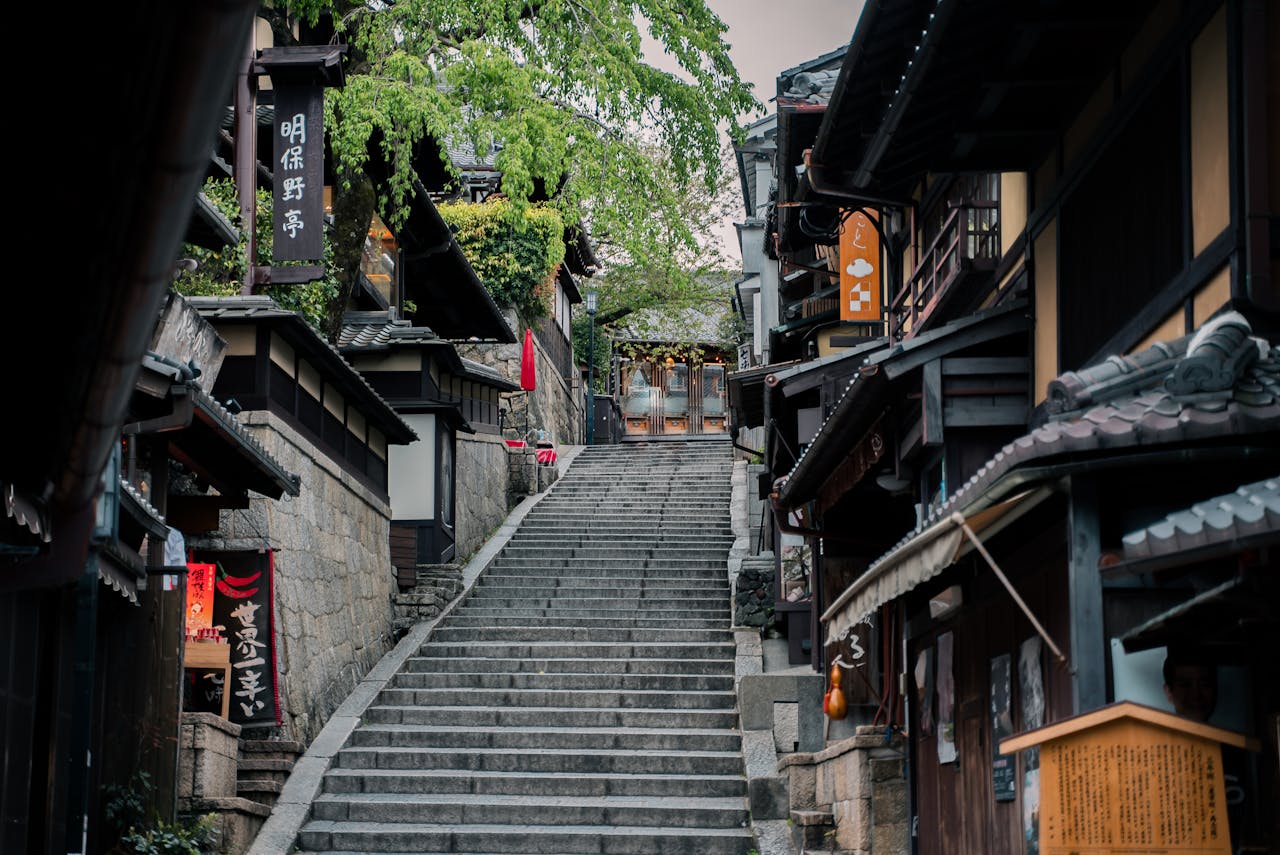
When planning your Kyoto trip, you’ll find a rich tapestry of history and culture awaiting you. From the serene temples that define the city’s skyline to the enchanting gardens providing peaceful retreats, every corner invites exploration. And don’t forget to immerse yourself in the world of geishas, where tradition still thrives. What should you prioritize in your itinerary to guarantee you capture the essence of this mesmerizing city? Let’s explore some must-see sites.
Key Takeaways
- Start your day at Kiyomizu-dera for its stunning views and seasonal beauty, such as cherry blossoms and autumn foliage.
- Visit the tranquil Philosopher’s Path, lined with cherry trees, connecting various serene gardens and temples for a peaceful experience.
- Explore Gion district to witness traditional geisha culture, with performances and opportunities to participate in tea ceremonies.
- Indulge in local cuisine at Nishiki Market and dine on kaiseki for an authentic multi-course culinary experience.
- Utilize a 1-Day Subway & Bus Pass for easy navigation between temples, gardens, and dining spots across Kyoto.
Must-See Temples in Kyoto: A Historical Overview
When you explore Kyoto, you’ll quickly discover that the city boasts over 1,600 Buddhist temples, each with its own unique history and significance.
Start with Kiyomizu-dera, renowned for its wooden stage offering stunning views. As a UNESCO World Heritage Site, it’s a must-visit.
Don’t miss Kinkaku-ji, the Golden Pavilion, glistening with its gold leaf exterior reflected in the surrounding pond; it dates back to 1397.
Fushimi Inari Taisha captivates with its thousands of vermilion torii gates, a cultural treasure since the 8th century.
Tenryu-ji Temple features exquisite Zen gardens and is also a UNESCO site, while Ryoan-ji is famous for its contemplative rock garden, embodying Zen principles.
Each temple tells a story, enriching your Kyoto experience.
Unveiling Kyoto’s Gardens: A Tranquil Escape
Kyoto isn’t just a treasure trove of stunning temples; it’s also home to an array of beautiful gardens that offer a peaceful retreat from the city’s vibrant energy.
At Ryoan-ji, the minimalist Zen garden invites you to meditate among carefully placed rocks.
The golden reflection of Kinkaku-ji in its meticulously landscaped grounds creates a breathtaking sight.
Don’t miss the seasonal beauty at Kiyomizu-dera—cherry blossoms in spring and autumn foliage can take your breath away.
Tenryu-ji Temple’s UNESCO World Heritage garden, set against the Arashiyama mountains, highlights traditional Japanese design.
And stroll along the Philosopher’s Path, where cherry trees arch over a tranquil canal, connecting key gardens and temples, ensuring a serene escape throughout your visit.
Experience Geisha Culture Up-Close: A Unique Journey
Have you ever wondered what it’s like to step into the world of a geisha? In Kyoto’s Gion district, you can immerse yourself in this fascinating culture.
Arrange to see reserved appearances of geisha, or geiko, where they perform traditional music and dance in historic teahouses known as ochayas. With only around 1,000 active geisha in Japan, each one has spent years mastering their craft and presenting an elegant experience.
Join a geisha-themed adventure, like a tea ceremony or dressing session, to appreciate the artistry behind their stunning kimonos and intricate kanzashi hairstyles. Through these experiences, you’ll gain not just a glimpse but a deeper understanding of this unique aspect of Kyoto’s rich cultural heritage.
Your Two-Day Kyoto Itinerary: Essential Attractions and Hidden Gems
As you plan your two-day Kyoto itinerary, make sure to include a must-see temples list that highlights the city’s rich spiritual heritage.
Pair your temple visits with local dining experiences to savor authentic Japanese cuisine. This combination of attractions and culinary delights will truly enhance your Kyoto adventure.
Must-See Temples List
Exploring the must-see temples of Kyoto will immerse you in the city’s rich history and breathtaking beauty. Start your journey at Kiyomizu-dera for stunning views from its iconic wooden stage. Early risers should head to Fushimi Inari-taisha to wander through thousands of vermilion torii gates. Don’t miss Kinkaku-ji, the dazzling Golden Pavilion reflecting in serene waters. Ryoan-ji invites you to contemplate in its minimalist Zen rock garden, while Tōfuku-ji offers stunning seasonal scenery, especially during autumn.
| Temple Name | Highlights | Best Visit Time |
|---|---|---|
| Kiyomizu-dera | Wooden stage, stunning views | Late afternoon |
| Fushimi Inari-taisha | Thousands of torii gates | Early morning |
| Kinkaku-ji | Gold leaf pavilion, beautiful pond scene | Early morning |
| Ryoan-ji | Zen rock garden, peaceful ambiance | Anytime |
| Tōfuku-ji | Exquisite gardens, seasonal beauty | Autumn |
Local Dining Experiences
After soaking in the spiritual beauty of Kyoto’s stunning temples, it’s time to indulge in the city’s rich culinary scene.
Start your culinary journey in Pontocho Alley, where you’ll find cozy restaurants serving delicious yakitori and yakiniku that capture Kyoto’s flavors.
Next, visit Nishiki Market, known as “Kyoto’s Kitchen,” for around 130 stalls brimming with snacks and local delicacies. Don’t miss grabbing matcha gelato and unique flavored nuts—perfect for a mid-afternoon treat.
For a fun, interactive meal, dine at Kyoto Yakiniku Suzuki, where you grill your own meat in a traditional setting.
And remember to make reservations for kaiseki dining; it’s a must-try multi-course experience that’s both popular and exquisite.
Enjoy every bite!
Savoring Kyoto: Where to Find Local Culinary Delights
What makes Kyoto a culinary paradise?
Start your food journey at Pontocho Alley, where its narrow, lantern-lit paths lead you to traditional restaurants serving kaiseki and yakitori.
Next, visit Nishiki Market, Kyoto’s bustling kitchen with around 130 stalls filled with matcha sweets, sashimi, and pickled vegetables—it’s a must-see for any food lover.
For a fun hands-on experience, head to Kyoto Yakiniku Suzuki, where you can grill your own meat right at your table.
Don’t miss Happy Pancake for breakfast, renowned for its fluffy pancakes crafted from high-quality ingredients.
Each meal here reflects Kyoto’s dedication to seasonal ingredients, like cherry blossoms in spring kaiseki, highlighting the city’s deep connection to nature and culinary tradition.
Navigating Kyoto: Transportation Tips for Travelers
With your stomach satisfied from Kyoto’s culinary delights, it’s time to contemplate how you’ll get around this beautiful city. Kyoto’s extensive public transport network, including buses and subways, makes navigation easier. Consider grabbing a 1-Day Subway & Bus Pass for unlimited travel, perfect for hitting major attractions. Crowded buses can be tough, so don’t hesitate to walk for a more intimate experience. It also helps to familiarize yourself with Kyoto Station to maximize your travel efficiency.
Here’s a quick reference table for your journey:
| Transport Option | Cost | Best for |
|---|---|---|
| 1-Day Pass | Approx. 1,200 yen | Unlimited travel |
| City Buses | Varied (230-400 yen) | Short distances |
| Subways | Approx. 210-290 yen | Fast travel |
Essential Planning Tips for Your Kyoto Adventure
When planning your Kyoto adventure, giving yourself at least three to five days is essential to truly soak in the city’s beauty.
This timeframe lets you explore must-see attractions like Fushimi Inari Shrine, Kiyomizu-dera Temple, and Arashiyama Bamboo Grove at a leisurely pace.
Download Google Maps for offline use and get familiar with local public transport options, like the 1-Day Subway & Bus Pass, to navigate efficiently.
Make dining reservations in advance for popular spots, especially for kaiseki dinners.
If you plan to visit during peak seasons, like cherry blossom or autumn foliage times, brace yourself for larger crowds.
Don’t miss out on cultural activities like tea ceremonies or kintsugi workshops to enrich your experience.
Frequently Asked Questions
What Is the Best Time to Visit Kyoto for Pleasant Weather?
The best time to visit Kyoto for pleasant weather is during spring, specifically late March to early April, when cherry blossoms bloom. Fall, from mid-November to early December, also offers beautiful scenery and mild temperatures.
Are There Any Dress Codes for Visiting Temples and Gardens?
Yes, there are dress codes for visiting temples and gardens. You should wear modest clothing, covering shoulders and knees. Avoid overly casual attire. Comfortable shoes are recommended, as you’ll likely walk quite a bit throughout your visit.
How Can I Participate in a Traditional Tea Ceremony in Kyoto?
You can participate in a traditional tea ceremony in Kyoto by joining a guided class, often available in tea houses or cultural centers. Make reservations in advance to guarantee you secure your spot and enjoy the experience.
What Are the Best Areas for Shopping in Kyoto?
The best areas for shopping in Kyoto are Nishiki Market for local food, Shijo-dori for fashion boutiques, and the Gion district for unique crafts. Don’t miss the traditional souvenir shops scattered throughout the city!
Is It Advisable to Book Accommodations in Advance?
Yes, it’s advisable to book accommodations in advance. Kyoto can get crowded, especially during peak seasons, and securing your stay ahead of time guarantees you’ll find the best options that suit your needs and budget.
Leave a Reply