
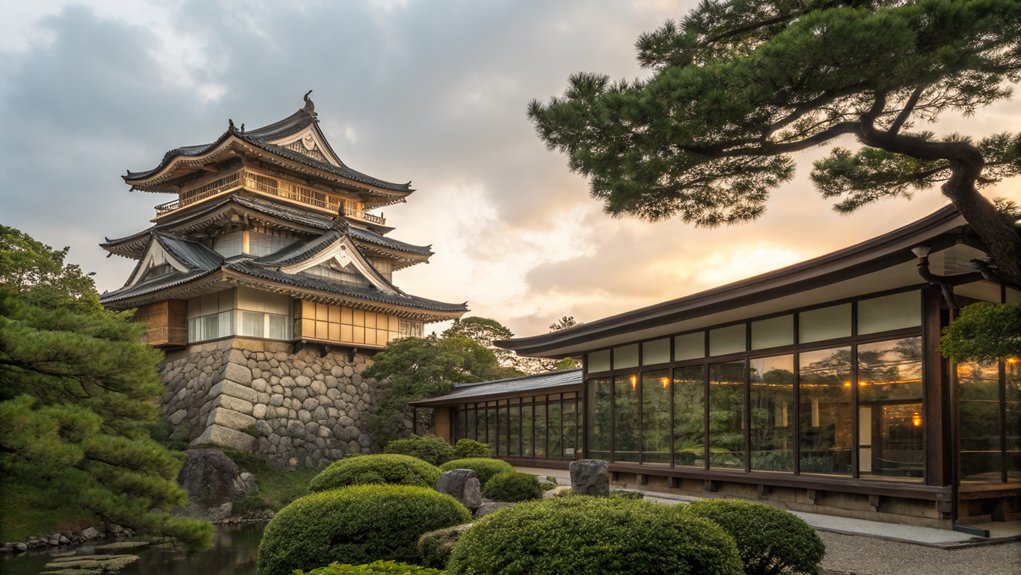
Planning a two-week journey through Japan offers a unique blend of urban excitement and serene landscapes. You’ll experience the pulse of Tokyo’s bustling streets and the tranquil beauty of Kyoto’s cherry blossoms. History awaits in Hiroshima, while the natural allure of Miyajima Island beckons. Each destination holds its own surprises, and as you navigate through this rich culture, you’ll find more than just sights to see. What awaits you at every turn might just change your perspective.
Key Takeaways
- Start in Tokyo, mastering public transportation, and visit major attractions like Shibuya Crossing and Asakusa’s Senso-ji Temple.
- Include cultural experiences such as Hiroshima’s Peace Memorial Park and Koyasan’s Buddhist temples for historical insights and serene visits.
- Embrace nature by hiking Mount Misen and enjoying breathtaking views of cherry blossoms along the Philosopher’s Path in Kyoto.
- Indulge in regional culinary delights, from street food in Kyoto to upscale Kaiseki dining experiences, showcasing Japan’s diverse flavors.
- Utilize efficient travel methods, including bullet trains, and plan itineraries to enhance flexibility and avoid rush hour travel.
Discovering Japan: An Overview of Our Two-Week Adventure
On your two-week adventure through Japan, you’ll explore a stunning array of destinations that blend vibrant city life with tranquil nature. Your journey kicks off in bustling urban centers, where historical sites like Himeji Castle and the iconic floating torii gate of Miyajima Island await you.
You’ll witness cherry blossoms in full bloom along Kyoto’s Philosophers Path, adding a touch of magic to your experience. As you hike Mount Misen, savor breathtaking views that remind you of the country’s splendor.
Don’t miss Nara Park’s friendly deer or the spiritual calm of Koyasan. With Japan’s efficient public transportation, including bullet trains, getting around is a breeze, allowing you to soak in every moment of this enthralling adventure.
Experience the Heart of Tokyo
Tokyo vibrates with energy, pulling you into its dynamic embrace. As you step onto the bustling streets, you’ll feel the pulse of a city with a population of around 30 million.
Navigate seamlessly through its efficient subway system, exploring diverse neighborhoods like lively Shibuya and the serene Asakusa, where the historic Senso-ji Temple awaits. Don’t miss the iconic Meiji Jingu Forest or the former Tsukiji Fish Market for fresh seafood and local street food delights.
Tokyo’s culinary scene tantalizes your taste buds; indulge in traditional ramen, vibrant izakayas, or contemporary dining experiences.
As you marvel at striking modern architecture, including the Tokyo Metropolitan Government Building’s panoramic views, you’ll discover a cosmopolitan blend of culture and innovation that defines this enchanting metropolis.
Navigating Tokyo: Essential Tips for Travelers
Getting around Tokyo can be a breeze if you master the public transportation system, so don’t hesitate to familiarize yourself with the trains and subways.
You’ll also want to keep local etiquette in mind to make your experience smoother and more enjoyable.
Plus, uncovering hidden gems in neighborhoods like Shibuya and Asakusa will lead you to some unforgettable moments.
Public Transportation Mastery
Although traversing a bustling city can seem intimidating, mastering Tokyo’s public transportation is simpler than you might think. Here are essential tips to navigate like a pro:
- Get an IC card: Use a Suica or Pasmo card for effortless travel on trains, subways, and buses, skipping ticket lines.
- Know the lines: The Tokyo Metro and Toei Subway cover most attractions, with clear English signs to help you stay oriented.
- Timing matters: Trains run from 5 AM to midnight, so check last train times to avoid being stranded.
- Travel wisely: Avoid rush hours (7 AM-9 AM and 5 PM-7 PM) to guarantee a more comfortable ride.
Embrace the system, and you’ll find it easy to explore Tokyo!
Local Etiquette Essentials
Maneuvering the vibrant streets of Tokyo offers a chance to immerse yourself in its rich culture, but respecting local customs is just as important as knowing how to get around.
Always greet with a slight bow, as it’s a sign of respect. When using public transport, keep your voice down and refrain from eating or drinking, as it’s considered disrespectful.
If you visit a temple, remove your shoes when required, and be mindful of signage. Tipping isn’t common, so don’t worry about that.
When dining, say “itadakimasu” before your meal and “gochisousama deshita” after, as a polite acknowledgment.
Hidden Gems Exploration
Have you ever wondered how to uncover Tokyo’s hidden gems? Exploring the vibrant city can be a breeze with these tips:
- Master the Subway: Tokyo boasts over 13 subway lines. Use a Suica or Pasmo card for easy fare payments across all transport.
- Avoid Rush Hour: Travel outside of peak hours (7-9 AM & 5-7 PM) to sidestep the crowded chaos.
- Read the Signs: With English signage throughout, maneuvering isn’t as intimidating as it seems, and locals are often willing to help.
- Utilize Apps: Download Google Maps or Hyperdia for real-time transport updates and seamless transfers between stations.
These strategies will help you discover the true heart of Tokyo, beyond just the popular attractions!
Hiroshima: Reflecting on History and Peace
Visiting Hiroshima means stepping into a city that embodies both the weight of its past and a commitment to a peaceful future. At the heart of this journey is the Peace Memorial Park, dedicated to honoring the victims of the atomic bombing.
Here, the Atomic Bomb Dome stands as a UNESCO World Heritage Site, reminding you of the immense destruction wrought by nuclear warfare. You can also explore the reconstructed Hiroshima Castle, which offers insights into the city’s rich history before the tragedy.
If you’re there in spring, don’t miss the annual Hiroshima Flower Festival, a vibrant celebration of peace and harmony. Even if scaffolding sometimes obscures the dome, ongoing preservation efforts reflect the city’s dedication to remembrance and education.
Discover Unforgettable Experiences on Miyajima Island
You won’t want to miss the breathtaking sunrise views on Miyajima Island, where the iconic torii gate takes on a magical glow.
As you explore the rich cultural heritage, be sure to visit the stunning Itsukushima Shrine and other temples scattered across the island.
This unforgettable experience blends natural beauty with a deep sense of history, making your trip truly special.
Scenic Sunrise Views
As dawn breaks over Miyajima Island, the iconic floating torii gate stands gracefully illuminated by the soft glow of morning light, creating a breathtaking scene that captivates every visitor.
To fully embrace the magic of sunrise here, consider these experiences:
- Hike Mount Misen: Enjoy scenic trails that cater to all fitness levels, leading you to stunning views of the Seto Inland Sea.
- Visit Itsukushima Shrine: Witness the beauty of this UNESCO World Heritage Site bathed in the morning light.
- Spot Free-Ranging Deer: Encounter these serene creatures as they roam, adding to the island’s tranquil atmosphere.
- Cherry Blossom Viewing: If the season’s right, marvel at the blossoms adorned in golden hues at sunrise for truly enchanting scenery.
Don’t miss these unforgettable moments!
Cultural Temple Exploration
Following the spectacular sunrise views, Miyajima Island reveals a rich tapestry of culture through its impressive temples and shrines.
The iconic floating torii gate of Itsukushima Shrine, a UNESCO World Heritage Site, is a must-see, especially during sunset against the beautiful Seto Inland Sea.
You’ll want to dedicate a full day to explore the island, including hiking Mount Misen for breathtaking panoramic views.
As you wander, enjoy interactions with the friendly deer that roam freely, enthusiastic for a snack.
Accessing the island is easy; just take a 30-minute train ride from Hiroshima followed by a quick 10-minute ferry.
Immerse yourself in Japan’s spiritual traditions and history, and let Miyajima enchant you with its cultural richness.
Why You Can’t Miss Himeji Castle
Why shouldn’t Himeji Castle be on your travel list? This UNESCO World Heritage Site is a stunning symbol of Japan’s architectural beauty and rich history.
Here are four reasons to visit:
- Stunning Beauty: Marvel at the castle’s elegant white exterior, often compared to a heron in flight, especially enchanting surrounded by blooming cherry blossoms.
- Rich History: Completed in 1609, it offers insights into Japan’s feudal past, despite the limited interior tour experience.
- Expansive Grounds: Explore a vast maze of pathways and gardens, perfect for leisurely strolls through history.
- Cultural Importance: With 1.5 million annual visitors, it’s a must-see for anyone interested in Japan’s unique cultural heritage.
Don’t miss this iconic landmark on your adventure!
Finding Spirituality in Koyasan: A Sacred Journey
Nestled high in the mountains, Koyasan offers a transformative experience, inviting you to explore a serene world of spirituality and reflection. As the headquarters of the Shingon school of Buddhism, founded by monk Kukai in the 9th century, it boasts over 100 temples.
Make sure to visit the Danjo Garan complex, where the iconic five-story pagoda stands amidst breathtaking landscapes, perfect for quiet contemplation. An overnight stay in a temple allows you to savor shojin ryori, a vegetarian meal, and participate in morning prayers, deepening your spiritual connection.
Don’t miss Okunoin, Kukai’s resting place, where ancient cedar trees and thousands of stone lanterns create a mystical ambiance, enhancing your sacred journey in Koyasan.
Encountering Nature and History in Nara
As you wander through Nara, you’ll discover a stunning blend of nature and history, where tranquil parks and ancient temples coexist harmoniously. Here are some highlights to immerse yourself in:
- Nara Park: Encounter over 1,200 free-roaming deer that are seen as messengers of the gods in Shinto, creating a unique atmosphere.
- Todai-ji Temple: Marvel at the world’s largest bronze Buddha statue, towering at 15 meters, a must-see landmark in the heart of the city.
- UNESCO World Heritage Sites: Explore historical treasures, including Todaiji, Kasuga-taisha, and the historic district of Naramachi.
- Cultural Legacy: Reflect on Nara’s significance as Japan’s first capital in the 8th century, shaping the country’s political and cultural landscape.
Enjoy the serene beauty and rich narrative Nara has to offer!
Best Spots for Cherry Blossom Viewing in Yoshino
If you’re looking for the perfect cherry blossom experience, Yoshino’s Gunpoen Garden at Chikurin-in Temple is a must-visit for its tranquil setting.
While you savor the stunning blooms, you’ll also appreciate the warmth and hospitality of the locals.
To make the most of your trip, plan your visit around mid-April to early May when the blossoms are at their peak.
Gunpoen Garden Serenity
Gunpoen Garden, a hidden gem at Chikurin-in Temple in Yoshino, offers an unparalleled cherry blossom viewing experience. During early April, when the blossoms peak, you’ll find serenity amidst stunning landscapes.
Here are four reasons to visit:
- Breathtaking Views: Witness a sea of pink and white blossoms that create a mesmerizing backdrop.
- Tranquil Atmosphere: Stroll along meticulously maintained pathways and relax on beautifully landscaped terraces.
- Historical Significance: Immerse yourself in the rich cultural heritage of Yoshino, celebrated for centuries as a top sakura viewing location.
- Photography Opportunities: Capture unforgettable moments with the picturesque vistas surrounding you.
Make sure to plan your visit for spring; it’s a cherry blossom experience you’ll cherish forever!
Local Hospitality Experience
Yoshino’s cherry blossom season isn’t just about the stunning views; it’s also an opportunity to experience the warm hospitality of the local residents. As you stroll through Gunpoen Garden at Chikurin-in Temple, take a moment to appreciate the serene surroundings while chatting with friendly locals.
They’re always enthusiastic to share tips about the best viewing spots and hidden trails.
Yoshino’s tranquility makes it an ideal escape for nature lovers, especially during sakura season. Enjoy engaging conversations with residents who take pride in their community and its breathtaking landscapes.
Besides the blossoms, explore charming temples and hiking trails that showcase this region’s stunning panoramic views. Their kindness will make your visit truly memorable.
Timing Your Visit
Timing your visit to Yoshino is essential for experiencing the breathtaking cherry blossoms at their peak. Typically, this happens in early to mid-April, when the landscape transforms into a stunning floral spectacle.
Here are four must-visit spots to maximize your cherry blossom experience:
- Gunpoen Garden at Chikurin-in Temple: Enjoy the serene beauty and tranquility amidst the blossoms.
- Yoshinoyama: The mountain’s elevation provides panoramic views of cherry blossoms cascading down the slopes.
- Kinpu Shrine: Witness cherry trees framing this beautiful shrine, perfect for a picturesque moment.
- Yoshino Main Street: Stroll through this lively area where the townspeople’s warmth adds charm to your visit.
A Deep Dive Into Kyoto’s Rich Heritage
As you stroll through Kyoto, you’ll quickly realize that this ancient capital offers a profound connection to Japan’s history and cultural heritage. Home to over 1,600 Buddhist temples, you can’t miss Kinkaku-ji, the stunning Golden Pavilion, recognized as a UNESCO World Heritage Site. In the enchanting Gion district, traditional machiya houses invite you to experience the enthralling world of geisha. Don’t skip Fushimi Inari Taisha Shrine, where thousands of vibrant red torii gates create magical pathways. If your visit aligns with spring, the cherry blossoms will mesmerize you, especially along the Philosopher’s Path. To top it off, immerse yourself in Kyoto’s traditional tea culture with an authentic matcha ceremony.
| Site | Highlights | Special Notes |
|---|---|---|
| Kinkaku-ji | Golden Pavilion and gardens | UNESCO World Heritage Site |
| Gion | Wooden machiya houses | Cultural hub for geisha |
| Fushimi Inari Taisha | Vibrant red torii gates | Iconic photo spot |
Breathtaking Views of Mount Fuji at Kawaguchiko
After soaking in Kyoto’s rich heritage, your journey can lead you to the breathtaking views of Mount Fuji at Kawaguchiko. This charming destination offers you stunning landscapes, especially on clear days.
Here’s what to explore:
- Hiking Trails: Discover various trails around Lake Kawaguchi and nearby Mount Misen, each providing panoramic vistas of the iconic peak.
- Boat Rides: Enjoy a scenic boat ride on Lake Kawaguchi, where you can see Mount Fuji beautifully reflected in the water.
- Fujiyoshida Sengen Shrine: Visit this cultural landmark to experience traditional Shinto architecture with Mount Fuji in the background.
- Cherry Blossoms: If you’re here in spring, witness cherry trees blooming along the lake, creating a picturesque landscape.
Breathe it all in!
The Hidden Gem of Nikko: Nature and Ornate Temples
Nestled in the mountains just a two-hour train ride from Tokyo, Nikko beckons with its breathtaking natural landscapes and ornate temples. This UNESCO World Heritage Site captivates you with majestic mountains and lush forests, perfect for year-round exploration.
Be sure to visit the Toshogu Shrine, dedicated to Tokugawa Ieyasu, where intricate carvings and rich decorations reveal Japan’s architectural mastery.
Don’t miss the iconic Kegon Falls, plunging 97 meters, especially stunning amidst autumn’s vibrant foliage. For a peaceful retreat, stroll along the Kanmangafuchi Pools, a serene pathway lined with Jizo statues that invites spiritual reflection.
Nikko effortlessly blends cultural heritage with nature’s wonders, making it an unmissable stop in your Japanese adventure.
Culinary Exploration: Tasting Our Way Through Japan
In Japan, every meal tells a story, and you’re in for a treat with iconic dishes like sushi and kobe beef that highlight the country’s culinary prowess.
Don’t forget to explore bustling street food markets where you can grab delightful snacks like taiyaki and melon pan on the go.
For a special night out, indulge in an upscale dining experience with kaiseki or teppanyaki that showcases the art of Japanese cooking.
Iconic Japanese Dishes
Japan’s culinary scene is a vibrant tapestry of flavors, with iconic dishes that invite you to explore the depths of its rich heritage.
Here are four must-try dishes that showcase the country’s diversity:
- Ramen: This beloved noodle soup comes in various broth styles like shoyu, miso, and shio, topped with chashu pork, green onions, and seaweed.
- Sushi: Experience vinegared rice paired with fresh seafood, available in different forms like nigiri and maki, each unique to its region.
- Tempura: Enjoy seafood and vegetables dipped in a light batter and fried to crispy perfection, often served with rice or soba noodles.
- Okonomiyaki: Savor this savory pancake filled with ingredients of your choice, topped with sauce and bonito flakes, a true comfort food classic.
Explore these dishes, and you’ll uncover Japan’s culinary essence!
Street Food Delights
When exploring the vibrant streets of Japan, you’ll find a tantalizing array of street food that highlights the country’s unique culinary culture. From Osaka’s famous kushikatsu to Tokyo’s delightful taiyaki, every bite tells a story of tradition and flavor. Don’t miss the Tsukiji Outer Market, where fresh seafood like sushi and sashimi beckon. As you stroll, pop into a konbini for quick, delicious snacks!
| Dish | Region | Description |
|---|---|---|
| Takoyaki | Osaka | Octopus balls, savory and crispy |
| Okonomiyaki | Osaka | Savory pancakes with various fillings |
| Taiyaki | Tokyo | Fish-shaped cakes filled with red bean paste |
| Melon Pan | Tokyo | Sweet soft bread with a crunchy top |
Upscale Dining Experiences
After savoring the delicious street food that Japan has to offer, it’s time to elevate your culinary journey with upscale dining experiences.
Indulge in the artistry of Japanese cuisine at these must-try venues:
- Kaiseki Restaurants: Experience a multi-course meal that showcases seasonal ingredients and exquisite presentation.
- Sushi in Ginza or Tsukiji: Relish high-quality sushi sets prepared by skilled chefs, featuring the freshest fish.
- Teppanyaki Restaurants: Enjoy an interactive dining experience, where chefs grill premium Kobe beef right before your eyes.
- Specialized Okonomiyaki: In Osaka, cook your savory pancake at the table, mixing and matching ingredients for a personalized treat.
Don’t forget to save room for delightful desserts like matcha pancakes and artisanal mochi!
Reflections: Lessons Learned From Our Japanese Adventure
Reflecting on our adventure, it’s clear that every experience in Japan taught us invaluable lessons.
Engaging with the locals emphasized the power of kindness and politeness, making our interactions unforgettable. We found that planning our itinerary was essential, yet flexibility was equally important when facing unexpected weather and travel nuances, like train ticket reservations.
Staying in a ryokan deepened our understanding of Japanese traditions and enhanced our experience. Steering through the public transportation system proved beneficial, highlighting the need for clear planning to avoid confusion.
Finally, witnessing cherry blossoms and exploring historical sites showcased Japan’s diversity and beauty, leaving us with a strong desire to return. Each moment added to our growth and appreciation of this remarkable culture.
Frequently Asked Questions
What Is the Best Time to Visit Japan for Cherry Blossoms?
The best time to visit Japan for cherry blossoms is typically late March to early April. You’ll experience breathtaking sights as the sakura blooms, creating a stunning backdrop for your adventures throughout the country. Enjoy!
How Much Should I Budget for a Two-Week Trip to Japan?
You should budget around $2,500 to $5,000 for a two-week trip to Japan. This includes accommodation, food, transportation, and activities. Adjust based on your travel style and planned activities to guarantee a memorable experience.
Do I Need a Visa for Short-Term Stays in Japan?
You typically don’t need a visa for short-term stays in Japan if you’re from a country with a visa exemption agreement. However, it’s best to check the latest travel guidelines before your trip.
What’s the Etiquette for Using Public Transport in Japan?
When using public transport in Japan, stay quiet, respect personal space, and don’t talk on the phone. Give up your seat for the elderly or disabled, and politely queue up while waiting for trains.
Is It Easy to Find Vegetarian or Vegan Food in Japan?
Yes, you can find vegetarian and vegan options in Japan, especially in larger cities. Look for dedicated restaurants or labels like “shojin ryori.” Learning a few phrases helps when asking about ingredients or making preferences clear.
Leave a Reply