
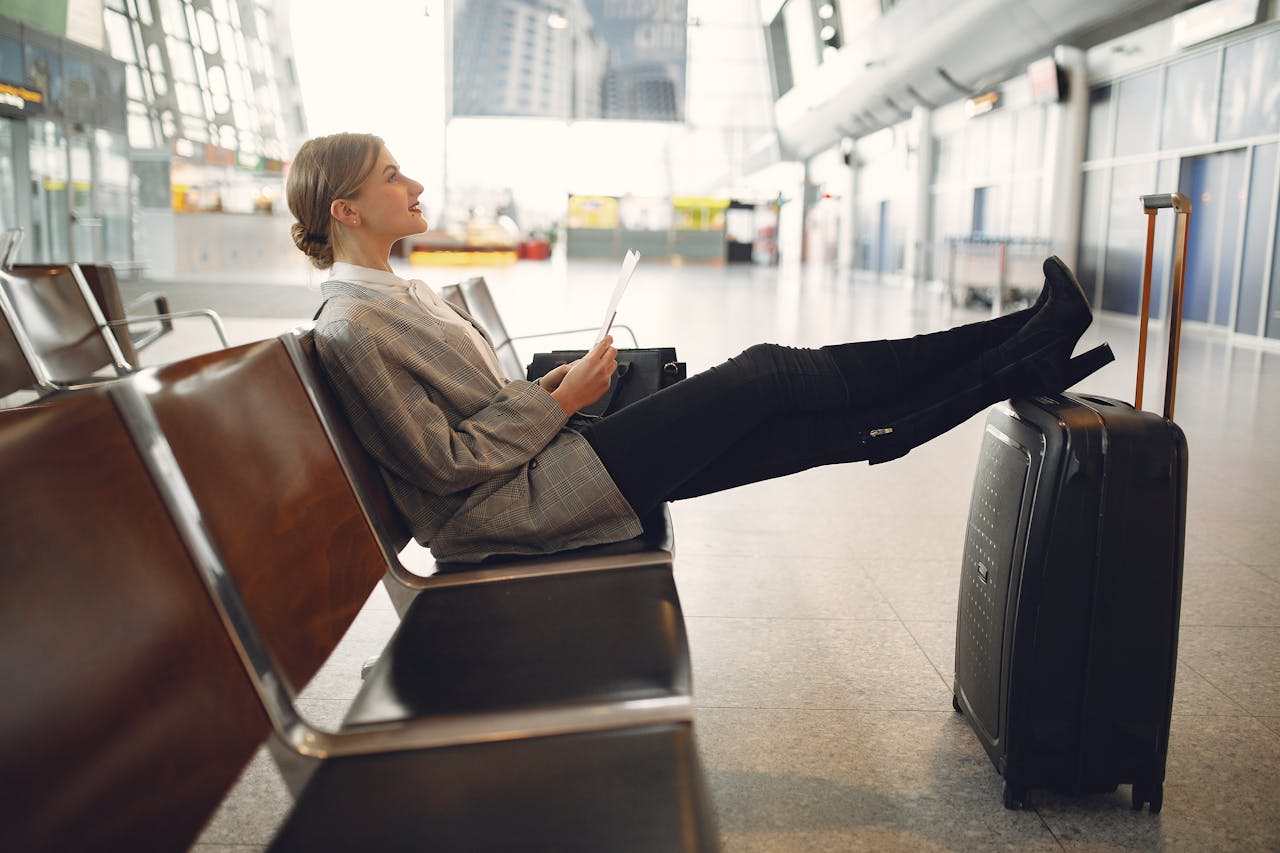
As a solo traveler, you might’ve noticed that your flight and hotel costs often seem higher compared to those booking in pairs. This discrepancy isn’t just a coincidence; it stems from pricing strategies like the ‘single supplement’ and the advantages that group bookings enjoy. Understanding these factors can help you navigate the travel landscape more effectively. But what are your options for minimizing these extra expenses?
Key Takeaways
- Airlines often charge solo travelers significantly more due to dynamic pricing algorithms that favor group bookings.
- The ‘single supplement’ pricing model increases costs for individuals, as businesses compensate for potential lost revenue from not filling additional spots.
- Group discounts create disparities, making it financially unappealing for solo travelers, who face higher rates compared to paired travelers.
- Market strategies categorize travelers, leading to systematic bias against solo travelers who are perceived as a niche audience.
- Booking during shoulder seasons or seeking ‘no single supplement’ deals can help mitigate higher costs for solo travelers.
Understanding the Factors Impacting Solo Travel Pricing
When you book a trip as a solo traveler, you may notice higher prices compared to what friends or family pay in a group. Airlines often charge considerably more for individual tickets, with some differences reaching up to 61%.
For example, American Airlines might charge $382 for one passenger versus $236 for two. This pricing disparity stems from revenue management strategies that categorize travelers based on booking behavior.
Dynamic pricing algorithms analyze passenger data, causing ticket prices to fluctuate, and often penalizing solo customers. Even though solo travel is increasingly popular, the industry still imposes these higher rates, making it essential for you to be aware of how these factors influence travel costs when planning trips alone.
The ‘Single Supplement’ Pricing Model Explained
While solo travel offers unique freedoms and experiences, the financial burden of the ‘single supplement’ pricing model can make planning your trip more challenging. This pricing strategy often forces you to pay considerably more for flights and accommodations compared to those traveling in pairs or groups.
- Airlines and hotels may impose higher rates to compensate for potential lost revenue, sometimes charging up to 61% more.
- Solo travelers face additional fees for combination tickets or room bookings that favor groups.
- The market treats you as a niche traveler, leading to less competitive pricing.
- As solo travel becomes more popular, concerns about fairness and accessibility within the industry remain prevalent, potentially discouraging you from exploring more options.
For example, travelers heading to Kazakhstan can see how seasonal demand peaks during summer holidays, when long sunny days and cultural events draw more visitors and influence pricing.
The Impact of Group Discounts on Solo Travelers
Group discounts profoundly affect solo travelers, often leading to significant financial disparities that can discourage independent exploration.
When you look at airfares, for example, American Airlines charges $382 for a solo fare compared to just $236 for two passengers. This staggering difference can represent up to a 61% increase for you, simply because you’re traveling alone.
Airlines frequently categorize fares to favor groups or business travelers, ignoring that your operational costs are the same as anyone else’s. Using advanced technology and data analytics, airlines employ dynamic pricing strategies that bolster group discounts, further inflating costs for lone travelers.
Ultimately, this systematic bias makes it harder for you to enjoy affordable travel experiences.
Effective Strategies to Reduce Solo Travel Costs
Solo travel doesn’t have to break the bank, and implementing a few effective strategies can help you save substantially.
Here are some tips to trim your expenses and make the most of your journey:
- Book during shoulder seasons to avoid peak rates and enjoy better pricing.
- Seek operators with “no single supplement” deals; these can greatly reduce accommodation costs.
- Join online solo travel communities to discover shared deals and group activities without the need for long-term commitments.
- Utilize group excursion platforms to engage in social activities, combating feelings of isolation while saving on costs.
Remember to prioritize female-friendly accommodations and safety-focused planning when choosing where to stay.
Real-Life Examples of Solo Vs. Group Pricing
Traveling alone can often lead to surprising financial challenges, especially when it comes to airfare.
For instance, American Airlines charges you $382 for a solo ticket versus $236 for a group of two, creating a staggering 61% price difference.
Similarly, Delta Air Lines lists a solo fare at $206, but you can snag a group ticket for just $154.
United Airlines showcases its solo ticket price at $223 from Chicago to Asheville, while booking for two drops it to $207.
A Thrifty Traveler investigation even revealed cases where solo fares were double those of group rates, showcasing the “single supplement” phenomenon.
These examples highlight how airlines strategically adjust prices to maximize revenue from individual and group travelers.
Frequently Asked Questions
Why Do Airlines Charge More for Solo Travelers?
Airlines charge more for solo travelers because they see individual bookings as higher profit opportunities. Their pricing algorithms often favor group travel, resulting in significant price discrepancies for those flying alone or booking single accommodations.
How Do I Avoid Single Supplement Charges?
To avoid single supplement charges, book during shoulder seasons, seek out no single supplement deals, utilize group excursions, research pricing carefully, and engage with online solo travel communities for shared insights and tips.
Leave a Reply