About 80% of travelers say they seek peace and renewal on trips, and you might be one of them. If so, the right setting can change your practice fast: oceanfront retreats, forest sanctuaries, mountain hideaways, and silent centers each offer a different kind of stillness. Some are budget-friendly, some demand planning, and a few may surprise you with what they leave out of sight.
Key Takeaways
- Alpine retreats offer cool air, quiet sound levels, and strong conditions for breathwork and focused meditation.
- Forest sanctuaries create calming settings with birdsong, dense canopies, and stress-reducing nature immersion.
- Desert sanctuaries provide clear skies and peaceful dawn and dusk windows for yoga and meditation.
- Oceanfront retreats in sheltered bays offer sea views, light breezes, and gentle soundscapes for practice.
- Quiet island, lake, mountain, and monastery retreats support silence, reflection, and structured daily meditation.
Best Calm Retreats for Meditation and Yoga
If you’re looking for the best calm retreats for meditation and yoga, start with places that naturally soften noise and distraction: mountain and alpine centers, forest lodges, desert sanctuaries, and quiet island or inland lake escapes.
In alpine settings, you’ll often find daytime sound levels below 30 dB, cool air that supports breathwork, heated halls, and walking trails with gentle elevation.
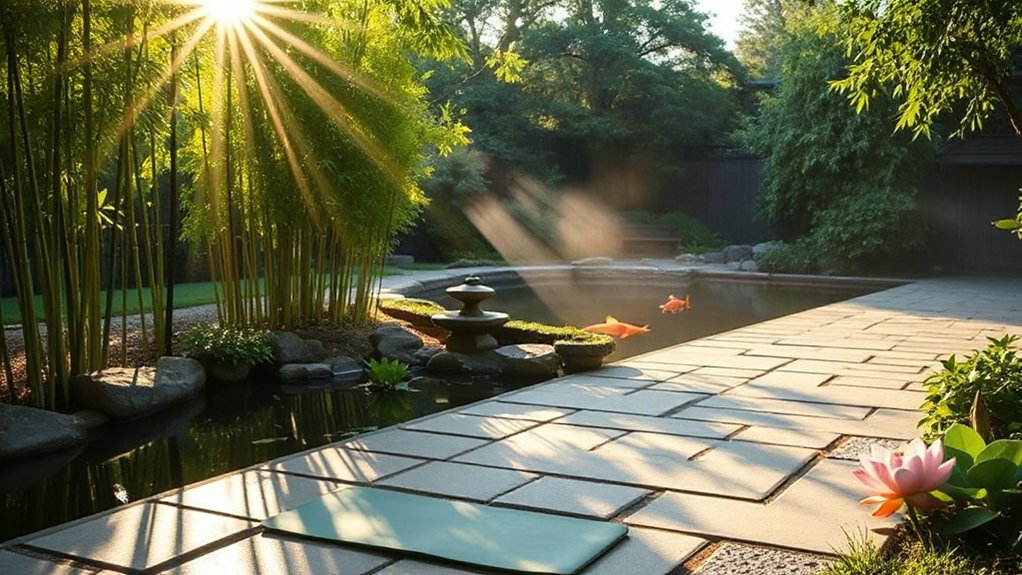
Forest retreats can lower stress after a few hours, thanks to dense canopy, birdsong, and simple cabins.
Desert retreats give you clear skies, minimal light pollution, and strong dawn or dusk practice windows.
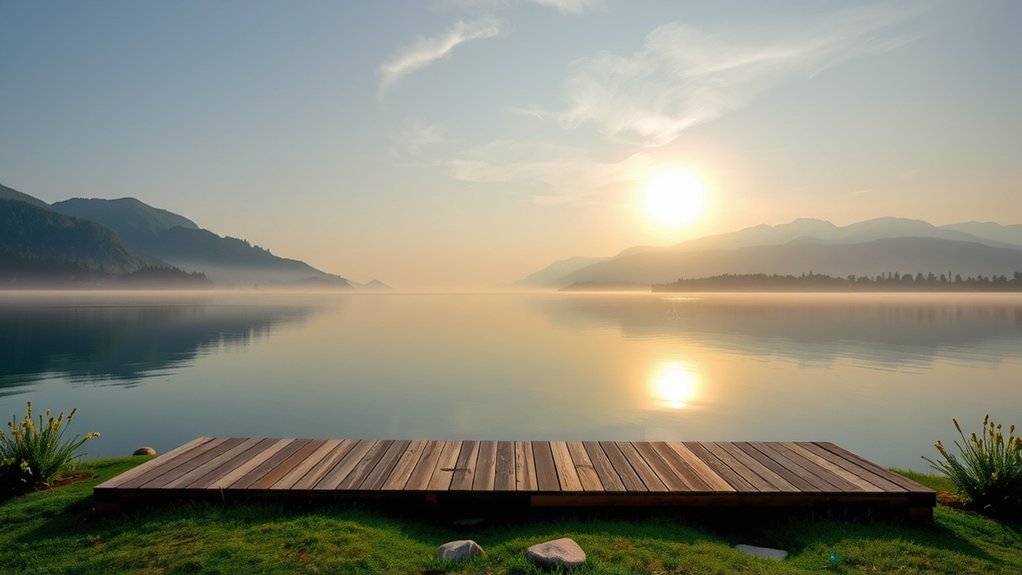
Inland lakes and islands offer still water, soft shore sounds, and reflective walking paths.
Choose a weekend, a 5–7 day stay, or a longer silent retreat, then let the setting steady your practice.
Drala Mountain Center is a sacred meeting place in the Rockies where stillness, meditation, and land stewardship support spiritual transformation.
Oceanfront Retreats for Meditation and Yoga
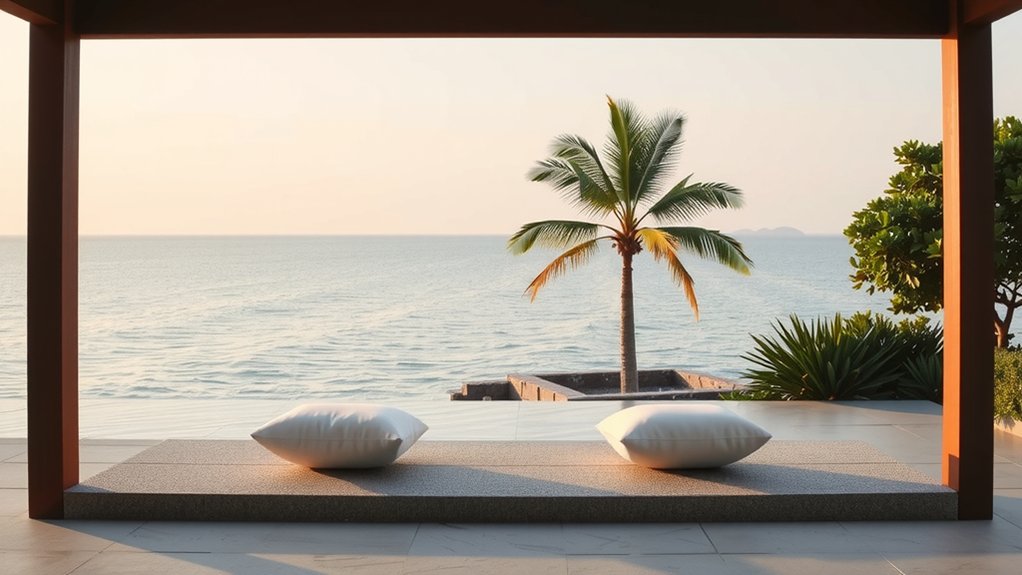
Oceanfront retreats can deepen meditation and yoga by pairing uninterrupted sea views with sunrise and sunset practice, calmer soundscapes in sheltered bays, and open-air shalas that catch the breeze. You’ll feel more grounded when you match breathwork to dawn light and restore at dusk. Look for nearby airports, so you can arrive easily and return refreshed.
| Feature | Why it matters |
|---|---|
| Sheltered bay | Softens wind and wave noise |
| Sea-facing shala | Supports light, breeze, and focus |
| Reefs or mangroves | Add mindful nature encounters |
| Sleep-friendly rooms | Improve rest and recovery |
You can also choose programs with snorkel sessions, cold plunges, and digital-detox days. Pick places that protect reefs, manage water well, and keep safety staff on hand for a calmer, more responsible retreat. The digital detox and silence of a full retreat can support deeper introspection and a real reset.
Forest Sanctuaries for Deep Quiet
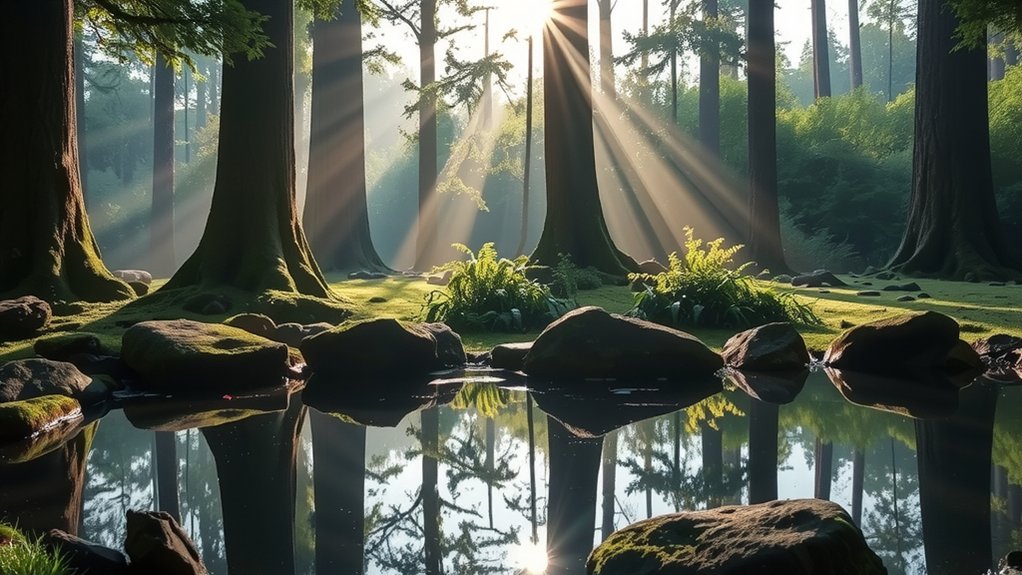
You’ll find that forest sanctuaries quiet your mind fast, with tree-lined trails and still air helping you settle into meditation.
As you walk these paths, forest bathing can ease stress and sharpen your focus through simple, steady contact with nature.
When you choose a retreat with quiet trails, you give yourself more space for yoga, reflection, and deep calm. The Seclusion Retreat Campus in Northern California offers spacious, nature-infused surroundings for meditation, yoga, and personal growth.
Forest Bathing Benefits
Forest bathing can quickly settle both body and mind, especially in forest sanctuaries where deep quiet makes it easier to slow down.
As you breathe in cool, humid air, your stress hormones often drop, your blood pressure eases, and your resting heart rate can soften. Your nervous system shifts toward parasympathetic balance, while your immune defenses may briefly strengthen through higher NK cell activity.
You’ll often feel less anxious and mentally cluttered, with sharper attention and a lighter mood after even a short session. Regular visits can also support sleep, reduce inflammation, and improve overall well-being.
Tree scents, rich sounds, and tactile contact help restore you, and guided sessions can deepen the effect. In places like Yakushima, ancient cedar forests and exceptional biodiversity make the experience especially immersive.
Quiet Trails And Retreats
Quiet trails invite stillness when they’re chosen with care: look for routes that stay in the 1–6 mile range, gain less than 500 feet, and run on narrow, soft surfaces under a closed canopy. You can also find sacred spaces set within Sedona’s red rocks for reflection, meditation, and inspiration.
You’ll hear less road noise when you stay more than half a mile from busy hubs, and weekday mornings often feel 40–70% quieter than weekends.
Seek mature forests with dense canopy, moss, ferns, and small streams that steady your attention without overwhelming it.
If you want deeper retreat, choose silent cabins, guided day retreats, or eco-yoga platforms with simple amenities and no Wi-Fi.
Reserve spots early, since permits and low-capacity access help protect the hush you came for.
Mountain Retreats for Yoga and Stillness
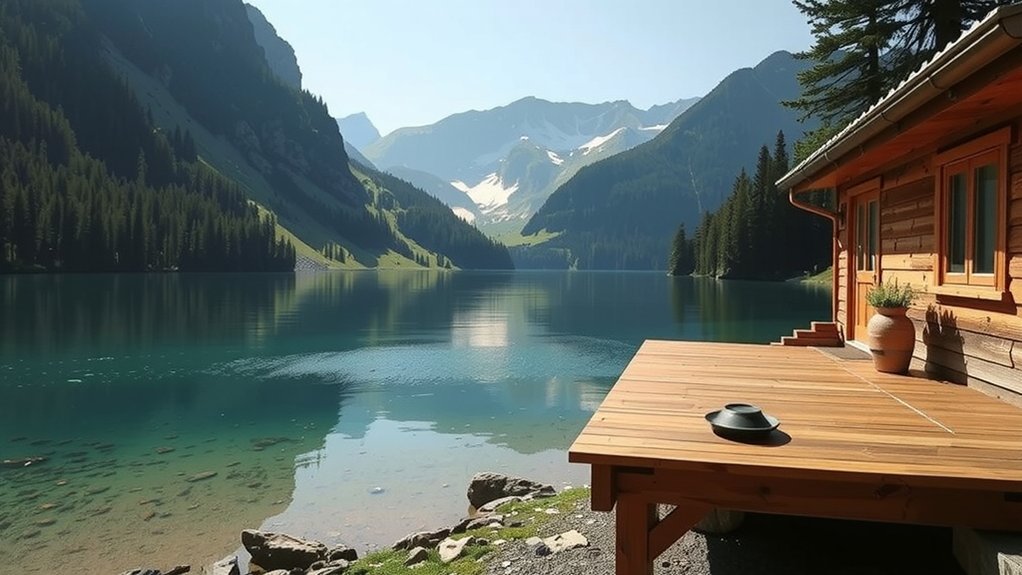
You’ll often travel 10 to 60 km from the nearest town, sometimes by 4×4 or a long hike, so plan carefully and expect limited emergency access. Many centers open mainly from spring through autumn, since snow can close roads for two to four months.
Once there, you may sleep in cabins, bungalows, dorms, or insulated yurts, and enjoy vegetarian meals, shared silence, and simple practice halls.
You can join pre-dawn meditation, pranayama, gentle yoga, and walking practice in small groups. Connectivity may be weak, which helps you unplug and stay present.
The Sivananda Yoga Ranch is currently closed to the public, with programs being organized to transition online.
Ashrams and Monasteries for Daily Practice
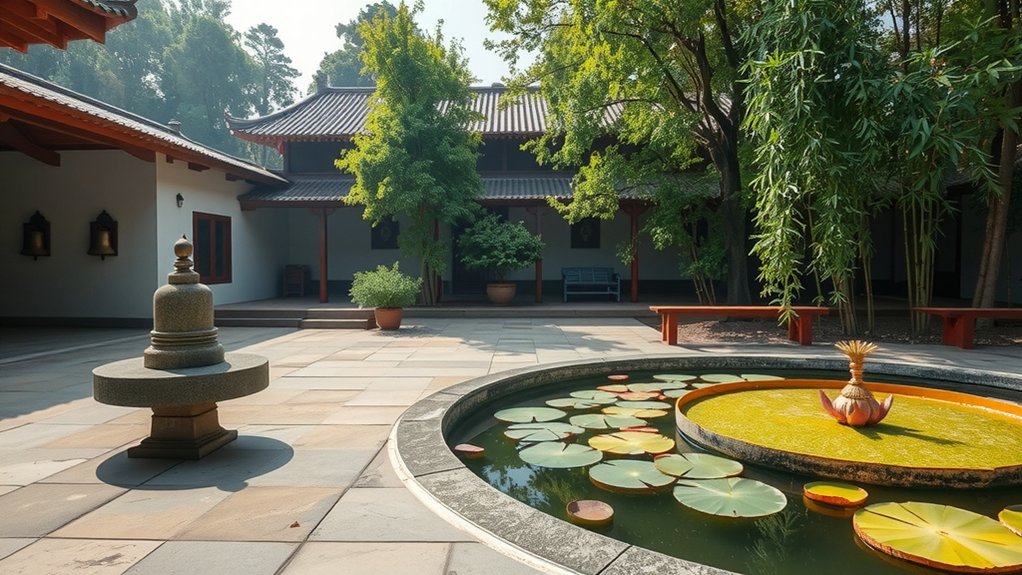
If you want steady, built-in structure, ashrams and monasteries can give you a clear daily rhythm for meditation and yoga.
You’ll usually rise for early sitting, chanting, or puja, then share quiet meals, study teachings, and join work practice before an evening session.
Many places follow long spiritual lineages, from Hindu sampradayas to Zen, Theravada, and Tibetan schools, so you can learn within a living tradition.
Shasta Abbey offers practice in the Serene Reflection Meditation tradition for both monks and lay visitors.
You can choose a day visit, short retreat, or longer residency, and many centers welcome beginners, offer sliding-scale fees, or rely on donations.
Facilities often stay simple, with dorms, shared baths, and modest rooms, though some provide more comfort.
That balance helps you focus on practice, discipline, and daily repetition.
Coastal Retreats With Guided Yoga
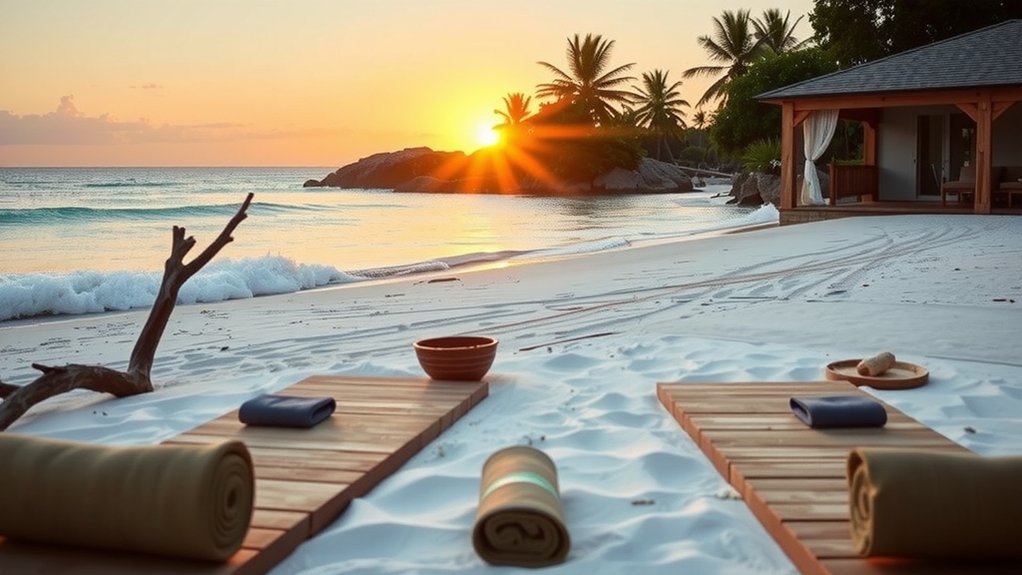
Along the coast, guided yoga retreats pair ocean air with a clear daily structure, making it easier to settle into practice without planning every detail yourself.
You might wake for 60–90 minutes of dynamic asana, then use midday free time for rest, workshops, or an excursion.
By late afternoon, you can unwind with yin, pranayama, or a restorative class, then end with guided meditation or satsang.
Popular choices include Goa, Bali, Costa Rica, Algarve, Andalusia, Southern California, and Baja California.
You’ll find beachfront villas, eco-cabins, plant-forward meals, massage, and sometimes surf or paddleboard add-ons.
Most programs run for a weekend, a short break, or 8–14 days, with small groups and certified teachers.
Some Goa retreats also offer personalized one-on-one yoga sessions, plus meditation and breathwork.
Silent Retreat Centers for Focused Meditation
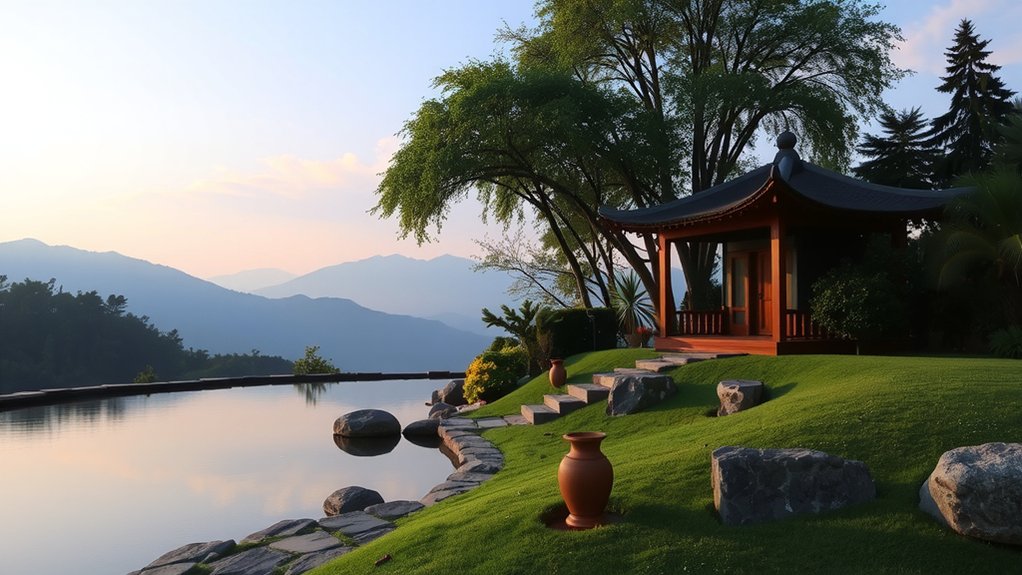
After the rhythm of a guided yoga stay, silent retreat centers offer a different kind of calm: fewer distractions, deeper stillness, and a schedule built to keep your attention on practice. You might head to mountain campuses in the Sierra Nevada, Himalayas, or Rockies, where thin air and wide views help you settle. Forest sites add walking trails and silent paths, while rural monasteries and dedicated retreat campuses support strict noble silence, long sits, and limited teacher check-ins.
Your days often start at 4:00 or 5:00 AM, then move through meditation blocks, walking practice, rest, and optional mindful movement. The Dharmakaya silent retreat in Cragsmoor, New York, offers guided meditations, gentle yoga, journaling, and nature time from October 13 to 17, 2025.
You’ll sleep in a private cabin or shared room, eat quiet meals, and keep phone use off.
Budget-Friendly Calm Retreats to Book
When you want a calm retreat without a big price tag, look to regions where weeklong stays are naturally affordable: South Asia often runs about $200–$700, Southeast Asia about $150–$600, and budget options in Central America, Europe, and North America can still fit tighter budgets with smart planning.
You can stretch your money by choosing shared rooms and packages with vegetarian meals, which often cut costs.
- Pick Nepal, India, Thailand, Bali, or Cambodia for low-cost yoga and meditation.
- Compare low-season offers, community-run centers, and work-exchange stays for extra savings.
- Book longer stays when possible, since 7+ nights often bring discounts.
You’ll also pay more for private rooms or added excursions, so keep your plan simple and focused.
Shared rooms at some retreats can cost Rs 2,000 per person, and long-term stays may get discounts for bookings of 7 nights or more.
Check Flights, Visas, and Health Rules
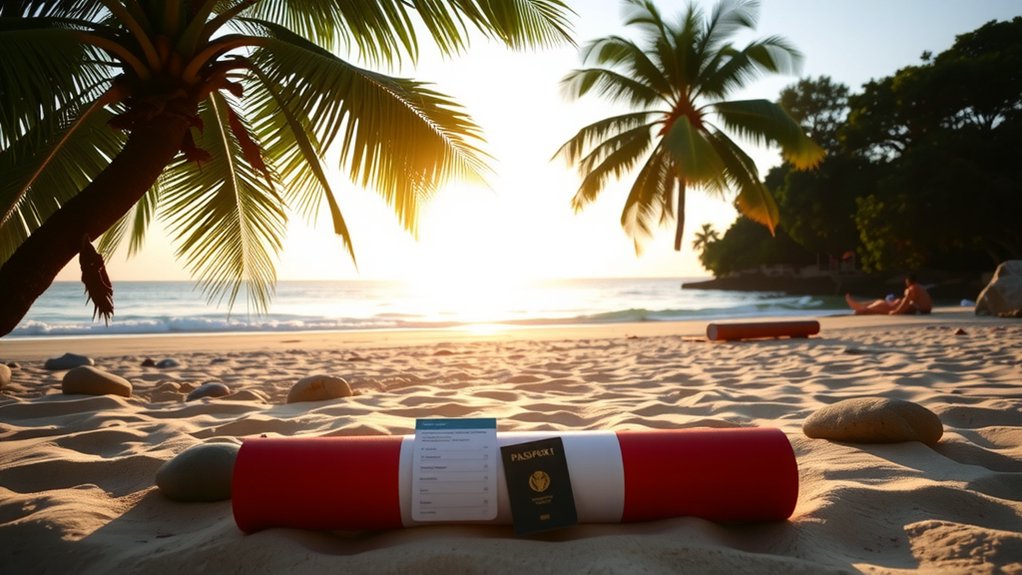
You should check flight options early, since fares often rise in peak months and cheaper seats usually appear in shoulder seasons.
Next, confirm visa rules, passport validity, and any proof of onward travel so you don’t get stuck at the border.
Finally, review health entry rules, required vaccines, and local medical support so your retreat stays peaceful and safe. At The Sanctuary At Two Rivers, guests can arrive through a serene 15-minute nature walk into a secluded jungle setting in Costa Rica.
Flight Access
Before you book a retreat, check flight access, visa rules, and any current health requirements, because the easiest route isn’t always the fastest or cheapest. You should compare nonstop options to major hubs, then look at onward regional flights, since total travel can range from 3 to 6 hours nearby to 12 to 24+ hours internationally.
- Review seasonal schedules; peak months often add 10% to 40% more service.
- Check destination airports for runway limits, transfers, Wi‑Fi, medical help, and 24/7 transport.
- Price the full trip, including baggage, seat fees, and payment charges; low-cost fares can rise fast.
Book 6 to 12 weeks ahead for regional trips, or 2 to 4 months for long-haul.
Also confirm health screening, test rules, and insurance before you go.
If your retreat is in San Marcos La Laguna, remember that getting there usually means a shuttle to Panajachel followed by a lancha across Lake Atitlán.
Visa Requirements
Once you’ve checked flight access, the next step is making sure your visa and entry rules match the kind of retreat you’re taking. If you’re joining a short stay, a tourist visa or visa-free entry may be enough. For longer programs, you’ll often need an education visa, especially in places like Thailand. Some monasteries or cultural retreats ask for special permits. Bring a passport with enough validity, plus an invitation letter, proof of funds, and return travel. Nepal meditation retreats, however, are simpler because a standard Tourist Visa is sufficient for all meditation activities.
| Need | Why it matters |
|---|---|
| Passport | Lets you enter |
| Acceptance letter | Confirms your retreat |
| Proof of funds | Shows you can stay |
| Return ticket | Supports your plan |
Check processing times early, because approvals can take days or weeks.
Health Precautions
A smooth retreat starts with a final check of flights, entry rules, and health requirements.
Book direct flights when you can, since connections add time and disruption, and consider carry-on only to avoid baggage problems.
If you’re traveling east, plan extra recovery time for jet lag. Check airline policies within 72 hours because rules can change.
- Confirm visas, digital health forms, and passenger locator documents 24–72 hours before arrival.
- Update routine and destination-specific vaccines, and bring printed plus digital copies of your vaccine record, allergy list, and emergency contacts.
- Buy travel insurance with medical and evacuation cover, and make sure it includes your retreat activities and any pre-existing conditions.
A recent medical and dental check-up can help you avoid urgent care far from home. All Indonesia App and other digital entry steps should be completed before you fly.
Choose the Right Retreat Type for You
Which retreat feels right for you?
If you want a quick reset, choose a weekend or even a half-day retreat; you’ll spend less time and money, and still get a useful introduction.
For deeper change, a week-long stay helps you absorb the practice more fully. If you’re ready for immersion, pick a 10-day-plus retreat or teacher training.
Then match the focus to your goals: yoga retreats build strength and breath work, meditation retreats quiet the mind, and mixed wellness retreats support a full-body reset. At Esalen Institute, the emphasis is on spiritual expansion rather than luxury, making it a strong choice if you want perspective as well as practice.
If you love movement, try hiking or surfing add-ons.
Next, consider the setting. Nature-based venues calm you, urban stays suit short trips, and rustic centers deepen community.
Smaller groups usually give you more personal guidance.
Frequently Asked Questions
How Do Retreat Soundscapes Affect Meditation Depth?
You deepen meditation when retreat soundscapes stay low, steady, and predictable. You’ll relax more with natural, slow rhythms, gentle harmonics, and 40–55 dB sound, while abrupt or loud noise disrupts focus and calm.
What Should I Pack for a Silent Retreat?
You should pack modest layers, loose clothes, underwear, socks, slip-on shoes, a cushion, blanket, eye mask, earplugs, toiletries, medications, water bottle, sunscreen, documents, notebook, alarm, and a spare outfit.
Are Altitude Retreats Safe for Beginners?
Altitude retreats can be safe for beginners if you choose moderate elevations, ascend slowly, and watch for headaches or dizziness. You should get medical clearance if you’ve got heart or lung conditions, and rest often.
How Far in Advance Should I Book Popular Retreats?
You’ll want to reserve popular retreats well ahead—usually 3–12 months before, and 6–18 months for famous teachers or peak-season getaways. Book even earlier for scholarships, holidays, or long silent retreats.
Do Retreats Provide Vegetarian or Special Diets?
Yes, you’ll usually get vegetarian meals, and many retreats’ll handle vegan, gluten-free, or allergy needs if you tell them early. Some stricter centers avoid meat, alcohol, coffee, onion, garlic, and other foods.
Leave a Reply