
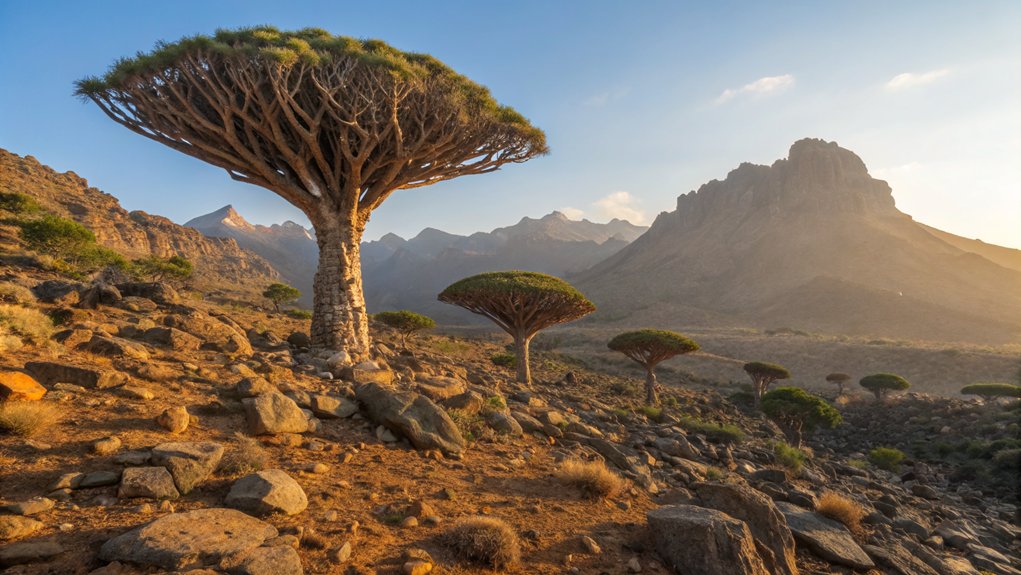
If you’re planning your next travel adventure, Yemen might not be the first destination that comes to mind, but it’s full of hidden gems worth exploring. From the haunting beauty of Haid Al-Jazil to the architectural wonders of Shibam, each spot tells a unique story. You might find yourself captivated by Sana’a’s charm or the serene landscapes of Socotra Island. What awaits you in these remarkable places could transform your travel experience.
Key Takeaways
- Shibam: Explore the “Manhattan of the Desert” with its impressive mud-brick skyscrapers, recognized as a UNESCO World Heritage site.
- Sana’a: Visit the ancient city boasting stunning mud-brick buildings, vibrant markets, and historical landmarks like the Great Mosque.
- Socotra Island: Experience a unique ecosystem with endemic plant species and diverse wildlife, perfect for ecotourism and hiking adventures.
- Haid Al-Jazil: Discover Yemen’s ghost town with unique architecture and fascinating ruins amidst a stunning desert landscape.
- Marib: Uncover ancient wonders, including the Marib Dam and Queen of Sheba’s Palace, rich in historical significance and archaeological treasures.
Explore Haid Al-Jazil: Yemen’s Ghost Town on a Boulder
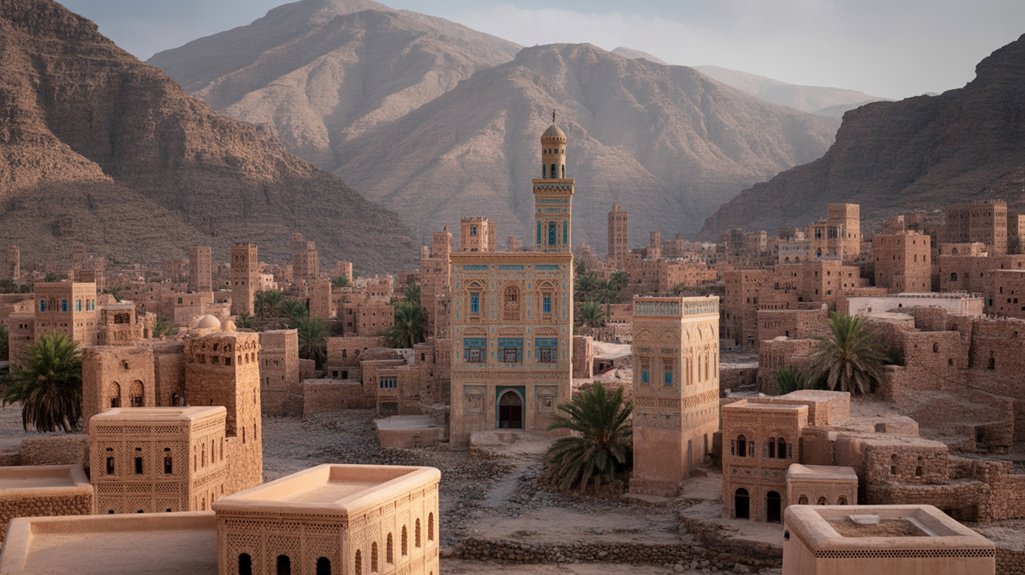
Nestled on a remarkable 350-foot boulder in a deserted valley reminiscent of the Grand Canyon, Haid Al-Jazil is a ghost town that captures the imagination.
Once bustling with life, this village now has only 17 remaining residents, as heavy rains and erosion have taken their toll.
As you wander through ruins dating back around 500 years, you can almost hear whispers of its vibrant past. The unique architecture offers a glimpse into the region’s history, showcasing the resilient spirit of its former inhabitants.
Although a small resort opened in 2008, it’s now inactive, highlighting the decline in interest.
For adventurous travelers, Haid Al-Jazil presents a rare opportunity to explore a remote gem steeped in history and natural beauty.
Discover Shibam’s Unique Mud-Brick Skyscrapers and History
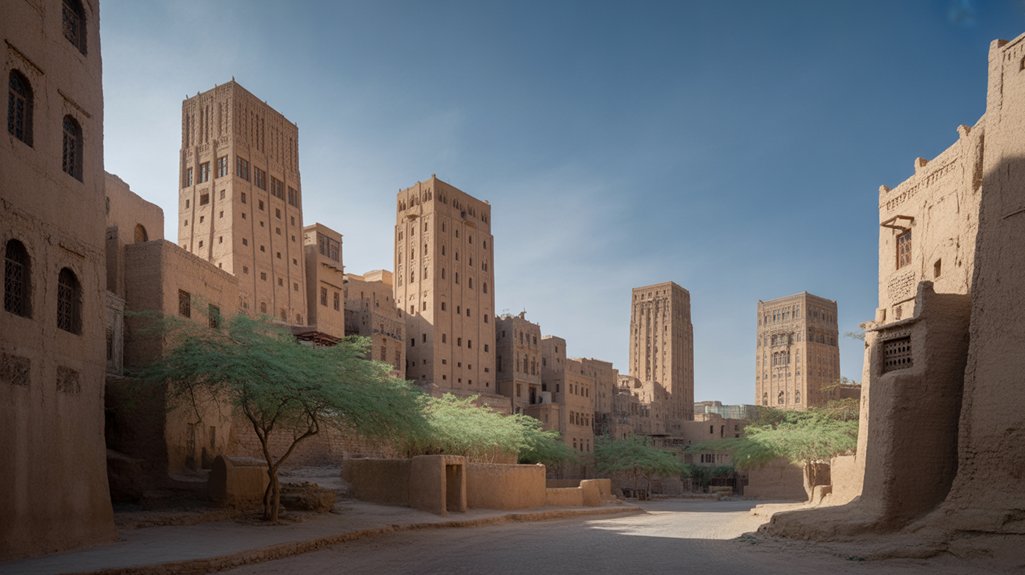
In the heart of Yemen, Shibam stands out with its spectacular mud-brick skyscrapers, often called the “Manhattan of the Desert.” This ancient city boasts around 500 impressive structures, each rising between five to eleven stories. As a UNESCO World Heritage site, Shibam showcases remarkable craftsmanship and urban planning adapted to its harsh desert conditions. Most of the buildings date back to the 16th century, exemplifying ancient construction techniques.
| Feature | Description |
|---|---|
| Ancient Craftsmanship | Reflects historical building techniques |
| Height Range | Structures rise between five to eleven stories |
| Historical Significance | Key trade link for centuries |
| UNESCO Status | Recognized for exceptional architectural value |
| Preservation Concerns | At risk from erosion and climate change |
Discover Shibam’s rich history and architectural wonders on your visit!
Marvel at Sana’a’s Ancient Architecture and Rich Culture
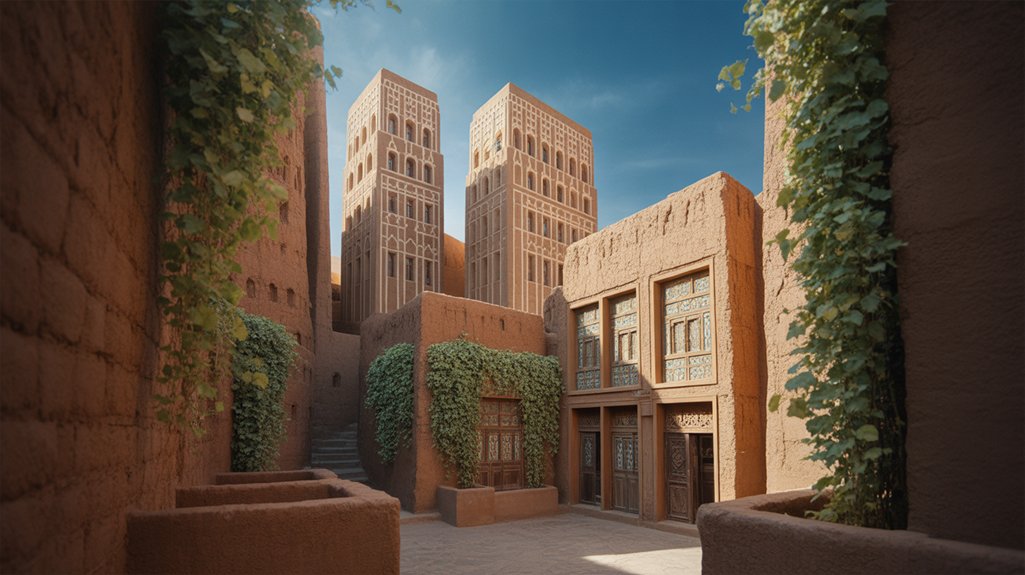
When you explore Sana’a, you’ll be captivated by its stunning UNESCO Heritage Sites and ancient mud-brick buildings that tell tales of a rich history.
The vibrant markets brim with traditional crafts and spices, giving you a taste of authentic Yemeni culture.
Plus, the warm hospitality of the locals makes your visit an unforgettable experience.
Stunning UNESCO Heritage Sites
Sana’a captivates travelers with its stunning UNESCO World Heritage status, showcasing a rich tapestry of ancient architecture and vibrant culture.
As you wander through the Old City, you’ll be enchanted by the mud-brick buildings and the intricate geometric patterns that adorn them, all dating back over a thousand years.
Don’t miss Ghumdan Palace, one of the earliest skyscrapers in the world, which underlines Yemen’s architectural heritage.
The Great Mosque of Sana’a stands as one of the oldest in the Muslim world, demonstrating exquisite craftsmanship and serving as a significant pilgrimage site.
Elevated at 2,300 meters, Sana’a not only offers breathtaking views but also a unique geographical and cultural charm that makes it an unforgettable destination.
Traditional Markets and Crafts
Nestled within the bustling heart of Sana’a, the traditional markets pulse with life, offering a vivid glimpse into Yemeni culture. As you wander through the vibrant stalls, the aromatic spices and intricate textiles will captivate your senses.
Be sure to visit the Salt Market (Suq al-Milh), where you’ll find a treasure trove of regional goods, from fresh bread to unique antiques.
The labyrinthine streets of Sana’a’s Old City, a UNESCO World Heritage site, surround you with ancient mud-brick buildings adorned with stunning geometric patterns that speak to centuries of craftsmanship.
Don’t miss the chance to admire the traditional Yemeni knives, known as jambiya, symbolizing the rich cultural heritage. Each corner reveals the artistry and spirit of this enchanting place.
Warm Yemeni Hospitality Experience
In the heart of Yemen, you’ll find an unforgettable experience steeped in genuine warmth and hospitality.
As you wander through Sana’a’s Old City, a UNESCO World Heritage site, marvel at the intricate mud-brick architecture that reflects the country’s rich history. The vibrant markets invite you to immerse yourself in local culture, showcasing crafts, spices, and traditional Yemeni knives.
You’ll notice the renowned Yemeni hospitality, with locals eager to share meals and personal stories, making your journey even more meaningful.
Don’t miss the Great Mosque of Sana’a, a stunning example of Islamic beauty, and visit Dar al-Hajar, where you can appreciate Yemen’s unique architectural style while soaking in the region’s rich cultural heritage.
Experience the Beauty of Socotra Island’s Unique Ecosystem
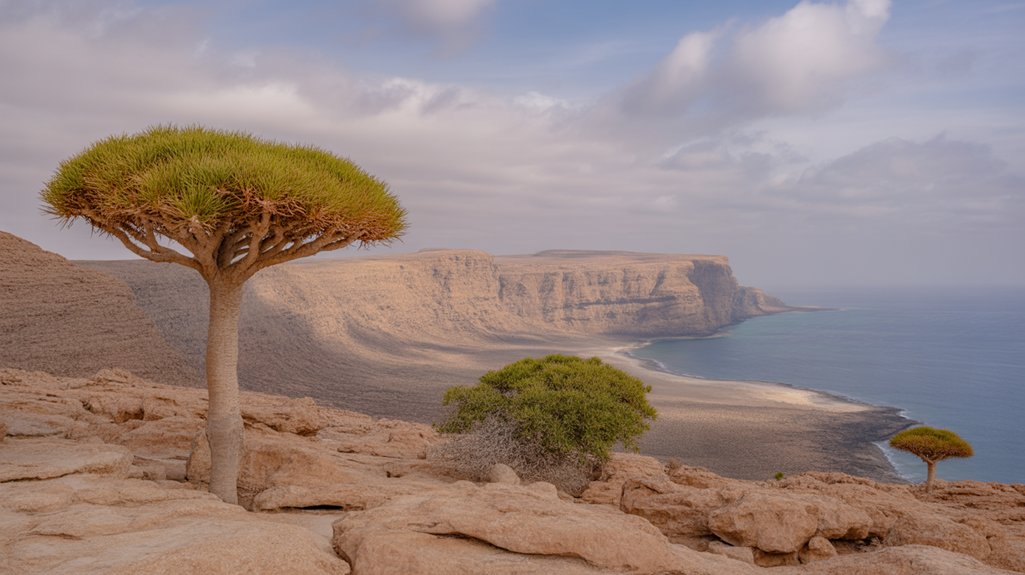
On Socotra Island, you’ll encounter a striking diversity of flora and fauna, with over 30% of its plant species found nowhere else on Earth.
Don’t miss the chance to learn about the rich cultural heritage of the indigenous Al-Mahrah tribe, whose customs paint a vivid picture of life on this remarkable island.
As you explore, you’ll discover how the unique ecosystem and cultural significance intertwine, making Socotra a truly unforgettable destination.
Diverse Flora and Fauna
While exploring the enchanting landscapes of Socotra Island, you’ll discover a striking array of flora and fauna that sets this destination apart. The island’s unique biodiversity offers an unforgettable experience, showcasing species found nowhere else on Earth.
Here’s what you’ll find:
- Over 30% of plant life is endemic, including the iconic Dragon’s Blood tree.
- More than 1,000 species of flora and fauna, such as the Socotra Starling.
- Diverse ecosystems, from white sandy beaches to rugged mountains.
- Recognized as a UNESCO World Heritage site for its remarkable biodiversity.
- A haven for ecotourism, ideal for hiking and birdwatching.
Immerse yourself in the awe-inspiring beauty and ecological wonders that make Socotra a true natural treasure.
Cultural Significance and Heritage
The rich cultural significance and heritage of Socotra Island complement its breathtaking landscapes and unique biodiversity.
As you explore, you’ll encounter the iconic dragon’s blood tree, its umbrella shape and red sap steeped in traditional medicine and artistry. This island is a haven for adventure seekers, with pristine white beaches and dramatic limestone plateaus inviting discovery.
Immerse yourself in the ancient poetry tradition of the Al-Mahrah tribes, which weaves the island’s history and stories deeply into its cultural fabric.
Although tourism declined due to conflict, the resurgence of ecotourism emphasizes sustainable exploration, allowing you to appreciate Socotra’s natural wonders while supporting its local communities.
It’s a unique opportunity to experience a living heritage intertwined with stunning nature.
Trek the Majestic Haraz Mountains for Stunning Views
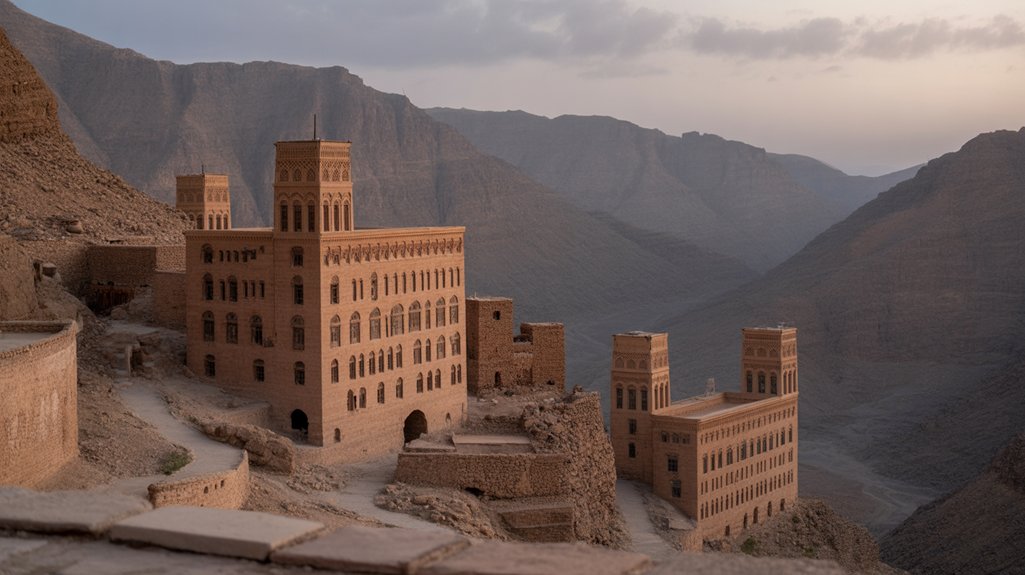
As you commence on a trek through the majestic Haraz Mountains, breathtaking views and stunning landscapes unfold before you.
You’ll be captivated by the region’s natural beauty and rich culture. Here are some highlights of your journey:
- Enjoy panoramic vistas of terraced fields that cascade down the mountainsides.
- Explore medieval fortified villages, showcasing unique architectural styles.
- Engage with local farmers and learn about traditional agricultural practices.
- Experience the exhilarating twisting roads that offer unforgettable sunset views.
- Discover diverse flora and fauna, perfect for nature enthusiasts.
This trekking adventure in the Haraz Mountains isn’t just about the views; it’s an immersive exploration into Yemen’s heritage and natural wonders, leaving you with memories to cherish forever.
Yemeni Hospitality in Al Mahwit: a Journey Into Community
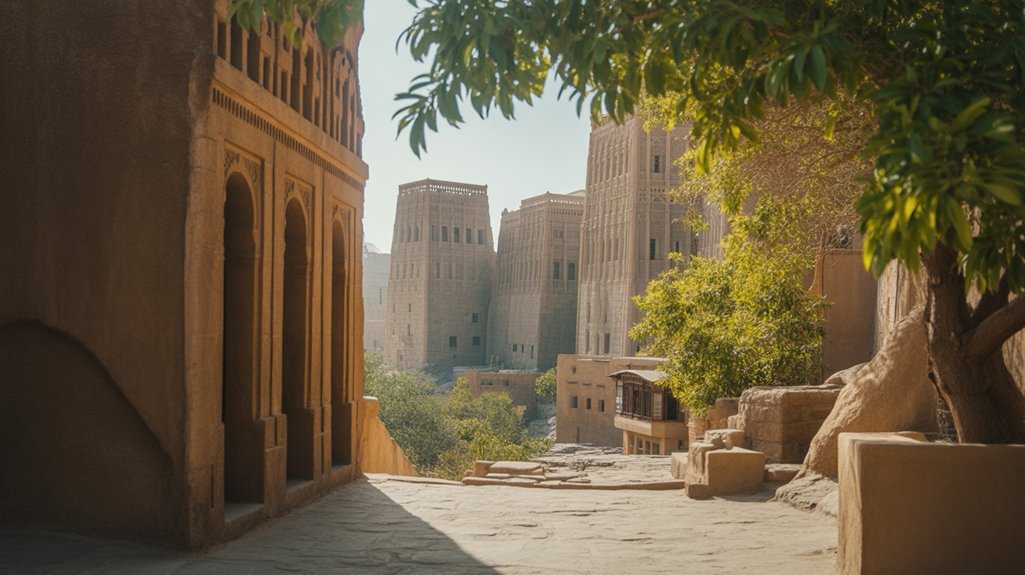
There’s something truly special about experiencing Yemeni hospitality in the mountain city of Al Mahwit.
Here, the stunning terraced fields and traditional architecture set the perfect backdrop for warm interactions with the local community. You’ll find that residents often invite you to share traditional meals, promoting a rich cultural exchange. As you engage with them, you’ll gain insights into their unique customs and daily lives, making your journey all the more meaningful.
The picturesque landscapes reflect the resilience and optimism of the people, even amid ongoing challenges. Al Mahwit serves as an excellent introduction to Yemeni culture, with enthusiastic residents ready to share their stories and traditions.
You won’t just visit; you’ll connect with a vibrant community.
Discover the Amazing History of Marib’s Ancient Wonders
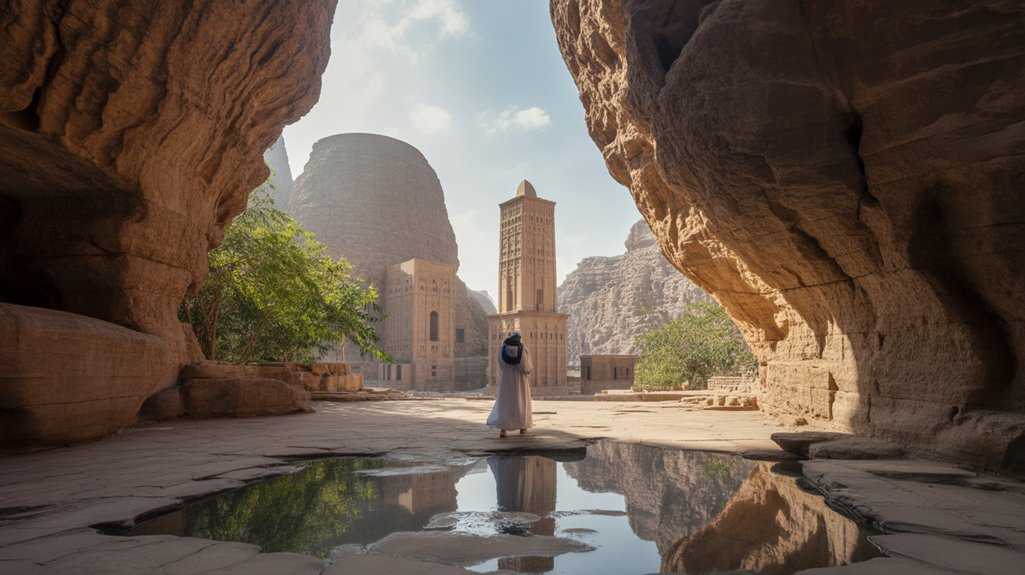
Marib’s ancient wonders reveal a mesmerizing chapter of Yemen’s history that you won’t want to miss.
As you explore this legendary city, you’ll uncover remarkable sites that tell stories of a bygone era. Here are some highlights:
- The ancient Marib Dam, an 8th-century BCE engineering marvel.
- Ruins of the Queen of Sheba’s Palace, connecting you to biblical tales.
- Intricate archaeological sites showcasing Sabaean craftsmanship.
- Evidence of advanced water management systems that supported agriculture.
- Recent artifacts and inscriptions offering insights into ancient social and religious practices.
Each of these elements contributes to Marib’s standing as an essential cultural site, enriching your understanding of Yemen’s extraordinary past and mesmerizing your imagination.
Don’t overlook this historical gem on your journey!
What Are the Current Travel Conditions in Yemen?
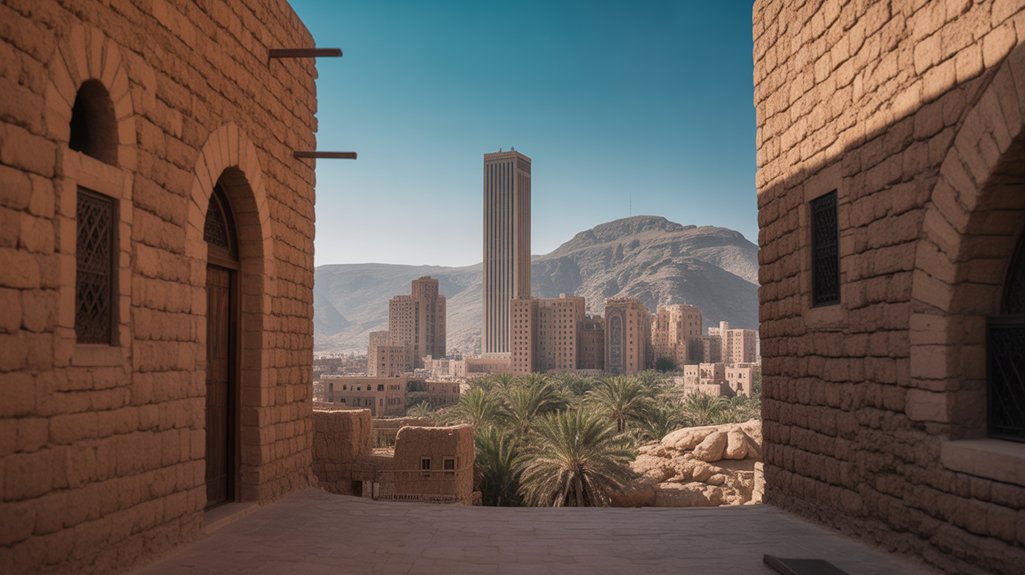
Exploring Yemen’s rich history, especially in places like Marib, can be enticing, but it’s important to understand the current travel conditions before making any plans. Yemen is facing a civil war that creates a volatile security situation, making travel highly risky. Travel advisories regularly warn against visiting due to ongoing conflicts. Special permits are often needed, and military checkpoints complicate travel logistics. The safest areas are usually in the south, steering clear of Houthi-controlled regions in the north. Staying informed on recent developments and considering local guides is vital.
| Condition | Description | Recommendations |
|---|---|---|
| Safety Level | Volatile due to civil war | Avoid conflict zones |
| Travel Permits | Required for tourism | Seek local guidance |
| Security Checks | Frequent military checkpoints | Plan your routes carefully |
| Advisories | Strong warnings against travel | Stay updated on news |
| Safe Regions | Generally southern parts | Focus your visit there |
Frequently Asked Questions
What Can Visitors Do in Yemen?
You can explore ancient cities, trek breathtaking landscapes, and hike through majestic mountains. Engage with locals, savor authentic cuisine, and experience vibrant markets, all while discovering Yemen’s unique culture and stunning natural beauty.
Are There Any Nice Areas in Yemen?
Yes, you’ll find several stunning areas in Yemen. Explore the architecture of Sana’a, hike the Haraz Mountains, or relax on Socotra Island’s pristine beaches. Each destination offers unique natural beauty and cultural experiences waiting for you.
Can US Citizens Go to Socotra, Yemen?
Yes, you can visit Socotra, Yemen, but you’ll need special permission. It’s best to collaborate with local tour operators to navigate the regulations and guarantee a safe, enjoyable adventure in this unique destination.
Leave a Reply