
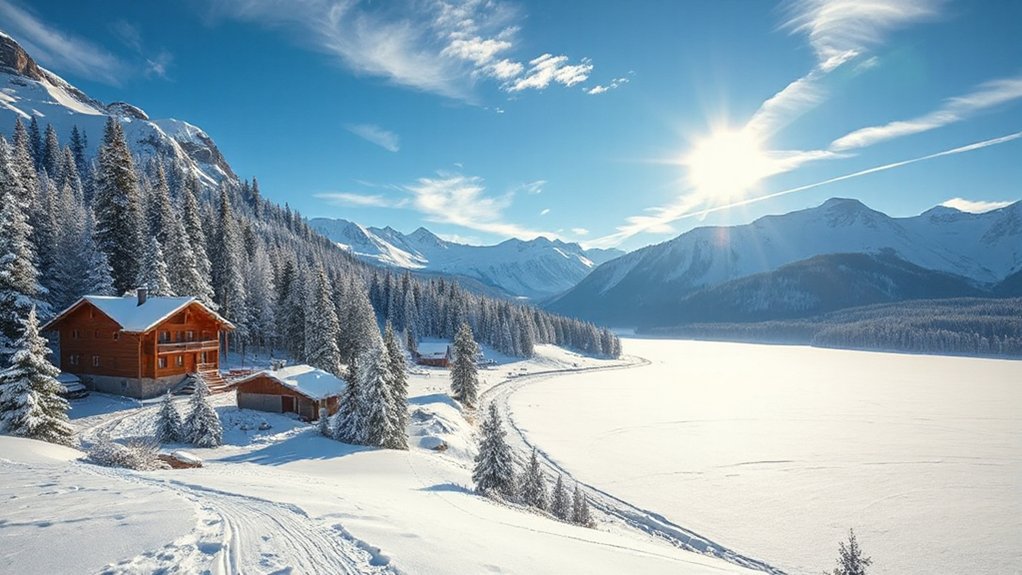
If you’re planning a winter escape, you’ve got more than one way to find snow worth the trip. You can chase northern lights in Lapland, ski deep powder in Hokkaido, or settle into a quiet alpine village in the Bavarian Alps. Each place offers its own kind of cold-weather appeal, and the best choice may not be the one you expect.
Key Takeaways
- Lapland in Finland and Sweden offers Arctic snow, aurora viewing, husky sledding, and memorable stays in glass igloos or the Icehotel.
- Tromsø, Norway is a reliable winter escape with snowy fjords, strong northern lights visibility, and easy access to dark-sky excursions.
- Hokkaido and Sapporo, Japan deliver deep powder, excellent skiing, and the famous February Snow Festival with giant snow sculptures.
- Banff and Lake Louise in Canada combine vast ski terrain, cross-country trails, and stunning Rocky Mountain winter scenery.
- Hallstatt, Garmisch-Partenkirchen, and Harbin add village charm, glacier skiing, and spectacular ice-and-snow festivals to a snowy itinerary.
What Makes a Great Snow Destination
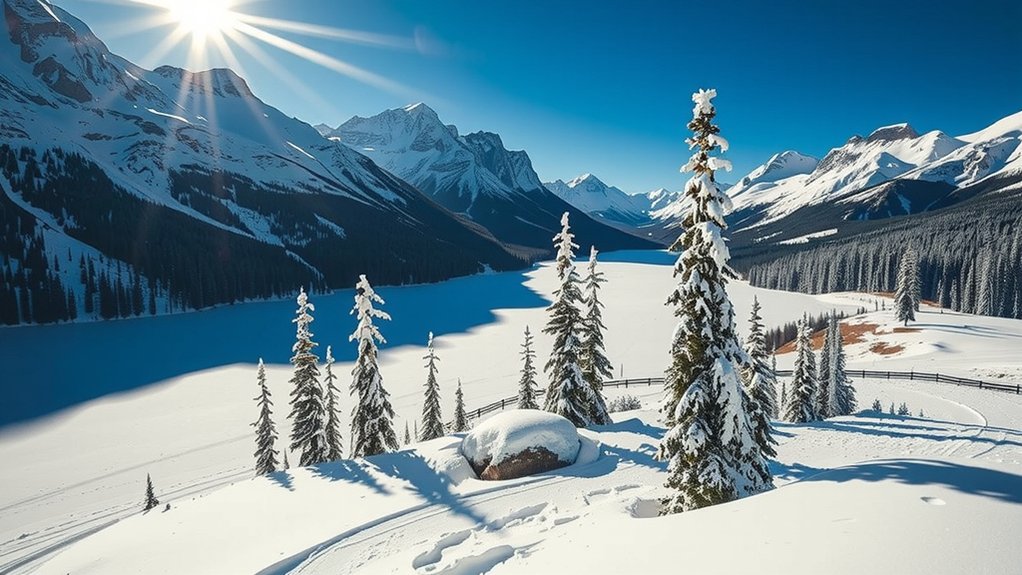
A strong resort sits within a practical transfer from an international airport, offers direct rail or shuttle links, and keeps roads and trains open through most of winter. Higher base villages and lift-served summits above 1,500 meters usually give you better snow security, while snowmaking helps when temperatures dip.
You also benefit from varied pistes, dependable grooming, and lifts that move quickly, so you spend more time skiing and less time waiting. If you like exploring, look for controlled off-piste zones and terrain parks.
Finally, choose a place with good lodging, dining, and beginner services so your trip feels easy from arrival to après-ski.
Lapland, Finland: Arctic Lights and Igloos
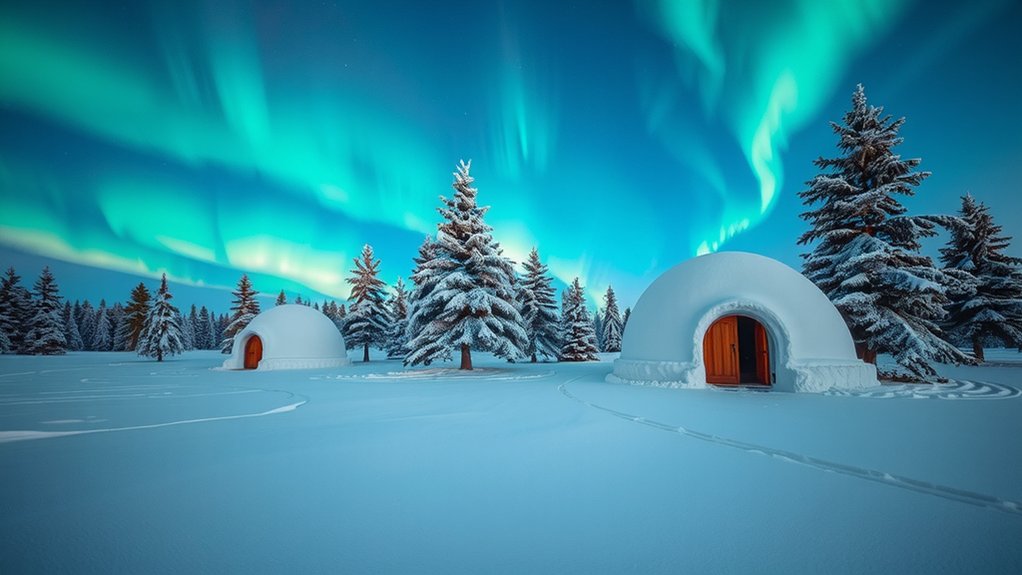
Far above the Arctic Circle, Lapland gives you one of winter’s most striking escapes, with long snow seasons, crisp subzero nights, and a strong chance of seeing the northern lights.
In places like Rovaniemi, Levi, and Ranua, you can settle into a glass igloo or aurora lodge and watch the sky from a heated dome. Levi Igloos on the slopes of Utsuvaara offers 27 glass igloos and a tranquil setting for watching the Northern Lights.
From late October or November through April, the snow usually stays deep, and the best aurora viewing runs from late August to early April.
Clear, dark nights away from city lights help most, and local guides can boost your chances with alerts and chase tours.
During the day, you can add husky sledding, reindeer safaris, snowmobiling, or a sauna, then return to your warm window on a night.
Lapland, Sweden: Kiruna’s Winter Wilderness
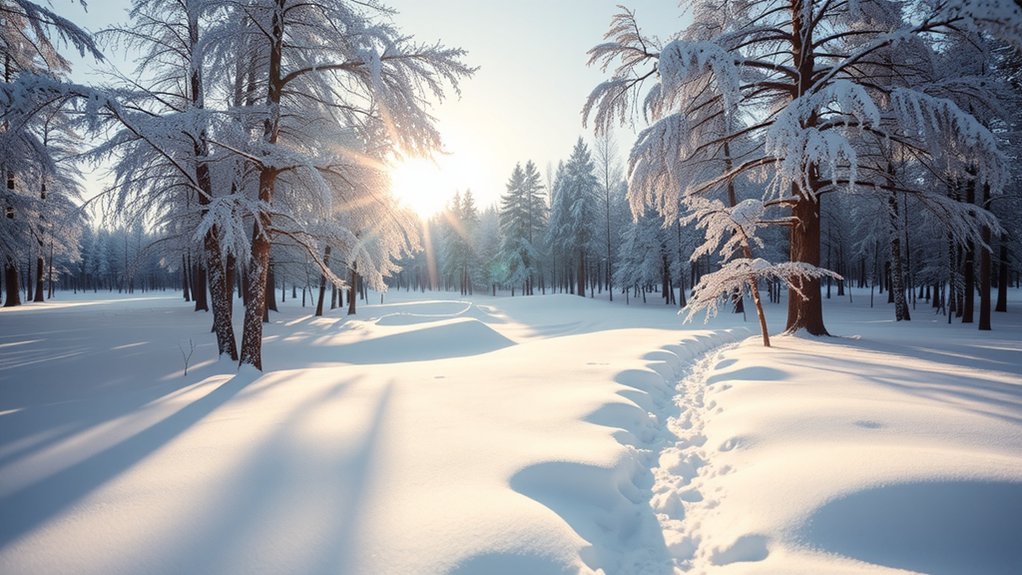
If Finland’s Lapland is about glowing igloos and aurora lodges, Sweden’s Lapland takes that same Arctic atmosphere and stretches it into Kiruna’s wide winter wilderness.
You’ll reach Kiruna by flight from Stockholm, a night train, or the E10, then settle into a town where winter lasts from late October to April.
Expect January days near -10°C to -15°C, with nights often below -20°C, and keep in mind that polar night dims December and January.
For the best aurora chances, leave town’s lights, check KP forecasts, and join a guided trip to a dark site.
You can also dog sled, snowmobile, visit the Icehotel, or meet Sami hosts and reindeer nearby.
Kiruna’s relocation is underway because iron ore mining has made parts of the town unstable.
Tromsø, Norway: Snowy Fjords and Auroras
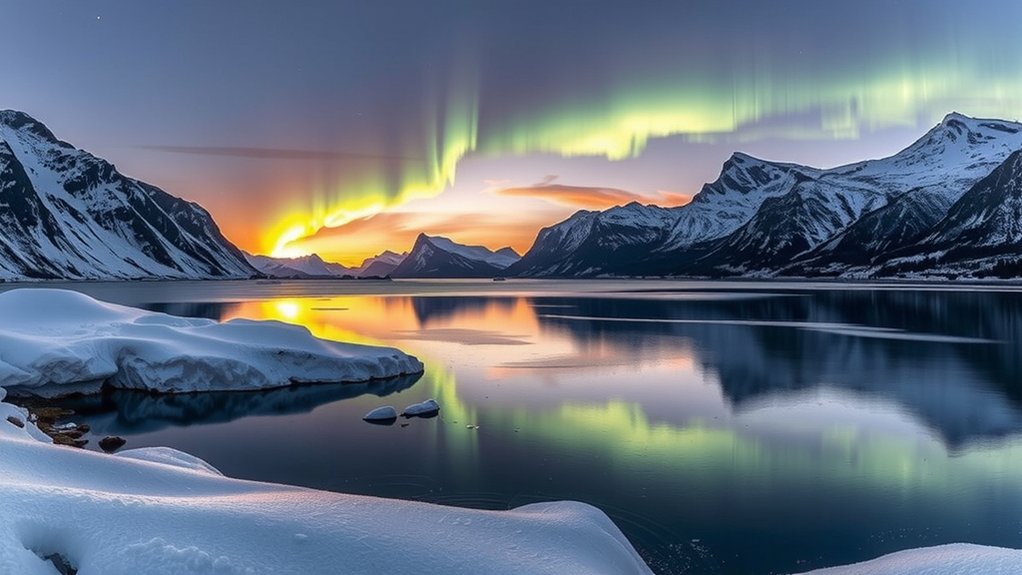
Tromsø sits about 350 km north of the Arctic Circle on Tromsøya island, where you get a true Arctic city break with real winter drama.
With the Gulf Stream softening the cold, you’ll find winter temperatures around −5°C to 0°C, plus snow from November to April and frozen fjords in the darkest months. The city also sits under the auroral oval, so your odds of seeing the northern lights are strong on clear nights.
- Head to Kvaløya or Ersfjordbotn for dark-sky aurora views.
- Join a guided chase for live weather updates and photo help.
- Book snowshoeing, dog-sledding, or a winter fjord cruise.
Polar night adds drama from late November to mid-January, and you can reach the center quickly from Tromsø Airport.
Hokkaido, Japan: Powder Snow and Onsens
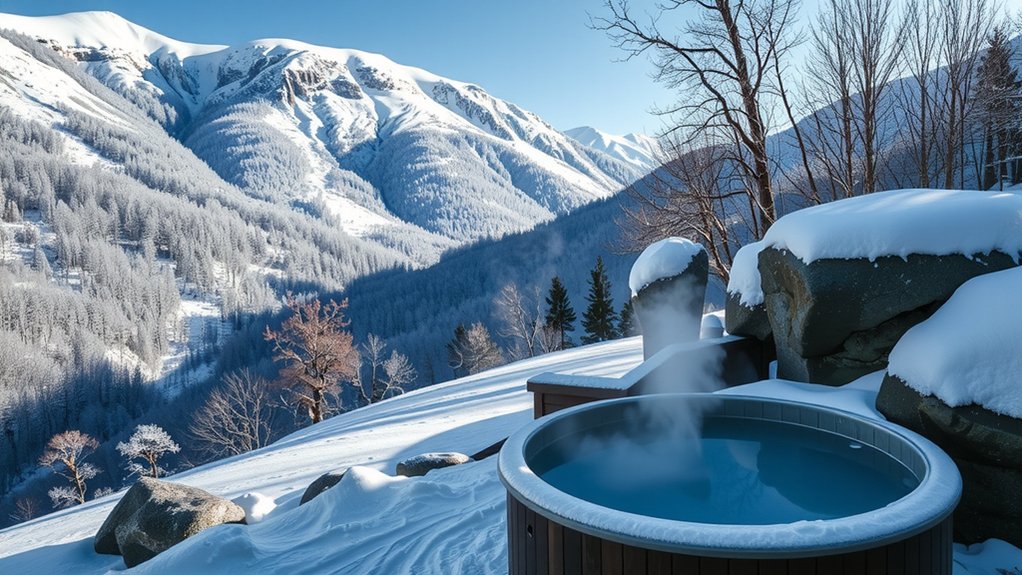
Hokkaido gives you some of Japan’s best winter snow, and it pairs that powder with the kind of onsen soak that makes sore legs worth it.
In Furano, you’ll find dry inland powder, about 9 to 10 meters of annual snowfall, and a smart layout with longer runs in the Furano Zone and easier access in Kitanomine.
Niseko brings famous “Japow,” four linked resorts, and plenty of night skiing, dining, and hot springs.
If you want a bigger base with family activities, Tomamu adds broad terrain, an Ice Village, and Unkai views.
After skiing, slip into a ryokan bath or outdoor rotenburo, wash properly first, and let the steam reset you.
Winter buses and shuttles make reaching these resorts manageable.
Furano Ski Resort also offers night skiing in the Kitanomine Zone from 15:30 to 20:30.
Sapporo, Japan: Snow Festival Magic
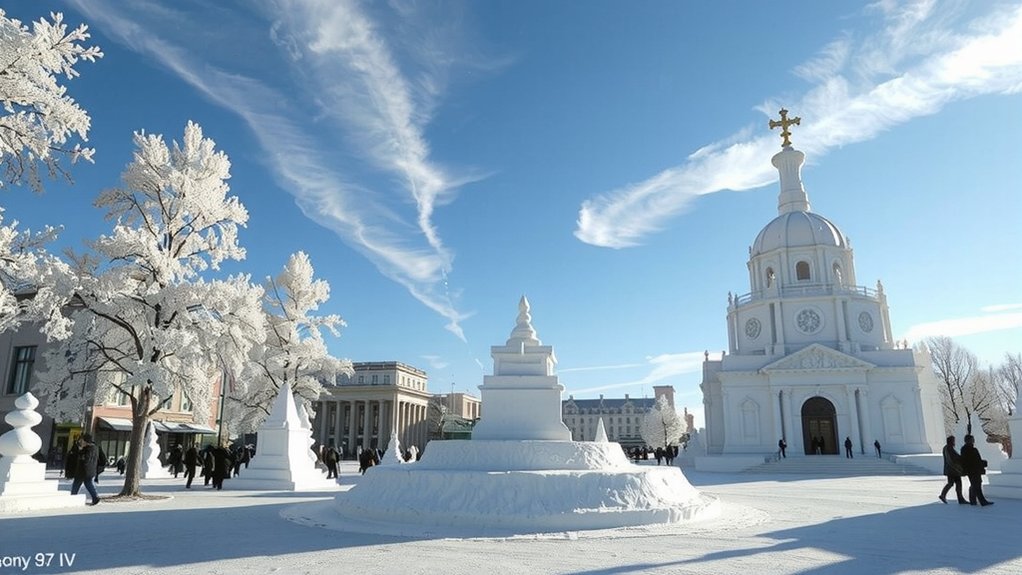
In Sapporo, you can watch the Snow Festival turn Odori Park into a citywide showcase of towering sculptures, glowing ice art, and lively food stalls.
You’ll feel the city’s winter energy most at the busiest evening displays, but daytime also lets you see artists at work.
If you want more cold-weather thrills, you can pair the festival with nearby powder skiing for a full winter escape.
Held every February, the Sapporo Snow Festival draws more than 2 million visitors from Japan and around the world.
Snow Festival Highlights
Sapporo’s Snow Festival turns February into a citywide winter spectacle, with the Odori site stealing the spotlight through more than 100 massive snow sculptures spread along a 1.5-kilometer stretch of central park. You can wander from 1-chome to 12-chome, then catch live stages, projection mapping, and glowing displays after dark.
- See the biggest sculptures at Odori.
- Stroll Susukino for ice art and neon-lit evenings.
- Head to Tsudome for snow slides and family play.
You’ll also find yatai serving Hokkaido specialties and warming drinks.
Visit on a weekday or early morning to beat crowds, or stay late for illumination until about 10 p.m. With around 2 million visitors, this festival feels lively, but you can still enjoy it at your own pace. The 2026 festival runs from February 4 to 11 and is expected to draw huge crowds.
Powder Skiing Paradise
When the Snow Festival fills the city with dazzling ice and snow art, you can also use Sapporo as a launchpad for some of Japan’s best powder skiing. From New Chitose Airport, you’ll reach the city in about an hour, then head out by train, bus, or rental car. The annual Sapporo Snow Festival runs from February 5–11, 2026, making it a perfect time to pair urban winter sights with mountain adventures.
Teine is only 30 to 40 minutes away, while Niseko and Kokusai give you bigger mountain days. Expect light, dry “champagne powder,” especially from late December through early March, with January and February bringing the deepest snow. You can chase groomers, tree runs, bowls, and guided backcountry lines, then return to hot meals and cozy lodgings.
Night skiing, modern lifts, and reliable resort services make Sapporo a strong base for a true winter escape.
Banff and Lake Louise, Canada
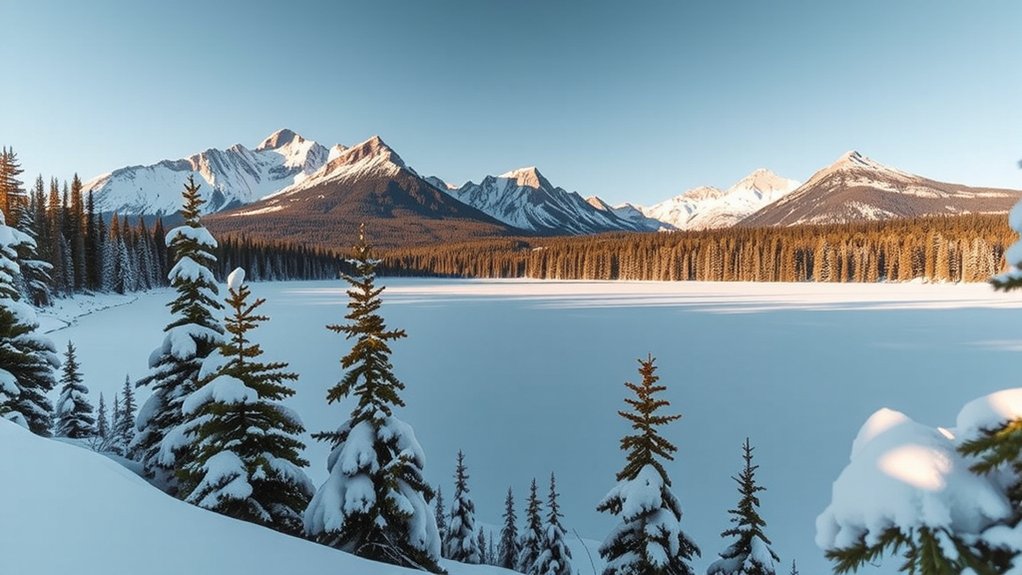
Just 62 km northwest of Banff town, Lake Louise sits high in Alberta’s Banff National Park, where winter means deep snow, frozen water, and mountain air that can plunge below −30°C with wind chill.
You can reach it by Highway 1 from Calgary in about two hours, or from Banff in about 40 minutes, but you’ll need winter tires.
In peak season, crowds swell, so book early.
Try:
- Skiing Lake Louise’s varied slopes.
- Skating on the frozen lake and seeing SnowDays ice art.
- Snowshoeing or cross-country skiing on groomed trails.
Keep your park pass handy, stay on marked routes, and watch for wildlife and avalanche alerts.
With limited parking and cell service, planning ahead helps you enjoy the alpine scenery safely.
The lake is a crown jewel of Banff National Park and a must-see destination for winter visitors.
The Austrian Alps: Hallstatt’s Winter Charm
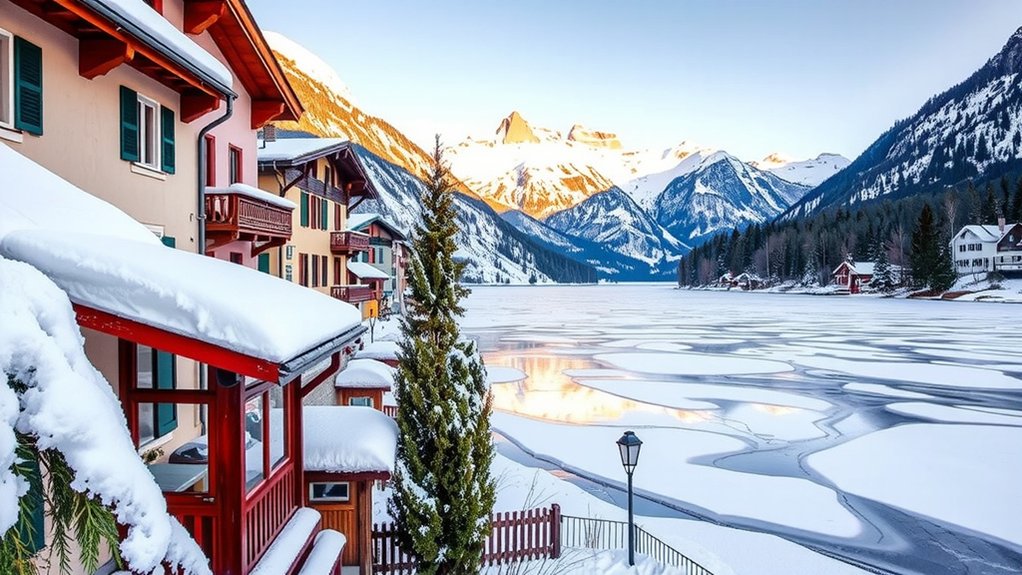
Tucked on the western shore of Lake Hallstatt and backed by the steep Dachstein peaks, Hallstatt feels especially magical in winter, when snow softens its tiny streets and the UNESCO-listed village takes on a quieter, more intimate charm. You can wander the lakeside, admire the yellow Evangelical Church, or ride up to the Skywalk for crisp alpine views.
| Winter highlight | Why it’s special | Tip |
|---|---|---|
| Salt mine | Deep local history | Book ahead |
| Skywalk | Big lake-and-mountain views | Dress warmly |
| Old core | Quiet, photogenic lanes | Visit early |
Freezing days and short light make the village feel hushed, while occasional snow turns paths slick, so use care. An overnight stay lets you catch the best dawn and dusk light without the day-trip rush. Winter closures mean the salt mine, funicular, and Skywalk are closed through June 2026, so plan alternative indoor breaks and viewpoints.
The Bavarian Alps: Cozy Villages and Ski Slopes
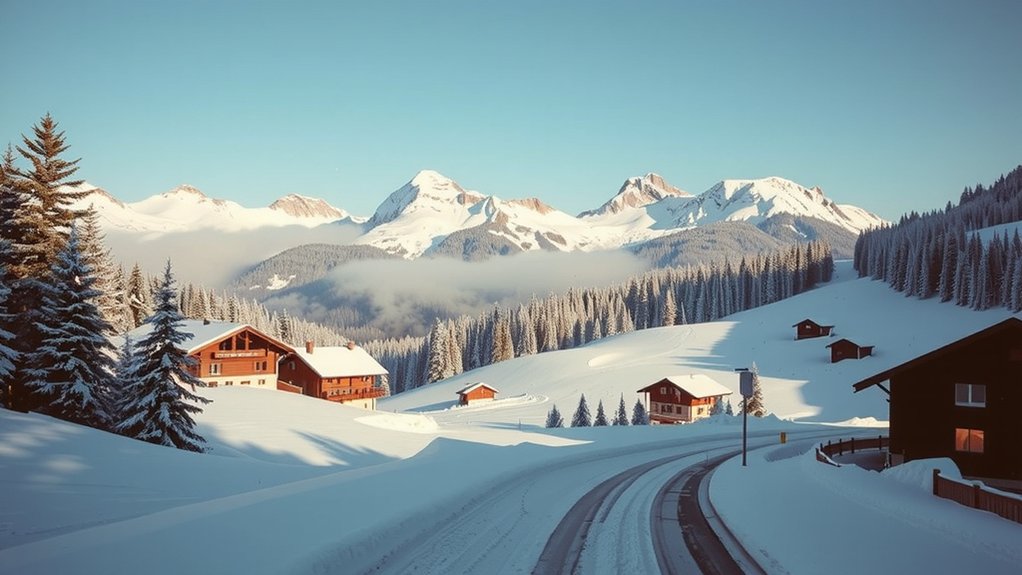
South of Munich, the Bavarian Alps deliver a winter mix of snowy village streets and high-mountain skiing, with Garmisch-Partenkirchen at the center of it all.
You can reach it in about 90 minutes by train or car, then settle into a cozy guesthouse, spa hotel, or alpine lodge. From there, you’ll ski Garmisch-Classic or head higher to Zugspitze for reliable snow and glacier runs. The Zugspitze glacier adds high-altitude skiing above the tree line, with sweeping views and five lifts serving the area.
- Explore the Kandahar slopes and marked freeride terrain with a guide.
- Warm up with käsespätzle, pretzels, or roast pork after a cold day.
- Add cross-country trails, snowshoe hikes, or a ride through Partenkirchen’s historic streets.
With steady snowmaking, classic alpine scenery, and easy access from Munich, you’ll find a compact winter base that feels both lively and आराम?
Harbin, China: Giant Ice and Snow Sculptures
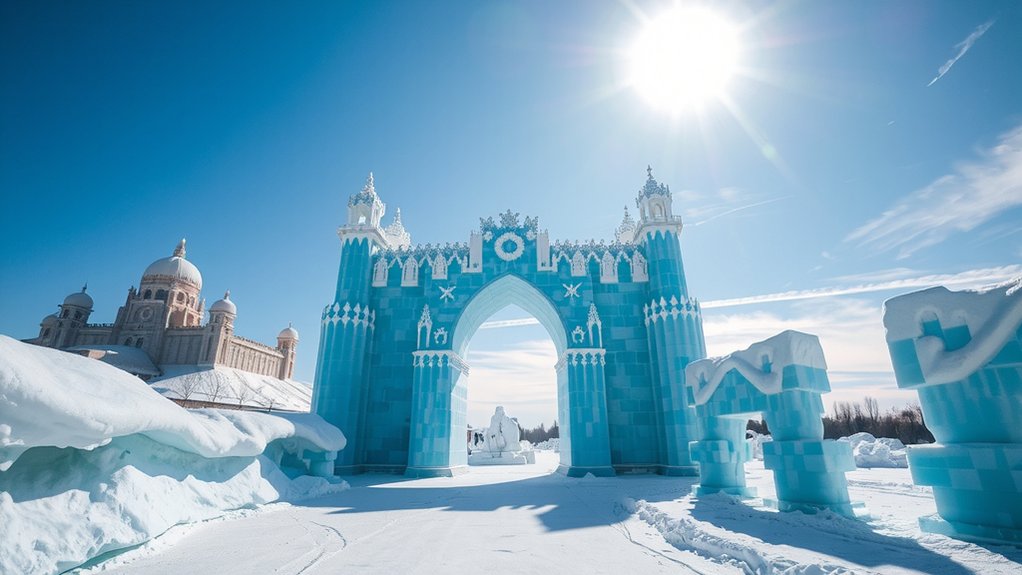
In Harbin, winter becomes a spectacle of light and sculpture: the city’s famed Ice and Snow Festival turns frozen blocks into glowing castles, slides, mazes, and towering lanterns. Harbin Ice and Snow World is the festival’s crown jewel, with massive ice skyscrapers, a Snow Ferris Wheel, and dance carnivals.
You’ll see why Harbin earned its “Ice City” nickname: locals shaped ice lanterns here in the early 1900s, and the festival grew into a global event in 1985.
At Ice and Snow World, you can walk among illuminated ice skyscrapers and huge mapped façades after dark.
On Sun Island, you’ll view giant snow sculptures best in daylight.
In Zhaolin Park, smaller lanterns create a classic city-center stop.
Visit from mid-January to early February for the best conditions, and book ahead if you’re coming during peak holiday crowds.
Top Snow Activities by Destination
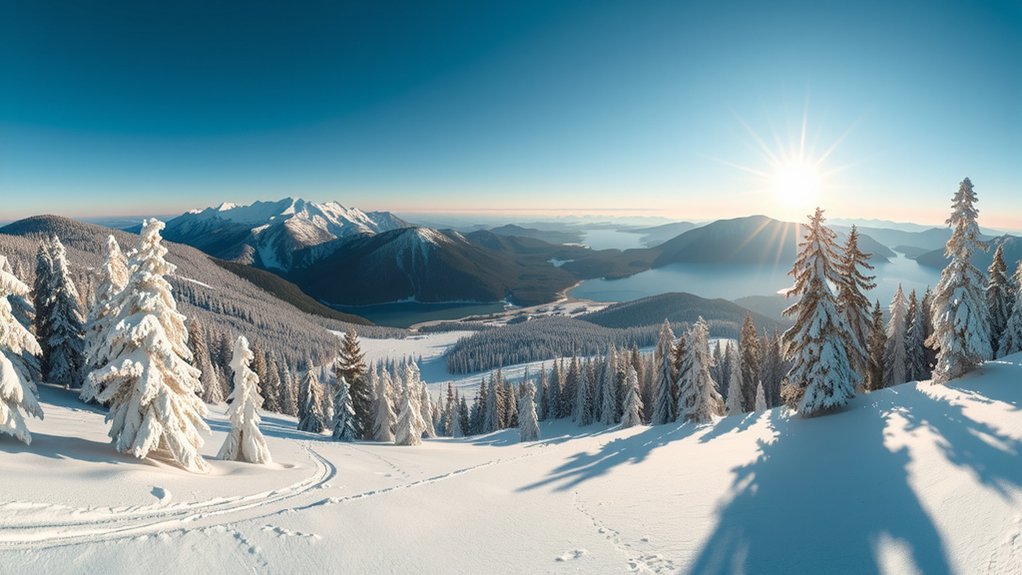
From Banff and Lake Louise’s big alpine terrain to Rovaniemi’s husky trails and Hokkaido’s powder fields, each winter destination shines for a different snow adventure.
- In Banff and Lake Louise, you can ski or snowboard across 7,000+ acres, from mellow beginner slopes to steep alpine lines, with deep snowfall and gladed terrain keeping your turns fresh.
- In Rovaniemi, you’ll race behind huskies on short family runs or longer expeditions, then switch to snowmobiling on marked Arctic trails; clear nights can also reward you with auroras.
- In Hokkaido, you can chase light, dry powder at Niseko or Furano, join guided snowshoe tours, and warm up afterward in an onsen.
Serre Chevalier also stands out for families, with 250 km of gentle pistes, childcare-friendly stays, and instructors who meet kids at the boot room.
Choose the activity that matches your pace, and let each landscape shape your winter thrill.
How to Plan Your Winter Trip
Start by locking in your timing, because winter trips change fast with the season. Aim for shoulder months if you want lower rates and thinner crowds, and check snow reliability through resort snowfall and snowpack reports.
Compare daylight hours too, since high-latitude destinations can leave you with a short activity window. Book flights, lodging, and lift passes early if you’re traveling in peak season, especially around holidays.
Build your budget around transport, lodging, meals, rentals, and activity fees, then add a 5–10% cushion for weather delays. Use midweek travel, shared shuttles, and package deals to cut costs.
Before you go, confirm transfer times, road rules, permits, insurance, and nearby medical support so you’re ready for storms or changes. In China, January is usually the coldest month, so it’s the best time to plan for reliable snow activities.
Frequently Asked Questions
What Clothing Layers Work Best for Extreme Snowy Weather?
You’ll want a snug moisture-wicking base layer, an insulating fleece or synthetic mid-layer, and a waterproof, windproof shell. Add full-length long underwear, warm socks, gloves, and a hat, and you’ll stay dry.
How Do I Keep My Camera Battery Alive in the Cold?
Keep your spare batteries warm in an inner pocket, swap them often, and use hand warmers or insulated pouches. Turn off Wi‑Fi and bright screens, and don’t charge a cold battery until it’s warmed up.
Are Winter Road Closures Common in These Destinations?
Yes—winter road closures are incredibly common, and you’ll often find passes shut from late fall through spring. You should check official updates, because snow, ice, and avalanches can turn plans upside down fast.
What Travel Insurance Covers Snow Sports and Weather Delays?
You’ll want a policy covering skiing, snowboarding, medical evacuation, equipment, trip cancellation, interruption, delay, and missed connections. Check that weather delays qualify, and add adventure or CFAR riders if you’re doing higher-risk activities.
How Do I Prevent Altitude Sickness on Mountain Snow Trips?
You’ll prevent altitude sickness by ascending gradually, resting at intermediate elevations, drinking plenty of water, eating carbs, and avoiding alcohol. If you need to climb fast, ask your clinician about acetazolamide first.
Leave a Reply