
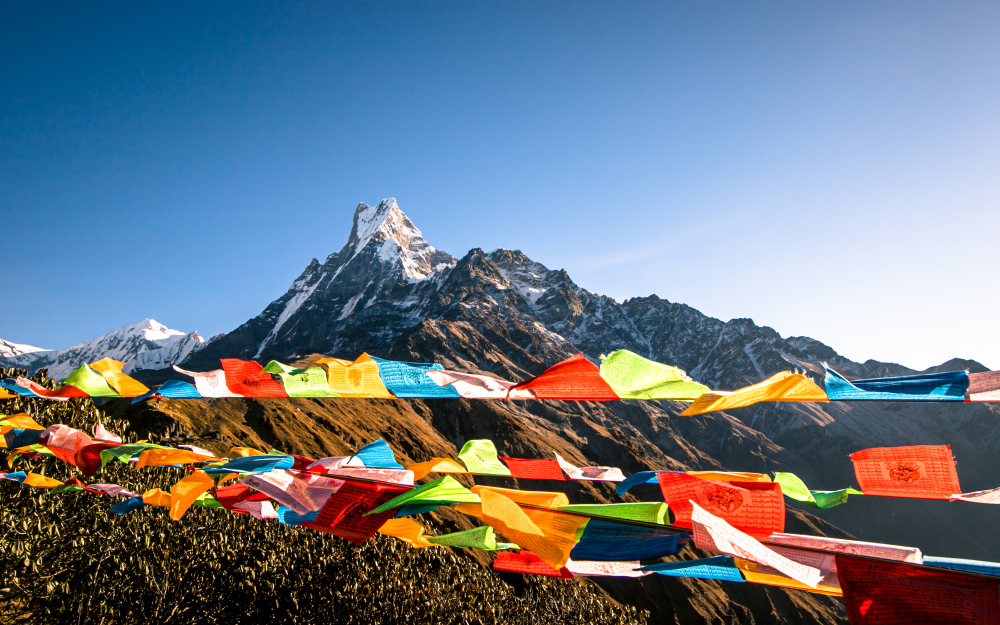
Nepal, a stunning Himalayan nation, offers unparalleled opportunities for trekking and breathtaking views. This country is truly the hiking capital of the world. It provides a dense network of trails and an unrivaled infrastructure of lodges, guides, and porters. You will find treks catering to every fitness level and experience, making Nepal hiking an unforgettable adventure.
From the bustling streets of Kathmandu, you can easily arrange your trekking permits, secure a local guide, and acquire your essential trekking gear. This can all happen within a day or two of arriving at Tribhuvan International Airport. Prepare for an adventure that will transform your perspective as you embark on high-altitude adventures across the Himalayas.
Everest Base Camp Trek: A Legendary Journey
The Everest Base Camp trek is arguably the most famous high-altitude adventure in Nepal. This legendary journey spans approximately 130 kilometers and typically takes 14 to 20 days to complete, making it a significant undertaking for any trekker.
Tens of thousands of trekkers annually embark on this incredible Nepal hiking experience, especially during the high season of October to November. You will witness awe-inspiring views of Mount Everest, standing majestically at 8,849 meters, the world’s highest peak.
Immerse yourself in the rich Sherpa culture, a unique way of life amidst the towering Himalayas. The trekking in Nepal journey takes you through charming villages like Namche Bazaar and Tengboche, offering authentic glimpses into local traditions and hospitality.
This teahouse trek provides an unrivaled infrastructure, with lodges and local guide services readily available. Securing your trekking permits, including the necessary TIMS card and national park entry fees for Sagarmatha National Park, can be easily arranged from Kathmandu.
Annapurna Circuit Trek: Diverse Landscapes and Culture
The Annapurna Circuit trek is celebrated for its incredible diversity, making it one of the best hiking trails in Nepal. Its distance ranges from 160 to 230 kilometers, typically taking 10 to 17 days to traverse. This route showcases an astonishing array of scenery, including lush valleys, deep gorges, pristine rivers, ancient glaciers, and majestic peaks within the Himalayas.
A highlight of this high-altitude adventure is crossing the challenging Thorung La pass, which stands at 5,416 meters. Along the way, you will encounter the distinct cultural sites of Gurung, Manangi, and Thakali villages, enriching your trekking experience with local traditions and providing an authentic teahouse trek experience.
Manaslu Circuit: A Quieter Himalayan Gem
For those seeking a more serene experience, the Manaslu Circuit offers a fantastic alternative to the bustling Annapurna Circuit. This high-altitude adventure covers approximately 180 kilometers and typically lasts around 16 days. It is known for its quieter trails and unspoiled natural beauty, providing a true escape from the crowds often found on other trekking in Nepal routes.
The Manaslu Circuit includes crossing several high mountain passes and visiting remote villages. You can also relax in natural hot springs, all while near the magnificent 8,163-meter Mount Manaslu. This trek offers breathtaking vistas and a profound sense of tranquility, making it one of the best hiking trails for those desiring peace.
Annapurna Sanctuary: Close-Up Mountain Views
The Annapurna Sanctuary trek, spanning about 115 kilometers over 10 to 14 days, brings you remarkably close to the heart of the Himalayas. This route is famous for its intimate, close-up views of glaciers and mountains, as you are encircled by peaks around 7,000 meters high. It’s an ideal journey for those who wish to feel truly enveloped by the grandeur of the mountains, offering a unique perspective on Himalayan trekking.
If you’re short on time, the Langtang Valley trek offers stunning alpine scenery and rich Tamang culture just north of Kathmandu. It’s a rewarding teahouse trek that combines accessible trails with dramatic views of Langtang Lirung.
Beyond the spectacular scenery, the trek includes visits to traditional Gurung villages and opportunities to soak in natural hot springs. The Annapurna Sanctuary, much like the Annapurna Circuit, showcases the diverse beauty of Nepal’s best hiking trails. This high-altitude adventure requires a TIMS card and national park entry fees, which can be arranged through a local guide or trekking agency in Kathmandu.
Kanchenjunga Base Camp: Remote Wilderness Exploration
For those seeking a truly immersive and uncrowded adventure, the Kanchenjunga Base Camp trek is an unparalleled choice. This remote and challenging expedition covers approximately 220 kilometers over 14 to 28 days, making it ideal if you desire an authentic wilderness experience far from the usual tourist trails.
Due to its isolated nature in Nepal’s eastern Himalayas, organized trips are required. You will be rewarded with spectacular, close-up views of the 8,586-meter Kanchenjunga peak, the world’s third-highest mountain. The journey involves crossing high passes and traversing pristine landscapes, offering a deep immersion into this magnificent region.
Great Himalayan Trail: An Epic Expedition Across Nepal
For the ultimate high-altitude adventure, the Great Himalayan Trail presents an unparalleled challenge. This epic undertaking stretches approximately 2,500 kilometers across Nepal, requiring anywhere from 50 to 160 days to complete. It’s designed to spread tourism benefits across the entire Himalayan nation, connecting regions from Kanchenjunga in the far east to the remote western parts of the country.
The trail is broken into several segments, allowing trekkers to choose sections based on their available time and experience. Due to its immense length and remoteness, various trekking permits are needed, and it often involves multi-week expeditions through incredibly diverse terrains and rich Buddhist cultures. You’ll navigate challenging mountain passes and immerse yourself in the authentic local life of Nepal’s hidden valleys.
Mustang and Upper Dolpo: Restricted Area Adventures
For truly unique high-altitude adventures, consider the restricted areas of Mustang and Upper Dolpo. These regions require special trekking permits and are often explored through camping treks, offering an unparalleled glimpse into ancient Buddhist culture and pristine landscapes.
The Upper Mustang trek offers a rare journey into a forbidden kingdom, where desert-like landscapes meet ancient Tibetan culture. It’s a high-altitude sanctuary of red cliffs and hidden cave monasteries.
Trekking in these areas provides a rare opportunity to experience untouched Himalayan geography and remote villages, far from the more frequented trails like the Annapurna Circuit or Everest Base Camp. A local guide is mandatory for these expeditions, ensuring both safety and cultural insight into the Himalayan nation.
While the Great Himalayan Trail offers an epic expedition, the journeys through Mustang and Upper Dolpo provide a more focused, yet equally profound, experience into Nepal’s hidden gems. You’ll find yourself immersed in a world where time seems to stand still, making these high-altitude adventures unforgettable.
Essential Trekking Gear and Logistics for Your Himalayan Adventure
Proper preparation is paramount for any trekking in Nepal. To ensure a comfortable and safe high-altitude adventure, essential items include sturdy, broken-in trekking boots, warm layers of quick-drying clothing, a quality down jacket for cold evenings, and a reliable sleeping bag rated for sub-zero temperatures. For staying connected and powered up, especially during a teahouse trek, consider a robust power bank and a portable solar charger, which are invaluable in remote areas.
Trekking permits are mandatory for most routes in Nepal. This includes the Trekkers’ Information Management Systems (TIMS) card and national park entry fees for areas like the Annapurna Sanctuary or Sagarmatha National Park.
For restricted areas, such as Mustang and Upper Dolpo, specific organized permits are required, often necessitating a licensed trekking agency. Hiring a local guide is highly recommended for safety, navigation through challenging mountain passes, and invaluable cultural enrichment, connecting you with the local Sherpa culture and remote villages.
When planning your Nepal hiking expedition, consider the season. The best hiking trails are typically enjoyed in the spring (March-May) and autumn (September-November) when the weather is stable and views of the Himalayas are clearest. Whether you’re aiming for Everest Base Camp or the Annapurna Circuit, a reputable trekking agency can help you secure all necessary permits and arrange porters, making your journey from Kathmandu more manageable and enjoyable.
“Nepal’s mountains call to the soul, promising not just views, but a profound connection to nature and self. Prepare well, and the Himalayas will reward you beyond measure.”
Trekking Permits and Regulations for Your Himalayan Adventure
Understanding trekking permits and regulations is crucial for a smooth journey across Nepal’s best hiking trails. For most popular routes, including sections of the Annapurna Circuit and Everest Base Camp trek, you will need a Trekkers’ Information Management Systems (TIMS) card. This card is vital for tracking trekkers for safety and helps the Nepal Tourism Board manage tourism effectively.
Additionally, national park entry fees are required for protected areas like Sagarmatha National Park (home to the Everest region) and the Annapurna Conservation Area. These fees contribute to conservation efforts and local community development, making your high-altitude adventures sustainable.
For treks into restricted areas such as Mustang and Upper Dolpo, specific permits must be obtained through a registered trekking agency. These permits often come with additional fees and generally require you to be accompanied by an official local guide. Always check the latest regulations with the Nepal Tourism Board or a reputable trekking agency before your trip to Kathmandu, ensuring all your Nepal hiking plans comply with local laws.
Planning Your Nepal Trekking Adventure
As you transition from understanding trekking permits to planning your adventure, remember that timing is everything for trekking in Nepal. Spring (March to May) and autumn (September to November) offer the most favorable weather conditions. You’ll enjoy clear skies and moderate temperatures, perfect for high-altitude adventures and exploring the best hiking trails.
While some lower elevation treks near Kathmandu or Pokhara can be enjoyed year-round, these peak seasons ensure the best experience for routes like Everest Base Camp and the Annapurna Circuit. You’ll find the trails bustling with fellow trekkers, but the views of the Himalayas are truly unparalleled.
Accommodation on Your Himalayan Trek
Many routes in Nepal, especially the popular ones like Everest Base Camp and Annapurna Circuit, feature a robust network of teahouses. These provide convenient accommodation and meals, making them ideal for a teahouse trek. You can expect basic but comfortable lodging, often run by local Sherpa families, offering a glimpse into Buddhist culture.
For more remote or higher-altitude routes, such as parts of the Manaslu Circuit or treks in Mustang and Upper Dolpo, camping treks might be necessary. These are often organized by a reputable trekking agency based in Kathmandu, ensuring you have the necessary trekking gear and support for multi-week expeditions.
Comparing Popular Nepal Treks
To help you choose your ideal Nepal hiking experience, here’s a comparison of some popular treks. This table highlights key details, including permits required and typical accommodation, giving you a clear overview of what to expect on these high-altitude adventures.
| Trek Name | Duration (Days) | Distance (KM) | Max Elevation (M) | Permits Required | Accommodation Type |
|---|---|---|---|---|---|
| Everest Base Camp | 14-20 | 130 | 5,545 (Kala Patthar) | TIMS, Sagarmatha National Park Entry | Teahouses |
| Annapurna Circuit | 10-17 | 160-230 | 5,416 (Thorung La) | TIMS, Annapurna Conservation Area Permit | Teahouses |
| Manaslu Circuit | 16 | 180 | 5,106 (Larkya La) | Manaslu Restricted Area Permit, ACAP, MCAP | Teahouses, some camping |
| Annapurna Sanctuary | 10-14 | 115 | 4,130 (ABC) | TIMS, Annapurna Conservation Area Permit | Teahouses |
| Kanchenjunga Base Camp | 14-28 | 220 | 5,143 (Pangpema) | Kanchenjunga Restricted Area Permit, Kanchenjunga National Park Entry | Teahouses, camping |
The Iconic Everest Base Camp Trek
The Everest Base Camp trek is undoubtedly one of the most famous trekking in Nepal experiences, drawing tens of thousands of trekkers annually. This 130 km journey typically spans 14 to 20 days, taking you through the heart of the Khumbu region. You’ll witness stunning views of Mount Everest (8,849m) and immerse yourself in Sherpa culture, passing through vibrant villages like Namche Bazaar and Tengboche.
The high season from October to November sees the highest demand, offering clear skies and excellent visibility of the Himalayan peaks. You will need a TIMS card and a Sagarmatha National Park Entry permit for this unforgettable high-altitude adventure.
Discovering the Annapurna Circuit Trek
The Annapurna Circuit trek is another jewel among Nepal’s best hiking trails, offering incredible diversity. Spanning 160 to 230 km over 10 to 17 days, this trek takes you through varied landscapes including lush valleys, deep gorges, flowing rivers, and impressive glaciers. The highlight for many is crossing the challenging Thorung La pass at 5,416m.
Along the way, you’ll encounter the rich cultural tapestry of Gurung, Manangi, and Thakali villages. Like Everest Base Camp, you’ll need a TIMS card and an Annapurna Conservation Area Permit to explore this magnificent part of the Himalayan nation.
Exploring the Remote Manaslu Circuit
For those seeking a quieter alternative to the more famous routes, the Manaslu Circuit trek is an excellent choice. This approximately 180 km journey typically takes 16 days, offering a truly remote Himalayan trekking experience. You’ll cross high mountain passes, discover natural hot springs, and visit secluded villages nestled near the majestic Mount Manaslu (8,163m).
Due to its restricted status, you’ll need a Manaslu Restricted Area Permit, along with an Annapurna Conservation Area Permit (ACAP) and a Manaslu Conservation Area Project (MCAP) permit. This route often combines teahouses with some camping, organized through a local guide or trekking agency from Kathmandu.
The Beauty of the Annapurna Sanctuary
The Annapurna Sanctuary trek, also known as the Annapurna Base Camp (ABC) trek, is a captivating 115 km journey that usually takes 10 to 14 days. This trek brings you incredibly close to the glaciers and towering mountains, encircled by peaks around 7,000m. You’ll experience the serene beauty of the Annapurna range firsthand.
This route also includes visits to charming Gurung villages and rejuvenating hot springs, adding a cultural and relaxing element to your Nepal hiking trip. Required permits include a TIMS card and an Annapurna Conservation Area Permit, ensuring a well-regulated and safe experience.
The Grandeur of Kanchenjunga Base Camp
The Kanchenjunga Base Camp trek is a remote and challenging multi-week expedition, covering approximately 220 km over 14 to 28 days. This trek is ideal if you’re looking to escape the crowds and experience the raw beauty of the eastern Himalayas. You’ll be rewarded with breathtaking views of Kanchenjunga peak (8,586m), the third-highest mountain in the world.
Due to its remoteness and the need for organized trips, you’ll require a Kanchenjunga Restricted Area Permit and a Kanchenjunga National Park Entry permit. This high-altitude trekking adventure often involves a mix of teahouses and camping treks, best arranged with an experienced trekking agency.
Essential Trekking Gear and Logistics for Your Adventure
Preparing the right trekking gear is crucial for a comfortable and safe Himalayan trekking experience. You’ll need sturdy hiking boots, warm layers, a down jacket, and a good sleeping bag, especially for high-altitude adventures. Don’t forget essentials like power banks and portable solar chargers to keep your devices ready.
While a local guide and porters are recommended for safety and comfort on most routes, they are often required for restricted areas like Mustang and Upper Dolpo. Ensure you have all necessary trekking permits, including your TIMS card and national park entry fees, before you depart from Kathmandu or Tribhuvan International Airport.
Frequently Asked Questions About Himalayan Trekking
As you plan your unforgettable journey through Nepal’s stunning landscapes, you likely have questions about logistics, permits, and what to expect. Here are some frequently asked questions to help you prepare for your Himalayan trekking adventure.
What is the best time for trekking in Nepal?
The ideal times for trekking in Nepal are during the spring (March to May) and autumn (September to November) seasons. These months offer stable weather, clear skies, and comfortable temperatures, making for excellent visibility and enjoyable hiking conditions across the country, from the lower trails near Kathmandu to high-altitude adventures in the Annapurna Circuit.
Do I need a local guide for trekking in Nepal?
For many popular treks, a local guide is highly recommended for safety and to enhance your cultural experience. For treks in restricted areas like Mustang and Upper Dolpo, a licensed local guide is mandatory by Nepalese law. Organizations like the Trekking Agencies’ Association of Nepal can help you find reputable guides, ensuring you navigate the best hiking trails safely and respectfully.
What permits are required for trekking in Nepal?
Most trekkers will need a Trekkers’ Information Management Systems (TIMS) card and national park entry fees, depending on the region. For instance, the Everest Base Camp trek requires Sagarmatha National Park entry fees, while the Annapurna Circuit needs Annapurna Conservation Area Project (ACAP) permits.
For restricted areas, special permits are required, which must typically be arranged through a registered trekking agency. Always verify the specific requirements for your chosen route with the Nepal Tourism Board.
What should I pack for a Himalayan trek?
Essential trekking gear includes sturdy, broken-in hiking boots, moisture-wicking base layers, warm mid-layers, a down jacket, a waterproof and windproof outer shell, a good quality sleeping bag, and a first-aid kit.
Don’t forget a hat, gloves, sunglasses, sunscreen, and a portable water filter or purification tablets. For power, especially on multi-week expeditions, consider a power bank or portable solar charger to keep your devices charged in remote teahouse trek locations.
Can I trek independently in Nepal?
While some popular routes previously allowed independent trekking, new regulations are emerging. It is increasingly becoming mandatory for all foreign trekkers to use a registered trekking agency and be accompanied by a licensed local guide for most routes outside the Everest (Khumbu) region. Always check the latest guidelines from the Nepal Tourism Board or a trusted source like World Nomads before planning your Nepal hiking adventure.
Leave a Reply