
Are you seeking that spark, that transformative vision for your next artistic endeavor? Many artists throughout history have found their muse in the world around them, turning summer destinations and serene landscapes into timeless landscape paintings.
From the tranquil Barbizon village in the French countryside to the vibrant energy of historic cities, certain locations possess an undeniable power to ignite creativity and inspire art inspired travel.
This guide will explore seven beautiful places that have captivated renowned painters and continue to inspire art lovers today. We will delve into how these settings shaped iconic works and movements, from the Barbizon School to German Expressionism, offering rich art history vacation ideas.
Artistic Inspiration from Nature and Landscapes
Nature has always been a profound wellspring for artists, offering endless possibilities for expression. Its ever-changing beauty, intricate details, and vastness compel painters to capture moments that speak to the soul, turning serene landscapes into timeless landscape paintings.
Many artists turn to natural settings for their authentic beauty, finding inspiration in the world around them, just as art inspired travel continues to do today.
Barbizon Village and Fontainebleau Forest, France
Imagine strolling through the ancient woods, sketchbook in hand, just as Théodore Rousseau once did. The Barbizon village, nestled near the majestic Fontainebleau forest, became a sanctuary for artists in the 19th century. This artistic hub provided an escape from the formal strictures of the French Academy.
This area was a crucial home for the Barbizon School, a group of painters who championed plein air painting, or painting outdoors. They sought to portray landscapes with raw honesty rather than idealized scenes, a dedication to direct observation of nature that profoundly influenced later art movements and provided rich context for painters seeking inspiration.
The Barbizon village, along with the Fontainebleau forest, remains a significant historical artistic site, reminding us of the profound impact natural settings have on artistic creation and art history vacation ideas.
Moritzburg Lakes, Germany: A Canvas for Expression
The tranquil Moritzburg lakes, surrounded by lush forests near Dresden, Germany, also hold a significant place in art history. This region was a vital source of inspiration for the German Expressionist group, Die Brücke (The Bridge).
Artists like Ernst Ludwig Kirchner found profound resonance in the untamed beauty of these landscapes. They used bold colors and expressive brushstrokes to convey emotional responses to nature, rather than mere visual representation. This approach reflects art as a reflection of personal or cultural identity.
You can see the dramatic impact of these lakes in their work, often displayed at institutions like the Neue Pinakothek in Munich, highlighting the importance of nature study in their art.
Argenteuil, France: Monet’s Impressionist Haven
Just outside Paris, along the river Seine, lies Argenteuil, a charming town that became a pivotal summer destination for Impressionist art. This picturesque location deeply inspired Claude Monet, who lived there from 1871 to 1878.
Monet’s time in Argenteuil yielded some of his most iconic works, showcasing his fascination with light and water reflections. He, along with fellow artists like Pierre-Auguste Renoir and Alfred Sisley, captured the vibrant life of the Parisian suburbs, the boating scenes, and the serene riverbanks.
These historical artistic sites illustrate how specific locations like Argenteuil influenced iconic artworks, solidifying its place in art history vacation plans and as a top destination for art inspired travel.
Famous Artists’ Favorite Travel Destinations
Specific destinations have often become synonymous with particular artists, their unique environments shaping distinct artistic styles and themes. These places offer a window into the creative process, allowing us to understand the deep connection between artist and location, and inspiring our own art inspired travel.
Argenteuil, France: Claude Monet’s Sanctuary
For Impressionist master Claude Monet, Argenteuil was more than just a Parisian suburb; it was his outdoor studio. The shifting light on the River Seine and the reflections on its waters became central to his groundbreaking work, cementing his place in Impressionist art.
Monet’s series of paintings depicting the railway bridge at Argenteuil and the vibrant regattas showcase his fascination with capturing fleeting moments and atmospheric changes. You can find his evocative works from this period at the Philadelphia Museum of Art, among others.
Brittany and Tahiti: Paul Gauguin’s Escape
Paul Gauguin, seeking escape from the conventions of Parisian life, found profound inspiration first in Brittany, France, and later in the exotic landscapes of Tahiti. His move to these locations marked a radical shift in his artistic style.
Gauguin’s vibrant use of color and simplified forms, reflecting the indigenous cultures and lush environments, became iconic. His exploration of personal and cultural identity through art was deeply tied to these remote, inspiring locales, offering unique travel ideas for artists.
The Barbizon School: Nature’s Influence in Fontainebleau Forest
Long before Impressionism, the Barbizon School of painters found their muse in the tranquil Barbizon village and the ancient Fontainebleau forest. Artists like Théodore Rousseau and Jean-François Millet spearheaded the Barbizon School, embracing plein air painting to capture the raw, untamed beauty of nature.
This movement was a direct precursor to Impressionism, emphasizing direct observation of nature and the subtle nuances of light and atmosphere. These landscape paintings from the Fontainebleau forest highlight the importance of natural settings in artistic creation, inspiring countless artists to study nature.
Moritzburg, Germany: A Hub for German Expressionism
The serene Moritzburg lakes and surrounding landscapes near Dresden, Germany, became a vital artistic hub for the German Expressionist group “Die Brücke” (The Bridge). Artists like Ernst Ludwig Kirchner retreated here, seeking a return to nature and a more primal form of expression.
Their intense use of color and jagged forms, reflecting emotional states rather than objective reality, was profoundly influenced by these natural surroundings. Moritzburg offered them a sanctuary to experiment and develop their distinctive style, a powerful example of how environment shapes art history.
Asnières and the Parisian Suburbs: Georges Seurat’s Urban Landscape Paintings
Georges Seurat, a pioneer of Pointillism, found rich subject matter in Asnières and other Parisian suburbs. Unlike Monet’s focus on natural light, Seurat meticulously captured the industrial and leisure scenes of modern life along the River Seine, including bathers and Sunday strollers.
His scientific approach to color and form, using tiny dots of pure pigment, transformed these everyday scenes into monumental works of art. Seurat’s detailed landscape paintings of these evolving urban spaces provide a fascinating glimpse into late 19th-century Parisian life and offer unique art inspired travel experiences.
The Grand Tour: Rome and Historical Travel
For centuries, the Grand Tour was an essential rite of passage for artists and aristocrats, with Rome serving as its ultimate destination. Artists such as Pompeo Batoni and Francis Basset undertook this historical travel, immersing themselves in classical antiquity and Renaissance masterpieces.
The influence of Roman ruins, vibrant street life, and the works of masters housed in prestigious institutions like the French Academy deeply shaped their artistic education and output. This tradition highlights how historical artistic sites and their cultural significance have provided rich context for painters seeking inspiration, making Rome a timeless artistic hub.
Historical Artistic Sites and Their Cultural Significance
Certain places are not just beautiful; they are steeped in art history, serving as crucibles for artistic development and cultural exchange. Visiting these sites offers a tangible connection to the past, revealing how art movements blossomed within specific historical contexts, making them ideal for art inspired travel.
Rome, Italy: The Grand Tour and Classical Inspiration
For centuries, Rome was the ultimate destination for the Grand Tour, a traditional journey undertaken by young European aristocrats and artists. This trip was considered essential for cultural education and artistic development, offering unparalleled travel ideas for those seeking to immerse themselves in art history vacation.
Artists like Pompeo Batoni and Francis Basset were drawn to Rome’s classical ruins, Renaissance masterpieces, and vibrant artistic community. The Eternal City’s rich history provided an unparalleled classroom for studying antiquity and honing one’s craft. The influence of Rome is evident in countless works housed in institutions like the National Gallery and Museo del Prado, showcasing the profound impact of historical travel on artistic output.
Venice, Italy: City of Canals and Light
Venice, with its intricate canals, stunning architecture, and unique light, has been an artistic hub for centuries. From Tintoretto to Turner, countless painters have attempted to capture its ethereal beauty. The city’s reflective waters and dramatic skies present an ever-changing canvas, making it one of the most beautiful places for artists.
Venice continues to inspire, offering a blend of historical grandeur and timeless charm for artists seeking evocative subjects. Imagine how its distinct atmosphere influenced artists like Claude Monet or Pierre-Auguste Renoir if they had painted there, further enriching the tapestry of art history vacation.
Barbizon, France: Birthplace of Plein Air Painting
Beyond the Grand Tour, other locations became crucial for new artistic movements. The Barbizon village, nestled on the edge of the Fontainebleau forest, became a pivotal site for artists in the mid-19th century. This quiet community served as a retreat for painters who sought to break away from the rigid confines of the French Academy.
The Barbizon School, featuring artists like Théodore Rousseau, championed plein air painting, emphasizing direct observation of nature. Their landscape paintings, often depicting the dramatic light and dense foliage of the Fontainebleau forest, laid crucial groundwork for Impressionist art. This focus on nature study in the Barbizon village highlights how natural landscapes like this can profoundly inspire artistic creation, influencing later masters like Claude Monet and Alfred Sisley.
Moritzburg, Germany: Expressionist Retreat
Just as Barbizon offered a sanctuary for landscape painters, Moritzburg, with its picturesque lakes and surrounding nature, provided a vital retreat for the German Expressionist group “Die Brücke” (The Bridge). Artists such as Ernst Ludwig Kirchner found profound inspiration here for their raw and emotionally charged works.
The Moritzburg lakes and forests became a backdrop for their revolutionary approach to art, where vivid colors and bold forms captured subjective experiences rather than objective reality. This connection between the natural environment and the emergence of German Expressionism underscores the importance of specific locations in shaping distinct artistic styles and themes, a key aspect of art inspired travel.
Asnières, France: Georges Seurat and the Parisian Suburbs
The Parisian suburbs, particularly areas like Asnières along the river Seine, offered a different kind of artistic inspiration. Georges Seurat, a pioneer of Pointillism, frequently depicted scenes from Asnières, capturing the industrializing landscape and leisurely activities of the working class.
His meticulous approach to color and light, evident in works like “Bathers at Asnières,” transformed everyday scenes into monumental compositions. This exploration of urban and industrial landscapes demonstrates how artists like George Seurat found beauty and meaning in their immediate surroundings, adding a unique dimension to the concept of beautiful places for painting.
Artistic Communities and Retreats
The synergy of artists gathering in a particular place often leads to bursts of creativity and the formation of influential artistic communities. These retreats provide not only stunning backdrops but also a supportive environment for shared exploration and innovation, making them perfect for art inspired travel.
Cape Cod and Provincetown, USA: Edward Hopper’s Muse
The rugged beauty of Cape Cod and the artistic haven of Provincetown, Massachusetts, have attracted a multitude of American painters. Edward Hopper, known for his stark, evocative depictions of American life, found profound inspiration here.
The unique light, coastal architecture, and sense of isolation on the Cape deeply influenced his distinctive style. Provincetown, with its vibrant artist colony, has fostered a rich tradition of artistic experimentation and community. Many works inspired by this region can be found at institutions like The Metropolitan Museum of Art.
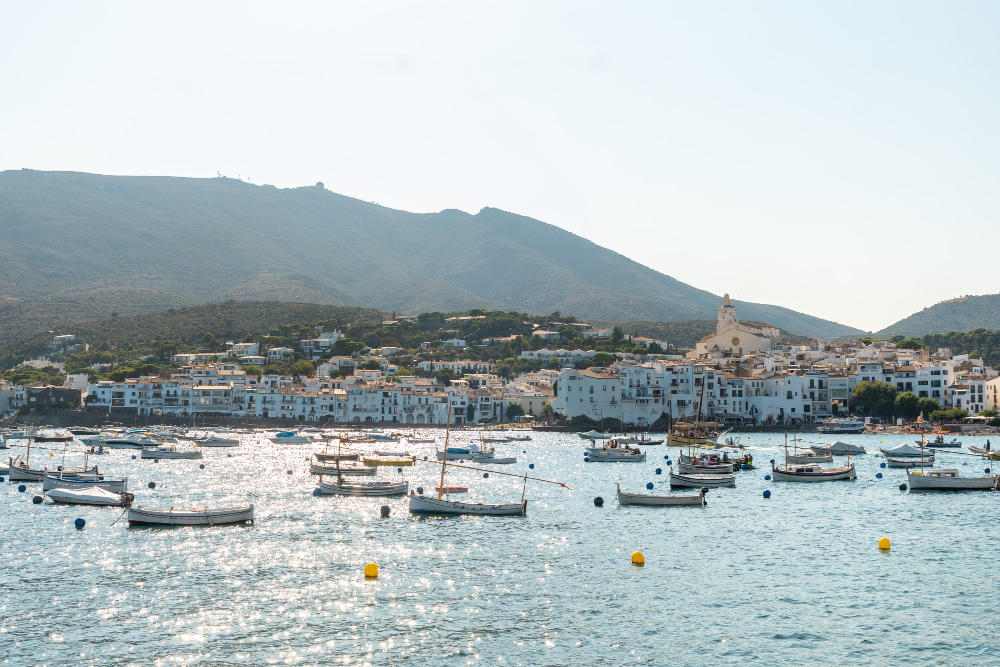
Cadaqués, Spain: Salvador Dalí’s Surreal World
The charming fishing village of Cadaqués on Spain’s Costa Brava was the lifelong home and muse of Surrealist master Salvador Dalí. The dramatic coastline, rugged landscape, and unique light of this region are inextricably linked to his dreamlike visions.
Dalí’s house museum in nearby Portlligat offers a fascinating glimpse into how his immediate surroundings fueled his fantastical creations. Cadaqués remains a pilgrimage site for those wishing to experience the landscape that shaped one of art’s most eccentric geniuses, Salvador Dalí.
Barbizon, France: Birthplace of Plein Air Painting
Nestled on the edge of the Fontainebleau forest, the Barbizon village was a pivotal artistic hub in the mid-19th century. This tranquil French countryside became home to the Barbizon School, a group of landscape painters including Théodore Rousseau, who pioneered plein air painting.
Their focus on nature study and capturing the changing light directly from observation profoundly influenced later movements like Impressionist art. For artists seeking inspiration from nature and historical travel, a visit to Barbizon offers a tangible connection to the origins of modern landscape paintings and the French Academy’s evolving influence.
Moritzburg, Germany: Expressionist Beginnings
The serene Moritzburg lakes and surrounding landscapes near Dresden provided a crucial retreat for the German Expressionist group Die Brücke (The Bridge). Artists like Ernst Ludwig Kirchner found deep inspiration in the raw, untamed nature here.
This environment allowed them to explore bold colors and distorted forms, reflecting their emotional responses to the modern world. For those interested in art history vacation ideas, Moritzburg offers a compelling look into a significant chapter of 20th-century art, showcasing how natural settings can fuel intense artistic movements.
Comparative Overview of Inspiring Destinations
Each destination offers a distinct flavor of inspiration, appealing to different artistic sensibilities. This table provides a quick look at some beautiful places, highlighting their unique contributions to art history and how they can fuel your next painting project.
| Destination | Key Artists Inspired | Artistic Movement/Focus | Primary Inspiration Source |
|---|---|---|---|
| Barbizon Village, France | Théodore Rousseau, Jean-François Millet | Barbizon School, Realism | Fontainebleau forest, nature study |
| Argenteuil, France | Claude Monet, Pierre-Auguste Renoir | Impressionism | River Seine, light reflections |
| Moritzburg Lakes, Germany | Ernst Ludwig Kirchner, Die Brücke artists | German Expressionism | Wild landscapes, emotional intensity |
| Rome, Italy | Pompeo Batoni, Grand Tour painters | Neoclassicism, historical themes | Classical ruins, ancient history |
| Cadaqués, Spain | Salvador Dalí, Joan Miró | Surrealism | Coastal landscape, dreamlike quality |
| Cape Cod, USA | Edward Hopper, Helen Frankenthaler | American Realism, Abstract Expressionism | Coastal light, architecture, isolation |
Artistic Inspiration from Nature and Landscapes
Many artists find their deepest wellsprings of creativity in the natural world. The serene Fontainebleau forest, adjacent to Barbizon village in France, was a primary inspiration for the Barbizon School. Painters like Théodore Rousseau immersed themselves in nature study, pioneering plein air painting and capturing the raw beauty of landscape paintings.
Similarly, the wild, emotionally charged landscapes around the Moritzburg lakes in Germany profoundly influenced German Expressionism, particularly the Die Brücke (The Bridge) artists such as Ernst Ludwig Kirchner, who sought to convey intense feelings through their art.
Famous Artists’ Favorite Travel Destinations
Specific locations often become synonymous with the artists they inspired. Claude Monet, a titan of Impressionist art, found endless fascination in Argenteuil, a picturesque town along the river Seine in the Parisian suburbs. His numerous landscape paintings of the river, its light reflections, and the surrounding scenery are iconic.
Édouard Manet and Alfred Sisley also frequently visited Argenteuil, contributing to its reputation as an artistic hub for Impressionism. Further afield, the coastal light and unique architecture of Cape Cod provided Edward Hopper with the solitary beauty that defines his American Realism.
Historical Artistic Sites and Their Cultural Significance
Certain places are steeped in art history, acting as cultural touchstones that have shaped entire movements. Rome, with its classical ruins and ancient history, was an essential stop for Grand Tour painters like Pompeo Batoni.
These artists immersed themselves in the city’s rich past, informing the Neoclassicism movement and inspiring countless historical travel pieces. The Barbizon village itself became a pivotal site, fostering a community of artists who broke from the traditional French Academy to paint directly from nature, influencing generations of landscape artists.
Art as a Reflection of Personal or Cultural Identity
An artist’s homeland and personal background often infuse their work with unique themes and styles. For instance, Joan Miró’s connection to Spain, particularly his family farm, is evident in his dreamlike, surrealist compositions.
Salvador Dalí, another master of Surrealism, drew heavily from the distinctive coastal landscape and dreamlike quality of Cadaqués, Spain, where he spent much of his life. These artists didn’t just paint what they saw; they infused their surroundings with their inner worlds, creating deeply personal and culturally resonant art.
Artistic Communities and Retreats
The gathering of artists in specific locales often sparks creative explosions. Cape Cod and Provincetown, USA, have long served as an artistic hub, attracting painters like Edward Hopper and Helen Frankenthaler. This community provided not only stunning backdrops but also a supportive environment for shared exploration and innovation, making them perfect art inspired travel destinations.
Similarly, Cadaqués became a retreat for Surrealists, fostering a unique environment where artists like Dalí and Miró could collaborate and draw inspiration from their shared surroundings and the vibrant artistic energy.
Art as a Reflection of Personal or Cultural Identity
Art often serves as a powerful mirror, reflecting an artist’s personal journey, cultural heritage, and connection to their homeland.
The places we inhabit, the traditions we grow up with, and the stories we carry all contribute to the unique narratives we express through our art. This is a core aspect of art inspired travel.
Consider Joan Miró, whose deep connection to his family farm in Mont-roig del Camp, Spain, profoundly influenced his abstract works. The Catalonian landscape and its earthy tones are subtly woven into his vibrant, symbolic paintings, often found in collections like the Tate.
This illustrates how a specific location can become an integral part of an artist’s identity and creative output, much like how the Barbizon village inspired Théodore Rousseau.
As Emilie Murphy of Christie’s notes, “From the Moroccan coast to the South of France, these settings helped shape art history, transforming the work of Marc Chagall, David Hockney, Yayoi Kusama and countless others.”
The concept extends to artists like Paul Gauguin, whose impactful works from Tahiti highlight how exotic and remote locations can provide profound inspiration, reflecting a new cultural identity.
Similarly, Edward Hopper’s iconic landscape paintings of American scenes, particularly those of Cape Cod, capture a distinct sense of place and personal reflection. His work often evokes a feeling of quiet solitude that is deeply tied to these specific summer destinations.
Many artists, including Salvador Dalí and Pablo Picasso, drew immense inspiration from their Spanish roots, allowing their cultural identity to infuse their masterpieces. The vibrant energy and unique landscapes of Spain are evident in their diverse oeuvres.
The Grand Tour also played a crucial role for artists like Pompeo Batoni and Francis Basset, who traveled to Rome and other historical travel destinations to absorb classical art and integrate it into their artistic identity.
Finding Your Own Inspiration
You do not need to travel to distant lands to find inspiration. Sometimes, the most profound artistic ideas emerge from observing your own surroundings with fresh eyes. A quiet park, a bustling city street, or even the changing light in your own home can offer a starting point. This approach to nature study can be just as enriching as a grand art history vacation.
However, the allure of historically significant artistic locations is undeniable. They offer a chance to walk in the footsteps of masters like Claude Monet in Argenteuil or Ernst Ludwig Kirchner by the Moritzburg lakes, immersing yourself in the environments that shaped their vision. These beautiful places are perfect for your next art-inspired travel adventure.
Whether you are a painter, photographer, or simply an art enthusiast, these destinations promise to enrich your creative spirit. Consider the Barbizon village and the Fontainebleau forest, which were central to the Barbizon School and the development of plein air painting, influencing figures like Théodore Rousseau. Or think of the Parisian suburbs, where Georges Seurat captured scenes of everyday life in Asnières, contributing to Impressionist art and post-Impressionist movements.
For those seeking tranquil escapes, explore Relax Kanda’s travel guides for more ideas. Perhaps a summer destination in Europe, like the areas that inspired Pierre-Auguste Renoir and Alfred Sisley along the river Seine, or a quiet retreat closer to home will ignite your next masterpiece. These travel ideas can lead to creating stunning landscape paintings or capturing the essence of historical travel.
Many artists throughout history have found their muse in the world around them. From the serene landscapes of the French countryside, where artists like Claude Monet painted his iconic water lilies, to the vibrant energy of historic cities like Rome, a key stop on the Grand Tour for artists such as Pompeo Batoni and Francis Basset, certain locations possess an undeniable power to ignite creativity. These locations become artistic hubs, fostering movements like German Expressionism with Die Brücke (The Bridge) artists like Ernst Ludwig Kirchner, and impacting the French Academy’s approach to landscape.
Frequently Asked Questions
What is plein air painting?
Plein air painting is an artistic practice where artists leave their studios to paint outdoors, directly observing their subjects in natural light. This technique became popular with the Barbizon School and was central to Impressionist art, allowing artists like Claude Monet and Pierre-Auguste Renoir to capture the nuances of light and atmosphere in their landscape paintings. It’s a fantastic way to immerse yourself in nature study and capture the fleeting beauty of a scene.
Which famous artists were part of the Barbizon School?
Key artists associated with the Barbizon School include Théodore Rousseau, Jean-François Millet, Camille Corot, and Charles-François Daubigny. These artists, often found sketching in the Fontainebleau forest and Barbizon village, are celebrated for their realistic landscape paintings and their pioneering focus on nature study, paving the way for later movements like Impressionism.
How did the Grand Tour influence art?
The Grand Tour was a traditional trip through Europe, primarily Italy and its historical artistic sites like Rome, undertaken by young European aristocrats and artists from the 17th to 19th centuries. It was a crucial educational experience, exposing travelers to classical art, architecture, and Renaissance masterpieces, profoundly influencing artistic styles and tastes of the era. Artists like Pompeo Batoni and Francis Basset were particularly shaped by this historical travel, which served as a significant artistic hub.
Where can I see works by Claude Monet inspired by Argenteuil?
Many of Claude Monet’s iconic Impressionist art pieces from his time in Argenteuil are housed in prestigious museums worldwide. Notable collections can be found at the Philadelphia Museum of Art, The Metropolitan Museum of Art, and the Musée d’Orsay in Paris. These works beautifully illustrate his fascination with the river Seine and the changing light of the Parisian suburbs.
What makes Cadaqués special for artists?
Cadaqués, Spain, is renowned for its unique light, dramatic coastal landscape, and its profound association with Salvador Dalí, who lived and worked there. Its isolated beauty and surreal atmosphere have made it a magnet for artists seeking inspiration and a retreat from urban life, influencing painters like Joan Miró and Paul Gauguin who also appreciated such artistic communities.
Leave a Reply