
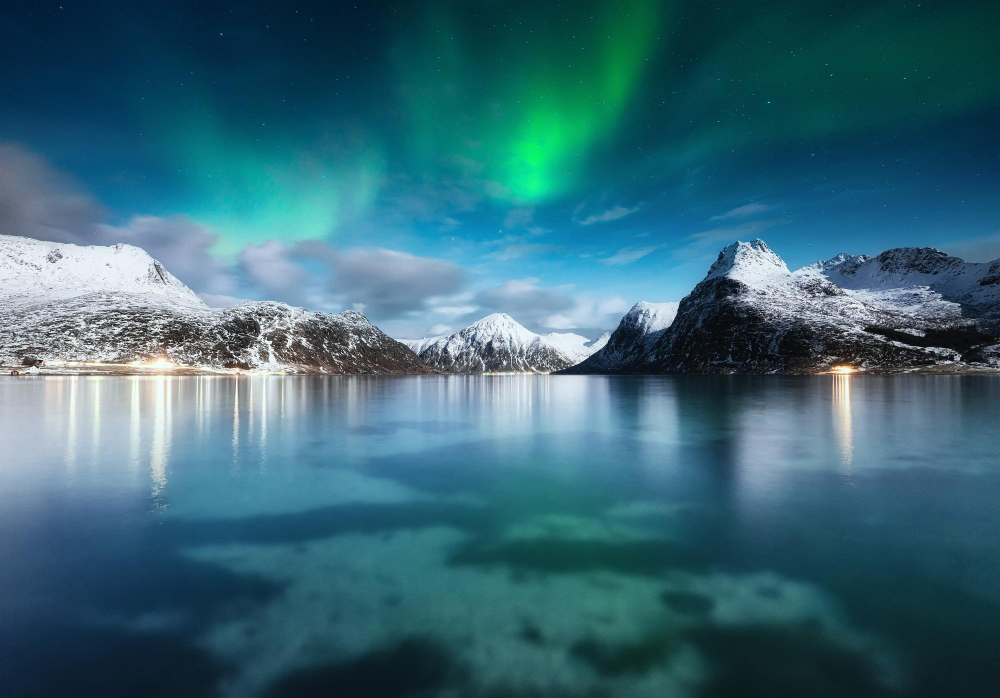
Imagine a celestial ballet unfolding across the inky canvas of the Arctic sky. This is the magic of the Northern Lights, or Aurora Borealis, a phenomenon that beckons travelers from around the globe. Norway stands as one of the world’s premier destinations to witness this breathtaking spectacle.
At Relax Kanda, we guide you toward tranquil escapes and inner peace. Seeing the aurora can be a profoundly peaceful and inspiring experience. This guide will help you navigate the best locations and times to maximize your chances of seeing the Northern Lights in Norway, ensuring a truly unforgettable journey.
Optimal Time to View the Northern Lights in Norway
To witness the magnificent Northern Lights in Norway, timing is crucial. The best viewing months span from September to March. This period offers the longest and darkest nights, essential for aurora visibility.
Peak chances for seeing the Aurora Borealis occur during November to February. These months provide optimal darkness. However, March is also a favorable time due to increased solar activity, often leading to more vibrant displays.
While Norway is renowned, consider that locations like Swedish Lapland and Finland also offer excellent viewing opportunities during this window. The equinoxes in September and March can bring intense aurora activity, making these transitional months particularly exciting for aurora chasers.
Weather Conditions Affecting Northern Lights Visibility
The weather in Norway, particularly in Northern Norway, can be unpredictable. Cloudy skies are a common challenge when chasing the Northern Lights. However, don’t despair, short distances and flexibility are key.
Many Northern Lights tours utilize driving to escape cloud cover. This significantly increases your chances of finding clear skies. Locations like Svalbard and areas benefiting from mountain and lake effects, such as near Abisko in Sweden, often experience more clear nights.
Always check the local forecast and aurora activity levels. Being prepared for varying Arctic weather patterns and dressing warmly are essential for a comfortable Northern Lights photography session or simply enjoying the view.
Best Places in Norway to See the Northern Lights
Norway, with its dramatic Arctic landscape and minimal light pollution in many areas, offers abundant opportunities to see the Aurora Borealis. From bustling Arctic cities to remote island chains, each location provides a unique backdrop for this natural wonder. At Relax Kanda, we believe that chasing the aurora is an experience that contributes to tranquil escapes and inner peace.
Tromsø: The Arctic Capital
Tromsø is often hailed as the “capital of the Arctic” and for good reason. It is one of the most accessible and popular places to view the Northern Lights. The city offers a vibrant array of Arctic activities and numerous Northern Lights tours, making it an excellent base for aurora chasing.
Its strategic location within the Aurora oval means high aurora activity is common. You can easily find guided aurora chases here, with expert guides who understand local weather patterns and drive to clear skies. Tromsø’s charm extends beyond the night sky, offering rich cultural experiences during the day.
Lofoten Islands: Reflections in the Sea
The Lofoten Islands present a truly picturesque setting for aurora viewing. Imagine vibrant green and purple hues dancing above jagged peaks, with the lights reflecting in the calm Arctic waters. This unique combination makes for stunning Northern Lights photography opportunities.
While known for unpredictable weather, the sheer beauty of the Arctic landscape here makes any visit worthwhile. Many tour operators in Lofoten offer specialized aurora chases, taking you away from any potential light pollution in the small fishing villages.
Alta: The City of Northern Lights
Alta has earned the moniker “City of Northern Lights” due to its consistent aurora sightings and its history as a hub for aurora research. It boasts a relatively stable climate, which can sometimes offer clearer skies compared to other coastal areas in Northern Norway.
Alta is home to the world’s first Northern Lights observatory, established in 1899. Today, you can find modern amenities and a variety of tours. These include snowmobile excursions and stays in unique accommodations like the Sorrisniva Igloo Hotel, offering a full winter travel experience.
Bodø: Gateway to the Arctic Circle
Bodø, situated just north of the Arctic Circle, serves as a crucial gateway to Northern Norway. It offers good accessibility and a strong chance of seeing the Northern Lights without venturing too far into more remote regions. The city provides a balance of urban convenience and natural beauty.
While not as famous as Tromsø for aurora tourism, Bodø is a reliable choice. It is also a key stop on the Arctic Route, connecting travelers to other prime aurora destinations. Local guides are adept at finding breaks in cloud cover interference.
Narvik: Mountains and Aurora
Nestled amidst dramatic mountains and deep fjords, Narvik offers a spectacular setting for Aurora Borealis viewing. Its inland location sometimes provides more stable weather conditions, reducing the impact of coastal cloud cover.
Narvik combines stunning natural beauty with a rich wartime history. You can enjoy skiing and other winter sports during the day, then embark on a guided aurora chase by night. The surrounding mountains help block out light pollution, enhancing night sky visibility.
North Cape: The Edge of the World
For those seeking an adventure to the “edge of the world,” North Cape (Nordkapp) provides an incredibly remote and starkly beautiful location. Standing at this iconic cliff, watching the Northern Lights stretch across the vast Arctic Ocean, is an unparalleled experience.
Given its extreme northern position, North Cape is well within the Aurora oval. However, weather can be severe, with strong winds and heavy snow. It is a destination for the truly intrepid, offering a profound sense of isolation and grandeur.
Svalbard: High Arctic Wilderness
Further north, in the high Arctic, lies Svalbard. This remote archipelago offers a unique opportunity to see the Northern Lights during the daytime, as the polar night lasts for months. Here, the aurora appears against a backdrop of glaciers and polar bears, creating a truly wild experience.
Svalbard is an exceptional destination for those seeking a unique Arctic tourism experience. Due to its extreme latitude, it is often considered one of the best places globally for aurora viewing. The absence of light pollution is absolute, ensuring pristine night sky visibility.
Kirkenes: Eastern Finnmark’s Gem
Kirkenes, located in the eastern part of Finnmark, offers a distinctive aurora experience close to the Russian border. It is known for its Snow Hotel and unique activities like King Crab safaris, blending adventure with aurora hunting.
The remote nature of Kirkenes means minimal light pollution and excellent chances for seeing the Northern Lights. Many tours focus on finding clear skies away from the town, sometimes utilizing indigenous tepee shelters for a cozy viewing experience.
Optimal Time to View the Northern Lights in Norway
Timing is everything when planning your aurora chase in Northern Norway. The best viewing months for the Northern Lights in Norway are from September to March.
During this period, the nights are longest and darkest, especially between November and February. Peak chances often occur around the equinoxes, when solar activity tends to be higher. March is also a favorable month due to increased solar activity, offering a strong end to the season for aurora viewing.
The period between 6 PM and 2 AM is generally considered prime viewing time, when the darkness is at its deepest. We are currently in a Solar Maximum period, meaning aurora activity is expected to be at its highest levels until 2026, making this an excellent time to visit Norway and chase the aurora.
Weather Conditions Affecting Northern Lights Visibility
While strong aurora activity is crucial for seeing the Northern Lights, clear skies are paramount. Weather in Norway is famously unpredictable, cloudy skies are common, particularly along the coast. This is where expert planning and guided Northern Lights tours become invaluable.
Northern Lights tour guides often have the flexibility to drive considerable distances to find patches of clear sky, maximizing your chances of witnessing the Aurora Borealis. Locations like Abisko in nearby Sweden, known for its “Blue Hole” effect, offer remarkably clear nights due to unique geographical features. Similarly, certain areas in Norway, such as parts of Finnmark, benefit from mountain and lake effects that can create localized clearings in the cloud cover interference.
Always check local aurora webcams and weather forecasts. Flexibility in your itinerary is key to maximizing your chances of seeing the lights. Even if your initial location in Northern Norway is cloudy, a short drive can often make all the difference, leading you to a patch of clear sky over the stunning Arctic landscape.
Guided Tours and Maximizing Your Northern Lights Success
Engaging a reputable Northern Lights tour significantly boosts your chances of witnessing the elusive Aurora Borealis. These tours offer invaluable local expertise and logistical support, making your aurora chase in Norway more efficient and enjoyable.
Northern Lights tour guides possess deep knowledge of local weather patterns and the best viewing spots. They often drive to areas with clear skies, expertly navigating away from cloud cover interference and light pollution. This flexibility is key to success in destinations like Tromsø, Bodø, and the Lofoten Islands.
For instance, in Abisko, Sweden, a renowned spot within Swedish Lapland, an impressive 99% of guests on 4+ day packages report seeing the lights at least once. This statistic highlights the effectiveness of expert guiding and the ability to find optimal viewing locations, even when weather conditions are challenging.
Many Northern Lights tours also provide essential gear, such as warm clothing, and offer valuable tips for Northern Lights photography. They handle the complexities of winter travel logistics, allowing you to focus on the magic unfolding across the Arctic landscape.
Comparison of Northern Lights Destinations
Choosing the right destination for your Northern Lights adventure in Norway depends on your priorities. Whether you prioritize accessibility, unique scenery, or the highest success rates, Norway offers a diverse range of locations. At Relax Kanda, we help you pinpoint the ideal spot for your tranquil escape.
While many travelers focus solely on Norway, it’s worth noting that neighboring Sweden and Finland also offer exceptional Aurora Borealis viewing opportunities, particularly in areas like Swedish Lapland and Finnish Lapland, which share similar Arctic conditions.
| Destination | Key Features | Accessibility | Aurora Activity | Recommended for |
|---|---|---|---|---|
| Tromsø, Norway | “Capital of the Arctic,” numerous Northern Lights tours, diverse Arctic activities, vibrant city life. Known for high aurora activity. | High (International Airport) | Very High | First-timers, those seeking variety of experiences and ease of access. |
| Lofoten Islands, Norway | Dramatic Arctic landscape, stunning sea reflections, picturesque fishing villages. Ideal for Northern Lights photography. | Medium (Regional Airports in Bodø and Narvik) | High | Photographers, those seeking scenic beauty and a more serene experience. |
| Alta, Norway | “City of Northern Lights,” stable climate, historical significance with the first Northern Lights observatory. Offers consistent viewing. | Medium (Regional Airport) | High | Consistent viewing, snow activities, and a deeper dive into aurora science. |
| Svalbard, Norway | Unique daytime aurora during the polar night, high Arctic wilderness. Offers an extreme Arctic experience. | Low (Longyearbyen Airport) | Exceptional | Unique expedition, extreme Arctic experience, and a chance to see the aurora during daylight hours. |
| Abisko, Sweden | Home to the “Blue Hole of Abisko,” very high success rates (99% on 4+ day tours). Known for clear skies and minimal light pollution. | Medium (Train/Bus from Kiruna) | Very High | Guaranteed sightings, scientific focus, and clear skies. Recommended for those seeking reliable Aurora Borealis viewing. |
Best Places in Norway to See the Northern Lights
Norway truly shines as a premier destination for chasing the aurora. Top recommended locations include Tromsø, Bodø, the Lofoten Islands, Alta, and North Cape. Tromsø, often hailed as the ‘capital of the Arctic,’ stands out for its high aurora activity and excellent infrastructure for Northern Lights tours. You’ll find numerous options for guided aurora chases here, making it ideal for first-time visitors.
The Lofoten Islands offer a different kind of magic, with dramatic Arctic landscapes and the unique opportunity to capture the Northern Lights reflecting in the sea. Alta, known as the ‘City of Northern Lights,’ boasts a relatively stable climate, increasing your chances of clear skies. For an even more remote and stark experience, consider North Cape or the unique Polar Arctic scenery of Svalbard.
Optimal Time to View the Northern Lights in Norway
Timing is crucial for a successful Northern Lights hunt. The best viewing months in Norway span from September to March, encompassing the long, dark Arctic nights. Your chances of witnessing the elusive Aurora Borealis are at their peak during November to February, when the nights are longest and darkest, particularly around the autumn and spring equinoxes. March is also a favorable month, often seeing increased solar activity that can intensify the aurora displays.
For an optimal experience, plan your winter travel to align with these darker months, allowing for maximum night sky visibility. Remember, the aurora oval is most active during these periods, increasing the likelihood of spectacular displays across Northern Norway and other Arctic regions.
Weather Conditions Affecting Northern Lights Visibility
While the allure of the Northern Lights is undeniable, the Arctic weather in Norway can be unpredictable. Cloudy skies are a common challenge, as they can obscure even the most vibrant Aurora Borealis. However, many Northern Lights tours and expert guides are adept at navigating these conditions. They can often drive short distances or relocate to areas with clearer skies, significantly increasing your chances of a sighting.
Locations like Svalbard, Abisko (in Swedish Lapland), and parts of Finnmark benefit from specific geographical features, such as mountain ranges or large lakes, which can create microclimates with more frequent clear nights. The “Blue Hole of Abisko” in Sweden is a prime example, renowned for its consistent clear skies due to unique meteorological conditions, leading to success rates as high as 99% for visitors on 4+ day tours.
Guided Tours and Maximizing Your Northern Lights Success
Engaging a reputable Northern Lights tour significantly boosts your chances of witnessing the elusive Aurora Borealis. These tours, especially those operating in Tromsø and Abisko, offer invaluable local expertise and logistical support. Guides are often equipped with real-time weather data and local knowledge, allowing them to chase the aurora by driving to areas with clear skies, even when your immediate location is cloudy.
In places like Abisko, with companies such as Lights over Lapland or STF Abisko Turiststation, guests on 4+ day packages report a 99% success rate in seeing the lights. This high success is attributed to expert guiding, flexible locations, and the unique microclimate of the “Blue Hole of Abisko.” These guided aurora chases make your aurora hunt in Norway, Swedish Lapland, or Finland more efficient and enjoyable, often including transfers, warm gear, and even Northern Lights photography tips.
Best Specific Locations in Norway for Aurora Viewing
When planning your trip to see the Northern Lights, specific locations within Norway offer distinct advantages. Tromsø is a fantastic starting point due to its accessibility and the sheer number of organized tours and Arctic activities available. It’s often referred to as the gateway to the Arctic and provides a vibrant base for your aurora adventures.
For those seeking breathtaking photographic opportunities, the Lofoten Islands are unparalleled, with their dramatic peaks and the potential for stunning reflections of the aurora in the calm sea. Alta, known as the “City of Northern Lights,” offers a more consistent viewing experience due to its stable climate and is a great base for combining aurora hunting with snowmobile excursions. For an utterly unique, high Arctic wilderness experience, consider Svalbard, where you can witness the aurora even during the daytime in the depths of the polar night. Kirkenes also offers remote viewing opportunities and unique accommodation like the Snow Hotel, providing a comprehensive winter travel experience in Finnmark.
Accommodation Options for Viewing Northern Lights
Your choice of accommodation can significantly enhance your Northern Lights experience. Many hotels and lodges in Northern Norway cater specifically to aurora hunters, understanding that catching the Aurora Borealis is your primary goal.
Consider staying in specialized Northern Lights hotels. These often offer unique perks like wake-up calls when the aurora appears, or feature glass-roofed igloos and cabins designed for uninterrupted sky gazing. Imagine watching the celestial ballet from the warmth of your bed!
To maximize night sky visibility and minimize light pollution, remote cabins or guesthouses away from urban centers like Tromsø or Alta are ideal. Booking accommodation with an eye toward aurora viewing can truly transform your trip, turning it into a tranquil escape. Places like the Snow Hotel in Kirkenes or the Arctic Dome in Alta offer unique stays under the stars, perfectly positioning you for chasing the aurora.
Activities to Complement Aurora Viewing
While the Northern Lights are undoubtedly the main draw, your Norway travel experience can be enriched by a wealth of other captivating Arctic activities. These experiences not only enhance your overall journey but also provide delightful backup entertainment should the Aurora Borealis prove elusive on a particular night.
Immerse yourself in the unique Arctic landscape and culture with popular options like exhilarating dog sledding, powerful snowmobiling tours, or traditional reindeer sledding. For a quieter pursuit, try ice fishing on a frozen lake. You can also delve into the rich Sami culture, visit magnificent ice hotels, or embark on serene fjord cruises that offer breathtaking views of the Norwegian coast.
Many of these activities are readily available from key Northern Lights hubs like Tromsø, Alta, and the Lofoten Islands, making it easy to weave them into your aurora-chasing itinerary. These adventures ensure your trip to Northern Norway is memorable, far beyond just the aurora chase, and provide a deeper connection to the stunning winter environment.
Gear and Preparation for Northern Lights Sightings in Norway
Proper preparation is crucial for a comfortable and successful aurora hunt in Northern Norway. The Arctic weather patterns can be extreme, with temperatures often dropping well below freezing, especially during peak viewing months from November to February. This is essential for any winter travel in Norway.
You will need multiple layers of warm clothing, including thermal underwear, a waterproof and windproof outer shell, insulated boots, thick gloves, and a warm hat. Hand warmers and toe warmers are also highly recommended to ensure your comfort while chasing the aurora. Many Northern Lights tours, particularly those in Tromsø and Alta, provide specialized winter suits, but having your own good quality gear is always beneficial.
For Northern Lights photography, a sturdy tripod, a wide-angle lens, and extra batteries are essential, as cold weather drains power quickly. Capturing the magic of the Aurora Borealis requires patience and the right equipment. Remember, clear skies are key for successful photography, and reducing light pollution is paramount for the best shots of the Aurora oval.
Duration of Trip Recommended for Better Chances of Seeing the Northern Lights
To truly maximize your chances of witnessing the breathtaking Northern Lights, or Aurora Borealis, a trip duration of at least 5 to 7 days in an aurora-prone region like Northern Norway, Swedish Lapland, or Finland is highly recommended. This allows for the unpredictable Arctic weather patterns and varying aurora activity levels.
While it is possible to catch a glimpse on shorter trips, a longer stay provides more opportunities to find clear skies and strong solar activity. As seasoned travelers often share, destinations like Abisko in Sweden are renowned for their high success rates. For instance, “In Abisko, 99% of visitors on 4+ day tours see the lights at least once,” highlighting the significant benefit of extended stays.
Flexibility and patience are key when chasing the aurora. A longer trip allows you to adjust your plans based on weather forecasts and aurora predictions, significantly improving your success rate, especially when dealing with potential cloud cover interference. This flexibility can make all the difference in your quest for inner peace under the dancing Northern Lights.
Impact of Light Pollution and Best Viewing Conditions
To truly experience the magic of the Northern Lights, or Aurora Borealis, minimizing light pollution is paramount. Even a small amount of artificial light can diminish the visibility of this faint celestial ballet. Therefore, the best viewing conditions are found in dark, remote areas, far from the glow of towns like Tromsø or Bodø.
When planning your winter travel to Norway, Sweden, or Finland, choose locations away from major towns and cities. Many Northern Lights tours, especially in areas like Swedish Lapland or Northern Norway, specifically take you to specially selected dark sites. Look for areas with minimal artificial light, clear skies, and an unobstructed view of the horizon. The darker the sky, the more vibrant and detailed your Aurora Borealis viewing will be.
Consider locations renowned for their dark skies, such as Abisko in Sweden, which benefits from the “Blue Hole of Abisko,” a meteorological phenomenon that often provides clear skies even when surrounding areas are cloudy. This unique microclimate significantly increases your chances of witnessing the aurora’s full glory, making it a prime spot for Northern Lights photography.
Frequently Asked Questions About Chasing the Aurora Borealis in Norway
Planning a trip to witness the ethereal dance of the Northern Lights, or Aurora Borealis, is an exciting endeavor. To help you prepare for this tranquil escape and maximize your chances of a truly unforgettable experience, Relax Kanda has compiled answers to your most common questions.
When is the absolute best time to see the Northern Lights in Norway?
The absolute best time to chase the aurora in Norway is generally from late September to late March. These months offer the longest and darkest nights, which are crucial for optimal visibility of the Northern Lights. You’ll find peak chances during November to February, when the Arctic landscape is blanketed in snow, creating a stunning backdrop. Given that we are in a Solar Maximum period until 2026, aurora activity is currently at heightened levels, further increasing your chances of a spectacular sighting during this window.
Do I need a guided Northern Lights tour?
While not strictly necessary, a guided Northern Lights tour significantly enhances your chances of a successful sighting. Expert guides possess invaluable local knowledge of the best spots to view the aurora, often knowing how to navigate to clear skies and avoid cloud cover interference. They can also drive you away from urban light pollution found in towns like Tromsø or Bodø.
Many tours provide essential equipment, such as warm suits, and offer photography tips to capture the magic of the Aurora Borealis. For example, in Swedish Lapland’s Abisko, 99% of visitors on 4+ day tours see the lights at least once, largely due to expert guiding and flexible locations.
What is the difference between Northern Lights and Aurora Borealis?
There is no difference between the Northern Lights and Aurora Borealis. “Northern Lights” is the common English term used to describe this celestial phenomenon, while “Aurora Borealis” is its scientific name, specifically referring to the display observed in the Northern Hemisphere. Both terms refer to the same beautiful and captivating display of light in the Arctic sky.
How long should I stay in Norway to see the Northern Lights?
To maximize your chances of witnessing the Northern Lights, we recommend a trip of at least 5 to 7 days. This duration provides ample opportunities to account for unpredictable Arctic weather patterns and allows for flexible aurora chasing. Such a timeframe greatly increases your chances of a sighting, especially when considering the potential for cloud cover interference. This allows for multiple attempts and gives you time to explore other Arctic activities.
What gear do I need for a Northern Lights trip to Norway?
Preparing for the cold Arctic winter in Norway is essential for a comfortable Northern Lights trip. You will need warm, layered clothing, including thermal base layers, a waterproof and windproof outer jacket and trousers, insulated boots, thick gloves, and a warm hat. For Northern Lights photography, a sturdy tripod and a wide-angle lens are essential to capture the full scope of the Aurora Borealis. Don’t forget extra batteries, as cold weather drains them quickly.
Leave a Reply