
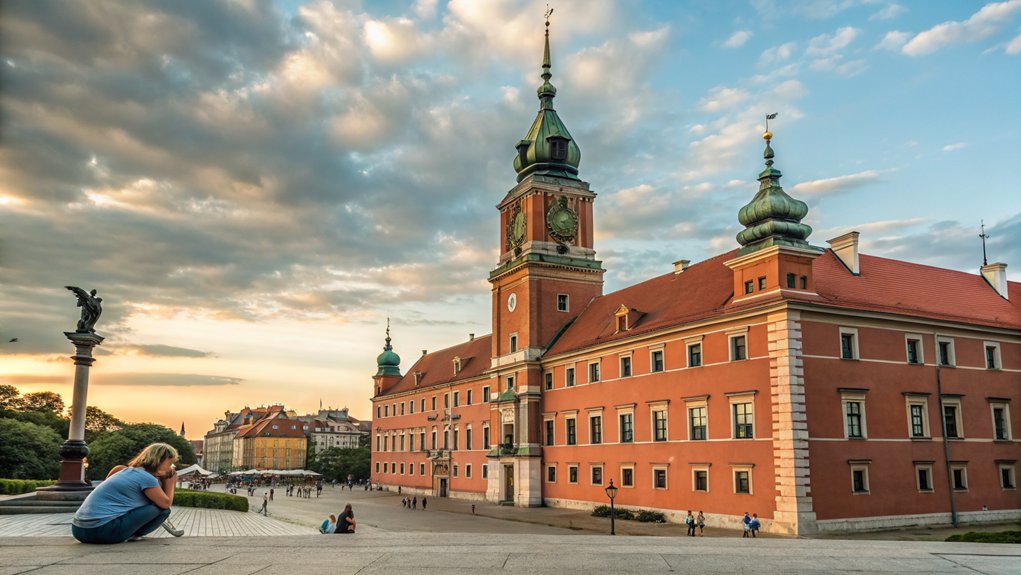
When you commence a Poland itinerary from Warsaw to Kraków and beyond, you’re in for a journey rich in history and vibrant culture. You’ll navigate the streets of Warsaw, tracing its remarkable resilience, before stepping into Kraków’s storied past. As you venture further into Poland, you’ll also discover stunning landscapes and unique local flavors. But what local delicacies should you prioritize, and which hidden gems await on your path?
Key Takeaways
- Start your adventure in Warsaw, exploring the historic landmarks along the Royal Way and relaxing by the Vistula River.
- Travel from Warsaw to Kraków via train or FlixBus, taking about 2.5 to 3.5 hours, to maximize your time.
- In Kraków, visit Wawel Castle and the UNESCO-listed Old Town, immersing yourself in Poland’s rich history.
- Consider day trips to Auschwitz-Birkenau, the Wieliczka Salt Mine, or Zakopane for stunning nature and cultural experiences.
- Don’t miss trying traditional dishes like pierogi and oscypek, and engage in pierogi workshops for a hands-on culinary experience.
Discovering the Best Time to Visit Poland
When’s the best time to visit Poland? The ideal seasons are spring, from April to June, and fall, from September to October. During these months, the weather’s mild, and the tourist crowds are smaller, so you can truly enjoy your trip.
If you prefer warm weather and outdoor events, summer is appealing, but be prepared for crowded attractions in cities like Kraków and Warsaw.
Winter, on the other hand, transforms Poland into a snowy wonderland with picturesque landscapes, especially in the Tatra Mountains. Whether you’re hitting the slopes or exploring charming Christmas markets, winter’s beauty can’t be overlooked.
Essential Travel Tips for Your Poland Adventure
To make the most of your Poland adventure, it’s essential to be well-prepared and informed about the country’s travel dynamics.
Poland boasts a robust public transportation system, with trains linking major cities like Warsaw and Kraków in just 2.5 to 3.5 hours—making travel comfortable and affordable. Download the Jakdojade app for easy navigation in urban areas.
Don’t worry about language barriers; many locals speak English, so asking for directions or recommendations is simple.
While dining, don’t miss out on traditional dishes like pierogi and bigos, which showcase authentic flavors.
For excursions to UNESCO World Heritage Sites like Auschwitz and the Wieliczka Salt Mine, book guided tours in advance to guarantee entry and enrich your experience.
Enjoy your journey!
Day 1: Exploring the Heart of Warsaw
Kick off your day by strolling along the Royal Way, where you’ll encounter stunning landmarks that embody Warsaw’s rich history.
As evening approaches, head down to the Vistula River for a relaxing atmosphere and vibrant activities. It’s the perfect way to soak in the city’s charm after a full day of exploration.
Must-See Royal Way
Starting on the Must-See Royal Way offers an incredible opportunity to explore Warsaw’s rich history and vibrant culture. This historic route, known as “Trakt Królewski,” stretches 11 kilometers from the Royal Castle to Wilanów Palace. You’ll encounter key attractions like the Belweder Palace, the Chopin Bench, and the Nicolas Copernicus statue, each showcasing Poland’s heritage.
| Attraction | Highlights | Location |
|---|---|---|
| Wilanów Palace | Baroque architecture, gardens | Wilanów |
| Belweder Palace | Historic significance | Ujazdów |
| Chopin Bench | Musical homage | Łazienki Park |
| Sigismund’s Column | Historical landmark | Castle Square |
Conclude your day at Castle Square, home to the Royal Castle, an essential part of Warsaw’s narrative.
Evening Activities by Vistula
After immersing yourself in Warsaw’s royal history, the evening along the Vistula River beckons with its vibrant atmosphere.
Stroll the scenic pathways, where stunning views of the illuminated city skyline meet the lively ambiance. Don’t miss the Warsaw Fountain Park, especially if you’re visiting in summer; its enchanting light and water show is a must-see.
Along the Vistula Boulevards, numerous cafes and restaurants invite you to savor delicious meals while soaking in the riverside charm.
This area buzzes with cultural events, featuring live performances and exhibitions that engage visitors and locals alike. As the evening unfolds, you’ll find the riverbanks bustling with socializing, making it the perfect spot to unwind and enjoy Warsaw’s nightlife.
Day 2: Cultural Gems in Warsaw’s Praga District
As you explore Day 2 of your adventure, the Praga district in Warsaw awaits with its authentic charm and vibrant artistic vibe.
Stroll down Ząbkowska Street, the cultural artery of Praga, where you’ll find a delightful mix of cafes, bars, and shops that showcase the neighborhood’s creative spirit.
Don’t miss the historic Koneser Vodka Factory in Koneser Square, where you can sample a variety of traditional Polish vodkas—it’s a real treat!
The unique architecture, marked by many pre-war buildings, tells the story of the district’s rich history.
With a relaxed atmosphere and fewer tourists compared to central Warsaw, Praga invites you to discover its hidden gems and immerse yourself in local culture at your own pace.
Savoring Authentic Polish Flavors: Top Dishes to Try
When you explore Poland, you can’t miss out on the must-try traditional dishes that define its rich culinary heritage.
From hearty *bigos* to delightful *pierogi*, each bite offers a taste of the country’s culture and history.
Embrace the opportunity to savor local flavors and discover unique regional specialties at charming dining spots.
Must-Try Traditional Dishes
Poland boasts a rich culinary tapestry that every traveler should savor, with five must-try traditional dishes capturing the essence of its flavors. You’ll want to immerse yourself in these delicious offerings:
- Pierogi: Savory dumplings stuffed with potatoes, cheese, or fruit.
- Bigos: A hearty hunter’s stew made from sauerkraut and a mix of meats, perfect for cold days.
- Żurek: A comforting sour rye soup featuring sausage and hard-boiled eggs, often served during festive gatherings.
- Kielbasa: Flavorful Polish sausage, grilled or served with mustard, making it a street food favorite.
Don’t skip dessert! Treat yourself to Sernik, a creamy cheesecake that’s a staple at family celebrations.
Enjoy the culinary delights of Poland!
Regional Specialties To Discover
Exploring regional specialties in Poland reveals a treasure trove of authentic flavors that reflect the country’s diverse culinary landscape.
Start your journey with pierogi, those delightful dumplings filled with potatoes, cheese, or fruits—an absolute must-try.
Don’t miss bigos, the hearty hunter’s stew, packed with sauerkraut, fresh cabbage, and meats, showcasing Poland’s agricultural roots.
Then, warm up with żurek, a tangy sour rye soup usually brimming with sausage and hard-boiled eggs for that unique kick.
Immerse yourself in comfort with gołąbki, succulent cabbage rolls stuffed with rice and meat.
Finally, treat yourself to oscypek, the smoked sheep’s cheese from the Tatra Mountains served grilled with cranberry sauce.
Each dish tells a delicious story worth savoring!
Dining Experiences to Enjoy
As you begin your culinary journey through Poland, savoring authentic flavors is essential to fully appreciate the rich tapestry of its dining experiences.
Be sure to try these iconic dishes:
- Pierogi: Traditional dumplings filled with potatoes, cheese, or meat, found in many restaurants like Gosciniec Polskie Pierogi.
- Bigos: Known as hunter’s stew, this hearty mix of sauerkraut and meats highlights Poland’s culinary history.
- Zapiekanka: A beloved street food, this open-faced toasted sandwich topped with mushrooms and cheese is a must in Kraków’s Plac Nowy.
- Żurek: This unique sour rye soup with sausage is a comforting staple you can’t miss.
And don’t forget to indulge in Poland’s famous vodka for the complete experience!
Traveling From Warsaw to Kraków: Your Transportation Guide
Traveling from Warsaw to Kraków can be a seamless experience, taking just 2.5 to 4 hours depending on how you choose to get there.
The fastest option is by train, with direct services costing between 80 to 180 PLN. For a budget-friendly alternative, consider FlixBus, where tickets run around €5, though travel times may be longer.
It’s smart to pre-book your train tickets through platforms like Polrail or Trainline to snag the best prices and guarantee availability, especially during peak seasons.
Once you reach Kraków, traversing the city’s well-developed public transport network will make it easy for you to explore local attractions, whether you’re using trams or buses.
Enjoy your trip!
Day 1: Historical Highlights of Kraków
Kraków’s historical charm comes alive on your first day as you uncover its rich tapestry of culture and heritage. Start at Wawel Hill, where Wawel Castle and Wawel Cathedral stand as icons of Polish history.
Next, plunge into the Main Market Square, home to St. Mary’s Basilica, where you’ll catch the hejnał trumpet signal played hourly.
Be sure to:
- Wander the medieval streets of the UNESCO-listed Old Town
- Visit the historical Oskar Schindler’s Factory museum
- Explore the vibrant Kazimierz district, known for its cultural atmosphere
- Enjoy a leisurely stroll through the diverse nightlife
End your day immersed in the essence of this enchanting city, where every corner tells a story.
Immersing in Kraków’s Jewish Heritage: Key Sights
Diving into Kraków’s rich Jewish heritage reveals a fascinating narrative of resilience and culture.
Start your exploration in the Kazimierz District, the historic heart of Jewish life, where you’ll find the Old Synagogue housing a museum dedicated to Jewish history.
Don’t miss the Galicia Jewish Museum, offering powerful exhibitions that reflect on Jewish life in Poland before the Holocaust.
While you’re there, visit Schindler’s Factory Museum, which tells Oskar Schindler’s incredible story of heroism.
The Remuh Synagogue, with its historic cemetery, stands as an essential space for prayer and cultural preservation.
If you’re in town during the summer, the annual Jewish Festival celebrates this rich culture with concerts and workshops, attracting visitors from around the globe.
Experience the Impact of Auschwitz-Birkenau
When you visit Auschwitz-Birkenau, you confront one of history’s darkest chapters.
The emotional weight of the site prompts deep reflection on the atrocities committed here and the importance of remembrance.
With guided tours and educational resources available, you’ll gain valuable insights into the historical significance and lasting impact of this memorial.
Historical Significance Of Auschwitz
Auschwitz-Birkenau stands as a haunting memorial to the horrors of the Holocaust, marking the largest site of Nazi extermination during World War II. This complex, embodying the tragedy of over 1.1 million lives lost, reveals the depths of human cruelty and resilience.
When you visit, you’ll encounter:
- Auschwitz I: The administrative heart of the camp.
- Auschwitz II-Birkenau: Designed for mass extermination and housing countless victims.
- Auschwitz Museum: A memorial dedicated to preserving victims’ memories and educating future generations.
- Personal Artifacts: Shoes, glasses, and suitcases that remind you of the irreplaceable lives lost.
Your experience here underscores the critical need to remember the past to prevent future atrocities.
Emotional Impact On Visitors
The haunting weight of history envelops you as you walk through the gates of Auschwitz-Birkenau, where the echoes of suffering resonate within the preserved barracks and stark watchtowers.
As you explore this UNESCO World Heritage Site, the gravity of the Holocaust becomes painfully clear. The oppressive atmosphere challenges your perspectives on human rights and morality, leaving you with a profound sense of loss.
You’ll find that the infamous railway tracks and preserved sites provoke deep reflections on the atrocities committed here. Many visitors report a lasting emotional impact, feeling compelled to confront intolerance and hatred.
The memorials and museum serve not only as tributes to victims but also as critical reminders for dialogue on peace and human dignity in our world today.
Educational Resources Available Today
Numerous educational resources are available today that enhance your visit to Auschwitz-Birkenau, providing deeper insights into its historical significance.
As you explore this somber site, consider utilizing these resources for a more enriching experience:
- Guided Tours: Professional guides lead you through Auschwitz I and II-Birkenau, offering context and personal stories.
- Exhibits and Memorials: Discover poignant displays and memorials that articulate the horrors faced by over 1.1 million victims.
- The Auschwitz-Birkenau Memorial and Museum: Established in 1947, this institution educates visitors and preserves the memory of those who suffered.
- Respectful Engagement: Approach the memorial with humility, acknowledging its role as a reminder of the consequences of hatred and intolerance.
These resources will deepen your understanding of this historical tragedy.
What Day Trips Enhance Your Poland Adventure?
While exploring Poland, you’ll find that day trips can greatly enrich your adventure beyond the main cities. A full-day excursion to Auschwitz and the Wieliczka Salt Mine offers profound historical insights and breathtaking artistry in the underground chambers.
Alternatively, consider a journey to Zakopane, just a two-hour bus ride from Kraków, where the stunning scenery of Tatra National Park awaits. If you’re seeking spiritual enrichment, visiting the Jasna Góra Monastery in Częstochowa is worthwhile, known for its iconic Black Madonna.
For a taste of history, head to Gdańsk, where charming architecture and a pivotal role in Poland’s Solidarity Movement come together. Finally, Pszczyna’s picturesque park and 19th-century palace make for a delightful escape from city life.
Exploring Zakopane: Your Polish Mountain Retreat
When you visit Zakopane, prepare to be amazed by the breathtaking Tatra landscape that surrounds you.
With endless outdoor activities, from hiking to skiing, this mountain retreat truly caters to adventure lovers.
You’ll find the perfect blend of natural beauty and action-packed fun just waiting for you.
Breathtaking Tatra Landscape
Nestled in the heart of the Tatra Mountains, Zakopane invites you to experience its breathtaking landscape, where stunning alpine scenery meets rich cultural heritage. Here, you’ll find the perfect blend of nature and tradition, making it an ideal destination for every traveler.
You’ll discover:
- Traditional wooden architecture, highlighted by the unique Zakopane Style, like the famous Villa Koliba.
- The picturesque Morskie Oko, one of Poland’s largest mountain lakes, surrounded by breathtaking views and hiking trails.
- Tatra National Park, a sanctuary for diverse wildlife and over 1,000 plant species.
- The vibrant annual Winter Festival, where local culture comes alive with highlander music, dance, and delicious Polish dishes like oscypek.
Explore Zakopane’s magical landscape!
Outdoor Activities Galore
There’s no shortage of outdoor adventures waiting for you in Zakopane, Poland’s “winter capital.” With the Tatra Mountains as your backdrop, you can immerse yourself in a variety of thrilling activities year-round.
Hit the slopes for skiing or carve your way down on a snowboard during the winter months. As spring arrives, lace up your hiking boots and explore trails that lead to breathtaking spots like Morskie Oko and Giewont Mountain.
If you prefer to cycle, the area offers fantastic mountain biking routes. After a day of adventure, unwind at the Chocholow Thermal Baths or savor the local cuisine, including the delicious oscypek.
Zakopane’s unique culture, with its wooden architecture and vibrant markets, will enrich your experience.
Outdoor Adventures in Tatra National Park
Adventure awaits in Tatra National Park, where over 300 kilometers of marked hiking trails beckon outdoor enthusiasts of all levels.
This stunning park on the border of Poland and Slovakia offers breathtaking views and diverse wildlife. Whether you’re a beginner or an experienced hiker, there’s something for everyone:
- Explore Morskie Oko: A glacial lake with majestic peaks, perfect for a leisurely hike.
- Challenge yourself on the Rysy trail: Reach Poland’s highest peak at 2,499 meters and enjoy panoramic vistas.
- Ski and snowboard in winter: With several ski resorts like Zakopane, the park transforms into a winter sports paradise.
- Discover rich biodiversity: Keep an eye out for endangered species, including the Tatra chamois.
Spring in Virginia also inspires outdoor adventures, from biking and kayaking to scenic wildflower hikes.
Unleash your adventurous spirit in this natural wonder!
Tips for Savoring Zakopane’s Cuisine and Culture
After exploring the breathtaking trails of Tatra National Park, you may find yourself enthusiastic to indulge in the rich flavors of Zakopane’s highlander cuisine and vibrant culture. Start at local markets like Gubałówka, where you can taste fresh produce and traditional delicacies. For a hearty meal, dine at Karczma u Wnuka, surrounded by rustic wood decor.
Consider these spots:
| Dish | Location | Experience |
|---|---|---|
| Oscypek (smoked cheese) | Gubałówka Market | Taste local flavors |
| Kwaśnica (sour soup) | Karczma u Wnuka | Hearty highlander meal |
| Pierogi | Culinary Workshop | Hands-on cooking fun |
| Winter Food Festivals | Various Locations | Seasonal treats and culture |
Engage in workshops to deepen your appreciation for Zakopane’s culinary heritage!
Your Next Steps: Planning Your Polish Adventure
Planning a trip to Poland promises a blend of history, culture, and breathtaking landscapes. To make the most of your adventure, consider these steps:
- Start in Warsaw; explore The Royal Way, Łazienki Park, and the vibrant Praga district.
- Travel to Kraków using FlixBus, which offers a budget-friendly, 4-hour ride.
- Visit Wawel Castle and the bustling Main Market Square for a taste of Kraków’s rich history.
- Don’t miss a full-day trip to UNESCO World Heritage sites like Auschwitz-Birkenau and the Wieliczka Salt Mine.
For a more relaxed pace, consider extending your trip with a visit to Zakopane or Gdańsk for stunning natural scenery and outdoor activities.
Your Polish adventure awaits!
Frequently Asked Questions
How Many Days Are Enough for Krakow and Poland?
You’ll need at least three days in Kraków to explore its highlights. For a fuller experience of Poland, consider a week to visit other cities and nature spots, ensuring you savor the country’s rich culture.
Which Is the Prettiest City in Poland?
You’ll find Kraków to be the prettiest city in Poland, with its stunning medieval architecture, vibrant Old Town, and enchanting atmosphere. The historic Main Market Square and Wawel Castle truly showcase its remarkable beauty.
Where to Stop Between Krakow and Warsaw?
You should stop in Łódź for its vibrant street art, Czestochowa to admire the Black Madonna, and Piotrków Trybunalski for medieval charm. Consider Oświęcim for a profound historical experience at Auschwitz-Birkenau.
Is It Better to Go to Auschwitz From Krakow or Warsaw?
It’s definitely better to visit Auschwitz from Kraków. You’ll save time traveling, enjoy guided tours, and have the chance to explore the city’s rich culture before or after your visit to the memorial.
Leave a Reply