
Planning your South Africa travel itinerary is essential for a memorable experience. You’ll want to balance the thrill of a safari in Kruger with the vibrant city life of Cape Town. Figuring out how many days to spend where can impact your adventure considerably. From wildlife encounters to stunning landscapes, each choice shapes your journey. So, what’s the best way to structure your trip for maximum enjoyment? Let’s explore your options.
Key Takeaways
- Plan a 10-day itinerary with 6 nights split between Kruger National Park for safari experiences and Cape Town for urban exploration.
- Schedule at least one full day in the Winelands to enjoy wine tasting and scenic views.
- Choose direct flights for quick travel from Cape Town to Kruger, or consider self-driving for scenic landscapes.
- Visit key Cape Town attractions like Table Mountain, Bo-Kaap, and local eateries to experience the city’s culture.
- Prioritize morning game drives in Kruger for the best chances to see the Big 5 and wildlife activity.
How Many Days Should You Spend on Your South Africa Itinerary?
When planning your South Africa itinerary, you’ll find that 10 days is just about perfect to experience the country’s highlights.
Consider splitting your time with six nights evenly divided between Cape Town and Kruger National Park.
You’ll want at least one full day to explore the picturesque Winelands, especially if culinary experiences are on your list. Spending multiple days in Kruger vastly improves your chances of spotting the Big 5, so don’t rush your safari adventure.
If you’re traveling during Cape Town’s low season from May to November, you’ll enjoy budget-friendly options.
Keep in mind the winter temperatures range from 10°C to 20°C, which might influence your activity choices during your memorable visit.
Travel Options to Kruger From Cape Town
Whether you’re enthusiastic to dive straight into the wilderness or savor the journey, there are several convenient travel options to get from Cape Town to Kruger National Park. Direct flights take about 2.5 hours, making them the quickest choice, while self-driving offers beautiful landscapes but requires 20 to 26 hours. Alternatively, you can opt for connecting flights through Johannesburg, though they’re often longer due to layovers. If you’re traveling late at night, consider an overnight stay in Johannesburg for a relaxed start.
| Travel Option | Duration |
|---|---|
| Direct Flight | 2.5 hours |
| Connecting Flight | Varies (longer) |
| Self-Drive | 20 to 26 hours |
Which Should You Visit First: Cape Town or Kruger?
When planning your South Africa trip, you’ll want to contemplate whether to start in Cape Town or Kruger.
If you fly into Johannesburg, Cape Town’s proximity makes it a convenient first stop, giving you a taste of city life before heading into the safari adventure.
Think about the timing, too; visiting Cape Town first allows you to align your safari with the best wildlife viewing months.
Proximity to Johannesburg Airport
Choosing where to begin your South African adventure can greatly impact your travel experience, especially regarding proximity to Johannesburg Airport.
If you arrive late, you might need an overnight stay before heading to either Cape Town or Kruger.
Consider these options:
- Direct flights from Johannesburg to Cape Town are convenient and quick.
- Starting your trip in Kruger offers an exhilarating safari, followed by relaxation in Cape Town.
- Traveling from Johannesburg to Kruger can shift you smoothly into city experiences.
- Cape Town’s world-class airport makes it an attractive first stop for international travelers.
Safari Adventure vs. City
Starting your South African journey can spark a big debate: should you head straight to the thrilling wildlife of Kruger National Park or immerse yourself in the vibrant culture of Cape Town first?
If you’re a wildlife enthusiast, starting in Kruger is ideal. Enjoy exhilarating safari experiences, then shift to Cape Town for a relaxed exploration.
On the other hand, beginning in Cape Town can set a cultural tone with iconic sights like Table Mountain and the V&A Waterfront.
Consider logistics—direct flights from Cape Town to Kruger take around 2.5 hours, while a connecting flight via Johannesburg complicates matters.
With a 10-day itinerary, you can enjoy at least three safari days and ample city time, balancing both adventure and urban excitement effectively.
Timing and Season Considerations
Which season you choose to visit South Africa can greatly influence your experience in both Cape Town and Kruger National Park.
If you start in Kruger during the peak safari season from June to October, wildlife sightings are typically better due to lower grass and water availability.
However, Cape Town can be appealing too, especially for whale watching from late June to September.
- Expect cooler winter temperatures in Cape Town, around 10°C to 20°C (50°F to 70°F).
- A well-balanced 10-day itinerary is wise, splitting six nights equally between both destinations.
- Direct flights from Cape Town to Kruger make logistics straightforward.
- Choose your starting point based on your interests, whether it’s wildlife or marine life.
Must-See Attractions in Cape Town
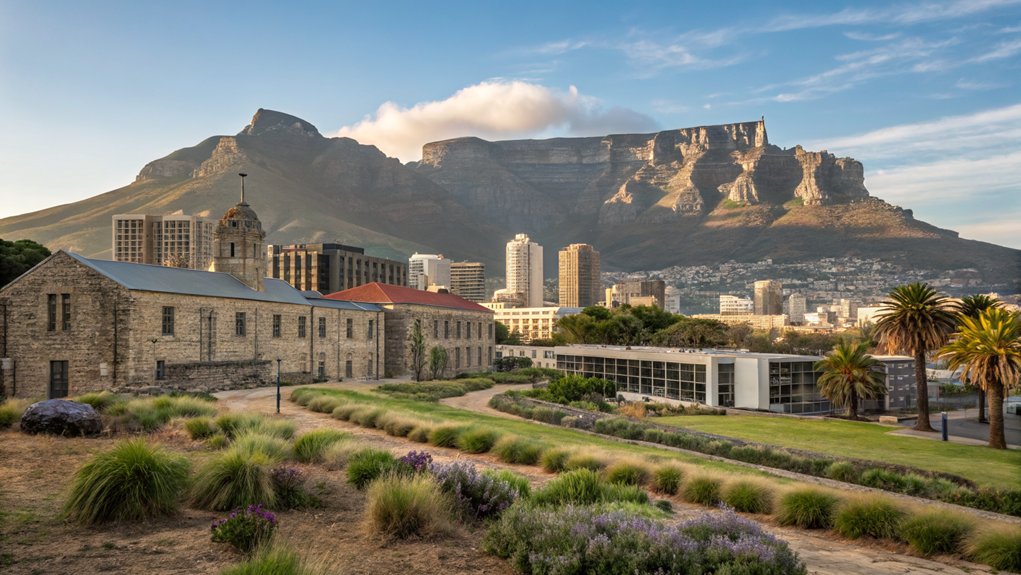
When you’re in Cape Town, you can’t miss the breathtaking views from Table Mountain.
After soaking in those stunning panoramas, take a stroll through the vibrant Bo-Kaap neighborhood, where colorful houses and rich cultural history await.
These attractions perfectly capture the essence of this beautiful city.
Table Mountain Views
While exploring Cape Town, you can’t miss the breathtaking views from Table Mountain, one of the city’s most iconic landmarks. Standing tall at 1,086 meters, it offers stunning panoramas of the city and coastline.
You can opt for the efficient cable car ride, which rotates 360 degrees, or choose to hike one of the various trails.
Here are some highlights to look forward to:
- Diverse flora and unique Fynbos vegetation on the hiking trails
- Panoramic views from viewpoints like Maclear’s Beacon
- Spectacular vistas of the Twelve Apostles mountain range
- Ideal visiting conditions during the sunny summer months (December to February)
Don’t miss this unforgettable experience that truly captures the heart of Cape Town!
Vibrant Bo-Kaap Culture
As you stroll through the vibrant Bo-Kaap neighborhood, the colorful houses and rich cultural heritage immediately capture your attention. This historic area, settled by Malay slaves in the 18th century, showcases a unique blend of African and Asian cultures.
Don’t miss the Bo-Kaap Museum, where you’ll find fascinating insights into the lives of the residents through artifacts and exhibits.
Wander the cobblestone streets, and be sure to sample traditional Cape Malay cuisine at local eateries. You can even join a cooking class to learn how to make dishes like bobotie and koeksisters.
If you’re visiting in January, the Cape Town Minstrel Carnival offers a lively celebration of music, dance, and elaborate costumes, truly reflecting Bo-Kaap’s vibrant culture.
Wine Tasting Experiences in the Winelands
Discovering the Wine Tasting Experiences in the Winelands feels like stepping into a nature-infused paradise, where vibrant vineyards stretch across rolling hills.
You’ll find a variety of amazing wineries to explore, each offering unique flavors and stunning views. Here are some highlights to contemplate:
- Enjoy affordable tastings at renowned vineyards like Oldenburg and Rust en Vrede, typically priced between $7 and $15.
- Savor farm-to-table dining at Babel at Babylonstoren, where exquisite wine pairings elevate your meal.
- Experience diverse wine styles, including world-class Pinotage and Chenin Blanc, shaped by the region’s unique terroir.
- Take scenic drives through charming towns, discovering galleries, shops, and local culture along the way.
This experience isn’t just about wine; it’s about soaking in the essence of the Winelands.
Essential Tips for Your Kruger National Park Safari Experience
A trip to Kruger National Park is an adventure you won’t forget, especially if you arm yourself with a few essential tips.
Aim to visit during the peak safari season from June to October for the best wildlife sightings. Allocate a minimum of three days to increase your chances of spotting the Big 5.
Don’t miss the morning game drives at dawn when animals are most active and photography opportunities are golden.
Be prepared for cool mornings in the upper 40s°F and warmer afternoons in the 60s to 70s°F.
Finally, opt for guided drives in open-air safari vehicles instead of self-driving for your safety and a more enriching experience.
When’s the Best Time for a Safari in South Africa?
When’s the best time to begin a safari in South Africa? The peak season from June to October is perfect, aligning with Africa’s winter.
You’ll enjoy improved game sightings as vegetation thins and animals gather near water sources. Plus, the weather’s mild, with temperatures ranging from 10°C to 20°C (50°F to 70°F), making outdoor activities comfortable.
Consider these points for your trip:
- Encounter the Big 5 more easily in Kruger National Park during peak season.
- Experience whale-watching in Hermanus from late June to September.
- Enjoy higher wildlife activity and visibility.
- Lower season from November to April means less predictable sightings.
Plan your safari for unforgettable wildlife encounters and stunning views!
Budgeting for Your Safari and Cape Town Adventure
Budgeting for your South Africa safari and Cape Town adventure involves careful planning to guarantee you make the most of your experience without breaking the bank.
Expect to budget around $400 to $500 per day, covering accommodations, transport, park fees, meals, and some excursions. Consider traveling during the low season for significant savings, making your trip easier on the wallet.
Wildlife experiences can vary in price, so book in advance to access better rates and availability. Combine flights between destinations like Cape Town and Kruger National Park to save both time and money.
Finally, don’t hesitate to work with travel experts for personalized itineraries; they can help manage your overall costs while ensuring you don’t miss out on key experiences.
Packing Essentials for a June Trip to South Africa
Packing essentials for a June trip to South Africa requires careful consideration due to the chilly mornings and variable daytime temperatures. You’ll want to be prepared for the early hours, when it’s in the upper 40s to lower 50s Fahrenheit.
Here’s what you should include in your luggage:
- Insulated jackets and layers for warmth during those cool mornings
- Hand and foot warmers for extra comfort on early game drives
- Comfortable walking shoes for exploring outdoor attractions and activities
- Binoculars and a camera to capture stunning landscapes and wildlife
Also, don’t forget a reusable water bottle and sunscreen, as daytime can heat up notably.
Stay comfortable, prepared, and enjoy your South African adventure!
Frequently Asked Questions
Is It Better to Do a Safari in Johannesburg or Cape Town?
It’s better to do a safari in Johannesburg. You’ll find closer access to renowned game reserves like Kruger National Park, enriching your wildlife experience. Cape Town offers stunning views but lacks direct safari opportunities.
Why Can’t I Wear White on Safari?
You can’t wear white on safari because bright colors might startle wildlife and attract insects. Instead, opt for neutral tones that blend with nature, keeping you comfortable and minimizing disruption during your adventure.
What Are the Must-Try Foods in South Africa?
You’ve gotta try braai for a traditional barbecue experience, bunny chow for street food delight, bobotie for a unique taste of Cape Malay cuisine, and koeksisters for a decadent dessert. Enjoy these South African flavors!
Should I Go to Kruger or Cape Town First?
You should start in Kruger for an adrenaline-filled safari, then unwind in Cape Town. This order lets you experience nature first, followed by urban exploration, making your trip memorable and balanced. Enjoy the adventure!
Related posts:

48 Hours in Boston: Food, History & Neighborhoods

World Travel Itinerary: Once-in-a-Lifetime Route
Solo Travel in Okinawa: Beaches and Island Culture
Miami Travel Itinerary: Beaches, Art Deco, and Nightlife

Solo Adventure Travel Companies for Unique Experiences
Leave a Reply