
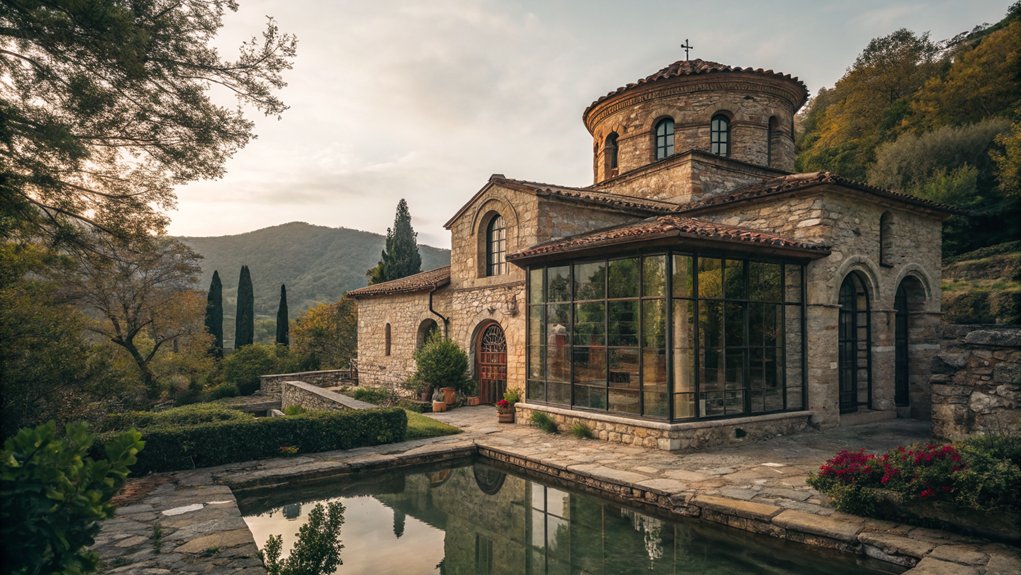
If you’re considering your next adventure, the Balkans might just surprise you. With stunning landscapes and rich history, countries like Croatia, Montenegro, and Bulgaria offer experiences beyond the typical tourist trails. Each city tells its own story, filled with cultural richness and culinary delights. But where do you start? Uncovering the hidden gems in these regions could change your travel perspective forever. Let’s explore what you can discover in this enchanting part of Europe.
Key Takeaways
- Explore Rovinj and Pula in Croatia for their stunning architecture and vibrant local cultures, away from mainstream tourist paths.
- Discover Montenegro’s hidden gems like Perast, known for its picturesque landscapes and serene coastal charm along the Bay of Kotor.
- Visit the charming town of Vrnjačka Banja in Serbia for its therapeutic mineral springs and beautiful parks, perfect for relaxation.
- Experience Bulgaria’s Plovdiv, with its ancient ruins and Renaissance architecture, offering a rich blend of history and culture.
- Uncover hidden coastal spots in Zadar, Croatia, where you can enjoy a laid-back atmosphere and stunning natural beauty.
Why the Balkans Should Be Your Next Travel Destination
If you’re searching for a unique travel experience, the Balkans should be at the top of your list. This region boasts a rich tapestry of cultures influenced by historic empires, so you’ll encounter diverse traditions and cuisines wherever you go.
Countries like Bulgaria and Montenegro are among Europe’s most affordable, with daily costs averaging just €25 to €40 for meals and accommodations. Plus, the Balkans remain less crowded than Western Europe, which means you can savor authentic experiences without the usual tourist hustle.
Nature lovers will be in awe of sites like Plitvice Lakes National Park in Croatia and the breathtaking Bay of Kotor in Montenegro. With convenient travel routes through cities like Sofia and Belgrade, exploring multiple countries is a breeze. Albania’s city of a thousand windows adds another layer of history and scenic charm for travelers exploring Southeast Europe.
Essential Travel Information for Southeast Europe
When planning your trip to Southeast Europe, knowing essential travel information can enhance your experience considerably.
The Balkans are less commercialized than Western Europe, offering stunning landscapes and authentic cultural experiences. Consider visiting Croatia’s Dalmatian coast, where you’ll find Split, home to Diocletian’s Palace and easy ferry access to islands.
Bulgaria stands out as an affordable destination, with vibrant cities like Sofia and Plovdiv packed with history. Bulgaria also offers diverse experiences such as cultural tourism and spa-focused wellness travel.
Don’t miss Montenegro’s natural beauty, including the Bay of Kotor and Budva’s charming beaches.
Using Istanbul as a central hub simplifies travel between these diverse countries, ensuring you capture the best of each nation during your adventure.
Prepare for an unforgettable journey in Southeast Europe!
Recommended Duration for Exploring Each Country
To truly savor the beauty and culture of the Balkans, consider spending an ideal duration in each country. Aim for 10-14 days to effectively explore Croatia, Montenegro, and Bulgaria, giving you a rich blend of coastal and cultural experiences.
In Croatia, spend 2-3 days in major cities like Zagreb, Dubrovnik, and Split for an extensive exploration of history and cuisine, while also unwinding.
Allocate 3-4 days in Bulgaria to wander through Sofia, Plovdiv, and natural wonders like Plitvice Lakes National Park.
For Montenegro, focus on 3-4 days to soak up the stunning Bay of Kotor and lively towns like Budva.
If you’re short on time, focusing on one or two countries makes for a more immersive journey.
Top Cities to Explore in the Balkans
When you explore the Balkans, you won’t want to miss the vibrant streets of Zagreb, where culture and urban life blend seamlessly.
Sarajevo invites you to experience its rich history and charm, making it a unique destination.
Finally, don’t forget about Kotor, where stunning coastal views will leave you in awe.
Zagreb: Cultural Urban Experience
Zagreb pulses with a vibrant cultural energy that captivates both locals and visitors alike, thanks to its rich array of museums, art galleries, and theaters. Explore the historic Upper Town, with its iconic St. Mark’s Church and charming cobblestone streets, or gather at the bustling Ban Jelačić Square surrounded by shops and cafes. Your culinary journey can’t miss local specialties like štrukli and fresh seafood, showcasing the area’s diverse flavors. For some tranquility, visit the green spaces of Maksimir Park or Jarun Lake for outdoor activities and relaxation.
| Highlight | Location | Activity |
|---|---|---|
| St. Mark’s Church | Upper Town | Cultural sightseeing |
| Ban Jelačić Square | City Center | Shopping & dining |
| Maksimir Park | Eastern Zagreb | Outdoor relaxation |
Sarajevo: Historical Charm Awakens
While exploring the Balkans, Sarajevo stands out with its enchanting blend of history and culture. This capital city of Bosnia and Herzegovina showcases a unique mix of Eastern and Western influences, evident in its stunning architecture and vibrant culinary scene.
Discover the Gazi Husrev-beg Mosque, a beautiful example of Ottoman design, or wander through the historic Baščaršija market, where you can find local crafts and mouthwatering cuisine, like ćevapi and baklava.
Dive deeper into the city’s past at the War Childhood Museum, where personal stories from the Bosnian War highlight the resilience of its people.
Don’t miss the Yellow Fortress, offering breathtaking sunset views that’ll leave you captivated by Sarajevo’s charm.
Kotor: Stunning Coastal Views
Nestled along Montenegro’s stunning fjord-like bay, Kotor captivates visitors with its dramatic coastal views and rich history. As you wander through the Old Town, a UNESCO World Heritage Site, you’ll find well-preserved medieval architecture and charming cobbled streets that transport you back in time. Be sure to hike to the fortress of St. John, where panoramic views await you.
Explore the vibrant cultural scene with local festivals and markets.
Marvel at the stunning Cathedral of Saint Tryphon, dating back to the 12th century.
Use Kotor as a base to visit picturesque towns like Perast and Herceg Novi.
Each corner of Kotor reveals breathtaking sights and unforgettable experiences, making it a must-see destination in the Balkans.
Discover Hidden Coastal Gems in Croatia
Have you ever dreamed of exploring Croatia’s stunning coastline beyond the well-trodden tourist paths? Discover hidden coastal gems that offer breathtaking beauty and rich history.
| Coastal Town | Highlights | Vibe |
|---|---|---|
| Rovinj | Colorful buildings, Venetian influence | Charming and vibrant |
| Pula | Remarkably preserved Roman amphitheater | Historical and lively |
| Zadar | Laid-back atmosphere, natural landscapes | Relaxed and serene |
Don’t miss Split, with its ancient Diocletian’s Palace and proximity to beautiful islands. The nearby island of Brač boasts the iconic Zlatni Rat Beach. Explore the scenic promenade in Kaštela, where seven quaint villages invite you to unwind. Each spot offers a unique taste of Croatia’s enchanting coast. Croatia also pairs beautifully with dry season travel for visitors who want the best conditions for sightseeing and outdoor exploration.
Best Islands Around Croatia
When you explore the best islands around Croatia, you’ll discover a treasure trove of unique experiences.
From the lively streets of Hvar to the tranquil beaches of Vis, each island has its own charm.
Get ready to make unforgettable memories as you hop from one stunning destination to the next!
Must-Visit Islands
Croatia’s islands offer a diverse mix of stunning landscapes, rich history, and vibrant culture, making them must-visit destinations for any traveler. Each island has its own unique charm that’ll leave you enchanted.
- Hvar Island: Enjoy Venetian architecture, lively nightlife, and gorgeous beaches.
- Brac Island: Relax at Zlatni Rat Beach, and indulge in olive oil tastings while absorbing panoramic views from Vidova Gora.
- Vis Island: Escape to pristine beaches and explore the mesmerizing Blue Cave for a serene experience.
Don’t forget to wander through the medieval streets of Korcula, rumored birthplace of Marco Polo.
Or discover the tranquility of Mljet’s national park with its stunning lakes. Each island promises unforgettable memories!
Unique Experiences Await
Exploring Croatia’s islands opens the door to unique experiences that cater to every type of traveler.
On Hvar, you’ll admire stunning Venetian architecture and dance the night away in vibrant bars.
Brač invites you to bask on the famous Zlatni Rat Beach, with its unique shape and crystal-clear waters.
Venture to Korčula, where you can wander charming medieval streets and savor local Grk wine.
If you crave untouched beauty, head to Vis, home to hidden coves and the mesmerizing Blue Cave on Biševo Island.
For pristine nature and rich marine life, Lastovo is your go-to destination, perfect for diving adventures.
Don’t miss Pag Island’s unique landscape, renowned sheep cheese, and lively summer festival scene in Novalja.
Bulgaria: A Journey Through History and Culture
As you step into Bulgaria, you’ll find an enchanting blend of history and culture waiting to be discovered.
Start your journey in Sofia, where the majestic Alexander Nevsky Cathedral and the ruins of ancient Serdika highlight the city’s rich heritage.
Plovdiv, one of Europe’s oldest cities, offers a delightful walk through its well-preserved Roman amphitheater and vibrant Renaissance-style buildings.
Here are a few must-experience highlights:
- Wander the charming streets of Plovdiv’s Old Town.
- Explore the breathtaking landscapes of UNESCO-listed Pirin National Park.
- Indulge in traditional Bulgarian dishes like banitsa and shopska salata.
With its affordable travel options, Bulgaria invites you to immerse yourself in its historical and cultural treasures.
Savor the Best Wine Regions in Bulgaria
While you traverse the diverse landscapes of Bulgaria, you’ll discover some of the country’s best wine regions that tantalize the palate.
The Thracian Valley, famous for its rich red wines, delights with varietals like Mavrud and Cabernet Sauvignon. If you prefer whites, the Danube Plain offers exceptional Muscat wines, bursting with fruity and aromatic notes.
Bulgaria’s wine production is gaining international acclaim, with many wines earning awards at global competitions. The country’s varying climate and geography allow for a spectrum of styles, from full-bodied reds to crisp whites and delightful rosés.
Embrace the thriving wine tourism scene; many wineries invite you for tastings, vineyard tours, and culinary experiences, showcasing Bulgaria’s rich gastronomic heritage.
Montenegro’s Stunning Landscapes and Coast
When you visit Montenegro, one of the first things that’ll capture your attention is the breathtaking Bay of Kotor, with its dramatic fjord-like scenery.
Then, you can stroll through the charming town of Budva, where vibrant nightlife meets rich history.
Whether you’re relaxing by the coast or exploring hidden gems, Montenegro’s landscapes offer something for everyone. The country also welcomes travelers year-round, from spring beauty to winter adventures, all under its Montenegro Quality label.
Breathtaking Bay of Kotor
The Bay of Kotor, or Boka Bay, captivates with its breathtaking vistas that blend steep mountains and crystal-clear waters, creating a stunning fjord-like landscape.
As you explore this UNESCO World Heritage site, you’ll uncover charming historic towns like Kotor and Perast, each boasting rich cultural heritage and medieval architecture.
- Wander the iconic Kotor Old Town, with its maze of cobbled streets and impressive city walls.
- Hike up to the San Giovanni Fortress for panoramic views that enhance the scenic beauty surrounding you.
- Get adventurous with sailing or kayaking, allowing you to discover hidden coves and picturesque islands along the stunning coastline.
Embrace the magical experience of the Bay of Kotor, where nature meets history.
Charming Town of Budva
Nestled along Montenegro’s stunning coastline, Budva is a charming town that beckons with its golden sandy beaches and vibrant atmosphere.
As you stroll through the old town, you’ll admire well-preserved medieval architecture, cobbled streets, and ancient city walls, topped by the historic Citadel offering breathtaking views of the Adriatic Sea.
Budva’s nightlife is electric, with bars and clubs buzzing after sunset, especially in the summer.
You’re also perfectly situated to explore nearby natural wonders like the picturesque Bay of Kotor and serene Sveti Nikola Island, just a short boat ride away.
Savor the region’s culinary delights at seaside restaurants, indulging in fresh seafood, local wines, and traditional Montenegrin cuisine that’ll leave you craving more.
Don’t Miss the Bay of Kotor in Montenegro
You absolutely can’t miss the Bay of Kotor in Montenegro, a breathtaking destination that captivates visitors with its fjord-like beauty and rich history.
This UNESCO World Heritage site enchants with its stunning scenery, charming medieval towns, and outdoor adventures.
Make sure to explore:
- Historic Town of Kotor: Wander through its narrow streets and climb up to the ancient Kotor Fortress for panoramic views.
- Picturesque Perast: Visit the iconic Our Lady of the Rocks island church and admire the well-preserved 17th-century stone buildings.
- Outdoor Activities: Enjoy kayaking, sailing, or hiking to appreciate the bay’s natural beauty from various perspectives.
The Bay of Kotor promises an unforgettable experience you won’t want to miss!
How to Experience Local Culture Through Food
To truly immerse yourself in the local culture, explore the vibrant street food scene that offers delicious treats like ćevapi and pljeskavica.
Don’t forget to visit traditional markets where you can find fresh ingredients and unique delicacies that reflect the region’s culinary heritage.
Joining a cooking class with local families lets you learn cherished recipes while creating memorable connections with the culture.
Street Food Delights
Street food in the Balkans offers a vibrant tapestry of flavors that reflect the region’s rich history and diverse cultures, making it an essential part of any travel itinerary.
You’ll find budget-friendly meals that let you taste the local culture without breaking the bank.
- Savor delicious burek, flaky pastries stuffed with meat or cheese.
- Enjoy invigorating šopska salata, a salad bursting with fresh cucumbers, tomatoes, and cheese.
- Relish grilled ćevapi and pljeskavica served with onions and flatbread, found at lively street stalls.
In cities like Belgrade and Sofia, immerse yourself in street food events to connect deeply with the culinary traditions.
Traditional Market Visits
Traditional markets in the Balkans are treasure troves of local culture, inviting you to explore the region’s unique culinary landscape.
In Sofia, the Central Market Hall showcases fresh produce and traditional crafts, giving you a taste of Bulgaria’s diverse heritage.
Head to Plovdiv’s Kapana neighborhood, where you can sample street food like kebapche and chat with local artisans.
The Green Market in Tirana bursts with fresh fruits, olive oil, and honey, reflecting the area’s agricultural practices.
In Sarajevo’s Baščaršija, sip authentic Bosnian coffee and enjoy sweet baklava amidst the rich Ottoman history.
Finally, Split’s Pazar market offers a vibrant scene for haggling over fresh seafood, cured meats, and traditional cheese, immersing you fully in local flavors.
Local Cooking Classes
Exploring local markets is just the beginning of your culinary adventure in the Balkans. Dive deeper by enrolling in cooking classes that not only teach you how to prepare delicious dishes but also connect you with the region’s culture.
Here are a few experiences you shouldn’t miss:
- Master traditional Croatian recipes like risotto and sarma from local chefs in Zagreb.
- Create homemade banitsa while sipping local wines in Sofia’s culinary workshops.
- Discover the art of preparing tavë kosi in Tirana using fresh ingredients.
Each class offers a unique perspective on local traditions, ensuring you leave with both culinary skills and cherished memories.
Food is truly a gateway to understanding the heart of the Balkans!
Transporting Between the Balkans: Practical Tips
Maneuvering transport between the Balkans can be an exciting yet challenging experience. Public transportation, like buses and trains, is generally affordable but check schedules in advance. Renting a car gives you flexibility, but confirm rental agreements regarding cross-border travel and watch for extra fees. Border crossings are usually straightforward, though expect varying wait times.
Here’s a quick reference:
| Transport Method | Pros & Cons |
|---|---|
| Public Transport | Affordable, limited schedules |
| Car Rental | Flexible, extra fees possible |
| ATMs | Convenient, avoid high fees |
| Border Crossings | Straightforward, wait times vary |
Keep driving conditions in mind, especially in rural areas like Albania, where signage can be scarce, and road quality may differ.
Budgeting Your Trip: Costs for Accommodation and Dining
Budgeting your trip to the Balkans can be a breeze if you know what to expect regarding costs. Daily travel expenses typically range from €25 to €40, making this region quite affordable.
For accommodation, dormitory beds in hostels usually cost between €10 and €12, while private budget rooms range from €20 to €30.
When it comes to dining, you’ll find meals to be economical:
- Breakfast: About €3
- Lunch/Dinner: €6 to €15
- Traditional street food (like burek): Under €5
While areas like Croatia’s coast may be pricier, many Balkan countries offer excellent value for lodging and meals, often averaging around €50 per night.
Enjoying the Balkans doesn’t have to break the bank! Lithuania’s regions also show how diverse travel experiences can be when exploring different parts of Europe.
Suggested Itineraries for Exploring All Three Countries
With your budget well planned, it’s time to think about how to experience the rich tapestry of Croatia, Bulgaria, and Montenegro in a seamless journey.
Start in Croatia, exploring Split and marveling at Diocletian’s Palace. Then, hop on a ferry to the stunning islands of Brac and Hvar for some relaxation.
Next, travel to Bulgaria to immerse yourself in Sofia’s vibrant culture and Plovdiv’s historical charm, all at affordable prices.
Finally, head to Montenegro and take in the breathtaking Bay of Kotor and the lively beach town of Budva.
This 10-14 day itinerary allows you to fully appreciate each country’s unique offerings, with Istanbul serving as an ideal travel hub to enhance your experience.
Enjoy your adventure!
Along the way, you can also draw inspiration from Colombia’s cultural tourism and diverse regional traditions for a richer travel perspective.
Frequently Asked Questions
What Local Customs Should I Be Aware of While Traveling in the Balkans?
When traveling in the Balkans, respect local traditions, greet with a handshake, and always accept offers of food or drink. Dress modestly, especially in religious sites, and be mindful of cultural norms to show appreciation.
Are There Any Specific Travel Safety Tips for the Balkan Region?
Yes, stay alert in crowded places, avoid displaying valuables, and keep your belongings secure. Familiarize yourself with local emergency numbers, and don’t hesitate to ask locals for help or recommendations to guarantee a safe trip.
Can I Use My Mobile Phone Without Incurring Extra Charges?
You can use your mobile phone in the Balkans, but it depends on your carrier. Check if your plan includes international coverage. If not, consider getting a local SIM card to avoid extra charges.
What Languages Are Commonly Spoken in the Balkans?
You’ll encounter various languages in the Balkans, including Serbian, Croatian, Bulgarian, Albanian, and Macedonian. English is common among younger people and in tourist areas, making communication easier during your travels throughout the region.
Are There Any Visa Requirements for Visiting Balkan Countries?
Visa requirements vary by country. You’ll need a valid passport, and some countries allow visa-free travel for certain nationalities, while others require a visa. Check each country’s regulations before your trip for the latest updates.
Leave a Reply