
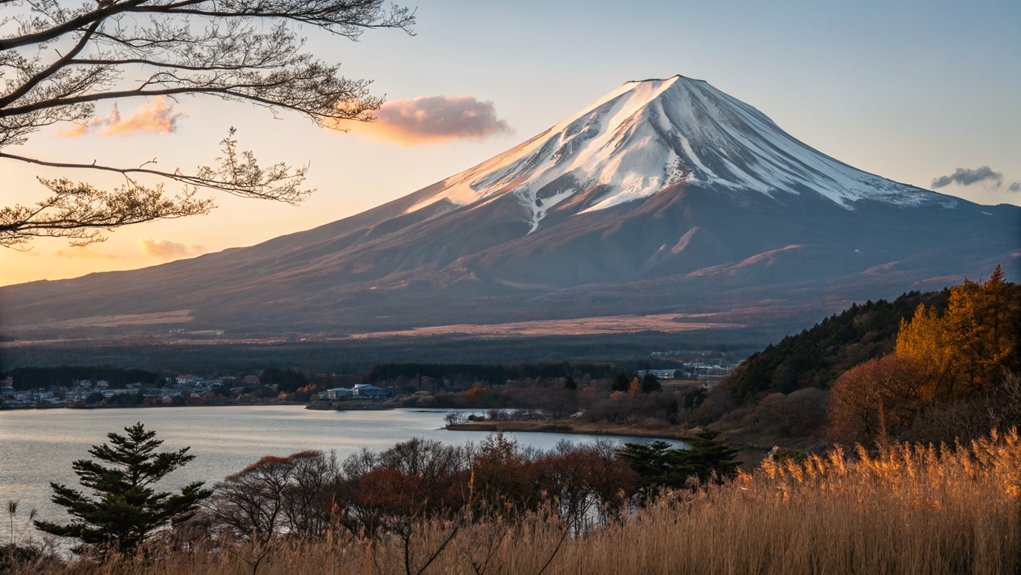
When you think about climbing Mount Fuji, it’s not just about reaching the peak; it’s about the entire experience that surrounds it. You’ll need to weigh the benefits of a swift 1-day trip against the more relaxed 2-day ascent. Each option offers unique rewards and challenges, shaping your journey in different ways. Curious about what gear you’ll need and the best time to plan your adventure? There’s much more to contemplate before you set out.
Key Takeaways
- Plan your climb during the official season from early July to early September for the best weather and accessibility on popular routes.
- Choose between a 1-day tour for a challenging trek or a 2-day tour for altitude acclimatization and breathtaking sunrise views.
- Equip yourself with high-top boots, a rain jacket, headlamp, and essential personal items to ensure a safe climbing experience.
- Explore scenic views at Lake Kawaguchi and cultural sites like the Chureito Pagoda after your climb for enriching experiences.
- Savor local cuisine such as hōtō and fresh wasabi to replenish energy and immerse yourself in the region’s culinary delights.
Why Climb Mount Fuji? Understanding Its Cultural Significance
When you think about climbing Mount Fuji, it’s essential to recognize its profound cultural significance in Japan. This iconic symbol represents not just natural beauty but also spiritual reverence, deeply rooted in Shinto beliefs.
As you hike, you’ll feel the connection between the divine and the earthly that many Japanese people honor. Fujisan has inspired countless works of art and literature, highlighting its prominence in the nation’s cultural heritage.
Recognized as a UNESCO World Cultural Heritage Site in 2013, it embodies traditional Japanese landscapes and spiritual values. By climbing Mount Fuji, you’re stepping into a living tapestry of folklore and symbolism, experiencing firsthand what makes this mountain a beloved touchstone for locals and visitors alike.
1-Day vs. 2-Day Climbing: Pros and Cons for Each Tour
While both the 1-Day and 2-Day Summit Tours offer unique experiences, choosing the right one depends on your fitness level and personal preferences.
The 1-Day Tour is perfect if you’re short on time and ready for a challenge, with a total trek duration of around 10 hours. However, it demands high fitness levels and a fast pace.
On the other hand, the 2-Day Tour provides a more relaxed experience, allowing for altitude acclimatization and enjoyable overnight stays in mountain huts. With this option, you can witness a stunning sunrise from the summit on the second day and enjoy three hot meals.
Consider your schedule and energy needs to decide which tour suits you best.
When Is the Best Time to Climb Mount Fuji?
Wondering about the best time to tackle Mount Fuji? The official climbing season runs from early July to early September, providing the best weather conditions.
If you choose the Yoshida Route, plan your climb between July 1 and September 10, 2025, when there’s a limit of 4,000 climbers daily to reduce congestion.
Alternatively, the Fujinomiya and Gotemba Routes are available from July 10 to September 10, 2025, without a climber limit—just remember to make reservations and pay the entrance fee.
For those wanting a quieter experience, the off-season from September 11 to October 10 offers fewer crowds, though weather can be unpredictable.
Remember to acclimatize properly to handle altitude sickness, especially during peak summer months.
Essential Climbing Gear for Mount Fuji: What to Bring
Preparing for your Mount Fuji climb means gathering the right gear to tackle the challenges ahead.
First and foremost, invest in high-top boots that provide support and grip on rocky terrain. A 20-30L backpack with a rain cover is essential for convenience during your journey.
Don’t forget waterproof rain jackets and pants—Gore-Tex is a great choice—to shield you from unexpected weather changes. A fully charged headlamp will guarantee you stay safe during early morning or nighttime hikes.
Pack personal items like sunscreen, lip balm, and 100 yen coins for trail fees, along with any necessary medications.
Remember to wear proper clothing with warm layers, and make certain you’re comfortable in your hiking boots to avoid discomfort on your ascent.
Planning Your Itinerary: Key Considerations for a Successful Climb
When you’re planning your Mount Fuji itinerary, timing and route selection are essential for a successful climb. Aim to climb during the official season, from early July to early September, when the weather’s mild and trails are accessible.
The Yoshida Route is the most popular choice, but starting in 2025, it’ll have a daily climber limit of 4,000, so make reservations early. Plan for a 1-day climb, targeting a 2:00 PM summit time, as ascent times vary between 5 to 10 hours.
Also, keep in mind new safety regulations that require attending a mandatory hiking safety class before climbing. Finally, pack waterproof boots and weather-appropriate clothing, as conditions can turn harsh above 3,000 meters.
Health and Safety: Key Guidelines for Climbers
As you gear up for your climb, keeping health and safety in mind is paramount. Make certain you’ve got a high fitness level; if you’re over 65, be prepared to prove it. Your guides will monitor your well-being closely, and they won’t hesitate to turn you back if you exhibit severe altitude sickness or struggle during the climb.
To further safeguard your health, it’s recommended to have a tetanus shot updated within the last 5 to 10 years. Remember, the tour has a non-refundable policy, so only book if you’re confident in your ability to complete the trek.
Finally, confirm you comply with gear requirements, wearing high-top boots and carrying essential items, or you may be reassigned to different activities.
Climbing Routes: A Breakdown of the Four Trails Up Mt. Fuji
With four distinct trails leading up to Mt. Fuji, you’ll have options that cater to your climbing style.
The Yoshida Route is your best bet for popularity, welcoming 4,000 climbers daily from July 1 to September 10, 2025, with a 6-hour ascent.
If you want more flexibility, the Fujinomiya Route opens July 10 to September 10, allowing unlimited climbers and featuring a quicker 5-hour ascent.
The Gotemba Route, marked with green signs, is the longest and toughest, taking about 9 hours to ascend and 4 hours to descend.
Finally, the Subashiri Route, with its red signs, offers a more natural experience but requires advance reservations and an entrance fee.
Each route has its unique challenges, so choose wisely!
Accommodations: Where to Stay Before and After Your Climb
After selecting the climbing route that best suits your style, you’ll want to contemplate where to rest before and after your adventure.
For early climbers, the Fujisan Hotel is a convenient choice due to its proximity to the mountain, though comfort is limited.
If you’re looking for variety, Kawaguchiko accommodations range from budget inns to luxury hotels, catering to all preferences and price points.
For a unique experience, consider Hakone hot springs hotels, which provide soothing amenities after your climb.
Alternatively, Shizuoka city offers comfortable lodging options great for exploring the Mt. Fuji area.
If you’re planning a quick day trip from Tokyo, multiple options guarantee you can stay in the city while easily accessing the iconic mountain.
Daily Breakdown: What to Expect on Your Climb
A typical one-day climb of Mount Fuji takes you from the 5th station at around 7:00 AM to the summit by 2:00 PM, allowing for several hours of breathtaking views and personal reflection.
You’ll choose the Yoshida Trail, the most popular and accessible route, which generally takes between 5 to 10 hours to ascend. A high fitness level is essential, as participants aged 15 and under aren’t permitted, and those over 65 need to show proof of fitness.
The climbing fee for the Yoshida Trail is JPY 4,000 during peak season, so make reservations early. Along the way, experienced guides will guarantee your safety, monitoring for signs of altitude sickness and requiring mandatory gear for a successful climb.
Post-Climb Adventures: Unique Experiences Around Mt. Fuji
After conquering Mt. Fuji, you’ll want to capture its beauty through scenic photography spots nearby.
Indulge your taste buds by sampling local cuisine, where you can savor unique dishes that reflect the region’s culture.
These experiences will round out your adventure and create lasting memories.
Scenic Photography Spots
Where can you find the most breathtaking views of Mount Fuji for your photography adventures?
Start at the Chureito Pagoda, where you can frame the mountain with cherry blossoms in spring or vibrant autumn foliage for stunning shots.
Head to Lake Kawaguchi in the Fuji Five Lakes area; the serene waters provide perfect reflections, especially at sunrise or sunset.
Nihondaira offers panoramic vistas alongside rolling hills and tea fields, giving you unique landscape perspectives.
Don’t miss Matsubara Beach, where sandy shores and pine trees enhance your compositions with Mount Fuji in the background.
Finally, catch a view from Hakone, particularly on clear days, as the mountain rises dramatically from the clouds, showcasing its majestic beauty.
Local Cuisine Tasting
Indulging in local cuisine is a must after conquering Mount Fuji, and you’ll find plenty of delicious options to refuel your energy. Immerse yourself in Hōtō, a hearty noodle soup filled with flat udon noodles and seasonal veggies, perfect for warming up. For a fresh twist, visit a wasabi farm to sample authentic wasabi, a local specialty. Don’t miss the chance to savor sweet summer fruits like grapes and peaches. Try Fujizakura Pork, known for its tenderness in dishes like shabu-shabu, or grilled skewers. To cap off your feast, enjoy local sake from the Fuji Five Lakes area, where traditional brewing meets unique flavors.
| Dish | Description | Pairing |
|---|---|---|
| Hōtō | Hearty noodle soup with seasonal veggies | Fujizakura Pork |
| Fresh Wasabi | Crisp and spicy, straight from the farm | Sake |
| Local Fruits | Sweet grapes and peaches | Light snacks |
| Fujizakura Pork | Tender and rich, perfect for shabu-shabu | Seasonal veggies |
| Local Sake | Crafted from area wineries | Traditional dishes |
Recommended Activities and Sightseeing After Your Climb
After conquering Mount Fuji, there’s plenty to explore in the surrounding area.
You’ll want to soak in the scenic views, taste local cuisine, and visit cultural sites that highlight the region’s rich heritage.
It’s the perfect way to unwind and create lasting memories before heading home.
Scenic Views Around Fuji
Once you’ve conquered the majestic slopes of Mt. Fuji, the adventure continues with breathtaking views waiting to be discovered.
Head to Chureito Pagoda for iconic panoramas, especially stunning when cherry blossoms bloom or during fall’s vibrant foliage.
Don’t miss the Fuji Five Lakes, where Lake Kawaguchi offers perfect spots for reflection shots and various recreational activities.
For a taste of lush landscapes, explore Hakone’s hot springs and green vistas that provide clearer skies in autumn.
If you’re looking for different angles, Nihondaira and Matsubara Beach present alternative breathtaking perspectives of Mt. Fuji.
Each location enriches your connection to this majestic mountain, making your journey unforgettable. Embrace the beauty!
Local Cuisine Tasting Experience
What better way to celebrate your successful climb of Mt. Fuji than by indulging in the local cuisine? Treat your taste buds to something truly special with these delicious options:
- Hōtō: A hearty noodle soup featuring wide udon noodles, seasonal vegetables, and miso broth, perfect after your climb.
- Mizunami pears: Sweet and juicy, these local fruits will refresh you after your hike and are easily found in the Fujikawaguchiko area.
- Fuji Yoshida’s Tsukimi Udon: Savor this unique dish topped with a raw egg and seasonal ingredients, highlighting the region’s culinary traditions.
Don’t forget to also explore local farmers’ markets for organic produce and artisanal snacks, giving you a true taste of the Mt. Fuji region’s heritage.
Cultural Sites Near Climb
Celebrating your ascent of Mt. Fuji, treat yourself to rewarding cultural sites nearby.
Start with the historic Chureito Pagoda, where you can capture stunning views of the mountain, particularly during cherry blossom season.
Next, head to the Fuji Five Lakes region; Lake Kawaguchi offers scenic beauty along with activities like boating and fishing.
For deeper insights, visit the Fujisan World Heritage Center, which showcases exhibits on Mt. Fuji’s history and significance.
Explore Oshino Hakkai village, where picturesque ponds fed by snowmelt create a serene, traditional atmosphere.
Finally, unwind in Hakone’s hot springs, which not only provide therapeutic benefits but also breathtaking views of the iconic peak.
Enjoy the cultural richness that surrounds your climbing experience!
Frequently Asked Questions
What Is the Altitude of Mount Fuji?
Mount Fuji’s altitude is 3,776 meters, or about 12,389 feet. When you stand at its summit, you’ll feel the breathtaking view, connecting you to nature’s beauty and the triumph of reaching such a high point.
Are There Age Restrictions for Climbing Mount Fuji?
There aren’t strict age restrictions for climbing, but it’s recommended for children aged 10 and older. You should assess your group’s physical abilities to verify everyone can handle the challenges of the hike.
Can I Bring My Dog up Mount Fuji?
Yes, you can bring your dog up Mount Fuji, but keep in mind certain trails have restrictions. Make sure your furry friend is comfortable with the hike, and always clean up after them along the way.
Are There Rest Areas Along the Climbing Route?
Yes, there are rest areas along the climbing route. You’ll find several stations where you can take breaks, refuel, and enjoy the scenery before continuing your ascent. Just remember to pace yourself during the climb!
What Should I Do in Case of Bad Weather?
If bad weather hits, prioritize safety. Seek shelter, monitor weather updates, and consider postponing your climb. It’s better to wait for clearer conditions than risk dangers like slippery paths or rapidly changing visibility.
Leave a Reply