
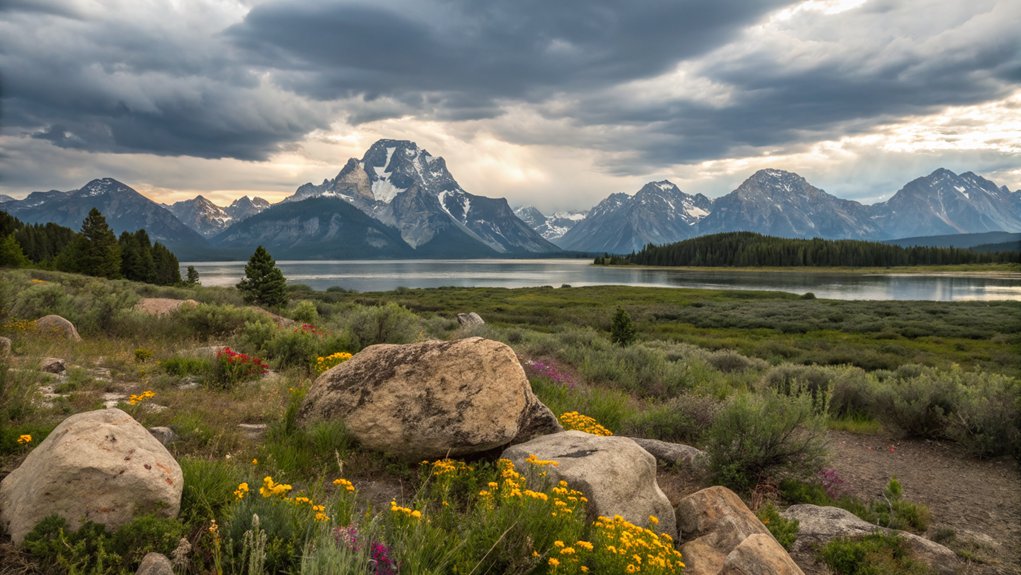
If you’re planning a trip to Wyoming, a well-crafted itinerary for Yellowstone and Grand Teton National Parks can elevate your experience. You’ll witness breathtaking landscapes, unique wildlife, and exhilarating outdoor activities. From the geysers of Yellowstone to the jagged peaks of the Tetons, each moment holds something special. But as you prepare for this adventure, consider what times of year yield the best experiences and what essential gear you should bring along.
Key Takeaways
- Plan to visit Yellowstone during summer for full access to attractions like Old Faithful and Grand Prismatic Spring, or in spring for wildlife viewing.
- Include a hike to Delta Lake in Grand Teton National Park for stunning views and diverse recreational opportunities among the mountains.
- Prioritize packing layers, comfortable hiking shoes, and essential gear like bear spray and a reusable water bottle for outdoor adventures.
- Explore scenic drives like Teton Park Road and Jenny Lake Scenic Drive for breathtaking vistas and photography opportunities at sunset and sunrise.
- Engage in wildlife watching in locations like Lamar Valley and Hayden Valley during early morning or late afternoon for optimal sightings.
Expanding Your Adventure: Must-See Attractions in Yellowstone National Park
When you explore Yellowstone National Park, you’ll discover a treasure trove of natural wonders that will leave you in awe.
Be sure to witness the famous Old Faithful geyser, which erupts every 90 minutes, shooting steam up to 180 feet in the air.
Don’t miss the stunning Grand Prismatic Spring, the largest hot spring in the U.S., boasting vibrant colors across a 370-foot diameter.
For geothermal enthusiasts, the Norris Geyser Basin is a must-visit, home to over 25 geysers and steam vents.
Marvel at the breathtaking Grand Canyon of the Yellowstone and its dramatic waterfalls, especially the 308-foot Lower Falls.
Finally, explore Lamar Valley, known as “America’s Serengeti,” where you can spot abundant wildlife like bison and elk.
For a broader adventure, consider exploring Yosemite Valley for iconic landmarks, scenic hiking, and unforgettable landscape photography.
Unforgettable Experiences: Highlights of Grand Teton National Park
Grand Teton National Park offers an unforgettable experience with its breathtaking landscapes and diverse recreational opportunities. Spanning 310,000 acres, the park features the stunning Teton Range and glacial lakes, inviting you to explore over 200 miles of hiking trails.
If you’re up for a challenge, the Delta Lake Hike rewards you with spectacular views. Head to Colter Bay for paddle boarding on Jackson Lake, where you can spot bears and moose.
For serene sunrises, visit Artist Point, and for perfect sunset photos, Schwabacher Landing is a must. Don’t miss scenic drives along Teton Park Road and Jenny Lake Scenic Drive, showcasing the park’s dramatic vistas and providing access to additional trailheads for your adventure. You can also discover more about wildlife viewing opportunities while exploring the park’s remarkable habitats and wildlife.
Timing Your Visit: Best Times for Yellowstone and Grand Teton
Visiting Yellowstone and Grand Teton National Parks at the right time can enhance your experience dramatically.
The summer months, from June to August, offer full access to all roads and facilities, making it the peak season for activities and attractions. If you love wildlife, consider spring (late April to mid-June). Many animals give birth then, though be prepared for some road closures due to lingering snow.
Fall (September to mid-October) brings stunning foliage and fewer crowds, but weather can shift quickly, and some facilities may close.
For a unique experience, come in winter (late December to March) for snow sports; just remember, access will be limited.
Crafting Your Perfect Itinerary for Yellowstone and Grand Teton
Crafting your perfect itinerary for Yellowstone and Grand Teton National Parks requires thoughtful planning to guarantee you capture the essence of these stunning landscapes. Allocate at least five days for a thorough experience, spending three days in Yellowstone and two in Grand Teton. Start your adventure in Jackson, Wyoming, to explore the town and nearby attractions like Jenny Lake and the Teton Range.
Here’s a quick overview of key spots:
| Day | Location | Must-See Attractions |
|---|---|---|
| Day 1 | Grand Teton | Jenny Lake, Teton Range |
| Day 2 | Grand Teton | Scenic drives, wildlife |
| Day 3-5 | Yellowstone | Old Faithful, Grand Prismatic Spring, Mammoth Hot Springs |
Don’t forget to reserve accommodations early!
Essential Road Trip Gear: Packing for Yellowstone and Grand Teton
Packing for a trip to Yellowstone and Grand Teton means you’ll need to be prepared for rapidly changing mountain weather and diverse outdoor activities. Start with layers of clothing to adapt to temperature shifts throughout the day.
A high-quality reusable water bottle is a must for staying hydrated, especially since many trailheads offer refill stations. Comfortable hiking shoes or boots are essential for traversing the parks’ varied terrain, particularly on popular trails like Cascade Canyon and those around Jenny Lake.
Don’t forget a day pack to carry snacks, a first aid kit, bear spray for safety, and your camera for capturing breathtaking views. Finally, pack sunscreen and sunglasses to protect yourself from the higher elevation sun exposure.
Top Dining Experiences: Eating in Yellowstone and Grand Teton
When you think about dining in Yellowstone and Grand Teton, you’ll find stunning views paired with delicious local dishes.
Experience the charm of the Lake Yellowstone Hotel Dining Room or savor a slice of wood-fired pizza at Pinky G’s in Jackson.
Each meal offers a unique taste of the region, showcasing ingredients like bison and huckleberries.
Scenic Dining Options
While exploring the breathtaking landscapes of Yellowstone and Grand Teton, you’ll find that dining can be just as memorable as the scenery itself.
At Jackson Lake Lodge, enjoy exceptional views of the Tetons while savoring delicious meals. For an upscale dining experience, head to the Lake Yellowstone Hotel Dining Room, where gourmet dishes are paired with stunning lake views.
If you’re looking for something casual, Leeks Marina near Yellowstone Lake offers pizza and ice cream—perfect for families unwinding after a day of adventure. The Corral in Gardiner, Montana, serves tasty burgers and huckleberry milkshakes in a relaxed outdoor setting, ideal for a quick lunch.
Don’t miss the rustic charm of the Old Faithful Inn’s restaurant, close to one of Yellowstone’s most iconic attractions.
Local Cuisine Highlights
Explore the local cuisine in Yellowstone and Grand Teton to discover a variety of top dining experiences that highlight regional flavors.
In Jackson Hole, don’t miss Merry Piglets for tasty Mexican dishes, or head to Pinky G’s Pizzeria for their famous wood-fired pizza in a fun vibe.
While in Yellowstone, enjoy a meal at the historic Old Faithful Inn’s dining room with stunning geyser views, or savor quality cuisine at Lake Yellowstone Hotel Dining Room.
For a casual family meal, try Yellowstone Pizza Company or The Corral in Gardiner.
At Jackson Lake Lodge, dine with breathtaking panoramas of Grand Teton, and unwind at Happy Hour Bar & Grill in West Yellowstone, perfect after a day of adventure.
Best Hiking Trails for All Skill Levels
Wyoming’s stunning landscapes offer hiking opportunities that cater to everyone, from casual walkers to seasoned trekkers.
Start with the Hidden Falls and Inspiration Point trail at Grand Teton National Park, an easy 5-mile round trip that rewards you with breathtaking views of cascading waterfalls.
If you’re up for a moderate challenge, tackle the 6-mile Taggart and Bradley Lakes loop, where you might spot moose along the route.
For experienced hikers, the strenuous 14-mile Cascade Canyon hike presents awe-inspiring vistas of the Teton Range.
In Yellowstone, don’t miss the short 0.6-mile Grand Prismatic Overlook Trail, showcasing the famous spring, and the 2-mile Storm Point Trail, which offers lovely views of Yellowstone Lake and potential wildlife sightings.
Yellowstone features over 10,000 thermal features, making its geothermal landscapes a highlight for hikers exploring the park.
Wildlife Watching Tips for Your Visit
For the best wildlife viewing in Wyoming, plan your outings for the early morning or late evening when animals are most active.
Remember to keep a safe distance—at least 25 yards from bison, elk, and moose, and 100 yards from bears and wolves.
Best Times for Viewing
The best opportunities for wildlife viewing in Yellowstone and Grand Teton National Parks often occur during the early morning and late afternoon, as animals are most active during these times while crowds are fewer.
Explore Lamar Valley, known as “America’s Serengeti,” at dawn or dusk for a chance to spot bison, elk, and wolves. Hayden Valley is another great spot, especially for bison.
Remember to use designated pull-offs to avoid obstructing traffic and always maintain a safe distance—at least 25 yards from bison, elk, and moose, and 100 yards from bears and wolves.
Visiting in the fall, particularly late September to early October, not only offers beautiful autumn foliage but also increased wildlife activity as animals gather in larger groups before winter.
Disturbance Distances to Maintain
When you’re out exploring Yellowstone and Grand Teton National Parks, it’s essential to respect the space of the wildlife you encounter.
Maintain a distance of at least 25 yards (about 23 meters) from bison, elk, and moose. For bears and wolves, keep at least 100 yards (approximately 91 meters) away to prevent any dangerous situations.
Always use designated pull-offs for viewing wildlife; this keeps traffic flowing and enhances your experience. Familiarize yourself with animal behavior to avoid provoking them—stay calm, quiet, and don’t approach them closely.
Finally, carry bear spray while hiking and know how to use it in case of an encounter. Protect yourself and the animals by giving them the space they need.
Scenic Park Drives: Discovering Yellowstone & Grand Teton
As you begin your journey through Yellowstone and Grand Teton National Parks, you’ll find that the scenic park drives are an unforgettable way to experience the breathtaking landscapes and diverse wildlife.
The Grand Loop Road in Yellowstone connects major attractions like Old Faithful and Grand Prismatic Spring, while Teton Park Road offers stunning views of the Teton Range. Don’t forget the John D. Rockefeller, Jr. Memorial Parkway, linking both parks with scenic beauty. Utilize pull-offs for wildlife spotting, especially in Lamar and Hayden Valleys, and try to drive during early mornings or late afternoons for a quieter experience.
| Drive Route | Key Attractions | Wildlife Viewing Opportunities |
|---|---|---|
| Teton Park Road | Jenny Lake, Snake River overlook | Moose, Elk |
| Grand Loop Road | Old Faithful, Grand Canyon of the Yellowstone | Bison, Grizzly Bears |
| John D. Rockefeller Parkway | Scenic vistas connecting both parks | Deer, Eagles |
| Lamar Valley | Wildlife-rich terrain | Pronghorn, Wolves |
| Hayden Valley | Wide-open vistas | Bison, Bears |
Outdoor Adventures: Activities Beyond Hiking
While many visitors associate national parks with hiking, there’s a wealth of outdoor adventures awaiting you beyond the trails in Yellowstone and Grand Teton. Consider paddleboarding on String Lake for a serene morning, capturing stunning sunrises and glimpsing wildlife.
If you prefer a more relaxed experience, take a scenic drive along Jenny Lake Scenic Drive or Signal Mountain Summit Road for breathtaking views without the exertion. Don’t miss wildlife watching in Lamar Valley and Hayden Valley; you might spot bison, elk, or even bears.
For a unique perspective, hop on a ranger-led boat tour on Jackson Lake to learn about the area’s geology while soaking in the scenery. And remember to pack a picnic and enjoy a meal at the picturesque Colter Bay Picnic Area.
Safety Tips for Enjoying Yellowstone and Grand Teton
Exploring the breathtaking landscapes of Yellowstone and Grand Teton can be an unforgettable experience, but safety should always be your top priority.
Here are a few essential tips to keep in mind:
- Bear Safety: Always carry bear spray and know how to use it. Maintain a safe distance—100 yards from bears and wolves, and 25 yards from bison, elk, and moose.
- Hiking Smart: Avoid hiking alone and stick to well-traveled trails, especially during dawn and dusk when wildlife is most active.
- Wildlife Viewing: Use designated pull-offs for animal sightings. This keeps you and other visitors safe while enjoying the parks’ incredible wildlife.
Photography Tips: Capturing the Parks’ Beauty
Capturing the breathtaking beauty of Yellowstone and Grand Teton National Parks requires a strategic approach to photography.
Make the most of the golden hours at sunrise and sunset; the soft lighting brings out vibrant colors while minimizing harsh shadows. For iconic locations like Grand Prismatic Spring, visit in the late afternoon when steam is lower, revealing clearer shots.
Incorporate wildlife by being patient and using a telephoto lens in the early mornings and late evenings when animals are active. Enhance your compositions by framing shots with foreground elements like wildflowers or rock formations for depth.
Finally, use a tripod for stable, long-exposure shots of waterfalls and geysers to showcase the mesmerizing motion of water.
Keeping Yellowstone and Grand Teton Clean: Environmental Practices
When you visit Yellowstone and Grand Teton, it’s essential to follow “Leave No Trace” principles to keep these stunning parks pristine.
Always pack out your trash and stick to designated trails to protect fragile ecosystems.
Leave No Trace Principles
To protect the stunning landscapes and diverse wildlife of Yellowstone and Grand Teton National Parks, following the Leave No Trace principles is critical. Here are a few key practices you should keep in mind:
- Plan Ahead: Prepare for your trip to minimize your impact. Use established campsites and stick to designated trails to protect fragile ecosystems.
- Dispose of Waste Properly: Always use wildlife-safe dumpsters and carry out all trash. This prevents harm to animals and keeps the parks pristine.
- Respect Wildlife: Maintain a safe distance and never feed animals. This helps preserve their natural behaviors and guarantees safety for both you and the wildlife.
Wildlife Safe Practices
Following Leave No Trace principles lays the groundwork for protecting the breathtaking environments of Yellowstone and Grand Teton National Parks.
Always pack out all trash and waste; litter can harm wildlife and disrupt habitats. When you’re enjoying the parks, store food and scented items in bear-resistant containers to minimize wildlife encounters.
Stick to designated trails and boardwalks to preserve sensitive vegetation and geological features. Use designated pull-offs for wildlife viewing instead of stopping along roads, ensuring both your safety and the peace of the animals.
Finally, dispose of waste properly in wildlife-safe dumpsters to prevent attracting animals. By practicing these wildlife safe practices, you help maintain the beauty and cleanliness of these iconic landscapes for future visitors.
Maximizing Your Visit to Yellowstone and Grand Teton
How can you truly make the most of your visit to Yellowstone and Grand Teton National Parks? Planning is key. Here’s how to maximize your experience:
- Plan for a week: Allocate five to seven days to explore both parks, allowing time for must-see attractions and activities.
- Go early or late: Visit popular spots like Grand Prismatic Spring and Artist Point at dawn or dusk. Fewer crowds and beautiful light will enhance your adventure and photography.
- Stay connected offline: Download offline maps and use the “GyPSy Guide” app for navigation; cell service can be spotty in these remote areas.
Engaging in various outdoor activities, like hiking and paddleboarding, will enrich your adventure and deepen your appreciation of these stunning landscapes.
Frequently Asked Questions
How Many Days Do You Need in Yellowstone and Grand Teton?
You’ll need at least 5-7 days to fully explore Yellowstone and Grand Teton. This timeframe allows you to appreciate the stunning landscapes, wildlife, and various activities without feeling rushed and enhances your overall experience.
Can You Do Grand Teton and Yellowstone Together in One Day?
You can visit Grand Teton and Yellowstone in one day, but you’ll miss much of their beauty. Focus on a few highlights, and prepare for a long drive between the two parks. Enjoy the journey!
Where Should I Stay if I Want to Visit Yellowstone and Grand Teton?
You should consider staying at the Antler Inn in Jackson for convenience, or try Signal Mountain Lodge for scenic lakeside views. Old Faithful Inn offers a unique experience right within Yellowstone’s boundaries, too.
Should I Spend More Time in Yellowstone or Grand Teton?
You should spend more time in Yellowstone if you love geothermal wonders and iconic sights. However, if hiking and stunning mountain views excite you, allocate more days to Grand Teton for a fulfilling experience.
Related posts:

Disney Travel Itinerary: Magic Kingdom Planning Guide

Solo Travel Without a Car Using Trains and Public Transit
Killarney Travel Itinerary Day 5: Ring of Kerry Drive
11 Beautiful Places in New Zealand for Adventure Seekers

Japan Travel Itinerary Spring: Cherry Blossom Season

Leave a Reply