
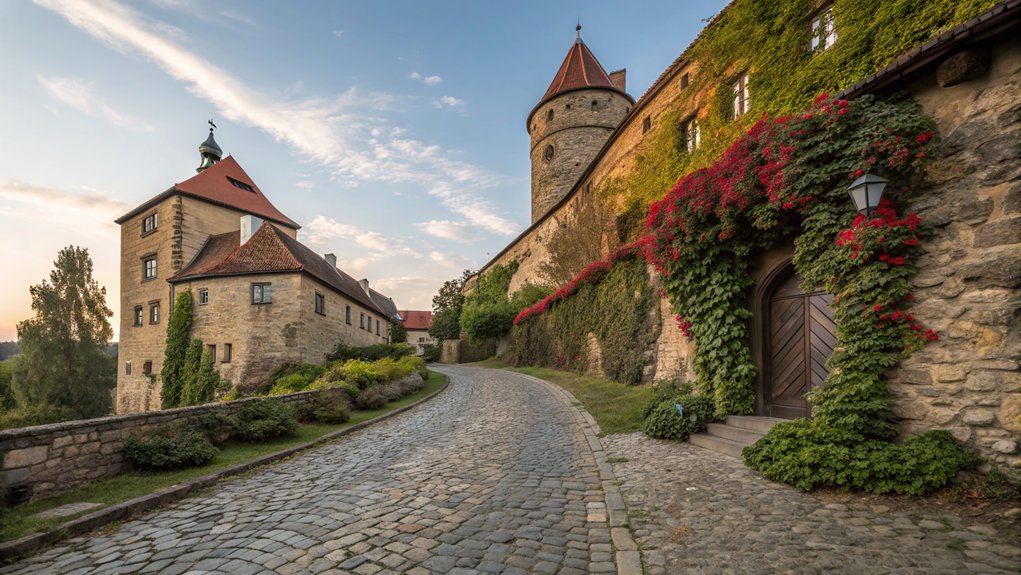
If you’re considering a trip to the Baltic States, you’re in for a unique experience. This itinerary takes you through Estonia, Latvia, and Lithuania, each offering distinct cultures and landscapes. You’ll start in Tallinn, known for its medieval charm, and move to the vibrant streets of Riga. Finally, you’ll find yourself in Vilnius, rich with history. As you plan your journey, there are many insights to uncover to maximize your adventure.
Key Takeaways
- Start your journey in Tallinn, Estonia, exploring its UNESCO-listed Old Town and vibrant cultural scene.
- Travel to Riga, Latvia, to admire the stunning Art Nouveau architecture and enjoy local cuisine like grey peas with ham.
- Visit Vilnius, Lithuania, to see historical landmarks such as the Vilnius Cathedral and Gediminas Tower, and try traditional cepelinai.
- Plan your trip during summer for warm weather and outdoor festivals, or in winter for charming holiday markets.
- Engage with locals by learning essential phrases like “Tere,” “Sveiki,” and “Labas” to enhance your cultural experience.
Why Visit the Baltic States: A Brief Overview
When you think about Europe, the Baltic states—Estonia, Latvia, and Lithuania—might not be the first destinations that come to mind, but they offer a wealth of experiences worth discovering.
These countries have a rich history shaped by various invaders, highlighted by significant events like the Baltic Way in 1989.
You’ll find unique architectures in cities such as Tallinn, Riga, and Vilnius, where medieval old towns blend seamlessly with Soviet-era structures.
Nature lovers will appreciate the tranquil coastlines, lakes, and national parks, perfect for outdoor activities and exploration.
With friendly locals, often fluent in English, you can easily immerse yourself in the diverse culture and cuisine, making your visit an unforgettable journey through the Baltics.
In Lithuania, a week can reveal five regions with distinct traditions, landscapes, and travel experiences.
Best Times to Experience the Baltic States
Visiting the Baltic States during the spring and autumn months can offer you the most enjoyable experiences, as these seasons boast mild weather and fewer crowds.
From mid-March to late May, you’ll enjoy blossoming parks and gardens, while mid-September to mid-December showcases stunning foliage.
If you prefer warmer temperatures, summer is perfect, with highs in the low 20s Celsius, making it ideal for vibrant local festivals and outdoor adventures.
Winter, especially in February or March, transforms the region into a snowy wonderland, revealing breathtaking winter landscapes.
Each season brings its unique charm and historical events that celebrate the rich cultural heritage of Lithuania, Latvia, and Estonia, so choose your timing wisely for a memorable journey. In Latvia, popular festivals and seasonal celebrations can add a lively cultural dimension to your trip.
Essential Travel Tips for Exploring the Baltics
When you plan your trip to the Baltics, timing is vital for the best experience.
Be sure to savor local cuisine and pick up a few essential phrases to connect with the locals.
With the right approach, you’ll make the most of your adventure in this stunning region.
Best Travel Seasons
The Baltic states offer an enchanting experience throughout the year, but choosing the right season can enhance your adventure. Here’s when to plan your visit:
- Spring (mid-March to end-May): Enjoy mild weather and fewer crowds while witnessing blooming landscapes.
- Summer (June to September): Experience warm temperatures and long days perfect for outdoor festivals and activities.
- Autumn (mid-September to mid-December): Delight in the beautiful fall colors and a more peaceful atmosphere ideal for exploration.
- Winter (February or March): Embrace the snowy charm, festive markets, and the serene beauty of the icy landscapes.
Each season provides unique opportunities, so be flexible with your itinerary.
This way, you can dive deeper into your personal interests across the three Baltic countries.
Local Cuisine Highlights
Exploring local cuisine in the Baltics reveals a tapestry of flavors and traditions that reflect each country’s rich heritage.
In Lithuania, try the renowned cepelinai, delicious potato dumplings stuffed with meat.
In Latvia, indulge in grey peas with bacon, a hearty dish you’ll love.
Don’t miss Estonia’s famous rye bread paired with smoked fish for a fulfilling meal.
Head to local dining spots like Katpėdėlė in Vilnius and Petergailis in Riga for authentic experiences.
Street food markets in Vilnius and Tallinn showcase treats like potato pancakes and smoked sausages, while seasonal ingredients enrich menus with fresh produce, mushrooms, and berries.
For a revitalizing drink, savor kvass or sample the local craft beers that are gaining popularity throughout the region.
Essential Language Phrases
Sampling local dishes is just one part of the Baltic experience; knowing a few key language phrases can truly enhance your interactions with locals.
You’ll find that learning basic phrases not only shows respect but also opens up conversations. Here are some essentials to get you started:
- Greetings: Say “Tere” in Estonia, “Sveiki” in Latvia, and “Labas” in Lithuania.
- Politeness: Use “Lūdzu” for “please” and “Paldies” for “thank you” when dining.
- Cultural Nuances: Familiarize yourself with regional dialects and expressions for a richer experience.
- Communicating Between Countries: Understand that Lithuanian and Latvian share some similarities, helping you navigate basic conversations.
These phrases will enrich your trip and foster connections with the friendly locals across the Baltics.
Exploring Riga in the Baltic States: Culture and Cuisine
Riga, Latvia’s capital, offers an unforgettable blend of culture and cuisine that captivates every visitor. Stroll through the UNESCO World Heritage-listed Old Town, where stunning Art Nouveau architecture meets vibrant street life. Don’t miss the Museum of Occupations, revealing the impactful history of Soviet and Nazi occupations.
Local dining is a must, with Petergailis and Libertá serving crispy potato pancakes and fresh fish specialties. For a unique perspective, take a canal boat ride.
| Experience | Price |
|---|---|
| Art Nouveau Walking Tour | €25 |
| Canal Boat Ride | €18 |
| Traditional Dining | Varies |
Dive into Riga’s culture and cuisine for a memorable exploration!
Unveiling Vilnius: Historical Landmarks of the Capital
As you leave Riga’s lively streets behind, Vilnius welcomes you with its own rich tapestry of history and stunning architecture.
You’ll want to explore these must-see landmarks:
- Vilnius Cathedral: Marvel at this stunning structure, a centerpiece of the city and a symbol of Lithuanian heritage.
- Gediminas Tower: Climb to the top for panoramic views of the old town and a glimpse into Lithuania’s medieval past.
- Museum of Occupations and Freedom Fights: Gain insight into the struggles faced during Soviet and Nazi occupations, located in the former KGB headquarters.
- Gates of Dawn: Visit this cultural site featuring the revered painting of the Virgin Mary, a significant pilgrimage destination.
Each spot tells a part of Vilnius’ enchanting story.
Discovering Kaunas: The Heart of Lithuania
In Kaunas, you’ll find a rich mix of historic architecture and a vibrant cultural scene that truly embodies the spirit of Lithuania.
Strolling through the city’s lively streets, you can admire stunning buildings that tell stories from its past while enjoying local art and events.
Plus, the scenic outdoor spaces offer perfect spots to relax and soak it all in.
Historic Architecture Highlights
When you stroll through Kaunas, you’ll find yourself captivated by its remarkable blend of historic and modern architecture. This city boasts over 300 exceptional interwar buildings, making it a UNESCO World Heritage candidate.
You’ll want to check out these highlights:
- Kaunas Castle – This iconic 14th-century fortress stands as a symbol of the city’s enduring history.
- Church of St. Michael the Archangel – Admire this stunning neoclassical gem that commands attention.
- Perkūnas House – Often dubbed one of the most beautiful houses in Lithuania, it’s a true architectural marvel.
- Ninth Fort – A significant historical site, it reveals the city’s complex past during the Tsarist era and World War II.
Kaunas’s unique architecture invites exploration and reflection.
Vibrant Cultural Scene
Exploring Kaunas means immersing yourself in a vibrant cultural scene that pulses with creativity and passion. As Lithuania’s second-largest city, Kaunas offers numerous museums, galleries, and theaters showcasing both contemporary and traditional arts.
Don’t miss the National M. K. Čiurlionis Art Museum, highlighting the genius of painter and composer Mikalojus Konstantinas Čiurlionis, which beautifully emphasizes the country’s artistic heritage.
Experience the annual Kaunas Jazz Festival as international artists take the stage, celebrating the city’s dedication to vibrant music culture.
Stroll down Laisvės alėja (Liberty Avenue) to discover shops, cafes, and cultural venues, all while enjoying the rich architectural diversity—from Gothic to Modernist buildings—reflecting both history and modern urban life.
Scenic Outdoor Spaces
As you wander through Kaunas, you’ll discover an array of scenic outdoor spaces that invite relaxation and exploration.
Here are some must-visit spots:
- Laisvės alėja: Stroll this lengthy pedestrian street, dotted with cafes, shops, and vibrant street art.
- Pazaislis Park: Enjoy serene walking paths and breathtaking views of the Neris River, perfect for unwinding amidst nature.
- Kaunas Castle: Explore historical grounds and don’t miss the nearby Botanical Garden, showcasing diverse plant species and colorful blooms.
- Kaunas Zoo: Visit a family-friendly outdoor space with over 200 animal species, ideal for education and wildlife observation.
These spaces embody the charm of Kaunas, encouraging you to connect with nature and experience the city’s vibrant atmosphere.
Tallinn: A Perfect Mix of Medieval and Modern
Tallinn captivates you with its enchanting blend of medieval history and modern innovation, making it a must-visit destination.
Wander through the UNESCO-listed Old Town, where well-preserved architecture and winding cobblestone streets beckon. As you stroll, don’t miss the impressive Toompea Castle alongside the futuristic Tallinn Creative Hub, showcasing the city’s unique juxtaposition.
Pay a visit to the Alexander Nevsky Cathedral perched on Toompea Hill, a stunning example of Russian revival architecture.
Tallinn thrives on its reputation as the “Silicon Valley of Europe,” bustling with startups and tech innovation. Throughout the year, immerse yourself in the vibrant atmosphere during cultural festivals like Tallinn Music Week, where local and international talent shines.
Each corner reveals a new reason to fall in love with this dynamic city.
Natural Wonders: Parks and Scenic Spots
If you’re seeking natural beauty and outdoor adventures, the Baltic States won’t disappoint. You’ll find a range of stunning landscapes to explore, making it an outdoor enthusiast’s paradise.
Here’s a list of must-see spots:
- Aukštaitija National Park (Lithuania) – Enjoy lush forests and pristine lakes, ideal for hiking and kayaking.
- Gauja National Park (Latvia) – Experience breathtaking views and diverse flora and fauna while camping or exploring scenic trails.
- Lahemaa National Park (Estonia) – Discover a rugged coastline, historic manors, and unique bog landscapes.
- Pärnu Beach (Estonia) – Relax on sandy shores or immerse yourself in vibrant beach culture, especially during summer.
Don’t miss these natural gems as you journey through the Baltic region!
Getting Around the Baltics: Your Public Transport Guide
Exploring the Baltic States is a breeze thanks to their efficient public transport system. You’ll find well-developed train and bus networks that connect major cities and regional attractions seamlessly.
Enjoy scenic train journeys, like the ride from Tallinn to Tartu, which takes about 2.5 hours, or from Riga to Vilnius in around 4 hours and 23 minutes. Make sure to book your tickets online in advance, especially for popular routes, to snag the best prices.
If you’re planning day trips to remote areas, consider renting a car for added flexibility. Alternatively, services like Lux Express provide comfortable bus options across the region, ensuring you won’t miss out on any must-see sights during your adventure.
Mastering Public Transport: Train and Bus Ticket Strategies
Maneuvering the train and bus systems in the Baltic states can be a smooth experience with the right strategies in mind. Here are some tips to enhance your travels:
- Buy Tickets Online: Use platforms like Elron, Latvijas dzelzceļš, and LTG Link to purchase train tickets, or check out Estonia’s Tpilet for bus options.
- Scan Boarding Passes: In Estonia, save time by scanning your card instead of printing your ticket.
- Plan Transfers: Remember that traveling from Tartu to Riga requires a train change in Valga; budget about 7 hours for the trip.
- Choose the Right Class: For the new Riga to Vilnius train route, opt for first or second-class tickets depending on your comfort preference and budget.
Unforgettable Local Festivals: Celebrating Culture in the Baltics
When you visit the Baltics, you’ll find incredible local festivals that celebrate traditional music, seasonal foods, and unique crafts.
Each event offers a glimpse into the vibrant culture and heritage of the region, bringing communities together in joyous celebration.
You won’t want to miss the lively atmosphere and rich experiences that these festivals provide!
Traditional Music Celebrations
Immerse yourself in the vibrant world of traditional music celebrations that define the Baltic countries, each showcasing its unique cultural heritage.
Here, you’ll find unforgettable events that draw communities together and celebrate their roots:
- Lithuania’s Song and Dance Celebration – A massive event every four years where performers celebrate national identity through music and dance.
- Latvia’s Baltic Song and Dance Festival – A grand gathering that emphasizes collective cultural expression with choirs and dancers performing outdoors.
- Estonia’s Song Festival – Held every five years, this festival unites choirs to sing folk songs, symbolizing national unity.
- Preservation of Heritage – These festivals not only entertain but also help preserve local languages and customs, reinforcing communal bonds across the region.
Seasonal Food Festivals
After celebrating the rich tapestry of traditional music in the Baltics, you’re invited to explore the region’s vibrant seasonal food festivals that highlight its culinary diversity.
In Lithuania, the Vilnius Food and Drink Festival showcases local produce and culinary creativity. Latvia’s Rīga Food Festival delivers delicious regional dishes, cooking workshops, and tastings every summer.
Don’t miss Estonia’s Tallinn Food Festival, where local chefs and artisans unite to celebrate Estonian street food and culinary experiences.
In autumn, experience the Latvian Autumn Festival, featuring food markets with seasonal specialties like root vegetables and mushrooms from local farmers.
Each festival offers a unique opportunity to immerse yourself in the diverse culinary heritage of the Baltics while fostering community engagement and cultural exchange.
Unique Craft Fairs
If you’re looking to experience the heart of Baltic culture, unique craft fairs hold a special allure.
These events not only celebrate local artisans but also immerse you in the region’s rich heritage.
Here are four must-visit craft fairs:
- Tallinn Craft Fair: Explore handmade goods like textiles and ceramics in a lively atmosphere.
- Riga Craft and Art Fair: Discover homemade food products, jewelry, and decorations from local artisans.
- Vilnius Craft Fair: Participate in workshops while enjoying pottery and folk art, emphasizing sustainability.
- Seasonal Events: Many fairs are tied to local festivals, allowing you to grasp the customs and traditions of Estonia, Latvia, and Lithuania.
Engaging with these craft fairs gives you a memorable shopping experience infused with local culture.
Language Essentials: Communicating With Locals
When you travel through the Baltic states, knowing a few key phrases can really enhance your experience. Each country has its own language: use “Labas” in Lithuania, “Sveiki” in Latvia, and “Tere” in Estonia to greet locals warmly.
While many younger people speak English, older generations might not, so picking up basic expressions shows respect for their culture. You might also encounter Russian speakers, especially in areas with significant Russian populations, so be aware of this linguistic diversity.
Your efforts to communicate in their languages can lead to richer interactions and connections. Don’t hesitate to practice—locals will likely appreciate your initiative, making your journey even more enjoyable.
Culinary Highlights: Must-Try Dishes in Each Country
Exploring the culinary scene in the Baltic states offers a delightful journey through unique flavors and traditions that you’ll definitely want to experience.
Each country has its signature dishes that you can’t miss:
- Lithuania: Try cepelinai, potato dumplings stuffed with meat, topped with sour cream and crispy bacon bits.
- Latvia: Sample grey peas with ham, a hearty dish perfect for festive occasions, reflecting local agricultural roots.
- Estonia: Don’t overlook verivorst, the national blood sausage made from barley and pork, common during Christmas.
- Desserts: Indulge in šakotis from Lithuania, a tree-shaped cake, or Latvian sklandrausis, a rye pastry filled with sweetened carrots and curd.
These culinary delights promise to enhance your Baltic adventure!
Frequently Asked Questions
How Many Days to Spend in Baltic Countries?
You should spend at least 7 to 10 days in the Baltic countries. This timeframe lets you explore major cities, experience local culture, and enjoy stunning natural landscapes without feeling rushed during your travels.
What Is the Prettiest City in the Baltics?
You’ll find Tallinn to be the prettiest city in the Baltics, with its enchanting medieval Old Town, cobblestone streets, and breathtaking Gothic architecture. Its fairy-tale charm will captivate you from the moment you arrive.
Related posts:

Solo Travel in Iceland: Waterfalls, Glaciers, and Nature
Kyoto Travel Itinerary: Temples, Gardens, and Geishas

Solo Travel in Oahu: Beaches, Hiking, and Island Life

Lone Traveller Holidays for Independent Travel

Best Campers for Solo Travel: Van Life Independence

Leave a Reply