
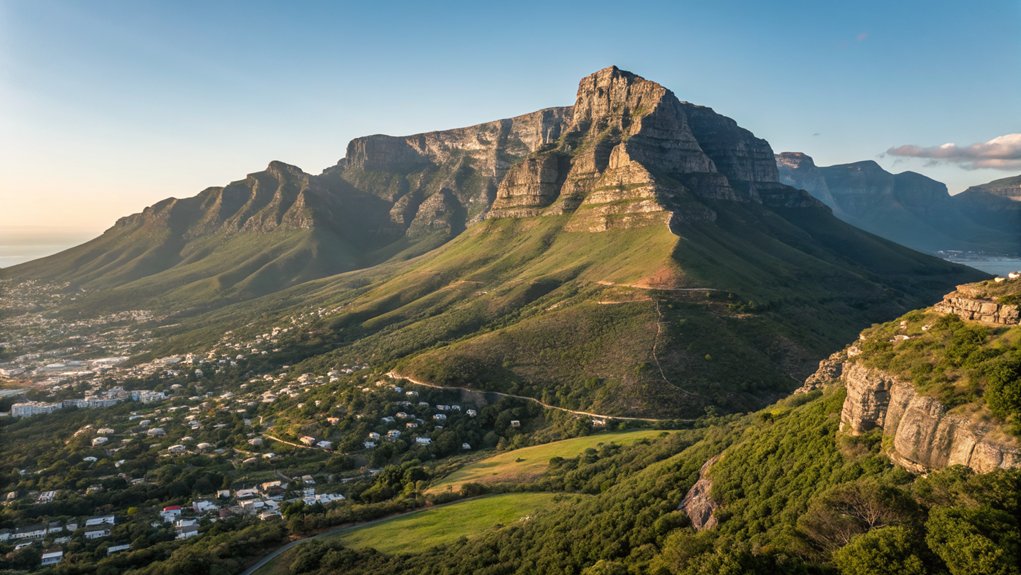
Africa’s diverse landscapes and rich wildlife make it a premier destination for photographers seeking stunning shots. You’ll encounter vast plains, dramatic mountains, and serene wetlands, each offering unique opportunities. From witnessing the Great Migration in the Serengeti to capturing the vibrant wildlife within the Ngorongoro Crater, there’s a wealth of locations to explore. Each spot has its own charm, but some may surprise you with the unexpected treasures they hold.
Key Takeaways
- The Great Migration in the Serengeti offers stunning opportunities for capturing thousands of wildebeest and breathtaking landscapes during various seasonal movements.
- Maasai Mara’s open grasslands are perfect for observing big cats like lions, cheetahs, and leopards, especially during early mornings and late afternoons.
- The Okavango Delta’s unique waterways and abundant wildlife create remarkable photographic moments, especially using traditional mokoro canoes for unobtrusive shots.
- The Ngorongoro Crater features a high density of wildlife, providing guaranteed encounters and stunning backdrops for photography in a breathtaking UNESCO World Heritage Site.
- Tsavo National Park offers striking sunset photography opportunities, showcasing vibrant colors and unique landscapes, such as acacia woodlands and dust kicked up by elephants.
The Great Migration: A Wildlife Photographer’s Guide in Serengeti
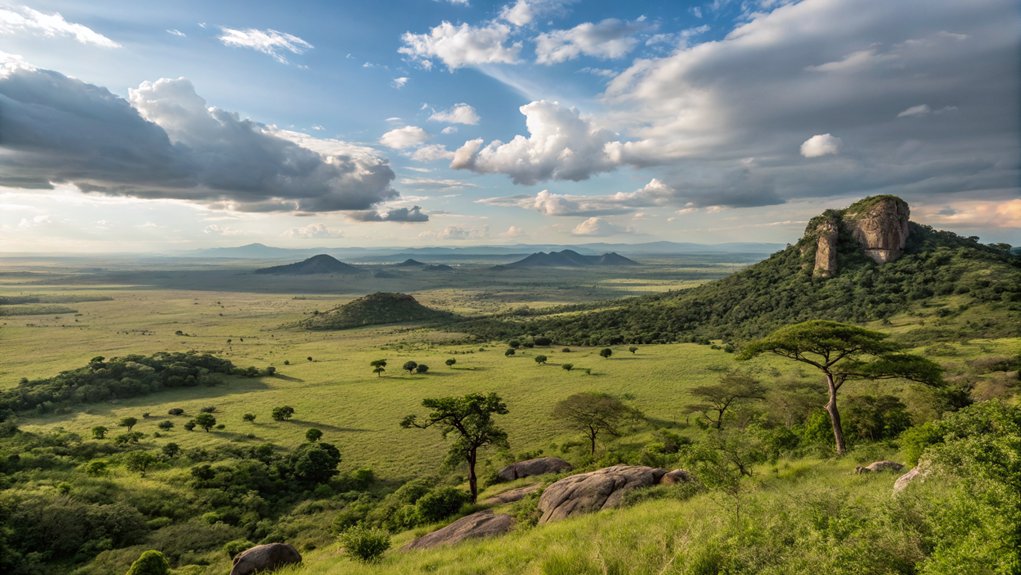
When planning your photographic safari in the Serengeti, understanding the timing of the Great Migration is essential.
From January through March, capture the calving season in the Southern Serengeti, where over 8,000 wildebeest calves are born daily, particularly in February. This period is known for its intense predator-prey interactions, offering unique photographic moments that highlight the ecosystem’s dynamic.
Then, between April and June, witness the Great Trek as herds journey northward through the central plains.
Come July to October, the dramatic river crossings at the Grumeti and Mara rivers offer thrilling photographic opportunities.
Finally, from November to December, observe the herds returning south, triggered by short rains.
Take advantage of varied terrain, from short grass plains to scattered kopjes, enhancing your images with unobstructed backgrounds and stunning horizons.
Photographing Big Cats and Wildlife in the Majestic Maasai Mara
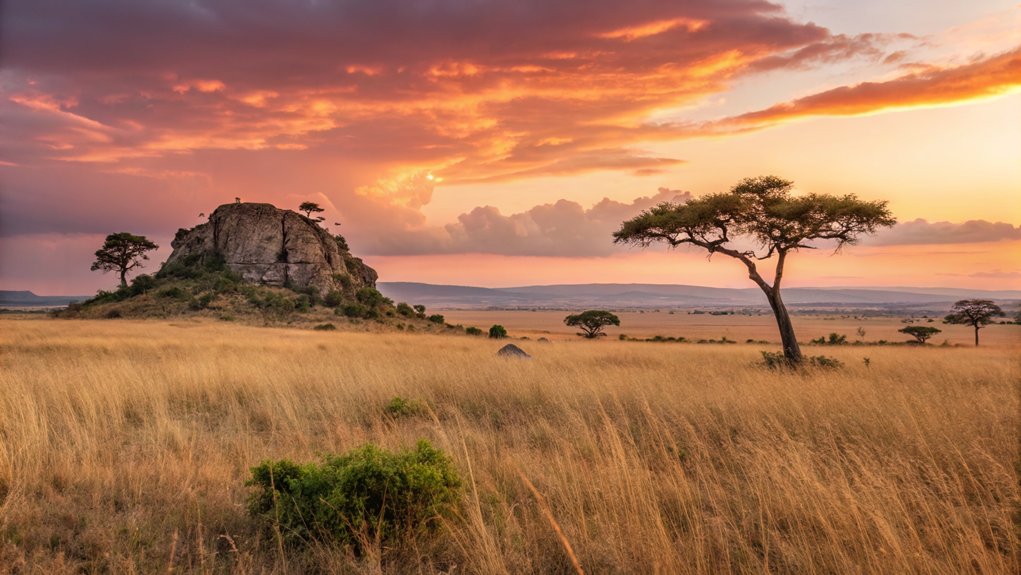
When you’re in the Maasai Mara, don’t miss the prime spots for observing lions in their natural habitat. You’ll want to pay attention to the cheetahs’ hunting techniques as they sprint across the plains, delivering breathtaking moments. Additionally, the uniqueness of big cat photography allows you to capture dynamic movements that tell captivating stories. Keep your eyes peeled for leopards too, as they skillfully navigate their arboreal environments, offering unique photographic opportunities.
Prime Lion Observation Locations
Have you ever dreamed of capturing lions in their natural habitat? The Maasai Mara offers prime lion observation locations that’ll bring your photography to life.
Start your journey in the Mara Triangle, where high lion densities and fewer vehicles create perfect conditions for stunning shots. Head to Naboisho Conservancy to find some of the largest prides, or visit the Olare Motorogi Conservancy for impressive populations. Be sure to book your trip during the migration crossings for the best opportunities to photograph dynamic interactions among wildlife.
You can’t miss the renowned Marsh Pride at Musiara Marsh, either. For breathtaking action, position yourself near the open plains adjacent to the Mara River.
Time your drives for early morning or late afternoon to catch ideal light, and use open-sided Land Cruisers for an unobstructed view.
Prepare for incredible moments!
Cheetah Hunting Techniques Captured
Cheetahs, known for their incredible speed and agility, offer photographers a thrilling opportunity to witness and capture their hunting techniques in the Maasai Mara.
The open grasslands and low hills provide perfect vantage points for spotting prey, while termite mounds enhance your ability to observe these majestic creatures. Visiting during the dry seasons from late June to early October guarantees shorter grass and improved visibility. Additionally, the Mara ecosystem provides a diverse habitat that supports a wide range of wildlife interactions, enhancing the photographic experience.
Make the most of early mornings and late afternoons for that golden light to elevate your shots. With a resident population of around 28 cheetahs, tracking coalitions like the “Magnificent Five” becomes crucial, and it’s essential to maintain a respectful distance to observe their wild behaviors authentically.
Leopard Habitats and Sightings
While cheetahs steal the spotlight with their speed, leopards offer a different yet equally fascinating experience for photographers in the Maasai Mara. These solitary animals thrive in riverine forests, dense thickets, and acacia woodlands, where their cryptic coloration helps them remain hidden. The presence of big cats in the Masai Mara enhances the atmosphere, making every photographic opportunity feel more alive and exciting.
To capture stunning images, you’ll need patience and strategic timing—dawn and dusk are prime for spotting their hunting behaviors. Look for leopards resting in trees to avoid predators, which also makes for great photography angles.
Knowledgeable local guides can enhance your experience, as they track individual leopards and understand their habits. With careful observation and ideal lighting conditions, you can document the elegance of these elusive big cats in their majestic habitats.
Discover the Okavango Delta: Perfect Shots From the Water’s Edge
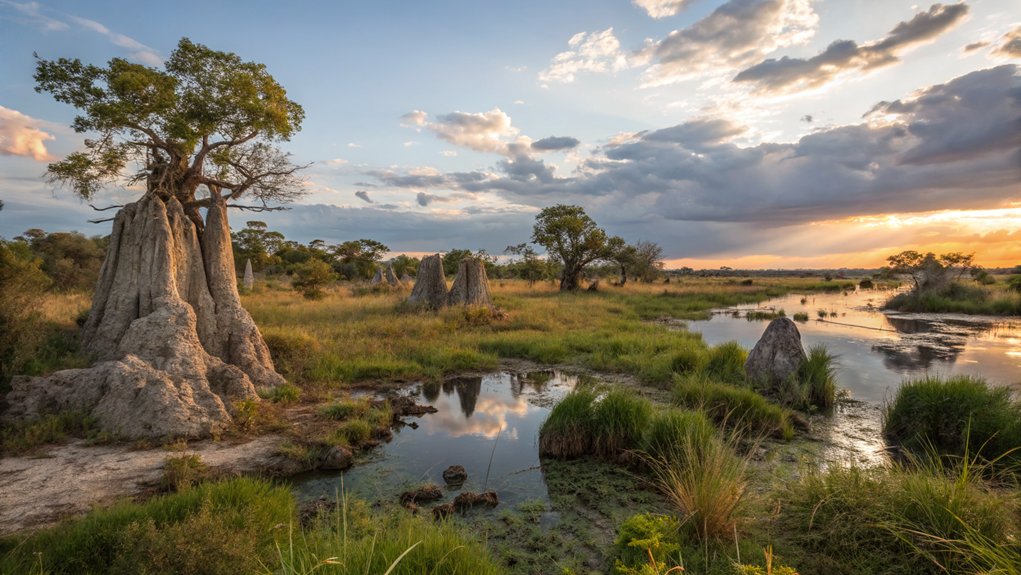
Glide through the Okavango Delta in a traditional mokoro canoe, and you’ll reveal a world of breathtaking photographic opportunities.
As you navigate the narrow reed channels, the silent poling technique allows for unobtrusive shots of wildlife behaviors that remain hidden from 4×4 vehicles. Capture majestic elephants crossing water channels or the graceful red lechwe dashing through the wetlands. During the dry months from May to October, animals congregate near the water for predictable sightings, perfect for your lens. Use a 100-400 mm lens to get close-up shots of crocodiles or macro details of reed frogs. The annual flooding draws wildlife towards the water sources, ensuring plenty of action for your camera.
Soft morning light filters through the reeds, offering stunning natural frames for your composition. Every moment in this unique ecosystem is a chance for extraordinary imagery.
Minimalist Landscape Photography in Etosha National Park
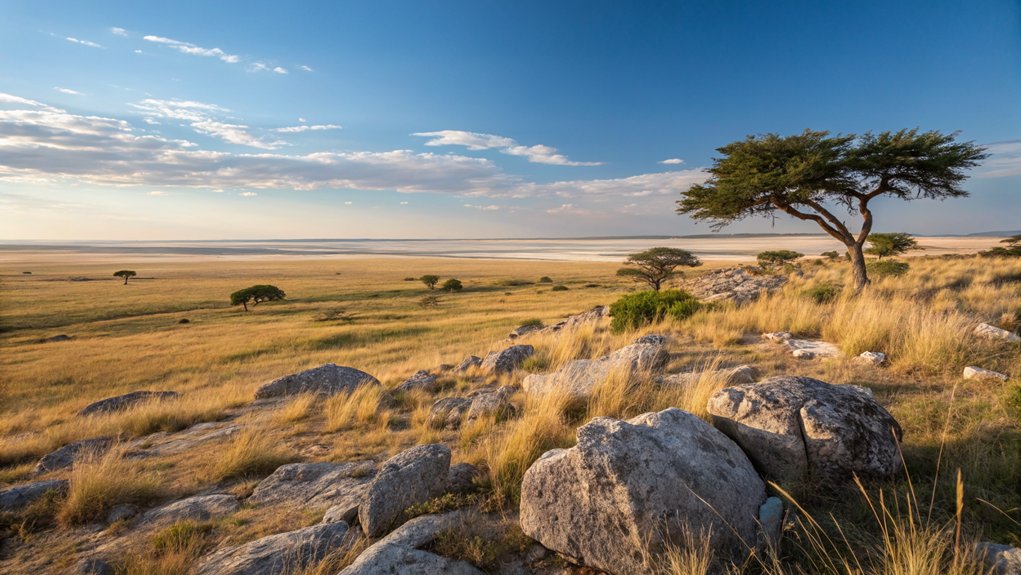
When you explore Etosha National Park, you’ll be captivated by its expansive salt pan vistas that create stunning minimalist landscapes. Look for wildlife congregating near waterholes, providing perfect opportunities for high-contrast compositions against the stark backdrop. With each shot, you’ll capture the essence of this otherworldly environment, showcasing both its beauty and tranquility. The park’s central salt pan serves as a dramatic focal point, highlighting the delicate balance between nature and wildlife.
Expansive Salt Pan Vistas
As you stand on the vast, shimmering expanse of Etosha’s salt pans, you can’t help but feel a sense of wonder at the minimalist beauty before you.
Once a colossal lake, the salt pans now stretch across approximately 4,800 square kilometers, forming part of the “Great White Place.” With an elevation of 1,030 meters, the flat terrain emphasizes isolation and vastness in every direction. This unique area was shaped by tectonic shifts that rerouted rivers, leading to the lake’s gradual drying.
During the dry season, a mirage effect dances across the salt crust, while golden light at dawn and dusk creates stunning contrasts. The stark white ground serves as an ideal backdrop for your photography, showcasing the beauty that arises from simplicity.
Each visit offers a new perspective on this surreal landscape, shaped by nature’s forces over millions of years.
Wildlife Near Waterholes
While the expansive salt pan vistas of Etosha National Park create a striking landscape, it’s near the waterholes where the true drama of wildlife unfolds.
At Okondeka Waterhole, you’ll spot lions lounging in the shade, ready to ambush herds of zebra and wildebeest gathering to drink. Hyenas scavenge nearby, especially during dry seasons. This natural spring provides essential water sources for wildlife, making it a vital spot for diverse species.
Nearby, Halali Waterhole offers quiet leopard sightings at dawn and dusk. As you wander around Goas, elephants bathe and giraffes elegantly descend slopes to quench their thirst.
The open plains provide unobstructed views, making it easy to capture the stunning interactions between predators and prey. Without the crowds found at other sites, you can fully immerse yourself in this raw, enchanting atmosphere.
High-Contrast Minimalist Compositions
Exploring high-contrast minimalist compositions in Etosha National Park reveals a visual feast that captivates both seasoned photographers and beginners alike.
The expansive salt pan, covering 4,800 square kilometers, serves as a striking white canvas ideal for framing. During the dry season, its stark crust provides clean sightlines and bold contrasts against dark silhouettes of animals. The park’s unique feature, the Etosha Pan, attracts thousands of flamingos during temporary flooding, adding to the composition’s visual diversity.
The early morning and late afternoon golden light enhances textures, creating stunning backlit scenes. Isolated acacia trees and geometric patterns in the salt crust offer compelling focal points, while negative space accentuates the scale of your subjects.
The lack of clutter guarantees your compositions remain clear and impactful, allowing the unique atmosphere and dramatic landscapes to take center stage.
Ngorongoro Crater: Wildlife Thriving in a Natural Amphitheater
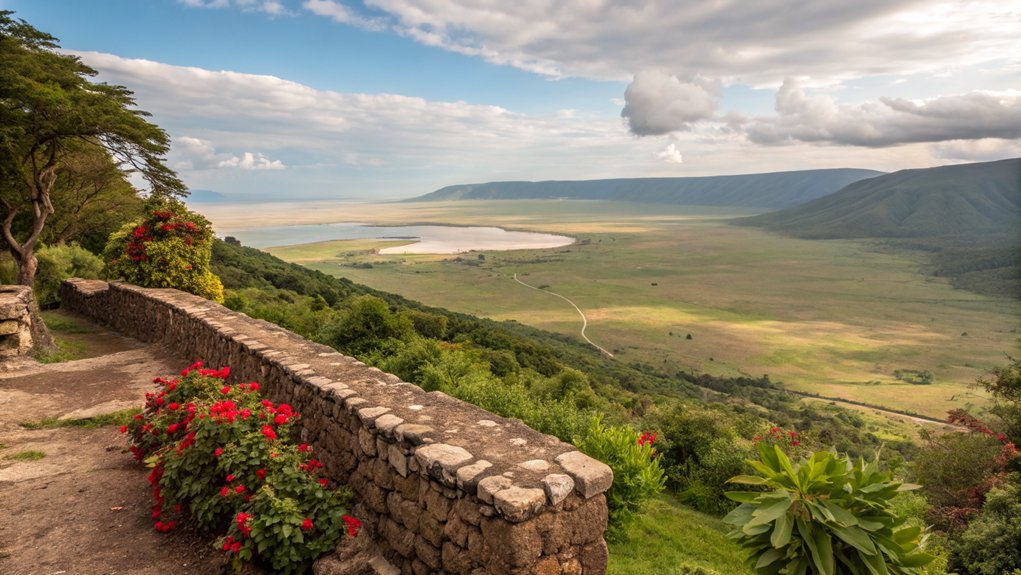
Nestled in Tanzania, the Ngorongoro Crater stands as a breathtaking monument to nature’s grandeur, where wildlife thrives within its colossal walls.
Formed 2.5 million years ago, this massive volcanic caldera measures about 260 square kilometers and plunges 600 meters below the rim. You’ll encounter over 25,000 large animals, including the Big Five, making it Africa’s highest wildlife density area.
Keep an eye out for the resident lions and the recovering black rhino population. The crater’s diverse habitats, from lush forests to rolling grasslands, support over 500 bird species. The natural enclosure created by the crater walls allows a majority of wildlife to remain year-round, contributing to its high animal density.
As a UNESCO World Heritage Site, maintaining its ecosystem is essential, ensuring that each visit is a memorable experience for nature and photography enthusiasts alike.
Unique Wildlife Encounters in the Caprivi Strip
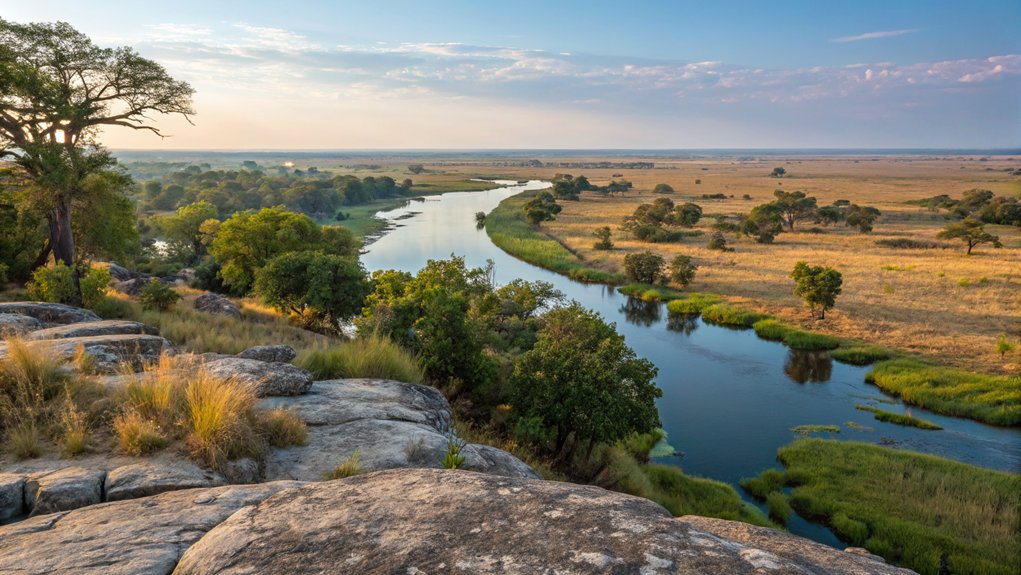
After experiencing the unparalleled beauty of the Ngorongoro Crater, a journey to the Caprivi Strip reveals a different kind of wonder. You’ll find yourself amidst lush riverine ecosystems where the Zambezi, Okavango, Kwando, and Linyanti rivers define a critical wildlife corridor. Here, you can witness large herds of elephants migrating and hippos enjoying the water’s embrace. The Caprivi Strip’s diverse ecosystems ensure that every corner offers a unique photographic opportunity, from landscapes to wildlife.
| Iconic Wildlife | Unique Experiences |
|---|---|
| African Elephants | Observe migrations along the rivers |
| Nile Crocodiles | Spot them basking on riverbanks |
| Pel’s Fishing Owl | Witness this elusive bird in Bwabwata |
These protected areas, like Mudumu and Nkasa Rupara, provide incredible birdwatching opportunities and stunning wildlife encounters, making it a paradise for photographers.
Capture Nighttime Magic: Safaris in South Luangwa
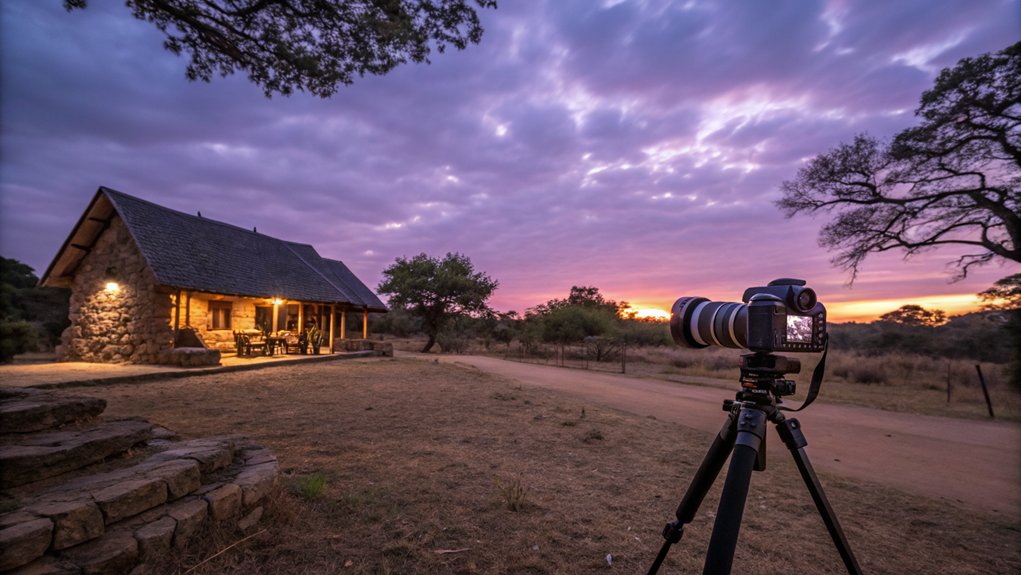
South Luangwa National Park offers an enchanting experience for photographers looking to capture the magic of the African night. Here, you’ll find one of the highest concentrations of leopards, and nighttime drives let you photograph these elusive creatures as they patrol the riverbanks.
With trained guides using spotlights, you can spotlight not just leopards but also hyenas, crocodiles, and rare nocturnal birds. These guided night drives, legally permitted in specific zones, require skillful adjustments to your camera settings, especially in contrasting light. Additionally, the park is renowned as the birthplace of the walking safari, adding a unique layer to your photographic journey.
Gorilla Tracking and Photography in Bwindi Impenetrable Forest
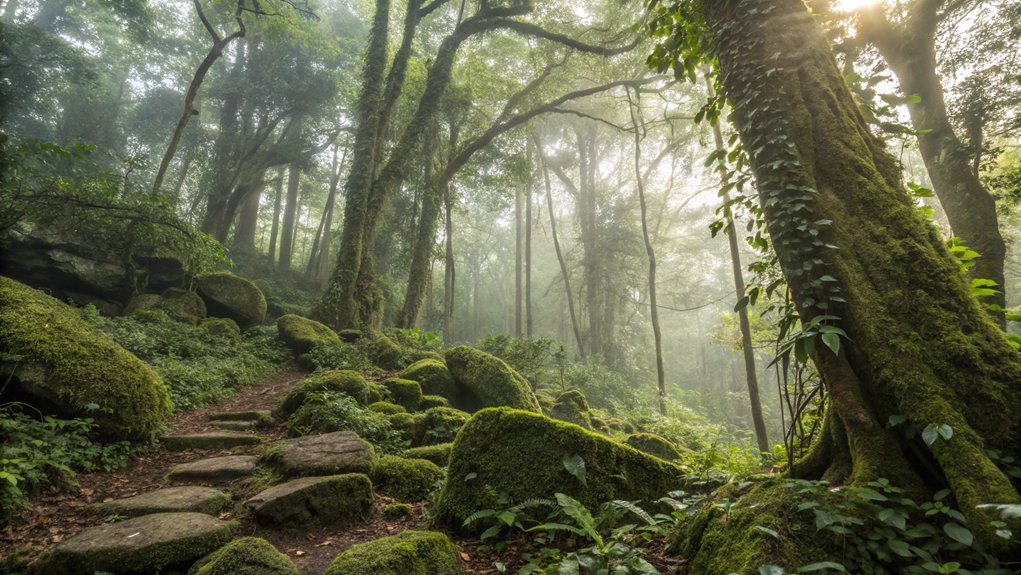
As you venture into the heart of Bwindi Impenetrable Forest, you’ll discover a breathtaking environment brimming with life, where tracking mountain gorillas unfolds as both an adventure and a photographic opportunity.
The steep slopes and dense vines create a green labyrinth, and during morning mist, soft light enhances your shots. You’ll encounter large blackbacks mostly on the forest floor, where families feed and play. These captivating creatures rarely climb high into trees, making capturing those rare moments with adults climbing a unique perspective require patience, so be prepared for a wait. Remember to follow Uganda Wildlife Authority’s guidelines, including no flash photography and limited group sizes.
Equip yourself with fast lenses and reliable stabilization gear to navigate the slick terrain while respecting these magnificent creatures and their habitat.
Picture Perfect: Flamingos and Rhinos at Lake Nakuru
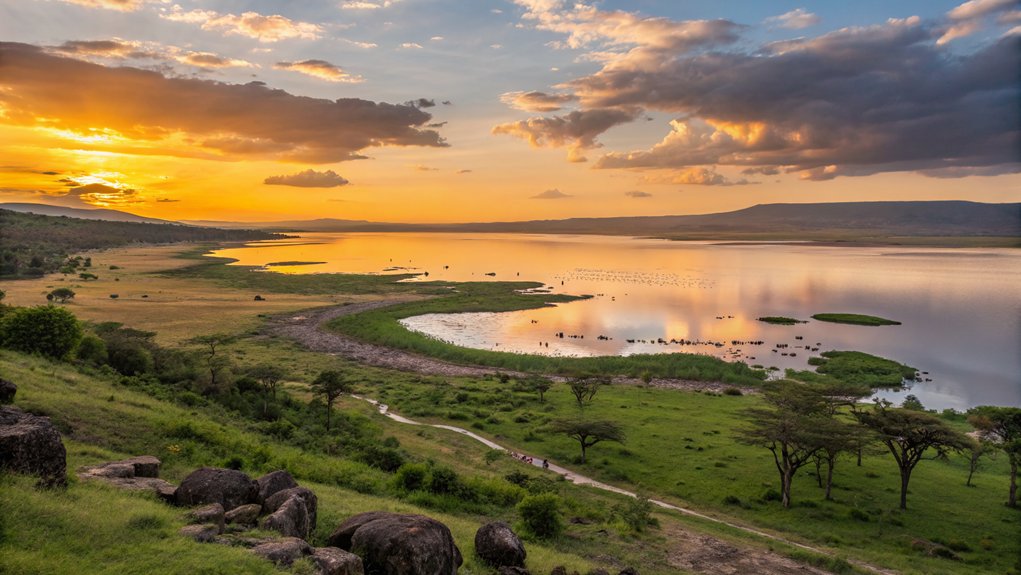
While visiting Lake Nakuru, you’ll be captivated by the stunning contrast of vibrant pink flamingos wading gracefully alongside majestic rhinos in this unique ecosystem.
As you observe the world’s largest population of lesser flamingos, you’ll learn that their deep pink plumage comes from carotenoid pigments found in their diet of blue-green algae.
The park serves as a protected sanctuary for black and white rhinos, allowing you to witness their thriving populations thanks to effective conservation efforts. Additionally, the lake’s saline–alkaline conditions create a habitat that supports diverse aquatic life, enhancing the overall experience.
Early morning game drives offer the best lighting for photography, while seasonal changes affect flamingo visibility.
With diverse habitats and breathtaking landscapes, Lake Nakuru is perfect for capturing unforgettable moments of wildlife in this extraordinary environment.
Exploring the Photographic Wonderland of Kruger National Park
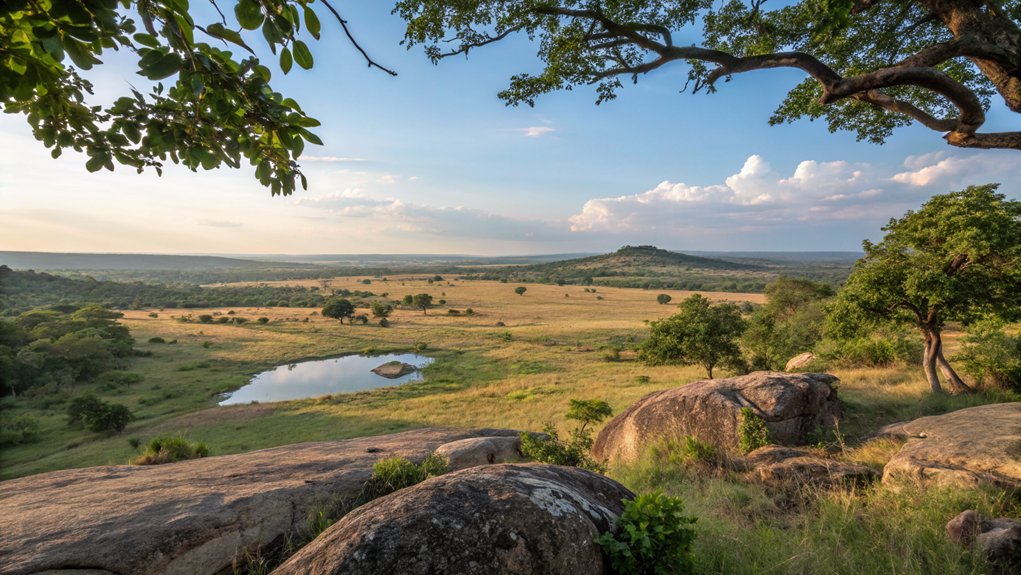
What wonders await you at Kruger National Park, one of Africa’s premier photographic safari destinations? Here, you’ll encounter an incredible diversity of wildlife and breathtaking landscapes, perfect for capturing unforgettable moments.
From the majestic Big Five to vibrant birdlife, your camera’ll be busy!
- Spot lions and leopards near waterholes, especially during dry months.
- Experience the stunning dawn light illuminating elephants along riverbeds.
- Enjoy self-drive adventures on well-maintained roads, perfect for independent exploration.
- Visit iconic locations like Satara Rest Camp for frequent lion sightings, where you can enjoy affordable guided tours of the surrounding area for even more photo opportunities.
- Capture rich photography opportunities during the early mornings and late afternoons.
Prepare to be amazed as you explore this extraordinary photographic wonderland!
Capturing the Vast Landscapes of Tsavo National Park
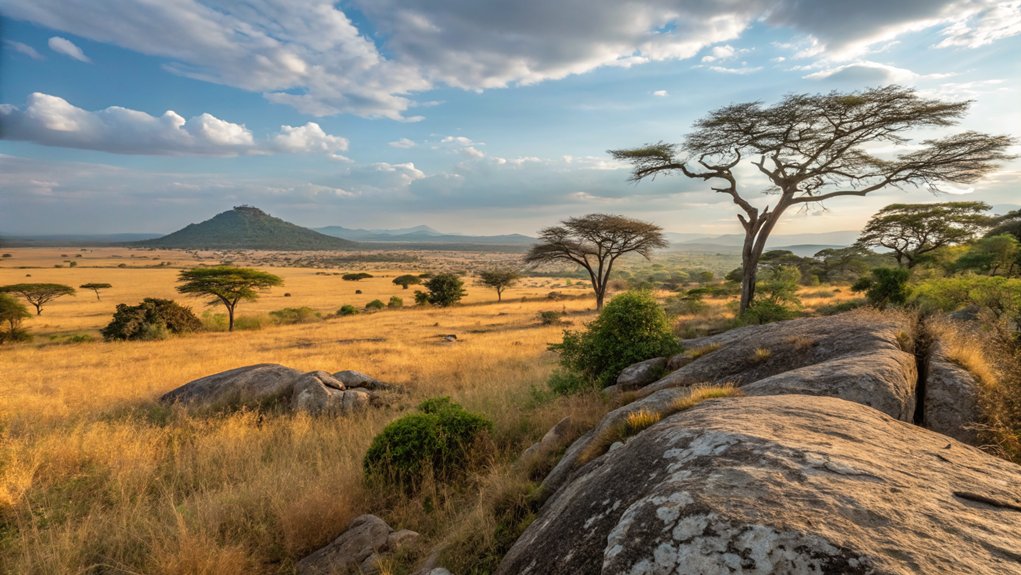
When you visit Tsavo National Park, you’ll encounter a stunning array of ecosystems and terrains that make for incredible photography. Keep an eye out for thrilling wildlife sightings, as their behaviors can add a dynamic element to your shots. Don’t miss the breathtaking sunsets, which transform the landscape into a canvas of vibrant colors perfect for capturing the essence of this unique destination. The park offers diverse environments, from semi-arid terrain to savannahs, ensuring ample opportunities for wildlife photography.
Diverse Ecosystems and Terrain
Tsavo National Park showcases a breathtaking tapestry of diverse ecosystems and terrain, making it a photographer’s paradise. Here, you’ll find an enthralling blend of volcanic landscapes and rich river systems. The dynamic East African Rift System creates stunning geological formations, while seasonal rivers transform the scenery with lush patches.
As you explore, pay attention to the varying topography, from flat plains in Tsavo East to rocky hills in Tsavo West.
- Experience the iconic Yatta Plateau’s vast lava flow.
- Capture the striking contrasts of semi-arid savannah and lush riverbanks.
- Enjoy unique microclimates shaped by rugged terrain.
- Discover vibrant ecosystems along the Galana River.
- Witness the atmospheric beauty influenced by seasonal rainfall.
- The Tsavo ecosystem serves as a critical ecological bridge connecting highlands and lowlands, enhancing its importance for wildlife migration.
Wildlife Sightings and Behavior
As you venture through the stunning landscapes of Tsavo National Park, you’ll be captivated by the sights and behaviors of its remarkable wildlife.
Watch the elephants, coated in distinctive reddish dust, as they dust-bathe to protect their skin from insects. With one of Kenya’s largest free-roaming elephant populations, you’ll witness enormous herds crossing the Galana River during their daily routines.
Along the riverbanks, observe hippos and crocodiles lounging, while predators hide in dense forests, strategizing their next ambush. The park’s vast savannahs provide a breathtaking backdrop for these interactions, enhancing the visual narrative of your safari experience.
Morning brings vibrant birdlife flocking to the riparian zones, creating a lively atmosphere.
With such diverse interactions and movements, Tsavo offers a unique opportunity to capture the majesty and complexity of wildlife in their natural habitat.
Sunset Photography Opportunities
Capturing the breathtaking beauty of Tsavo National Park at sunset offers photographers a chance to showcase the park’s vibrant landscapes and wildlife in a whole new light. The magic of the golden hour reveals dramatic silhouettes against expansive savannahs and rolling hills, while long shadows cast by acacia trees create depth.
Here are some key elements to enhance your sunset photography experience:
- Golden light highlights acacia woodlands, emphasizing texture.
- Dust kicked up by elephants enhances color saturation.
- Leading lines from the Galana River draw attention to the horizon.
- Elevated viewpoints like Chyulu Hills offer panoramic compositions.
- Clear skies in the dry season provide ideal conditions for capturing stunning silhouettes. Additionally, the park is known for its diverse wildlife, ensuring that moments of animal activity can complement your sunset images.
Get ready to create memorable images!
Tips for Shooting Wildlife in Various African Ecosystems
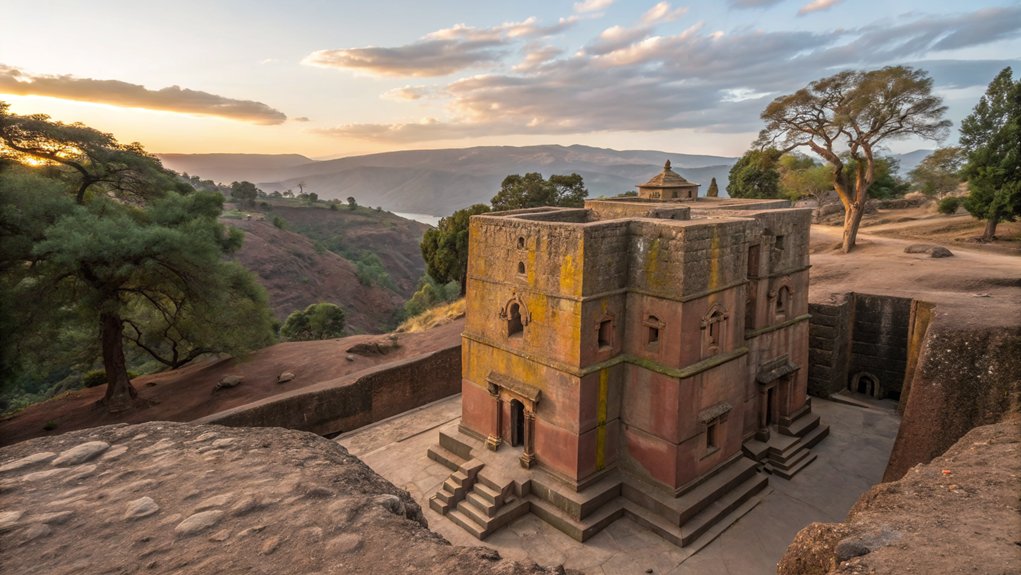
When you set out to shoot wildlife in Africa’s diverse ecosystems, understanding the specific characteristics of each area can make all the difference.
In the Serengeti, take advantage of high predator density and seasonal migrations for dynamic action shots. Look for high vantage points on kopjes to capture predators against vast horizons.
In Botswana and Namibia, visit waterholes during dry seasons for easier animal spotting, while the green season offers vibrant landscapes and adorable newborns. Make sure to bring sufficient memory cards to avoid interruptions during your shooting sessions.
Adjust your exposure strategy with shifting light, focusing on golden hour for striking silhouettes.
Finally, practice patience and observe animal behaviors to anticipate great moments rather than chase them.
Each ecosystem tells its own story; capture it with care and awareness.
Frequently Asked Questions
What Are the Best Seasons for a Photographic Safari in Africa?
The best seasons for a photographic safari in Africa are during the dry months, from July to October, and the lush green season between late November and March. Each offers unique opportunities for stunning wildlife photography.
How Can I Ensure Wildlife Encounters During My Trip?
To hit the bullseye, you should research migration patterns, book guided tours, and visit popular water sources. Keep your camera ready, as patience and timing often lead to unforgettable wildlife encounters during your trip.
What Equipment Is Essential for Wildlife Photography in Africa?
You’ll need a mirrorless or DSLR camera with a high-performance telephoto lens, sturdy support systems like beanbags, and fast shutter speeds. Don’t forget weather-sealed bodies and spare batteries to handle Africa’s diverse conditions!
Are There Safety Considerations While Photographing Wildlife?
Yes, there are safety considerations when photographing wildlife. You should maintain distance from dangerous animals, use long lenses, keep your gear secure, and follow park regulations to avoid stress on wildlife and guarantee your safety.
What Permits or Regulations Should I Be Aware of for Photography?
Before capturing nature’s vibrant canvas, you’ll need permits from local authorities. Make sure you apply weeks in advance, and check drone regulations; unauthorized flights can lead to confiscations or heavy fines that dim the adventure.
Leave a Reply