
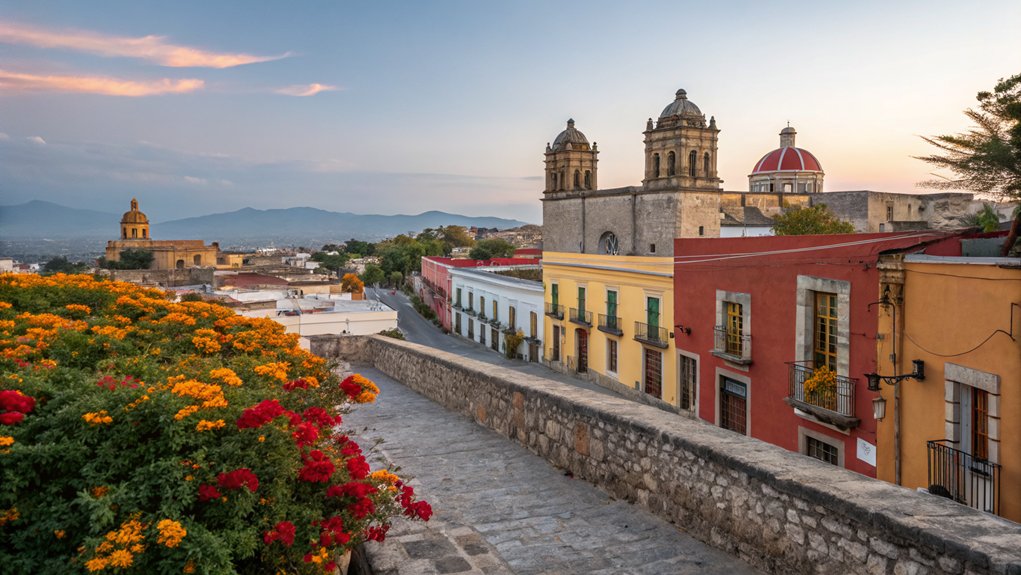
Did you know that over 3 million people visit Mexico to witness the Day of the Dead festivities each year? This cultural celebration offers a unique blend of remembrance and vibrant traditions that captivate locals and tourists alike. From the lively parades in Oaxaca to the serene candlelit ceremonies in San Andrés Mixquic, each location showcases its own distinct charm. Discovering these enchanting places will enrich your understanding of this beautiful tradition.
Key Takeaways
- Oaxaca’s main square features thirty-five altars and the impressive megaofrenda, showcasing pure Day of the Dead traditions from October 28 to November 2.
- Pátzcuaro offers a mesmerizing candlelit canoe procession on its lake, symbolizing the spirits’ journey with illuminating displays.
- San Miguel de Allende hosts vibrant parades, including the Muertos & Catrinas Parade, filled with colorful decorations and cultural richness.
- San Andrés Mixquic is famous for the Lumbrada Ceremony, where thousands of candles light up graves, creating an enchanting atmosphere.
- Xoxocotlán’s Noche de Vela features intimate candlelight vigils, welcoming the souls of loved ones with heartfelt family participation.
Why You Should Experience Oaxaca’s Day of the Dead Traditions Firsthand
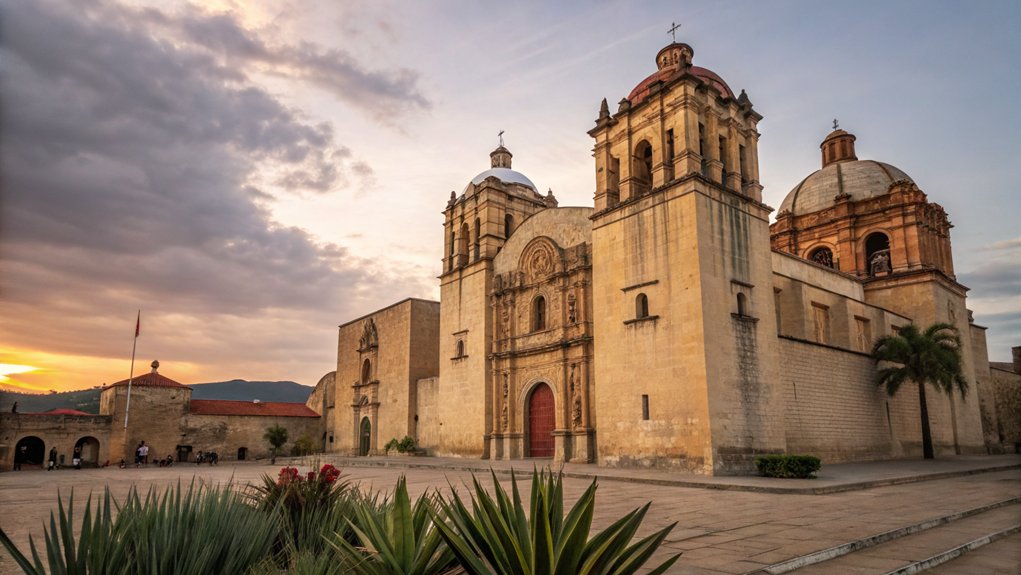
When you experience Oaxaca’s Day of the Dead traditions firsthand, you immerse yourself in a vibrant celebration that intertwines history, culture, and community.
Originating from Aztec worship of the goddess Mictecacihuatl, this festival emphasizes the cycle of life, where death is embraced as a natural part of existence. Celebrations span from October 31 to November 2, with UNESCO recognizing it as an Intangible Cultural Heritage of Humanity.
In Xoxocotlán, large candlelight vigils during Noche de Vela create an intimate atmosphere, where families gather to share stories, food, and memories.
You’ll feel the spirit of the deceased in the air filled with copal incense and the sweet aroma of pan de muerto, making it an unforgettable experience.
Join the Spectacular Local Parades Across Mexico
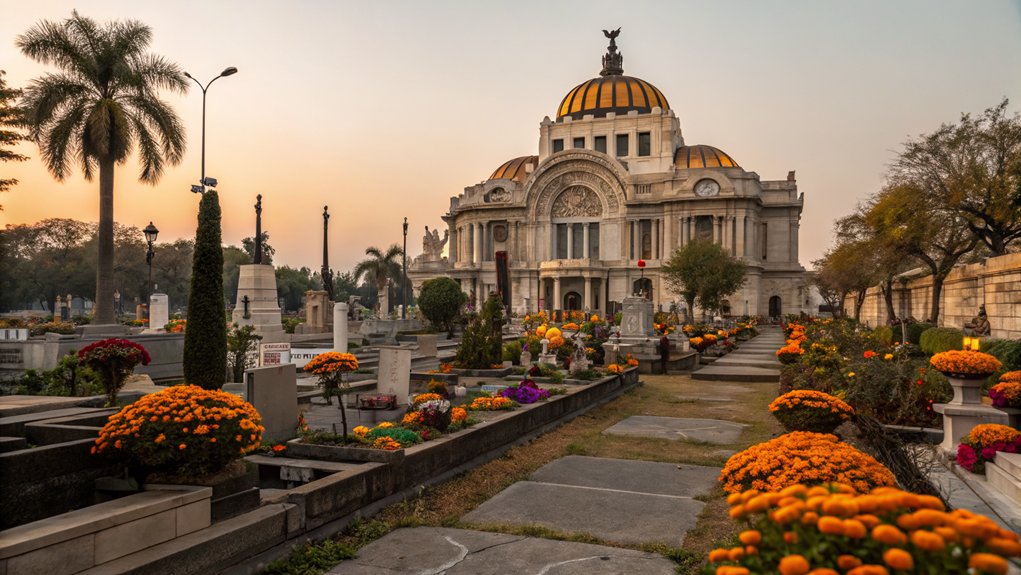
Oaxaca’s Day of the Dead traditions set the stage for a stunning array of parades that burst with color and life across Mexico. In San Miguel de Allende, streets transform into living canvases lined with vibrant cempasúchil petals, while the Jardín Principal becomes the heart of the Muertos & Catrinas Parade. As night falls, participants don Catrina face paint and handmade flower crowns, joining the evening procession. Over in Puerto Morelos, the “Mar de Almas” boat parade showcases floating memorials adorned with biodegradable decorations. Don’t miss the spirited folkloric processions in San Agustín Etla, where villagers dance and celebrate with brass bands, all while embracing the local customs that focus on honoring deceased loved ones. These lively events create unforgettable experiences that illustrate the joy of honoring loved ones.
Candlelit Canoe Procession in Pátzcuaro
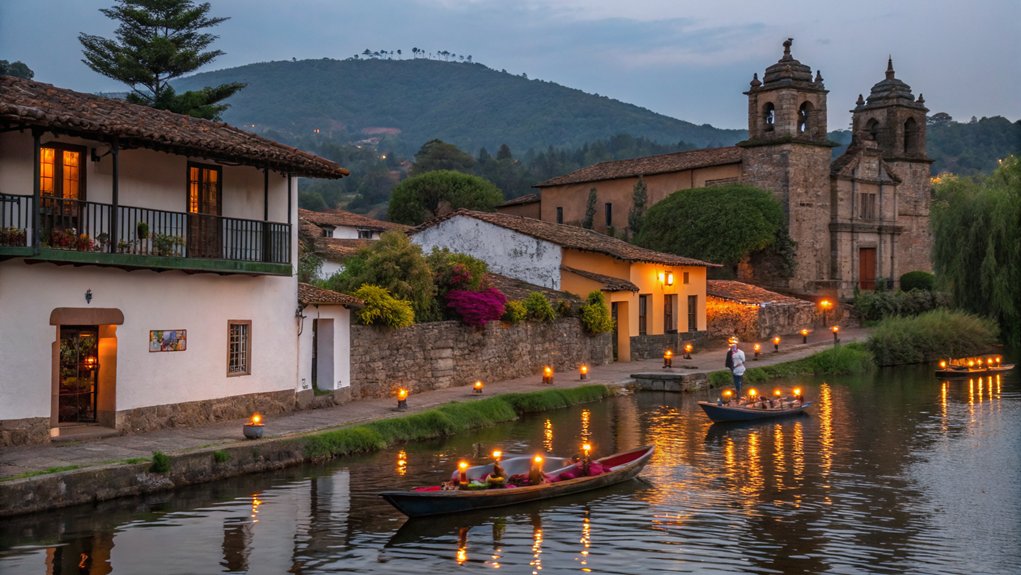
As you approach Lake Pátzcuaro, the enchanting Candlelit Canoe Procession unfolds, illuminating the night with thousands of flickering candles.
On November 1st and 2nd, traditional canoes glide across the lake, welcoming returning souls with their gentle light. Fishermen, using butterfly nets, participate in a stunning display, while the water transforms into a shining pathway, symbolizing the spirits’ journey. The festival is rooted in Mexican cultural traditions, where the connection between the living and the dead is celebrated. You’ll witness the graves adorned with marigolds and offerings, as families maintain a vigil, sharing prayers and memories.
Respect the solemnity of the occasion; it’s not just a spectacle but a heartfelt reunion with ancestors.
Experience the Luminescence of San Andrés Mixquic
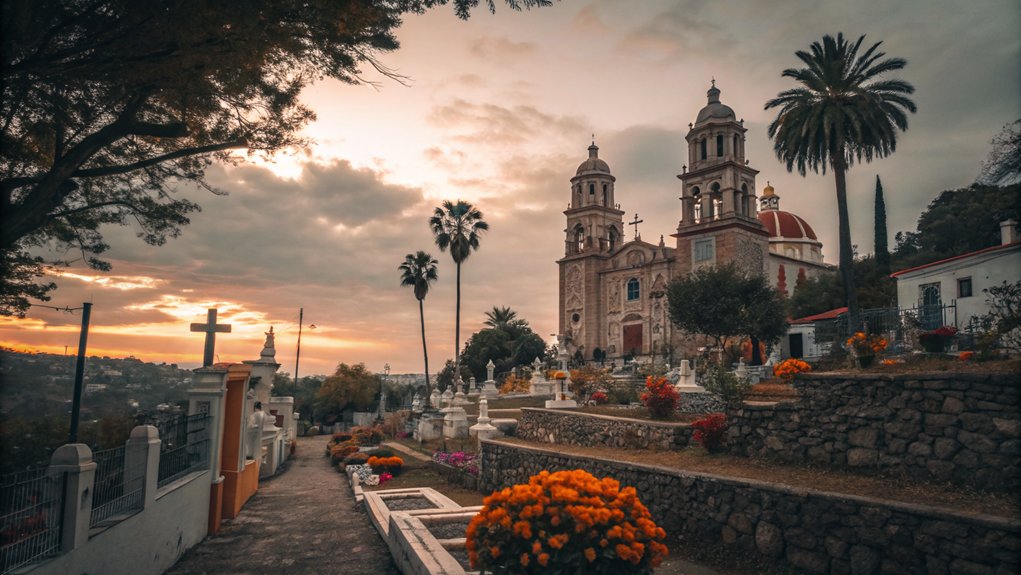
While you explore San Andrés Mixquic during the Day of the Dead, the breathtaking Lumbrada Ceremony captivates with a mesmerizing display of candlelight.
Thousands of flickering flames transform the cemetery into a surreal living altar, where families gather to honor their departed loved ones.
Here’s what to expect:
- Thousands of candles illuminating graves, creating a magical landscape.
- Families placing vibrant cempasúchil and flor de nube on altars.
- Traditional recipes like pan de muerto offering comfort and remembrance.
- The soft glow turning tombstones into luminous beacons.
- The atmosphere blending life and death, enriching the community spirit.
- This celebration combines indigenous traditions with Catholic practices, deepening the significance of the rituals.
Experience this poignant connection to the past as you immerse yourself in the ceremony’s warmth and beauty.
Day of the Dead in the Yucatán: Understanding Hanal Pixán
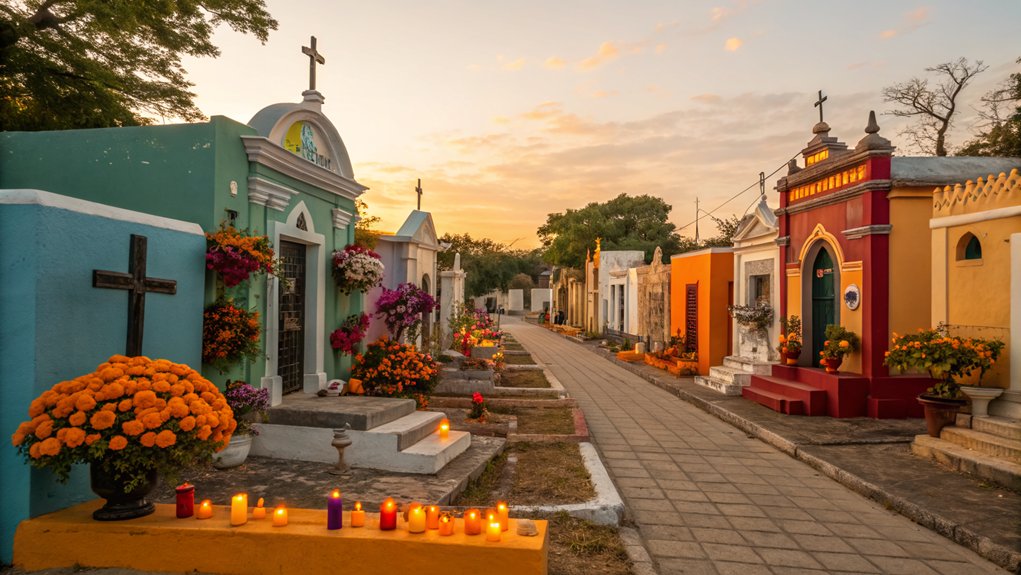
Hanal Pixán, which means “Food for the Soul” in the Mayan language, brings the vibrant spirit of the Day of the Dead to life in the Yucatán Peninsula. This celebration merges ancient Maya customs with Catholic traditions, honoring the return of souls from October 31st to November 2nd. You’ll notice families constructing altars, complete with photos, favorite foods, and vibrant decorations, specially dedicated to children on October 31st and adults on November 1st. The emphasis on remembering and celebrating life is a central theme of this beautiful tradition.
| Rituals | Significance |
|---|---|
| Altars | Temporary homes for spirits |
| Mucbipollo | Traditional dish symbolizing life and death |
| Cleaning of the Dead | Honoring the deceased’s memory |
Experience the warmth and community spirit that Hanal Pixán elicits across this picturesque region!
Festival De Las Calaveras: Celebrate Life and Death in Aguascalientes
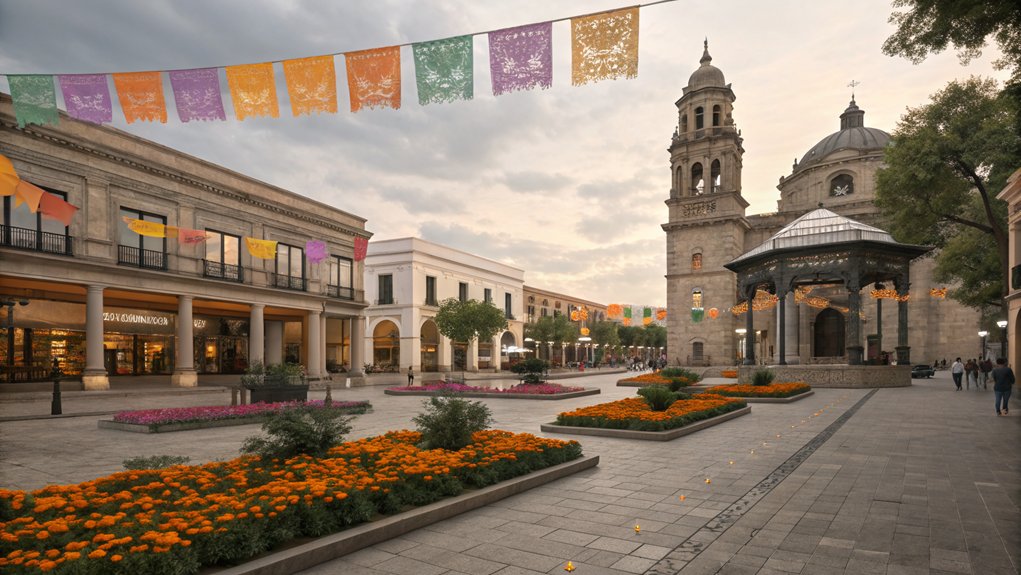
At the Festival De Las Calaveras in Aguascalientes, you’ll experience vibrant calavera art displays that celebrate both life and death. Join the lively community parades, where giant Catrina figures and colorful floats bring the streets to life. It’s a unique chance to immerse yourself in local culture while honoring traditions that span generations. This year’s festival, themed “Aguascalientes, Tierra de Catrinas,” promises to enhance the cultural appreciation of this fascinating region.
Colorful Calavera Art Displays
Aguascalientes transforms into a vibrant canvas during the Festival De Las Calaveras, showcasing colorful calavera art displays that celebrate both life and death. You’ll discover:
- Giant calaveras and monumental catrinas throughout the fairground, radiating life and tradition.
- Altares de Muertos featuring creative tributes, including a monument dedicated to Ernesto Alonso.
- Interactive artistic workshops and cultural experiences that engage your senses.
- Street theater and live performances blending static art with dynamic storytelling.
- Art exhibitions where local artisans showcase their craftsmanship, highlighting the region’s talent.
As you wander, these displays guarantee each moment is filled with color, humor, and a rich narrative that reflects the artistic legacy of Aguascalientes. Additionally, the festival will run from October 25 to November 10, 2025, ensuring an extended celebration for all to enjoy.
Community Parades and Events
The Festival De Las Calaveras in Aguascalientes brings the community together in a vibrant celebration of life and death, showcasing a lively parade that captivates participants and spectators alike.
Led by Gobernadora Tere Jiménez, the 31st edition on October 31, 2025, honored the famed engraver José Guadalupe Posada. Over 22,000 attendees marveled at 36 diverse comparsas, including schools, universities, and local marching bands. The floats all celebrated local traditions and cultural heritage with striking designs.
Monumental floats, reaching heights of 12 meters, featured iconic figures like “La Catrina Deshilada.” As the parade wound through the city, safety was a priority with strategic road closures and the presence of security teams.
The event culminated in a dazzling fireworks show, leaving everyone immersed in the spirit of this incredible celebration.
Immersive Art and Street Celebrations Across Urban Centers
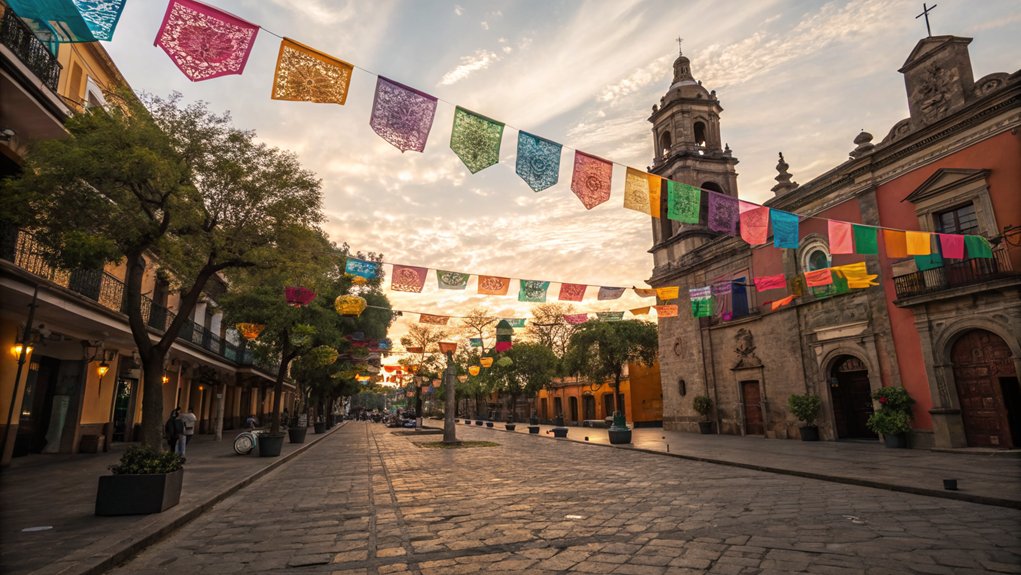
Mexico’s vibrant cities come alive during the Day of the Dead celebration, showcasing immersive art installations and lively street festivities that draw both locals and tourists.
You’ll find an explosion of color and creativity, as the streets transform into a canvas of cultural expression.
- Marvel at the massive megaofrenda in Zócalo, spanning 250 square meters from October 28 to November 2.
- Experience thirty-five unique altars illuminating Oaxaca’s main square, each adorned with photos and marigolds to honor the deceased.
- Stroll past the illuminated façades in the Historic Center Facade Competition on October 27.
- Witness monumental sand carpet art in Jalatlaco’s public plazas.
- Participate in cultural workshops to create alebrijes and traditional paper cutouts during the festival.
It’s a feast for the senses!
The Cultural Vitality of the Day of the Dead: History and Significance
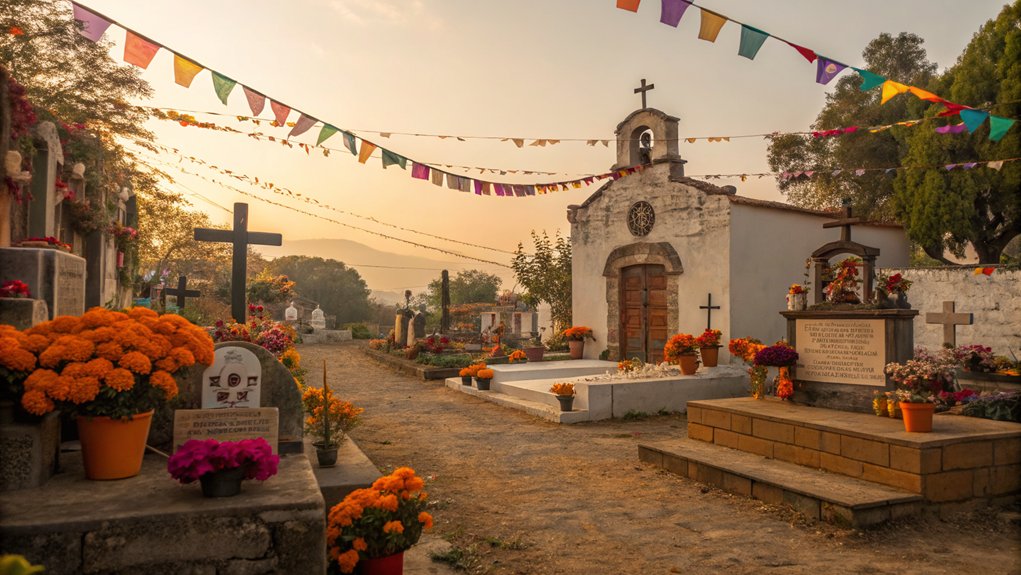
Understanding the origins of Day of the Dead celebrations helps you appreciate its deep historical roots and vibrant rituals. Recognized by UNESCO, this unique tradition highlights the importance of cultural preservation in Mexico. As you explore various customs and practices, you’ll see how they all connect to honor and remember loved ones. One remarkable example of this celebration can be found in Tzintzuntzan, known as the Place of Hummingbirds, where vibrant cultural activities take center stage during the festivities.
Origins of Day Celebrations
While many may think of Day of the Dead as a modern celebration, its origins trace back to ancient indigenous cultures that saw life and death as intertwined in a natural cycle.
The rich history of this festival comes from various influences and elements:
- Aztec and Zapotec civilizations viewed death as a continuation of life.
- Rituals honored deities like Mictlantecuhtli and Mictecacíhuatl, rulers of the underworld.
- Spanish colonization prompted a blend of indigenous customs with Catholic traditions.
- Altars, or ofrendas, feature favorite foods and belongings of the deceased.
- Marigold flowers guide spirits back home, particularly during Noche de Vela in Xoxocotlán, a significant community event.
These foundational aspects reveal how Day of the Dead embodies both indigenous beliefs and the resilience of cultural heritage, creating a vibrant celebration of life and memory.
UNESCO Recognition Importance
Recognizing the Day of the Dead as a UNESCO Intangible Cultural Heritage since 2008 highlights its significance in preserving traditions for future generations. This designation emphasizes the unique blend of indigenous Mesoamerican beliefs and Catholic practices, showcasing a worldview where death is celebrated, not feared. The celebration embodies Mexican values of ancestry that reinforce family connections and communal identity.
By validating rituals like family altars and cemetery vigils, UNESCO affirms their importance in reinforcing cultural identity and community ties. The celebration strengthens bonds between the living and their ancestors, promoting a joyful reunion rather than sorrow.
With its regional variations, such as Oaxaca’s purest customs, the festival remains a vibrant expression of Mexican heritage. Overall, this recognition serves as an essential marker for cultural significance and continuity in a rapidly changing world.
Rituals and Traditions Explained
The Day of the Dead is a vibrant celebration that intertwines rich history with powerful traditions, creating a unique cultural tapestry in Mexico.
You’ll find various rituals and customs steeped in meaning, reflecting a deep respect for life and death.
- Ofrendas: Multi-tiered altars adorned with marigolds, photographs, and favorite foods of the departed. These altars often found in private homes serve as a personal tribute to loved ones.
- Calendas: Colorful street parades featuring brass bands and giant puppets representing Catrina.
- Cemetery Vigils: Families come together, decorating graves and sharing laughter in lively fiestas.
- Dance Performances: Traditional dances depict the duality of life and death, connecting communities.
- Spiritual Guides: Marigold flowers guide returning souls with their vibrant color and scent.
Each element showcases the unity of indigenous beliefs and Catholic traditions, making this celebration truly special.
Frequently Asked Questions
What Are the Best Months to Visit Mexico for Day of the Dead?
You should visit Mexico in late October to early November for Day of the Dead. Experience vibrant festivities and rich traditions, especially around November 1 and 2, when the celebrations reach their peak across the country.
Are There Specific Rituals for Pets During Day of the Dead?
You might think honoring pets during Day of the Dead is a novelty, but families actually create altars with food, toys, and memories, celebrating their beloved companions in rituals as rich as those for humans.
How Can I Respectfully Engage With Local Customs at the Celebrations?
To respectfully engage with local customs, wear colorful attire, speak softly, and avoid interrupting families. Immerse yourself by learning phrases, participating in public festivities, and honoring traditions without imposing your own interpretations during the celebrations.
What Traditional Foods Should I Try During the Festivities?
You wouldn’t want to miss the pan de muerto, would you? Try mole negro over chicken, delicious tamales, and warm atole. These foods honor the departed while delighting your taste buds—perfect for festive gatherings!
Are There Any Safety Tips for Tourists During Day of the Dead?
Yes, stay hydrated, secure your valuables, and use caution in crowded areas. Stick to reputable food vendors, carry local currency, and be respectful of traditions. Always register with your home country travel advisories for added safety.
Leave a Reply