
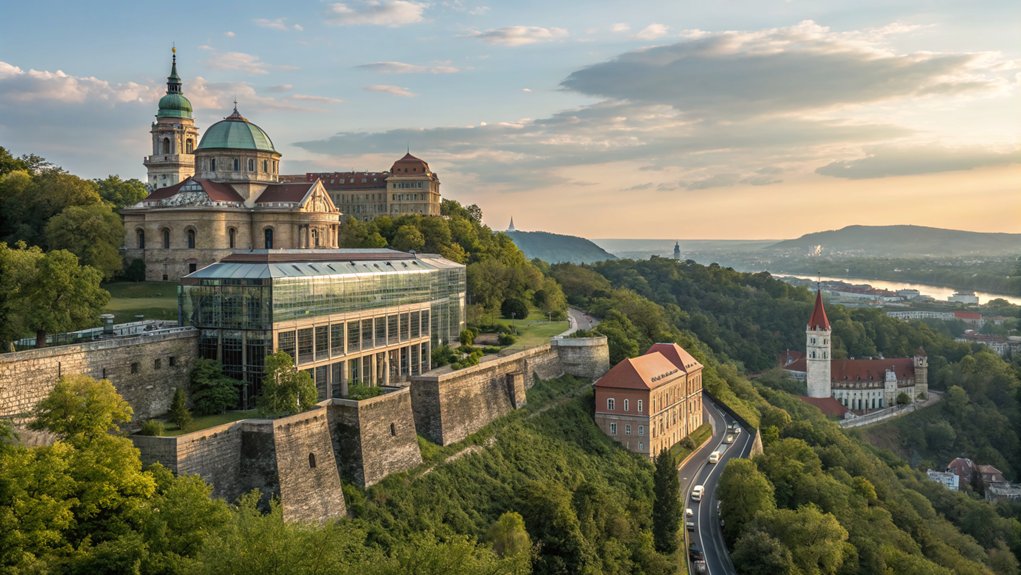
If you’re considering a trip to Eastern Europe, you’re in for an enriching experience. The capitals offer a blend of history, culture, and stunning architecture that’s hard to resist. Each city, from the breathtaking Charles Bridge in Prague to the vibrant streets of Budapest, has its own unique charm. You’ll want to uncover what each destination has to offer, especially when it comes to local cuisine and unforgettable experiences. Where will your journey take you first?
Key Takeaways
- Explore capitals like Prague, Budapest, and Sofia for stunning architecture and rich cultural experiences.
- Enjoy budget-friendly travel with affordable local cuisines and efficient public transport systems.
- Visit iconic landmarks such as Charles Bridge, Hungarian Parliament, and Saint Sophia Cathedral for historical insights.
- Discover unique culinary adventures, including traditional dishes and vibrant street food in each city.
- Plan your trip during spring or autumn for milder weather and fewer crowds, enhancing your travel experience.
Discover the Allure of Eastern European Capitals
When you visit Eastern European capitals like Prague, Budapest, and Sofia, you’ll discover an enchanting blend of stunning architecture and vibrant culture.
These cities boast rich histories and are perfect for budget-conscious travelers. You’ll find well-developed public transportation systems, making it easy to explore iconic sites like Charles Bridge in Prague and the Parliament Building in Budapest.
The beautiful historic centers of cities like Ljubljana and Bratislava offer delicious local cuisine and a more relaxed atmosphere compared to their Western counterparts.
Don’t miss out on notable museums, such as the National Gallery in Prague or the Museum of Fine Arts in Budapest, which showcase the region’s artistic heritage.
Seasonal highlights like spring blossoms and winter markets enhance your experience even more.
For a different perspective, Albania’s The City of a Thousand Windows in Berat adds another layer of historic charm to the region.
Why Eastern Europe Should Be on Your Travel Radar
Eastern Europe offers unbeatable value with affordable travel options that don’t compromise on quality.
You’ll encounter rich cultural experiences and unique architectural wonders around every corner, making your journey unforgettable.
From stunning castles to vibrant street art, there’s something here to capture your imagination.
Affordable Travel Options
Traveling through Eastern Europe offers an enticing opportunity for budget-conscious adventurers seeking vibrant cultures and stunning landscapes without breaking the bank. Compared to Western Europe, your travel costs here are markedly lower, letting you indulge in breathtaking architecture and local cuisines affordably. Cities like Budapest and Prague boast well-developed public transport systems, so you can explore without expensive taxis. Plus, less-touristed capitals like Riga and Tallinn provide authentic experiences away from the crowds. With convenient train and flight options, you can easily craft a manageable multi-city itinerary.
| Feature | Benefits |
|---|---|
| Lower Travel Costs | Affordable accommodations and meals |
| Public Transport | Explore without high taxi fares |
| Less Crowded | Authentic experiences in quieter locales |
Rich Cultural Experiences
As you explore the enchanting landscapes of Eastern Europe, you’ll quickly discover that its rich cultural experiences set it apart from other regions. Immerse yourself in vibrant local cultures while savoring the unique flavors each capital offers.
- Visit essential historical sites like the National Museum in Prague or the Hungarian Parliament in Budapest for a deeper understanding of the rich past.
- Indulge in culinary adventures, tasting local delicacies such as Czech goulash, Hungarian strudel, and traditional Romanian dishes.
- Navigate easily with well-developed public transport systems in cities like Sofia and Tallinn, allowing you to uncover hidden gems without stress.
With fewer crowds than Western Europe, you’ll enjoy intimate connections with the culture and community, making your journey unforgettable.
Unique Architectural Wonders
With a backdrop of rich cultural experiences, the architectural wonders of Eastern Europe reveal a tapestry of history and artistry that captivates visitors.
In Prague, you’ll marvel at Gothic, Baroque, and Art Nouveau styles, highlighted by the Charles Bridge and St. Vitus Cathedral.
Budapest impresses with its neo-Baroque Hungarian Parliament Building, showcasing grandeur alongside historic thermal baths.
Sofia offers a unique mix of Roman, Ottoman, and modern influences, epitomized by the stunning St. Alexander Nevsky Cathedral.
Meanwhile, Riga boasts the world’s highest concentration of Art Nouveau architecture, enchanting you with intricate designs.
Finally, Tallinn’s fairy-tale Old Town, a UNESCO World Heritage Site, features medieval gems like Toompea Castle and charming cobblestone streets, inviting you to explore its rich history.
Navigating Prague: A City of Spires and Brews
When you wander through Prague, you’ll be amazed by its iconic landmarks like the Charles Bridge and St. Vitus Cathedral.
Don’t miss the chance to taste authentic Czech cuisine at local eateries and experience the city’s vibrant brewery scene.
Let the rich history and lively atmosphere guide you through this enchanting destination.
Iconic Landmarks to Explore
Exploring Prague is like stepping into a fairytale, where stunning medieval architecture meets vibrant street life. As you wander through the city, you’ll encounter iconic landmarks that define its charm, including:
- Charles Bridge: A historic bridge adorned with statues, perfect for walking among artists and musicians.
- Astronomical Clock: Located in the Old Town Square, it enchants visitors with its intricate moving parts.
- St. Vitus Cathedral: This Gothic masterpiece towers over the skyline, showcasing the city’s rich history.
Don’t miss the National Museum and the National Gallery Prague, where you can immerse yourself in the region’s fascinating art and history.
With an efficient public transportation system, exploring these wonders is easy and enjoyable.
Tasting Authentic Czech Cuisine
As you meander through the charming streets of Prague, you’ll quickly realize that tasting authentic Czech cuisine is a journey as delightful as the city itself.
Start your culinary adventure with hearty goulash or svíčková, a marinated beef dish served in a creamy sauce, both staples in Czech culture.
Don’t miss out on street food favorites like trdelník, a sweet pastry rolled in sugar and nuts, available at market stalls.
Explore local markets through gastronomic tours, where you can savor regional specialties and discover Prague’s agricultural treasures.
Many restaurants pride themselves on farm-to-table practices, ensuring seasonal ingredients bring the essence of Czech flavors to your plate, making every meal a true reflection of the country’s heritage.
Vibrant Local Breweries Experience
Ever wondered how a city can blend centuries-old brewing traditions with modern craft beer innovations? In Prague, you’ll experience a vibrant beer culture that offers something for every palate.
With over 30 breweries and pubs, you’ll find local brews that reflect the city’s rich history.
- Discover Pilsner Urquell, the iconic beer from nearby Pilsen.
- Explore unique microbreweries in Žižkov and Vinohrady, showcasing creative craft beers.
- Join guided tours at various breweries for insights into the brewing process and taste fresh beers.
Don’t miss the annual Prague Beer Festival, where you can indulge in tastings, food pairings, and live entertainment.
Immerse yourself in Prague’s brewing charm, and you won’t be disappointed!
Explore Budapest’s Thermal Baths and Culture
In the heart of Budapest, you’ll discover the city’s famed thermal baths, where relaxation meets rich history. The Széchenyi Baths stand out as the largest and one of the most popular, featuring 18 pools fed by natural hot springs.
Nearby, Gellért and Rudas Baths offer stunning architecture and unique wellness experiences that you shouldn’t miss.
After soaking, indulge in traditional Hungarian cuisine at local eateries, sampling mouthwatering goulash and sweet chimney cake.
To soak up more of the city’s culture, explore vibrant ruin bars that highlight local art, all within repurposed buildings.
Don’t forget to visit Buda Castle and Fisherman’s Bastion for breathtaking views of the Danube River and Budapest’s iconic skyline.
Tallinn: a Walkable City With Medieval Charm
Tallinn, Estonia, invites you to experience its medieval charm through a stroll in its enchanting Old Town, a UNESCO World Heritage Site.
The city’s compact, walkable layout makes it easy to explore, with charming cobblestone streets full of life. As you wander, you’ll find:
- Unique museums like the Fat Margaret Maritime Museum, showcasing Tallinn’s rich cultural heritage.
- Vibrant cafes serving local Estonian cuisine, perfect for a quick bite while absorbing the atmosphere.
- Seasonal festivities, such as Christmas markets, that add to the city’s allure year-round.
Every corner reveals a new snapshot of Tallinn’s history, from its well-preserved architecture to its lively marketplace.
It’s an experience that captures the heart and soul of this enchanting capital.
Kiev: Rich Heritage and Culinary Delights
Kiev offers an enchanting blend of rich heritage and culinary delights that beckon travelers. As you stroll through its historic streets, marvel at the stunning golden domes of Saint Sophia Cathedral and the Kyiv Pechersk Lavra, both UNESCO World Heritage Sites. These landmarks reflect the city’s deep-rooted history.
Don’t miss the Ukrainian Treasures Museum, where you can explore artifacts that highlight the cultural wealth of Ukraine. After soaking in the sights, indulge in the vibrant dining scene by savoring traditional dishes like borscht and varenyky at local cafes.
The welcoming atmosphere and lively café culture make it easy to relax and enjoy both the historical richness and modern vibe of this enchanting city. In nearby Almaty Region, travelers can also enjoy attractive outdoor recreation and tourism opportunities.
Ljubljana: Make Unforgettable Memories in Slovenia
Nestled in the heart of Slovenia, Ljubljana captivates with its charming streets, vibrant café culture, and rich history. You’ll find yourself wandering the medieval Old Town, soaking in the unique architecture and lively atmosphere.
There’s plenty to explore:
- Visit Ljubljana Castle for breathtaking views and a taste of its 900-year-old history.
- Stroll through Tivoli Park, the city’s largest green space, perfect for relaxing amidst nature.
- Experience the local festivals and markets that showcase Slovenian culture and cuisine.
As a proud European Green Capital, Ljubljana’s eco-friendly practices enhance your travel experience.
Whether you’re sipping coffee in a quaint café or enjoying a cultural event, you’re bound to make unforgettable memories in this enchanting city.
Sofia: Where Old Meets New in Bulgaria
Sofia invites you to explore an enthralling blend of history and modernity, where each corner reveals remnants of the past alongside vibrant contemporary culture.
Wander through the city and marvel at Roman ruins, Ottoman mosques, and elegant neoclassical buildings, all showcasing its rich heritage.
Don’t miss the majestic Alexander Nevsky Cathedral, one of the largest Eastern Orthodox cathedrals globally, adorned with stunning mosaics and gold-plated domes.
After a day of sightseeing, immerse yourself in Sofia’s culinary scene by savoring traditional dishes like banitsa and shopska salad in local restaurants.
Stroll along Vitosha Boulevard, bustling with shops, cafes, and bars, where locals and tourists come together, truly embodying the spirit of Sofia’s harmonious blend of old and new.
As Bulgaria’s capital, Sofia also serves as a hub for cultural tourism and unforgettable city discoveries.
Vilnius: Exploring Lithuania’s Historical Heart
When you visit Vilnius, you’ll discover a rich cultural heritage that’s waiting to be explored.
From must-visit historical sites like the Vilnius Cathedral to the artistic vibes of Užupis, there’s plenty to see and do.
Don’t miss out on the culinary delights that showcase the flavors of Lithuania during your stay!
Lithuania’s historic heart also invites you to explore vibrant urban life alongside natural tranquility.
Rich Cultural Heritage
Vilnius, with its stunning array of well-preserved medieval architecture, invites you to explore a rich tapestry of history and culture. As you wander through the enchanting streets, you’ll discover:
- The majestic Vilnius Cathedral and vibrant Cathedral Square, a hub of community culture.
- The Palace of the Grand Dukes, offering a glimpse into Lithuania’s noble past through immersive exhibits.
- The quirky Užupis district, an artistic haven where residents proudly declared independence, showcasing street art and unique cafes.
Don’t miss the seasonal markets, celebrating local crafts and culinary delights, each adding another layer to Vilnius’s cultural charm.
Embrace the vibrant spirit of this Lithuanian capital, where every corner tells a story waiting for you to uncover.
Must-Visit Historical Sites
In exploring Vilnius, you’ll uncover a treasure trove of historical sites that reflect the city’s rich past.
Begin with the stunning Vilnius Old Town, a UNESCO World Heritage site with its well-preserved Baroque architecture. Next, visit the Palace of the Grand Dukes of Lithuania, where you’ll gain insight into the royal heritage of the country.
Don’t miss the National Museum of Lithuania, the largest in the nation, showcasing extensive collections that probe into its history and culture.
Wander through the art-filled Uzupis district, noted for its bohemian spirit and whimsical constitution.
Finally, climb Gediminas Tower, a symbol of the city, for panoramic views and a glimpse of the historic castle complex that once fortressed the grand duchy.
Culinary Delights Await
Exploring Vilnius offers not just a journey through history but a delightful culinary adventure that you won’t want to miss. The capital’s vibrant food scene blends traditional Lithuanian flavors with modern influences, making every meal a unique experience.
You can savor:
- Cepelinai, hearty potato dumplings filled with meat.
- Šaltibarščiai, a revitalizing cold beet soup perfect for warm days.
- Šakočiai, a distinct cake often enjoyed during celebrations.
Don’t forget to roam local markets like Hales Market for fresh produce and artisanal treats!
The city’s blossoming café culture, paired with historic landscapes, creates the perfect setting to indulge. Immerse yourself in food festivals to discover innovative chefs and a diverse array of culinary offerings. Your taste buds will thank you!
Riga: a UNESCO City With Vibrant Culture
As you wander through the streets of Riga, you’ll quickly discover why this Latvian gem is celebrated as a UNESCO World Heritage site. The city boasts over 800 stunning Art Nouveau buildings, showcasing some of the best architecture in Europe.
Strolling through Vecrīga, the historical Old Town, you’ll experience a delightful blend of medieval charm and dynamic modern culture.
Don’t miss the Central Market, housed in old Zeppelin hangars; it’s one of the largest markets around, offering a rich variety of local produce and baked goods.
For art lovers, the Latvian National Museum of Art features an impressive collection of classic and contemporary works.
Plus, the annual Riga City Festival fills the streets with music, art, and culinary delights, attracting visitors from all over.
For an even deeper local experience, the Riga City Festival also offers visitors a chance to join in cultural celebrations and community festivities.
Eastern Europe: Bucharest’s Blend of History and Modern Life
When you explore Bucharest, you’ll be captivated by its stunning architectural marvels that mix history with modernity.
You’ll also want to savor the culinary delights that the city offers, from traditional dishes to innovative dining experiences.
Plus, don’t miss the vibrant cultural events and festivals that showcase the city’s artistic spirit.
Architectural Marvels And Landmarks
Bucharest, a city where history meets modernity, captivates visitors with its stunning array of architectural marvels.
You’ll be amazed by the visually striking sites that tell the story of its past and present:
- The Palace of the Parliament stands as one of the largest and most extravagant administrative buildings in the world, showcasing grand architecture.
- Roam through the historic Old Town, Lipscani, with its charming cobblestone streets, vibrant cafes, and a blend of medieval and modern buildings.
- Don’t miss the Romanian Athenaeum, an architectural gem renowned for its neoclassical façade and rich cultural events.
From the exquisite Stavropoleos Church to the eclectic styles throughout the city, Bucharest’s architectural landscape truly reflects its rich heritage and cultural evolution.
Culinary Delights To Experience
After soaking in the architectural wonders of Bucharest, it’s time to treat your taste buds to an unforgettable culinary journey. The city’s food scene brilliantly merges traditional Romanian dishes with modern influences.
Don’t miss trying “sarmale,” delicious cabbage rolls stuffed with meat and rice, or “mămăligă,” a comforting polenta dish. For an authentic atmosphere, visit Restaurant Vatra, where hearty meals pair beautifully with local wines.
Explore rustic eateries and contemporary restaurants emphasizing farm-to-table practices with locally sourced ingredients. If you’re feeling adventurous, immerse yourself in the vibrant food markets and street vendors.
Savor snacks like “covrigi” (pretzels) and “langosi” (fried dough), or indulge in sweet “cozonac” (bread). Each bite reveals Bucharest’s rich culinary story.
Cultural Events And Festivals
Have you ever experienced a city buzzing with cultural energy? Bucharest offers that and more, with its vibrant array of cultural events and festivals throughout the year.
You’ll find:
- The George Enescu Festival, a prestigious event every two years that showcases classical music and international talent, reflecting Romania’s rich heritage.
- The Bucharest Gypsy Fest, where you can immerse yourself in the lively music, dance, and culinary traditions of the Romani community.
- The Bucharest One Metre Festival, promoting local artistry and sustainable practices, allowing you to truly connect with Romania’s craft scene.
In winter, the Christmas Market enchants with local crafts and festive foods.
Each event weaves history into modern life, making Bucharest a cultural mosaic waiting to be explored!
Discover Skopje: Architectural Wonders and Local Flavors
What architectural gems and culinary delights await you in Skopje, the vibrant capital of North Macedonia? Prepare to be enchanted by a blend of old and new marvels. Don’t miss the iconic Millennium Cross and the historic Stone Bridge, symbols of the city’s rich heritage. Stroll through the renovated city center, showcasing over 30 monumental sculptures that declare national pride. Explore the Archaeological Museum filled with artifacts and climb Kale Fortress for panoramic city views. For more inspiration on memorable trips, the VisitBritain website highlights cultural experiences and scenic destinations across the UK.
Here’s a glimpse of local flavors:
| Dish | Description |
|---|---|
| Kebapi | Grilled minced meat, a local favorite. |
| Ajvar | Delicious pepper spread, perfect for dipping. |
| Burek | Savory pastry filled with meat or cheese. |
| Tavče Gravče | Traditional baked beans dish. |
| Macedonian Coffee | Robust coffee enjoyed in local cafes. |
Essential Travel Logistics for Eastern European Capitals
Exploring Eastern Europe’s capitals offers a remarkable blend of history, culture, and gastronomy, just like you experienced in Skopje.
To make the most of your journey, keep these essential travel logistics in mind:
- Travel Connections: Utilize well-connected train services and flights, with Lufthansa as a reliable option for many routes.
- Local Transportation: Take advantage of well-developed public transportation in each capital, making it easy to explore.
- Seasonal Planning: Try to plan your travels during spring (April–June) or autumn (September–October) for milder weather and fewer crowds.
Before your trip, also check visa requirements, as they may vary by nationality.
This way, you can focus on soaking up the beauty and charm of Eastern Europe’s capitals.
What Top Activities to Experience in Each Capital?
Curious about the unforgettable activities awaiting you in each Eastern European capital?
In Prague, stroll across the iconic Charles Bridge and soak in the beauty of the Old Town Square, home to the famous astronomical clock.
In Budapest, unwind at the historic Széchenyi thermal baths, savor hearty goulash, and set out on a scenic boat cruise along the Danube, admiring the stunning Parliament Building.
Tallinn invites you to lose yourself in its fairy-tale Old Town and visit the enchanting Toompea Castle.
In Kiev, explore history at the Ukrainian Treasures Museum and marvel at the breathtaking St. Sophia Cathedral.
Finally, in Sofia, tour the majestic Alexander Nevsky Cathedral and investigate Bulgaria’s rich heritage at the National Institute of Archaeology with Museum.
Frequently Asked Questions
What Is the Best Time to Visit Eastern Europe?
The best time to visit Eastern Europe is during spring and early fall. You’ll enjoy pleasant weather, fewer crowds, and vibrant festivals. Just pack accordingly, and you’re sure to have a fantastic experience!
Are There Language Barriers in These Countries?
Yes, you’ll encounter some language barriers in these countries. While younger people often speak English, many locals might not. Learning a few basic phrases can really enhance your experience and help you connect better.
What Currency Is Used in Eastern European Capitals?
You’ll find different currencies across Eastern European capitals. Common ones include the Polish złoty, Czech koruna, and Hungarian forint. Some countries, like Estonia and Latvia, use the euro, simplifying your travel experience in those regions.
Is Public Transportation Reliable for Tourists?
Yes, public transportation’s reliable for tourists. You’ll find efficient systems, including buses and trams, in most cities. Just grab a map or a transit app, and you’re set for easy exploration. Enjoy your travels!
What Are the Safety Precautions for Travelers in Eastern Europe?
Stay aware of your surroundings, avoid flashing valuables, and use reputable transportation. Stick to well-lit areas at night, and always trust your instincts. It’s smart to have emergency contacts and local numbers saved in your phone.
Related posts:

Chile Travel Itinerary: Atacama to Torres Del Paine

Sri Lanka Travel Itinerary: Tea Country to Wild Safaris

Solo Snowboard Trips for Winter Adventure Experiences

Victoria, Canada Travel Itinerary: British Columbia Charm

10 Most Relaxing Places In Spain For Complete Relaxation

Leave a Reply