
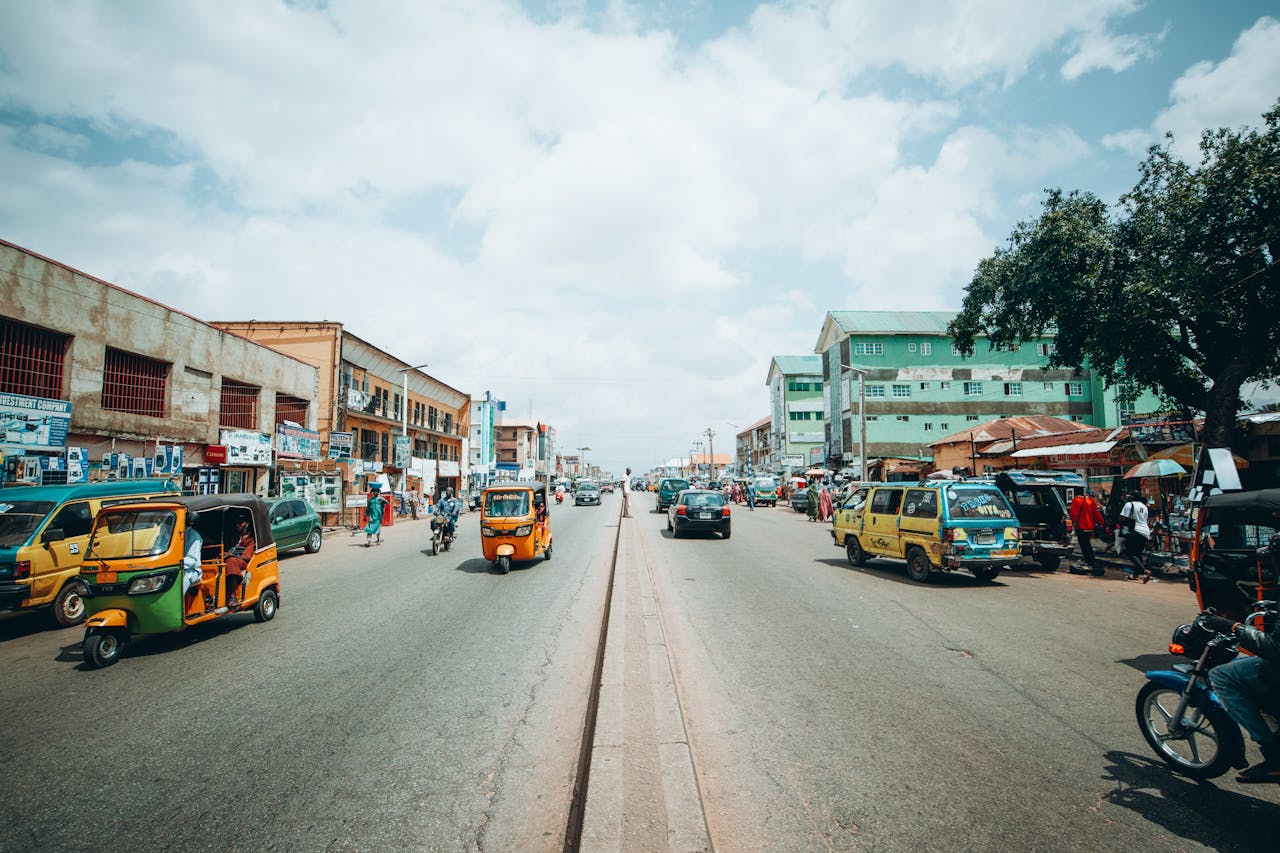
When you think about exploring West Africa, Ghana stands out as a welcoming entry point. Its blend of rich history, vibrant culture, and natural beauty offers a unique travel experience. From bustling Accra to the haunting shores of Cape Coast, each destination unfolds a story waiting for you. You’ll want to immerse yourself in local traditions and savor authentic cuisine, but there’s much more to discover as you map out your journey through this enchanting country.
Key Takeaways
- Experience Accra’s vibrant culture through local markets, street food, and historical sites like the Kwame Nkrumah Mausoleum.
- Visit Kakum National Park for an exhilarating canopy walkway and immersive nature experience.
- Explore Cape Coast’s UNESCO-listed castles, including Elmina Castle, to understand Ghana’s colonial history.
- Participate in a traditional naming ceremony in Kumasi, deepening your connection to the Ashanti culture.
- Enjoy Ghanaian cuisine, highlighting dishes like Jollof Rice and Kelewele, showcasing local flavors and ingredients.
Why Ghana Is Considered West Africa’s Friendly Gateway
When you think about traveling to West Africa, Ghana stands out as a welcoming entry point. Known as the “gateway to West Africa,” Ghana’s reputation for safety makes it an ideal choice for travelers.
With over 100 ethnic groups, the country offers a diverse cultural tapestry, inviting you to explore unique traditions and languages. You’ll find vibrant festivals, such as PANAFEST, celebrating the African diaspora and immersing you in local music and art.
Ghana’s historical significance, marked by sites like Cape Coast and Elmina Castles, provides vital insights into the trans-Atlantic slave trade. Friendly locals, along with English as the official language, enhance your experience, ensuring effective communication and a hospitable atmosphere as you begin your journey.
Visitors can also enjoy authentic culinary experiences and sustainable tourism practices that make every trip more memorable.
Must-Visit Destinations for Your Ghana Travel Itinerary
What intriguing destinations should you add to your Ghana travel itinerary?
Start in Accra, the vibrant capital, where bustling markets like Makola Market and significant sites such as the Kwame Nkrumah Mausoleum await you.
Next, head to Cape Coast to explore the UNESCO-listed Cape Coast Castle, delving into its poignant role in the trans-Atlantic slave trade.
Don’t miss Kumasi, the heart of the Ashanti Kingdom, where the lively Kejetia Market and Manhyia Palace reveal rich cultural heritage.
For nature lovers, Kakum National Park offers an exhilarating canopy walkway, giving you breathtaking views of unique biodiversity.
Finally, visit Elmina, with its colorful fishing village and historic Elmina Castle, to deepen your understanding of Ghana’s colonial past.
Your 10-Day Ghana Itinerary at a Glance
Starting on a 10-day adventure through Ghana promises an unforgettable blend of culture, history, and natural beauty.
You’ll explore vibrant cities and serene landscapes, with an itinerary that captures the essence of Ghana. Here’s a quick overview:
- Accra: Kick off your trip by experiencing the local markets and tasting delicious street food.
- Kakum National Park: Take a canopy walk and immerse yourself in the lush surroundings.
- Cape Coast: Visit Elmina Castle and Cape Coast Castle, delving into Ghana’s poignant history.
- Kumasi: Participate in a traditional naming ceremony, connecting with local customs and communities.
This itinerary balances insightful sightseeing and leisurely beach time, ensuring you experience the best of Ghana!
Experience the Vibrancy of Accra Through Its Markets and Culture
When you explore Accra, you’ll find its local markets buzzing with life, showcasing colorful fabrics and fresh produce.
Don’t miss the chance to visit cultural heritage sites that reveal Ghana’s rich history, along with savoring authentic Ghanaian dishes at local eateries.
Each experience connects you to the heart and soul of the city.
Local Markets Exploration
Accra’s local markets offer a vibrant tapestry of culture and commerce that you won’t want to miss.
These bustling hubs invite you to engage with locals and discover the heart of Ghana:
- Makola Market: Immerse yourself in fresh produce, traditional fabrics, and unique handicrafts while chatting with friendly vendors.
- Arts & Crafts Market: Find handmade treasures like wood carvings and intricate beadwork that make perfect souvenirs.
- Jamestown Market: Relish local street food and soak in the colorful atmosphere of Accra’s historic district.
- Abossey Okai Auto Parts Market: Explore an array of products, from fashion to automotive supplies, highlighting the city’s rich local commerce.
These experiences help you connect with the culture and community life in Accra.
Cultural Heritage Sites
Exploring cultural heritage sites in Accra reveals the city’s rich history and vibrant traditions. Start your journey at Makola Market, where you’ll find an array of local goods, from textiles to spices, all while chatting with friendly vendors.
Next, visit the Arts & Crafts Market, a treasure trove of unique crafts like beadwork and wood carvings that embody Ghana’s cultural essence. Don’t miss the Kwame Nkrumah Mausoleum, a serene space honoring Ghana’s first president, inviting you to reflect on the nation’s past.
Stroll through Jamestown, with its colonial architecture and local art, and consider a guided walking tour to really grasp the area’s significance. Immerse yourself in energetic drumming and dance performances at cultural centers to connect with Ghana’s musical heritage.
Authentic Ghanaian Cuisine
After soaking up the rich history at cultural heritage sites, immerse yourself in the vibrant flavors of Ghanaian cuisine.
Accra’s culinary scene is a lively tapestry of tastes and aromas you won’t want to miss. Here are some must-try experiences:
- Explore Makola Market – Engage with local life, shopping for fresh produce and spices that make Ghanaian dishes unforgettable.
- Street Food Delights – Don’t leave without savoring jollof rice and spicy kelewele, snacks that perfectly capture the essence of Ghana.
- Visit the Arts & Crafts Market – Sample traditional delicacies like peanuts and palm oil while experiencing local artistry.
- Join a Cooking Class – Get hands-on with classic dishes like banku and tilapia for an authentic culinary adventure.
Unwinding in Scenic Atimpoku: Nature and Adventure
Atimpoku is a hidden gem along the Volta River, where breathtaking landscapes invite you to unwind and recharge. Explore the serenity of the river with tranquil cruises, absorbing stunning views and lush greenery. Engage with the warm local community in the village of Atsiekpoe, experiencing traditional naming ceremonies that deepen your cultural understanding. Deluxe hotels and resorts offer a serene backdrop, complete with amenities designed for relaxation.
| Activity | Description |
|---|---|
| Volta River Cruises | Enjoy scenic views and calm waters. |
| Cultural Immersion | Participate in local traditions and ceremonies. |
| Luxury Accommodations | Relax in high-end resorts surrounded by nature. |
Soak in the tranquility of Atimpoku and create unforgettable memories.
Discovering Historical Riches in Cape Coast
In Cape Coast, you’ll find significant sites that tell the story of the slave trade, especially at the iconic Cape Coast Castle.
As you explore the dungeons and museum, you’ll gain insight into the far-reaching impacts of this dark chapter in history.
Don’t miss the chance to engage with the vibrant local culture through markets and artisan crafts that reflect the town’s rich heritage.
Significant Slave Trade Sites
Cape Coast is a profound reminder of Ghana’s tumultuous history, highlighted by significant slave trade sites that tell revealing stories of the past.
When you visit, be sure to explore these key locations:
- Cape Coast Castle: A UNESCO World Heritage Site, it served as a major base for the trans-Atlantic slave trade and features a poignant museum showcasing artifacts and stories of human suffering.
- Guided Tours: Walk through the dungeon cells where enslaved Africans were held, experiencing firsthand the somber realities of this dark chapter.
- Assin Manso Slave Route: This nearby route includes a Memorial Park and Ancestral Graveyard honoring the victims of the slave trade.
- Elmina Castle: Just a short drive away, it’s the oldest European building in sub-Saharan Africa, offering a related historical perspective.
Vibrant Local Culture
There’s something truly enchanting about the vibrant local culture in Cape Coast that invites exploration and connection.
You’ll find the historic Cape Coast Castle, a UNESCO World Heritage Site, echoing stories of the trans-Atlantic slave trade. The Cape Coast Castle Museum provides an in-depth exploration of this poignant history, enriching your understanding of colonialism’s impact.
As you wander through lively fishing villages and bustling markets, be sure to sample fresh catches and unique handcrafted goods.
The scenic coastline along the Gulf of Guinea offers beautiful beaches where you can reflect on the region’s significance.
Don’t miss the nearby Kakum National Park, where a thrilling canopy walk reveals the lush biodiversity of the tropical forests that define this enchanting landscape.
Local Cuisine Highlights: A Taste of Ghana
When you immerse yourself in Ghanaian cuisine, you’ll discover a world of bold flavors and vibrant dishes that reflect the country’s rich heritage.
Here are some must-try culinary highlights:
- Jollof Rice: A festive staple made with tomatoes and spices, perfect for celebrations.
- Fufu: A dough-like blend of cassava and plantains, traditionally enjoyed with soups like groundnut or light soup.
- Banku: Fermented corn and cassava dough, often served with grilled tilapia and spicy pepper sauce, showcasing coastal flavors.
- Kelewele: Spicy fried plantains seasoned with ginger and garlic, a popular street snack enjoyed with peanuts.
As you savor these dishes, you’ll appreciate how local ingredients create healthy, hearty meals filled with flavor.
Cultural Immersion in Kumasi: The Heart of Ashanti Heritage
Kumasi is a vibrant city pulsating with the rich heritage of the Ashanti Kingdom. As you explore, don’t miss the Kumasi Cultural Center, where you can immerse yourself in Ashanti art and history. Gain insights into the region’s royal heritage and artistic expressions that define this enthralling culture.
A visit to the Manhyia Palace, the residence of the Asantehene, allows you to appreciate the political and cultural significance of the Ashanti monarchy firsthand. Be sure to wander through the bustling Kejetia Market, one of West Africa’s largest open-air markets, where you’ll experience vibrant local commerce.
For an even deeper connection, participate in bead-making workshops at Cedi Beads and learn about this important craft in Ashanti society.
Important Health and Safety Precautions for Travelers
As you prepare for your adventure in Ghana, it’s crucial to prioritize your health and safety. Here are some key precautions to keep in mind:
- Vaccination: Get your yellow fever vaccination and carry proof, as it’s required for entry.
- Malaria Prophylaxis: Consult your healthcare provider about malaria medication, especially if you plan to visit rural areas.
- Stay Hydrated: Drink bottled water and avoid ice made from tap water to prevent waterborne illnesses.
- Personal Hygiene: Wash your hands frequently, use hand sanitizer, and pack a small first-aid kit with any necessary prescriptions.
Essential Packing Tips and Communication Guidelines for Travelers
When you pack for your trip to Ghana, start with a sturdy carry-on bag and essentials like a first-aid kit and travel-size toiletries.
It’s also smart to keep digital backups of important documents on your phone.
Don’t forget to brush up on local customs to communicate respectfully and connect with the culture.
Packing Essentials Overview
Travelers heading to Ghana should prepare wisely to guarantee a smooth experience during their trip.
Here are some essential packing tips to take into account:
- Use carry-on luggage: This minimizes issues with checked bags, especially with limited domestic flights.
- Choose distinctive luggage: Opt for a unique color or design to easily identify your bags at airports and bus stations.
- Pack a small first-aid kit: Include essential medications and a list of prescriptions with their generic names for reference.
- Stay hydrated: Always carry bottled water and avoid ice made from tap water to protect your health.
Communication Etiquette Tips
Understanding communication etiquette is essential for a respectful and enjoyable experience in Ghana. Always use your right hand for greetings, payments, and eating, as using the left can be seen as disrespectful.
When conversing, steer clear of political and religious discussions to keep interactions harmonious. During tours, focus on your guide and avoid phone use to guarantee everyone hears important information.
Before photographing locals or cultural ceremonies, ask for permission; this shows respect for their privacy. Keep conversation topics neutral and foster understanding, as this can lead to meaningful interactions with fellow travelers and locals alike.
Transportation in Ghana: Navigating Your Journey
Finding your way around Ghana can be an adventure in itself, with various transportation options available to suit your needs. Here’s a quick overview of your choices:
- Rent a Car: For flexibility and access to remote spots, renting a car costs between €1600 to €2600 for two weeks.
- Taxis: Hire from basic vehicles to luxury rides with guides, catering to any budget.
- Public Transportation: Shared taxis and buses are budget-friendly and offer cultural interaction, perfect for major tourist destinations.
- Road Conditions: Be prepared for bumpy, dusty roads, especially on longer journeys. If driving yourself, note that navigation apps may not always be reliable, so keep an eye out for landmarks.
With these options, you’ll navigate Ghana like a pro!
Suggested Day Trips to Dive Deeper Into Ghana
With your transportation plans sorted, it’s time to explore some incredible day trips that reveal the rich history and culture of Ghana.
Start at the Cape Coast and Elmina Castles, UNESCO World Heritage Sites that tell the haunting story of the transatlantic slave trade.
Then, head to Kakum National Park for an exhilarating canopy walk, where you’ll take in breathtaking views from 1,000 feet above the rainforest.
In Kumasi, immerse yourself in Ashanti culture at the Manhyia Palace and shop for vibrant Kente cloth.
For a peaceful escape, cruise the Volta River near Atimpoku, enjoying scenic landscapes and visiting local villages.
Finally, explore Accra’s lively markets, like Makola and the Arts & Crafts Market, to meet locals and snag unique handmade treasures.
Extending Your Ghana Experience: Activities and Insights
As you dive deeper into the heart of Ghana, consider enriching your journey with engaging activities that connect you to the local culture.
Here are some must-try experiences:
- Cooking Class: Learn to make local favorites like jollof rice and banku, discovering culinary customs along the way.
- Craft Villages: Visit places like Bonwire to witness exquisite Kente cloth weaving and grasp its cultural significance.
- Boat Tour: Experience Ganvié, a stilt village on Lake Nokoué, and enjoy the scenic views while immersing in community life.
- Traditional Ceremonies: Participate in naming ceremonies in locations like Atsiekpoe for a deeper connection with local heritage.
These activities will certainly elevate your Ghana experience, leaving you with lasting memories.
Frequently Asked Questions
What Is the Best Time to Visit Ghana?
The best time to visit Ghana is between November and March. During these months, you’ll experience cooler, dry weather, making it perfect for exploring the vibrant culture, stunning landscapes, and welcoming locals. Don’t miss it!
Are There Any Visa Requirements for Visiting Ghana?
Yes, there are visa requirements for visiting Ghana. You’ll need a valid passport and a visa, which you can apply for online or at the Ghanaian embassy in your country before your trip.
How Safe Is It to Travel in Ghana?
Traveling in Ghana’s generally safe, but you should stay alert and use common sense. Keep your belongings secure, avoid isolated areas, and follow local advice to enhance your safety while enjoying the vibrant culture.
What Languages Are Spoken in Ghana?
In Ghana, you’ll encounter various languages. English is the official language, but you’ll also hear Akan dialects, Ewe, and Ga among others. Embrace the linguistic diversity; it enriches your travel experience.
Is It Easy to Find ATMS and Exchange Currency?
Yes, you’ll find ATMs easily in urban areas, and they usually accept international cards. Currency exchange is available at banks and official exchange bureaus, making it convenient for you to manage your finances during your trip.
Leave a Reply