
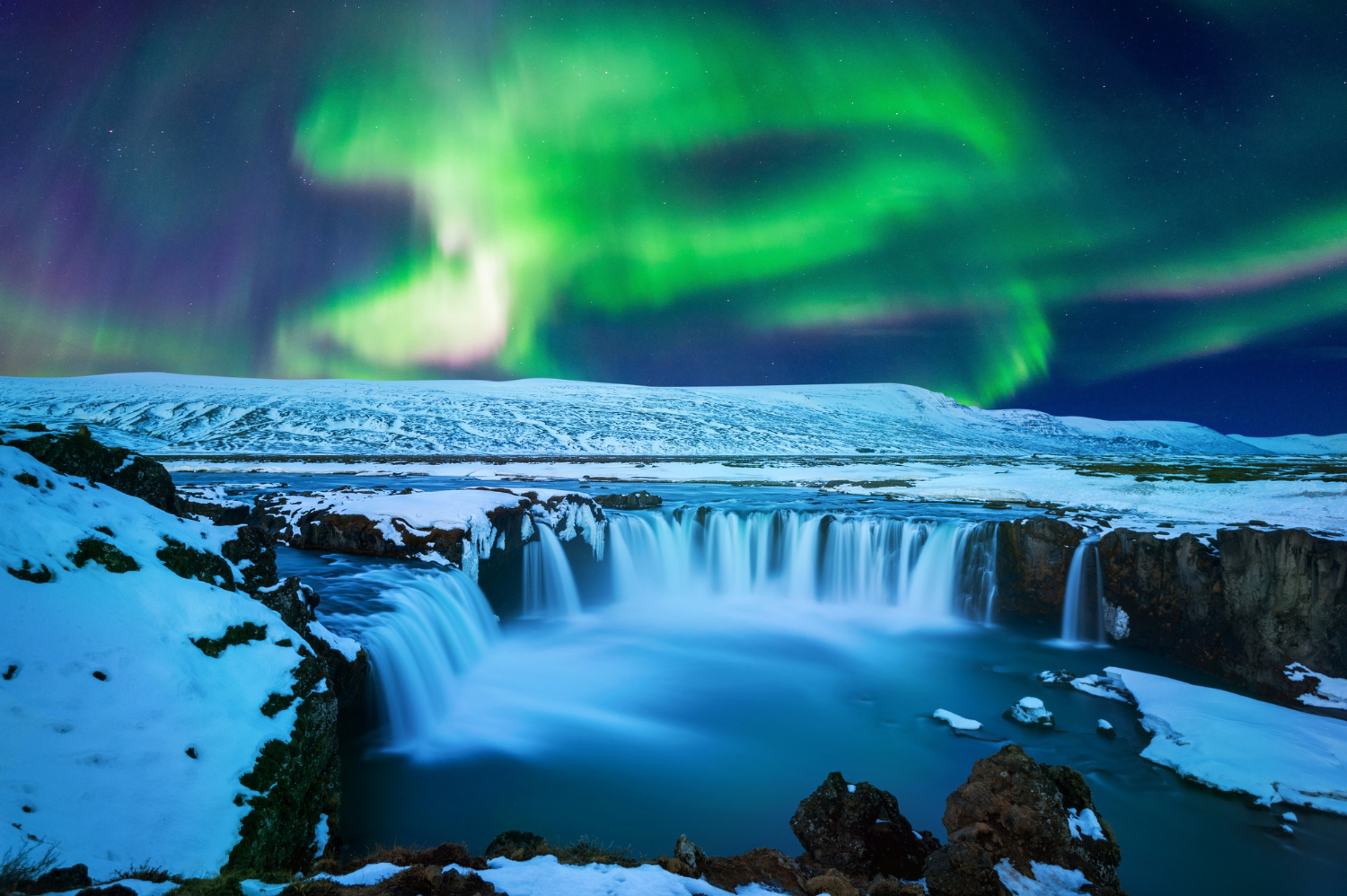
Embark on an unforgettable journey through Iceland, a land where fire and ice dance in a spectacular display. The Iceland Ring Road, officially known as Route 1, offers an unparalleled opportunity to explore this Nordic marvel.
This comprehensive guide will equip you with the expert knowledge needed to navigate its wonders, from cascading waterfalls to the ethereal glow of the Northern Lights. Prepare for an Iceland road trip that promises tranquil escapes and inner peace, guiding you through the heart of this breathtaking country.
Understanding the Iceland Ring Road (Route 1)
Prepare for an adventure that reveals hidden gems and iconic landmarks around every bend. The Iceland Ring Road, officially known as Route 1, is more than just a highway; it’s a circular artery, approximately 1,322 km (821 miles) long, that embraces the entire country. This fully paved route is Iceland’s only loop road, serving as a vital link for both travelers and local logistics.
Most travelers begin their journey by landing at Keflavik International Airport, the main gateway to the country. Located on the Reykjanes Peninsula, it offers a seamless transition to your rental car before you head toward Reykjavik or the start of Route 1.
Imagine a thread weaving through Iceland’s diverse landscapes. This Icelandic Ring Road connects major regions, including the vibrant capital of Reykjavík, the charming northern city of Akureyri, and the dramatic Eastfjords. It promises a continuous stretch of discovery, offering spectacular landscapes and a sense of adventure.
As you plan your Iceland road trip, understanding the scope of Route 1 Iceland is crucial. This circular highway is your gateway to exploring the Golden Circle, the stunning South Coast Iceland, and the serene Northern Coast Iceland, providing an unparalleled journey through a land shaped by fire and ice.
Optimal Times to Travel the Iceland Ring Road
Choosing the right time for your Iceland road trip is crucial for a fulfilling experience. The optimal travel period for exploring the Iceland Ring Road, also known as Route 1 Iceland, is during the summer months, typically from May to September. During this time, daylight is extended, offering more hours for sightseeing and outdoor activities along the entire circular highway.
The milder weather conditions in summer make navigating the entire Icelandic Ring Road more comfortable. This period is ideal for visiting iconic spots like Þingvellir National Park, Gullfoss waterfall, and the Geysir geothermal area on the Golden Circle, as well as the stunning South Coast Iceland attractions such as Reynisfjara black beach, Skógafoss, and Seljalandsfoss. You’ll have ample time to explore without the harshness of winter.
That said, each season offers unique charms for your Iceland travel guide adventure. Winter travel, while challenging due to weather and shorter daylight hours, provides the best chance to witness the captivating Northern Lights dancing across the Icelandic sky. Regardless of when you choose to embark on your Iceland scenic route, preparation is key.
Major Highlights Along the Ring Road
Your Iceland Ring Road itinerary promises an adventure filled with breathtaking attractions. This circular highway, also known as Route 1 Iceland, is packed with natural wonders that defy imagination, from powerful waterfalls to unique geological formations. Prepare to explore a land where every turn offers a new, awe-inspiring vista.
The Golden Circle: A Must-See Detour from Reykjavík
Starting conveniently near Reykjavík, the Golden Circle is a foundational part of any Iceland road trip and a must-see detour. This popular Iceland scenic route encompasses three magnificent sites, showcasing the island’s unique geological and historical significance.
- Þingvellir National Park: A UNESCO World Heritage site, Þingvellir holds immense historical and geological significance. Here, you can witness the visible rift valley between the North American and Eurasian tectonic plates, a truly unique geological feature.
- Gullfoss Waterfall: Known as the “Golden Waterfall,” its powerful cascades plunge into a rugged canyon. The sheer force and beauty of the water are mesmerizing, often creating rainbows in its mist.
- Geysir Geothermal Area: Home to the famous Strokkur geyser, which erupts every few minutes, sending boiling water high into the air. It’s a vivid and unforgettable display of Iceland’s raw geothermal power.
South Coast Iceland’s Dramatic Landscapes
The South Coast Iceland stretch of Route 1 is particularly rich in dramatic landscapes, making it a highlight of any Iceland travel guide. This section of the Iceland Ring Road offers iconic waterfalls, black sand beaches, and accessible glaciers.
- Seljalandsfoss: A unique waterfall where you can walk behind the curtain of water, offering a truly immersive experience and incredible photo opportunities.
- Skógafoss: Another iconic waterfall, renowned for its sheer power and the vibrant rainbows that often appear in its mist. The nearby village of Skógar provides a glimpse into local life.
- Reynisfjara Black Beach: Famous for its striking black sand, dramatic basalt column formations, and powerful Atlantic waves. The Dyrhólaey arch and Reynisdrangar sea stacks add to its allure. Always exercise extreme caution here due to strong and unpredictable currents.
- Sólheimajökull Glacier: An accessible outlet glacier of Mýrdalsjökull, offering opportunities for glacier hiking with expert guides from companies like Arctic Adventures. It’s an incredible way to experience Iceland’s ice caps up close.
- Vík: A charming village perfectly situated for exploring the black sand beaches and surrounding natural beauty. Consider staying at places like Adventure Hotel Geirland for a comfortable base.
- Fjaðrárgljúfur Canyon: A stunning, winding canyon with sheer walls and a river flowing through it. Its unique, verdant beauty makes it a popular stop on the circular highway itinerary.
- Skaftafell: Part of Vatnajökull National Park, this area is a hiker’s paradise. It offers trails leading to various natural wonders, including the beautiful Svartifoss waterfall, famous for its basalt column backdrop.
- Jökulsárlón Glacier Lagoon: A surreal landscape where icebergs, calved from the Vatnajökull glacier, drift through a glacial lagoon. The nearby Diamond Beach sees these ice chunks wash ashore, glistening like diamonds on the black sand, creating an ethereal spectacle.
Eastfjords and Northern Coast Iceland: Diverse Beauty
As you continue your Iceland scenic route along the Icelandic Ring Road, the landscape transforms, revealing the rugged beauty of the Eastfjords and the vibrant culture of Northern Coast Iceland. This part of the Highway 1 Iceland journey offers a different perspective on the island’s diverse geography.
- Eastfjords: Characterized by dramatic mountain ranges, narrow fjords, and charming fishing villages like Egilsstaðir, Seyðisfjörður, Reyðarfjörður, and Eskifjörður. The area around Lake Lagarfljót is steeped in local folklore, adding a mystical element to your Iceland road trip.
- Höfn: A picturesque fishing town known for its delicious lobster and stunning views of Vatnajökull, making it a delightful stop.
- Akureyri: The vibrant capital of the North, offering a lively cultural scene, beautiful botanical gardens, and excellent whale watching opportunities. It is a key hub on the Northern Coast Iceland and a perfect place to pause on your Iceland Ring Road adventure.
- Goðafoss Waterfall: The “Waterfall of the Gods,” known for its horseshoe shape and historical significance in Iceland’s conversion to Christianity. It’s a powerful and visually striking natural wonder.
- Lake Mývatn: A geologically active area featuring fascinating pseudo-craters, unique lava formations, and the Mývatn Nature Baths, a less crowded and wonderfully relaxing alternative to the Blue Lagoon. This geothermal area is a must-visit.
- Dettifoss Waterfall: Europe’s most powerful waterfall, located within Vatnajökull National Park. Its sheer volume of water is awe-inspiring, a true testament to Iceland’s raw natural power.
Popular Side Trips from the Ring Road
To deepen your exploration of Iceland, consider these enriching detours from the main Icelandic Ring Road. These routes offer unique perspectives and adventures beyond the main Route 1 Iceland experience, enhancing your Iceland road trip.
-
Snæfellsnes Peninsula: Iceland in Miniature
Often called “Iceland in Miniature,” the Snæfellsnes Peninsula boasts a diverse landscape that truly captures the essence of the country. Here, you’ll find the iconic Kirkjufell mountain, famous for its unique shape, alongside dramatic black sand beaches and the majestic Snæfellsjökull glacier. This side trip offers a condensed version of the natural wonders you’d typically find across the entire circular highway.
-
Tröllaskagi Peninsula: A Haven for Outdoor Enthusiasts
Venture north to the Tröllaskagi Peninsula, known for its dramatic mountains, deep valleys, and charming fishing villages. This area is a haven for outdoor enthusiasts, offering opportunities for hiking, skiing, and exploring the rugged Northern Coast Iceland landscape. It’s a fantastic addition to any Iceland travel guide, especially for those seeking active adventures away from the main Ring Road itinerary.
-
Silver Circle: West Iceland’s Geothermal Wonders
The Silver Circle route in West Iceland presents a captivating blend of natural power and serene beauty. This detour includes Deildartunguhver, Europe’s most powerful hot spring, a testament to Iceland’s profound geothermal areas. You’ll also discover the beautiful Hraunfossar and Barnafoss waterfalls, offering stunning cascades that are a joy to behold. This area provides a fantastic insight into the geothermal energy utilization across Iceland.
-
Iceland Highlands: The Ultimate Wilderness Experience
For the truly adventurous seeking an unparalleled wilderness experience, the Iceland Highlands are a must-see. These rugged, remote interiors are accessible only by 4×4 vehicles during the summer months. Here, you’ll encounter a landscape unlike any other, with vast expanses of untouched nature, vibrant rhyolite mountains, and hidden hot springs. This area truly embodies the spirit of an Iceland road trip for those looking to go off the beaten path.
Hot Springs and Geothermal Areas
Iceland’s volcanic activity blesses the Iceland Ring Road with an abundance of geothermal wonders. These hot springs and pools are perfect for relaxation and rejuvenation, offering tranquil escapes during your Iceland road trip. Utilizing geothermal energy is a cornerstone of Icelandic life and a key highlight of any Iceland travel guide.
You’ll find numerous opportunities to immerse yourself in these warm, mineral-rich waters. The Geysir geothermal area, a critical entity along the Golden Circle, is not just about its famous eruptions; the entire area steams with geothermal activity, showcasing the raw power beneath the surface. Further north, the Mývatn Nature Baths provide a serene, natural lagoon experience in North Iceland, an ideal stop on your circular highway itinerary.
Don’t miss Deildartunguhver hot spring, Europe’s most powerful hot spring, which provides most of the hot water for nearby towns, a testament to Iceland’s innovative use of its natural resources.
While often crowded, the world-renowned Blue Lagoon near Reykjavík offers a unique, luxurious geothermal spa experience. Beyond these prominent locations, many smaller, local hot pots are scattered across the country, providing more intimate experiences for those seeking inner peace and tranquility.
Planning Your Iceland Ring Road Adventure
Effective planning is essential for a successful Iceland travel guide experience. Here is some practical advice to help you navigate the circular highway.
Driving Tips and Route Planning for Your Iceland Road Trip
The Iceland Ring Road, also known as Route 1, is approximately 1,322 km (821 miles) long and is fully paved, making it accessible for any regular 2WD rental car. However, many side roads, especially those leading into the Iceland Highlands, are gravel. Always check road conditions before driving, particularly outside of summer. The weather in Iceland can be unpredictable, changing rapidly, so vigilance is key for your Iceland road trip.
Allow ample time for your journey along this Iceland scenic route. While a 5 day itinerary is possible, a 10 day itinerary allows for a more relaxed pace and the inclusion of fascinating side trips. Gunnar Gaukur, a seasoned traveler, recommends taking your time to truly appreciate the diverse landscapes, from Reykjavík to the Eastfjords and the Northern Coast Iceland.
Accommodations Along Your Icelandic Ring Road Journey
Booking accommodations in advance is highly recommended, especially during peak season. Options range from hotels and guesthouses to campsites. Consider staying in charming smaller towns like Vík, Hof, and Egilsstaðir. Adventure Hotel Hof, for example, offers a comfortable stay amidst stunning scenery near Vatnajökull National Park.
The diversity of lodging ensures you find something to fit your style and budget. Remember, some areas are more remote, particularly as you venture towards the Eastfjords, so plan your overnight stops carefully along Highway 1 Iceland.
Best Time to Travel the Ring Road
The optimal travel period for an Iceland Ring Road itinerary is during the summer months, from May to September. During this time, daylight is extended, offering more hours for sightseeing, and weather conditions are generally more favorable for outdoor activities and exploring attractions like Þingvellir National Park and Gullfoss waterfall. While winter offers the ethereal Northern Lights, many roads, especially into the Iceland Highlands, may be impassable, and daylight hours are significantly shorter.
Major Highlights Along the Iceland Ring Road
Your Iceland road trip will reveal an array of breathtaking sights. The Golden Circle is a popular starting point from Reykjavík, featuring Þingvellir National Park, the powerful Gullfoss waterfall, and the active Geysir geothermal area. Further along the South Coast Iceland, you’ll encounter iconic waterfalls like Skógafoss and Seljalandsfoss, the dramatic Reynisfjara black beach near Vík, and the majestic Sólheimajökull glacier.
Continuing your journey, you’ll discover the stunning Jökulsárlón Glacier Lagoon and Diamond Beach, fed by the Vatnajökull glacier. As you head north, don’t miss the Dettifoss waterfall, Lake Mývatn, and the vibrant town of Akureyri. The Eastfjords offer a rugged, serene beauty, providing a stark contrast to the geothermal wonders of other regions.
Essential Iceland Travel Tips for Your Ring Road Journey
To ensure a smooth and safe trip along the Iceland Ring Road, keep these expert tips in mind. From navigating the diverse landscapes to respecting the pristine environment, these practical pointers will enhance your Iceland road trip experience.
- Weather Preparedness: Iceland’s weather is famously unpredictable, even during the summer months. Always pack layers, including waterproof and windproof outerwear, regardless of the season. This preparation is crucial for enjoying attractions like Skógafoss, Seljalandsfoss, and the black sand beaches of Reynisfjara without discomfort.
- Safety First on Route 1: Adhere strictly to speed limits, especially when driving the circular highway. Be extremely cautious of sheep on the roads, particularly in rural areas and the Eastfjords. Never stop on the highway for photos, as this poses a significant hazard to yourself and other travelers on Route 1 Iceland. Pull over safely in designated areas to capture the beauty of the Golden Circle or the South Coast Iceland.
- Respect Nature: Iceland’s natural beauty, from Þingvellir National Park to Jökulsárlón Glacier Lagoon, is fragile. Stay on marked paths to protect delicate ecosystems, do not litter, and avoid disturbing wildlife. This mindful approach ensures that future travelers can also experience the magic of this land of fire and ice.
- Cost Management for Your Iceland Road Trip: Iceland can be an expensive destination. Budget carefully for food, fuel, and activities such as glacier hiking near Sólheimajökull or exploring the geothermal areas. Consider self-catering by purchasing groceries at local supermarkets to save on meal costs, especially if you’re on a 10-day itinerary or a 5-day itinerary.
Comparison of Ring Road Itineraries
Your ideal Iceland Ring Road journey hinges on the time you have and your specific interests. This essential Iceland travel guide will help you compare popular durations for your Iceland road trip, ensuring you select the perfect pace for your tranquil escape.
| Itinerary Duration | Key Focus | Pace | Highlights |
|---|---|---|---|
| 5 Days | Golden Circle, South Coast Iceland | Fast-paced | Begin in Reykjavík, explore Þingvellir National Park, marvel at Gullfoss waterfall and Geysir geothermal area. Continue to the iconic Skógafoss and Seljalandsfoss waterfalls, concluding at the dramatic Reynisfjara black beach near Vík. |
| 7 Days | South Coast, Eastfjords, Southern North | Moderate | Building on the 5-day plan, this itinerary adds the stunning Jökulsárlón Glacier Lagoon and Diamond Beach, the charming town of Höfn, the scenic Eastfjords around Egilsstaðir, and the powerful Goðafoss waterfall as you approach the Northern Coast Iceland. |
| 10 Days | Complete Ring Road, Snæfellsnes, North Iceland | Relaxed | This comprehensive 10 day itinerary allows you to fully experience the entire Iceland Ring Road, also known as Route 1 Iceland or Highway 1 Iceland. You’ll cover all major regions, including a rewarding side trip to the Snæfellsnes Peninsula and deeper exploration of North Iceland, including Akureyri, allowing for glacier hiking near Vatnajökull and visits to geothermal areas like Mývatn Nature Baths. This offers a truly immersive Iceland scenic route experience. |
Frequently Asked Questions About Your Iceland Ring Road Journey
Planning an Iceland road trip on the famous Ring Road (Route 1) can spark many questions. This section provides clear, expert answers to help you navigate your tranquil escape with confidence, ensuring you make the most of your Iceland travel guide.
What is the total length of the Iceland Ring Road?
The Iceland Ring Road, officially known as Route 1, is approximately 1,322 kilometers (821 miles) long. This fully paved circular highway forms a complete loop around the country, connecting major regions and serving as the primary artery for exploring Iceland’s diverse landscapes, from Reykjavík to the Eastfjords and Akureyri.
What are the best months to drive the Ring Road?
The optimal time to travel the Iceland Ring Road is during the summer months, from May to September. During this period, you’ll experience extended daylight hours and more favorable weather conditions, making it ideal for sightseeing, glacier hiking, and enjoying the black sand beaches and basalt column formations. This timeframe is perfect for a 10 day itinerary or even a quicker 5 day itinerary.
Do I need a 4×4 vehicle for the Ring Road?
No, the main Iceland Ring Road (Route 1) is fully paved and perfectly accessible with a regular 2WD rental car. However, a 4×4 vehicle is highly recommended if you plan to explore side roads, particularly those leading into the rugged Iceland Highlands, or if you’re traveling during the winter months.
What are some must-see attractions on the Golden Circle?
The Golden Circle is a renowned route near Reykjavík, offering some of Iceland’s most iconic natural wonders. Must-see attractions include Þingvellir National Park, a UNESCO World Heritage site rich in history and geological significance; the powerful Gullfoss waterfall, a two-tiered cascade; and the active Geysir geothermal area, where Strokkur erupts every few minutes.
Can I see the Northern Lights on the Ring Road?
Yes, the Iceland Ring Road offers numerous prime opportunities to witness the ethereal Northern Lights (Aurora Borealis). Your best chances are during the darker months, typically from September to April, especially when you are away from city light pollution, such as near Vík or in the Eastfjords. This natural spectacle is a highlight of any Iceland scenic route.
Leave a Reply