
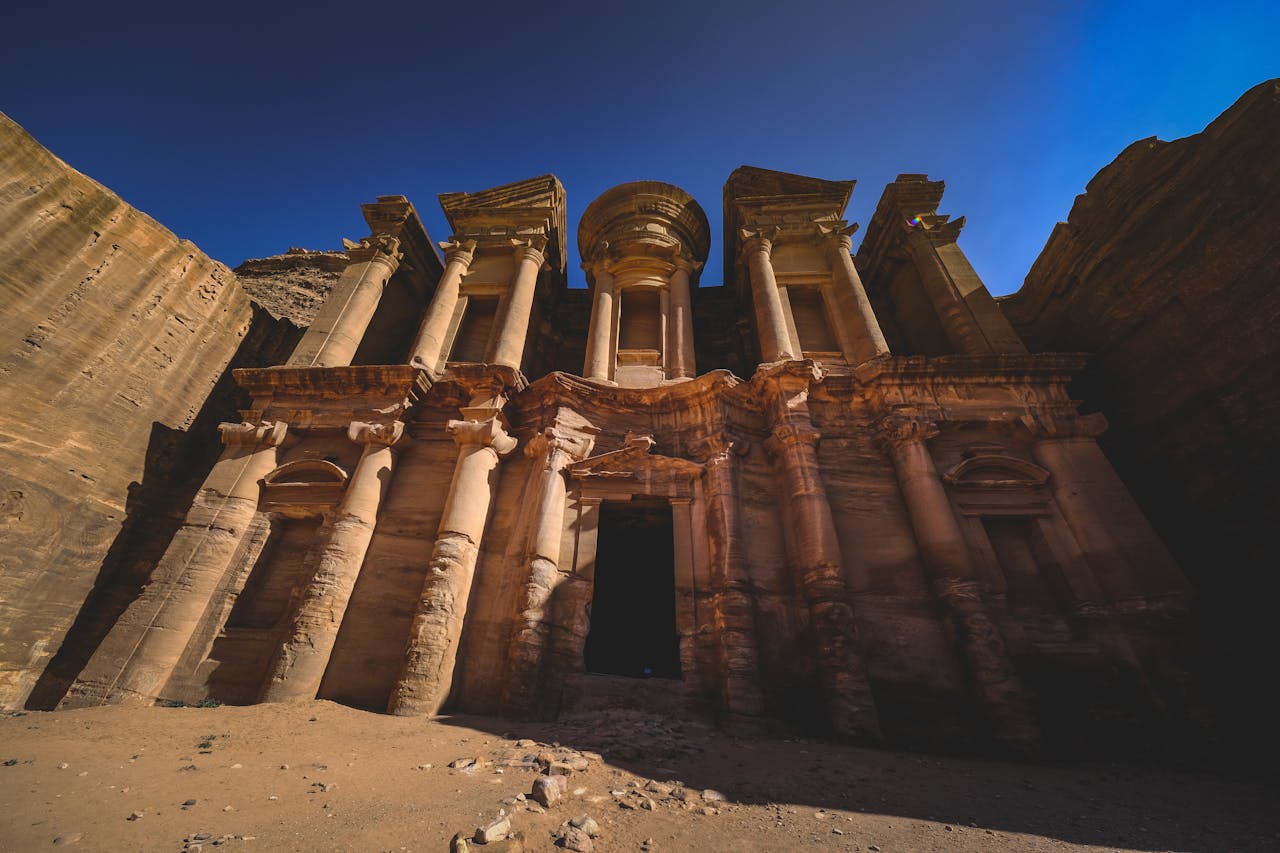
When you plan your journey to Jordan, the Petra and Desert Wonders itinerary offers a unique blend of history and adventure. You’ll wander through the ancient city of Petra, marvel at its intricate architecture, and then experience the vast beauty of Wadi Rum’s red desert. But the trip doesn’t end there; you’ll also have a chance to engage with local cuisine and communities in a meaningful way. What other surprises await you in this remarkable country?
Key Takeaways
- Explore Petra’s stunning rock-cut architecture and experience the illuminated Siq during Petra By Night.
- Take a guided 4×4 safari in Wadi Rum, visiting key sites like Lawrence’s Spring and Khazali Canyon.
- Camp under the stars in Wadi Rum to enjoy traditional Bedouin hospitality and the unique desert atmosphere.
- Float effortlessly in the Dead Sea and follow health precautions to enhance your experience.
- Engage with local communities through cooking classes, sustainable initiatives, and sampling traditional Jordanian cuisine.
Discovering Petra: A Journey Through Time
Petra, one of the New Seven Wonders of the World, invites you to explore its stunning rock-cut architecture and rich history. Established over 2,000 years ago by the Nabateans, this UNESCO World Heritage Site showcases remarkable engineering, including its sophisticated water conduit system.
As you enter through the Siq, a narrow gorge stretching about 1.2 kilometers, you’re surrounded by breathtaking geological formations. Don’t miss the iconic Al Khazneh, or “Treasury,” towering 40 meters tall with its intricate Hellenistic design.
For an unforgettable experience, conquer a 45-minute hike to the Monastery, Al Deir, revealing one of Petra’s largest structures.
Finally, don’t forget to experience Petra By Night, strolling through the Siq illuminated by thousands of candles, creating a magical ambiance beneath the stars.
Two-Day Itinerary for Petra and Wadi Rum
After soaking in the ancient wonders of Petra, you’re ready to explore the stunning landscapes of Wadi Rum, a desert that offers a completely different yet equally enchanting experience.
Here’s a concise two-day itinerary:
- Petra Exploration: Start your day with a sunrise visit to the Treasury, then hike through the Siq. Don’t miss Al Deir (the Monastery) for its breathtaking views after a moderate climb.
- Wadi Rum Safari: Book a guided 4×4 safari, lasting about three hours. Visit key sites like Lawrence’s Spring and Khazali Canyon, soaking in the unmatched beauty.
- Overnight Camping: Experience traditional Bedouin hospitality by camping overnight, stargazing amidst the stunning desert scenery.
Lastly, consider a Jordan Pass for seamless access to attractions and to waive visa fees.
The Majesty of Wadi Rum: Nature’s Masterpiece
When you step into Wadi Rum, you’ll be awed by its spectacular sandstone formations and expansive red deserts.
This landscape invites you to engage in unique desert activities, from camel rides to thrilling jeep safaris.
Plus, you’ll uncover the rich cultural heritage tied to this region, as you explore its ancient rock inscriptions and connections to legends like Lawrence of Arabia.
Spectacular Sandstone Formations
Wadi Rum, often hailed as one of nature’s masterpieces, boasts stunning sandstone formations that captivate every visitor.
This UNESCO World Heritage Site features exquisite rock structures that enhance the desert’s allure.
Here are three highlights you won’t want to miss:
- Jebel Rum: Towering majestically, this is the tallest peak in the region and offers breathtaking views for climbers and hikers alike.
- Burdah Rock Bridge: A remarkable natural arch that’s perfect for photography and an adventurous climb.
- Ancient Inscriptions: Discover Nabataean rock inscriptions that share stories of the indigenous culture, adding a historical dimension to your exploration.
With its striking colors and diverse wildlife, Wadi Rum is truly an unforgettable destination for nature lovers.
Unique Desert Activities
Experiencing the majesty of Wadi Rum goes beyond simply admiring its stunning landscapes; it’s about immersing yourself in unique desert activities that bring the environment to life.
Hop aboard a 4×4 jeep and zoom through the valley of the moon, discovering breathtaking viewpoints and ancient Nabataean rock inscriptions along the way.
For a taste of traditional Bedouin culture, spend a night camping in luxury tents, savoring delicious meals cooked over open fires.
If you’re looking for a slower pace, consider a camel ride, which lets you soak in the scenery while traveling as locals have for centuries.
Don’t forget to gaze up at the clear night sky; stargazing in Wadi Rum reveals constellations and the Milky Way in breathtaking detail.
Cultural Heritage Exploration
Amidst the towering sandstone mountains and vibrant red sands, the cultural heritage of Wadi Rum invites you to explore its rich tapestry of history and tradition.
This UNESCO World Heritage Site, often called “the Valley of the Moon,” offers a unique blend of nature and culture. As you journey through this stunning landscape, don’t miss these highlights:
- Bedouin Hospitality: Engage with locals to experience genuine warmth and traditional meals, immersing yourself in the nomadic lifestyle.
- Ancient Artifacts: Discover archaeological sites adorned with petroglyphs and Nabatean inscriptions, telling stories from thousands of years ago.
- Wildlife Spotting: Keep an eye out for the diverse animals, like ibex and foxes, adding to the ecological significance of this magical place.
Must-Know Tips for Visiting the Dead Sea
Visiting the Dead Sea offers a truly unique experience, but preparation is key to enjoying your time at this remarkable location. Since it’s the lowest point on Earth, the high salinity lets you float effortlessly, but don’t stay in the water too long to avoid skin irritation.
Be sure to apply a high SPF sunscreen, as the sun’s intensity can lead to sunburn. Choose resorts with beach access and changing facilities for comfort. Bring old swimwear and flip-flops; the salt can damage clothes, and the rocky shores might hurt your feet.
Remember to stay hydrated and rinse off after swimming to wash away any residual salt, helping you enjoy the beauty of this extraordinary destination safely.
Learn About Sayyadieh: Cook With Locals
Sayyadieh isn’t just a dish; it’s a culinary journey that encapsulates Jordan’s rich maritime heritage.
When you join a cooking class at Beit Al Ward, you’ll immerse yourself in the authentic methods of preparing this flavorful dish.
Here are three highlights of your experience:
- Learn From Locals: Engage with local women who share their cooking secrets and stories, strengthening cultural connections.
- Empowerment Through Cooking: Contribute to female empowerment, supporting resilience among the women and ensuring culinary traditions thrive.
- Community & Connection: Experience the significance of communal cooking, enhancing social bonds and deepening your understanding of local culture through shared culinary experiences.
Exciting Activities to Try in Aqaba
Aqaba is a paradise for adventure seekers and beach lovers alike, boasting stunning Red Sea vistas and vibrant marine life. You can immerse yourself in thrilling snorkeling and diving experiences, exploring vibrant coral reefs that teem with life.
If you prefer a more leisurely approach, consider an optional boat ride, often featuring lunch and stops at popular snorkeling spots. For a relaxing day by the sea, grab a full-day beach club pass, giving you access to private amenities alongside water sports.
Don’t miss out on Aqaba’s Marina Village, where you can shop, dine on fresh seafood, and enjoy local cuisine. Whether you want to relax in the sun or jet ski, Aqaba caters to all adventure levels.
What to Know About Jordan’s Visa and Entry Rules?
When traveling to Jordan, you’ll find that visa on arrival is a straightforward process for Indian passport holders, costing JD 40.
It’s essential to have Jordanian Dinars on hand, as credit card machines can be unreliable at entry points.
Familiarizing yourself with local payment methods will make your entry smoother and set the tone for your trip.
Visa On Arrival Process
Travelers heading to Jordan can take advantage of the convenient visa on arrival process, which is accessible to many nationalities, including Indians. This visa allows you to stay in Jordan for up to 30 days and costs approximately JD 40.
To guarantee a smooth entry, keep these tips in mind:
- Local Currency: It’s wise to carry cash, as credit card machines mightn’t work reliably at the visa counter.
- Entry Requirements: Check the latest entry requirements before your trip, as they can change.
- Communication: Don’t worry about the language barrier—English is widely spoken in tourist areas, making your experience easier.
With these points in mind, you can enjoy your Jordanian adventure worry-free!
Payment Methods And Currency
Understanding payment methods and currency in Jordan is essential for a smooth trip. As an Indian traveler, you can secure a visa on arrival for JD 40. It’s wise to have local currency since credit card machines at the visa counter mightn’t always work reliably.
The official currency is the Jordan Dinar (JOD), pegged to the U.S. dollar, and cash withdrawals from ATMs usually cap at around 250 JOD. Be prepared for cash transactions, as smaller shops and rural areas mightn’t accept cards.
If you’re planning to visit over 40 attractions, consider purchasing a Jordan Pass in advance—it waives your visa fees and costs 70 JD.
During Ramadan, respect local customs by avoiding public eating and drinking during daylight.
Simplifying Transport in Jordan: Essential Insights
While the allure of Jordan’s stunning landscapes and historical sites beckons, traversing the country can be a bit challenging without a reliable transport plan. Here are some essential insights to simplify your travel:
- Rent a Car: It’s highly recommended for flexibility, with prices starting around 22 JOD (~$31) per day, perfect for visiting sites like Petra and Wadi Rum.
- Consider Public Transport: Buses and shared taxis are available but infrequent. They’re affordable, connecting major cities and attractions.
- Hire a Local Guide: A guide not only alleviates navigation worries, especially in complex areas like Wadi Rum, but also enriches your experience with local insights.
Where to Stay: Accommodation Options Near Attractions
When you’re planning your stay in Jordan, you’ll find great options near major attractions like Petra and Wadi Rum.
For unforgettable experiences, consider recommended hotels in Petra or affordable stays in Wadi Rum that offer unique landscapes and adventure.
These accommodations not only provide comfort but also convenient access to the wonders of the region.
Recommended Hotels In Petra
Finding the perfect place to stay in Petra can enhance your experience of this ancient wonder.
With a range of options, you’ll find something that suits your style and budget.
Here are three recommended hotels:
- Movenpick Resort & Spa Petra – For luxury seekers, this upscale hotel offers stunning views and direct access to Petra’s entrance, making it ideal for explorers.
- Petra Moon Hotel – Just a 15-minute walk from the entrance, this hotel is perfect for those who want convenience and accessibility.
- Petra Guest House – Experience unique cave-like rooms close to the visitor center, ensuring easy access for your early morning adventures.
Affordable Stays In Wadi Rum
Wadi Rum invites you to experience its breathtaking desert landscape without overspending on accommodation. You’ll find a variety of options, from budget-friendly Bedouin tents starting at around 20-30 JD per night to luxury glamping experiences at places like Sun City Camp.
Here, you’ll enjoy modern tents equipped with private bathrooms and hot showers. Many camps also offer immersive experiences, such as traditional Bedouin meals, camel rides, and jeep tours, plus stargazing under clear desert skies.
If you prefer a unique experience, consider luxurious tent camping for about 70-100 JD per night, complete with upgraded amenities and private dining.
Most accommodations are conveniently located near key attractions like Lawrence’s Spring and Khazali Canyon, making exploration easy.
Local Cuisine: Must-Try Dishes During Your Trip
Jordan boasts a rich culinary heritage that every traveler should indulge in. While exploring this vibrant country, make sure to savor these must-try dishes:
- Mansaf: As the national dish, this tender lamb cooked in a tangy yogurt sauce served over rice embodies hospitality and celebration.
- Sayyadieh: Experience this flavorful dish of seasoned rice and fish, especially vibrant in Aqaba and best enjoyed through local cooking classes.
- Falafel: Enjoy this popular street food, made from ground chickpeas and herbs, often served in pita bread with tahini sauce, a staple in Middle Eastern cuisine.
Don’t forget to leave room for dessert; try Knafeh for a sweet finish that’s both delicious and quintessentially Jordanian!
Engaging With Jordanian Communities: a Responsible Approach
When you choose to engage with local communities in Jordan, you not only enrich your travel experience but also contribute to sustainable practices that benefit the residents.
Participate in initiatives like the “Trees for Days” program, where planting a tree for each day spent helps bolster environmental sustainability and local economies.
Consider joining traditional cooking classes, such as making Sayyadieh in Aqaba, empowering local women through skill-sharing.
Dine at G Adventures-supported restaurants in the Jordan Valley to savor authentic cuisine while supporting community welfare.
Interact with local artisans to preserve traditional crafting techniques and enhance your understanding of Jordan’s rich culture.
Volunteering for community-driven projects strengthens cultural connections and contributes positively to the local social fabric.
Planning Your Trip: Best Times to Visit Jordan
What’s the ideal time to explore the enchanting sights of Jordan? Generally, you’ll find the best weather between November and March. This period offers mild temperatures perfect for outdoor adventures.
However, consider these factors for an excellent experience:
- Peak Seasons: Spring (March to May) and fall (September to November) provide ideal weather and vibrant local events.
- Summer Heat: Be cautious of visiting during summer, when temperatures can soar above 40°C (104°F), making travel uncomfortable.
- Winter Awareness: Rainfall is common from December to February, so prepare for chilly and wet conditions if you choose this time.
Also, if your trip coincides with Ramadan, plan accordingly for limited food availability and attraction hours.
Frequently Asked Questions
What Is the Best Way to Travel Between Petra and Wadi Rum?
The best way to travel between Petra and Wadi Rum’s by hiring a taxi or joining a tour. This option’s convenient, direct, and allows you to enjoy stunning desert landscapes along the way.
Are There Guided Tours Available for Petra and Wadi Rum?
Yes, there’re plenty of guided tours available for Petra and Wadi Rum. These tours often include transportation, knowledgeable guides, and unique experiences, making them a great option for exploring these incredible sites without the hassle.
How Much Time Should I Allocate for Exploring Petra?
You should allocate at least a full day to explore Petra. This gives you ample time to visit key sites, soak in the scenery, and enjoy the rich history without feeling rushed.
What Should I Pack for a Trip to Wadi Rum?
When you pack for Wadi Rum, bring lightweight clothing, sturdy hiking shoes, a hat, sunscreen, and a reusable water bottle. Don’t forget your camera for stunning desert landscapes and a sleeping bag for overnight stays.
Is It Safe to Travel in Jordan as a Solo Female Traveler?
Yes, it’s generally safe for solo female travelers in Jordan. You’ll find welcoming locals and a rich culture. Just dress modestly, respect the customs, and stay aware of your surroundings to enhance your experience.
Leave a Reply