
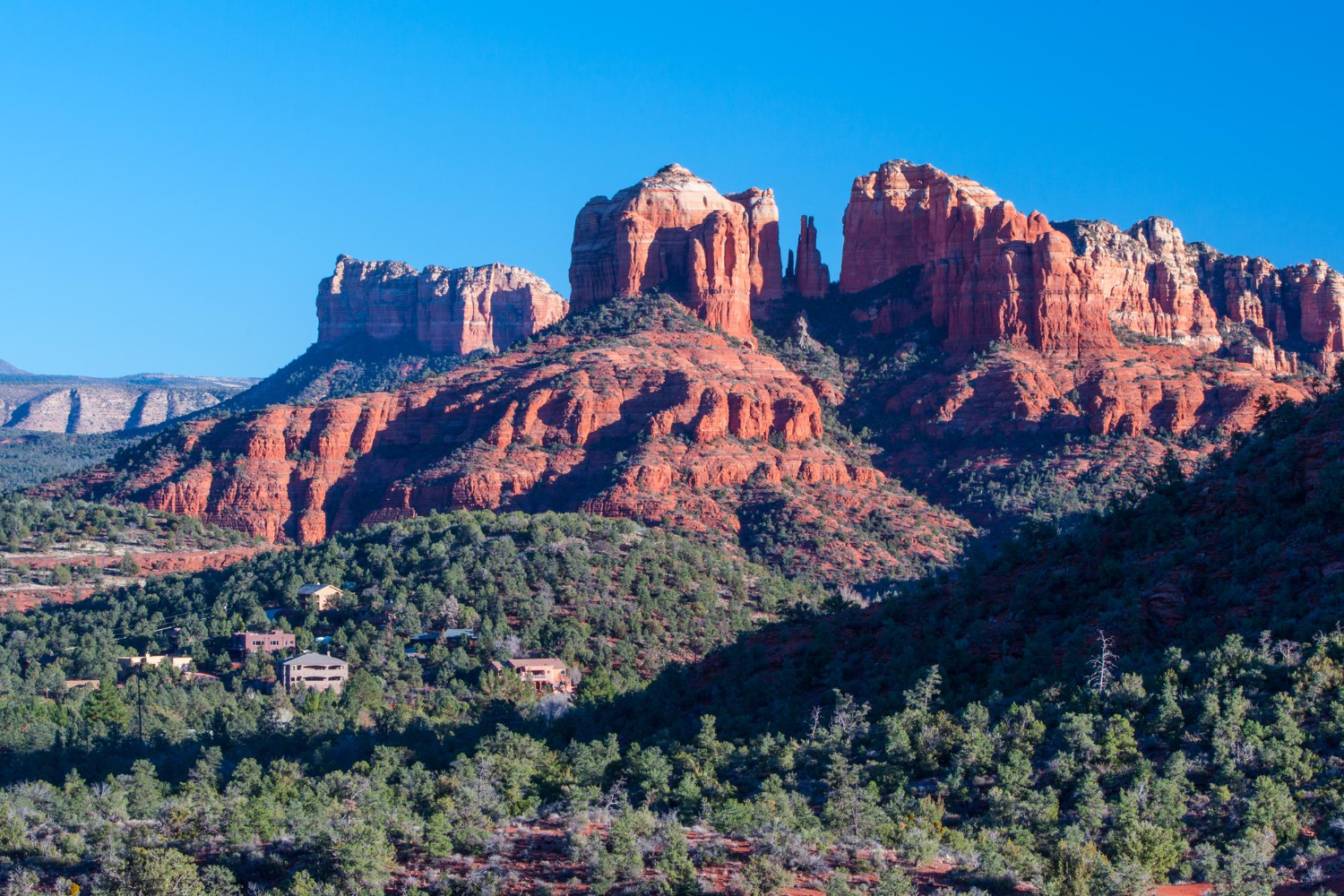
Sedona, Arizona, stands as a beacon for those seeking both profound natural beauty and inner tranquility. This vibrant destination, nestled amidst breathtaking crimson stone, offers an unparalleled blend of outdoor adventure and spiritual solace. Its iconic red rock formations draw visitors from around the globe, eager to explore the diverse landscapes and experience its unique energy.
You will discover a place where every vista is a masterpiece, and every trail leads to discovery. Sedona is more than just a place to visit; it is an experience that rejuvenates the spirit.
Best Hiking Trails in Sedona
Sedona is a hiker’s paradise, boasting over 200 trails covering more than 400 miles of stunning terrain. These Sedona hiking trails cater to all skill levels, from gentle strolls to challenging ascents, making it a premier destination for outdoor adventure.
Key hikes include the famous Cathedral Rock, the popular Soldier Pass, the serene West Fork trail in Oak Creek Canyon, and the spiritual Boynton Canyon. You can also explore Bell Rock and Fay Canyon, offering diverse landscapes and incredible Sedona photography opportunities.
Most of these iconic trails are managed within the Coconino National Forest, a vast landscape that preserves the integrity of Sedona’s geological wonders. This protected area ensures that the pristine beauty and diverse ecosystems remain accessible for future generations of explorers.
Sedona’s Vortex Sites and Spiritual Energy
Beyond its scenic beauty, Sedona Arizona is renowned for its powerful energy vortex sites. These areas of concentrated earth energy are believed to enhance well-being and spiritual connection. Guided hiking tours often incorporate the geology, history, and spirituality of these sites, reinforcing Sedona’s reputation as a spiritual hub. Experience the unique energy at places like Airport Mesa, Bell Rock, and Boynton Canyon, where many visitors report feelings of peace and rejuvenation.
Access and Location of Trailheads
Convenience is key when exploring Sedona’s red rock trails. Most trailheads are remarkably accessible, situated within 10-15 minutes of Sedona town. While some popular spots like Devil’s Bridge and Soldier Pass may require utilizing the Sedona Shuttle or navigating limited parking, the proximity ensures you can easily visit multiple hiking routes in a single day. Planning your trailhead access is simple, allowing you more time to immerse yourself in the desert adventure.
Best Times to Hike in Sedona
Sedona enjoys over 300 days of sunshine annually, making it an ideal year-round destination for hiking. Winter daytime temperatures typically range from 50s-60s°F, while spring and fall offer pleasant 70s°F. These seasons are perfect for extended Sedona vacation hikes. Even during summer, you can enjoy the trails by planning early morning or evening excursions to avoid the midday heat, ensuring a comfortable outdoor adventure.
As the sun dips below the horizon, the adventure continues with Sedona Stargazing Tours. These guided sessions leverage the region’s dark-sky status to reveal a dazzling canopy of constellations and planets, perfect for a peaceful end to your day.
Must-Visit Iconic Trails and Landmarks
Your Sedona itinerary must include the most iconic trails and landmarks. Cathedral Rock offers breathtaking views and is a favorite for Sedona photography. The popular Devil’s Bridge trail leads to a stunning natural sandstone arch, while Boynton Canyon provides a unique blend of spiritual energy and scenic beauty. West Fork, nestled in Oak Creek Canyon, is a lush riparian environment, and Bell Rock offers trails for all hiking skill levels. These spots are essential for experiencing the true essence of Sedona’s red rock country.
For those seeking a hidden gem, the trek to Subway Cave via the Boynton Canyon trail offers a stunning, tunnel-like rock formation. This social-media favorite provides a unique perspective of Sedona’s geological artistry and ancient history.
Trail Difficulty and Length
Sedona’s hiking routes offer a spectrum of challenges. Easy strolls like the Fay Canyon trail (2.4 miles round trip) are perfect for a relaxed desert adventure. Moderate hikes, typically between 4-7 miles, include the picturesque Seven Sacred Pools or the scenic loop around Courthouse Butte. For those seeking strenuous climbs, Bear Mountain (5 miles with a 1900 ft elevation gain) provides a significant challenge with rewarding panoramic views. Be prepared for varying elevation gain, slickrock climbing, and occasional steep sections on your Sedona hiking journey.
For an advanced challenge, Mount Wilson offers the highest point in the Sedona area. This strenuous trek rewards experienced hikers with breathtaking, bird’s-eye views of the entire red rock wilderness.
Why Sedona is a Hiker’s Paradise
Sedona, Arizona, is undeniably a hiker’s paradise, boasting over 200 diverse Sedona hiking trails that span more than 400 miles. These routes wind through rugged canyons, past smooth sandstone formations, and to mystical vortex sites. Whether you are a casual stroller or a seasoned trekker, you will find a path suited to your pace and spirit in this breathtaking Red Rock Country.
The region’s unique geology, marked by its iron oxide-rich red rocks, creates a stunning backdrop for any outdoor adventure. According to the Sedona Chamber of Commerce, hiking consistently ranks among the top activities for the millions of visitors who come here annually, eager to experience the desert adventure and crimson stone.
Best Hiking Trails in Sedona
Sedona offers an incredible array of hiking routes for all skill levels. For an iconic experience, consider Cathedral Rock, known for its challenging ascent and unparalleled panoramic views. Another popular choice is Soldier Pass, which leads to fascinating features like the Devil’s Kitchen sinkhole and the Seven Sacred Pools.
Devil’s Bridge is a must-visit for its natural sandstone arch, though it requires an early start due to its popularity. Other notable trails include West Fork in Oak Creek Canyon, Boynton Canyon for its powerful energy vortex site, Bell Rock, and Fay Canyon, offering a relatively easy walk to a hidden arch.
Sedona’s Vortex Sites and Spiritual Energy
Sedona is globally renowned for its energy vortex sites, areas believed to possess concentrated earth energy that enhances well-being and spiritual connection. Popular vortex sites include Airport Mesa, Boynton Canyon, Cathedral Rock, and Bell Rock. Many Sedona travel guides recommend these locations not just for their scenic beauty but for the unique spiritual solace they offer. Guided hiking tours often incorporate discussions on geology, history, and the spiritual significance of these sites, reinforcing Sedona’s reputation as a spiritual hub.
Access and Location of Trailheads
Many Sedona hiking trails are conveniently located, with most trailheads just 10-15 minutes from the heart of Sedona town. This proximity allows visitors on a Sedona vacation to easily access multiple outdoor adventure spots in a single day. However, popular trailheads like those for Devil’s Bridge and Soldier Pass often have limited parking.
The U.S. Forest Service and the Sedona Shuttle service provide vital trailhead access, making it easier to reach these sought-after red rock trails and ensuring a smooth Sedona travel guide experience. Always check for shuttle availability and parking regulations before heading out.
Best Times to Hike in Sedona
Sedona boasts over 300 days of sunshine annually, making it an ideal destination for year-round Arizona hiking. Winter daytime temperatures typically range from 50s-60s°F (10-15°C), while spring and fall offer pleasant 70s°F (21-26°C) conditions, perfect for exploring the Red Rock Country.
Summer can be hot, with temperatures often exceeding 90°F (32°C), so early mornings or evenings are highly recommended for desert adventure hikes to avoid the intense heat. Always check Sedona weather forecasts before planning your hiking itinerary.
Must-Visit Iconic Trails and Landmarks
Sedona is home to several iconic trails and landmarks that are essential for any Sedona photography enthusiast or outdoor adventurer. Cathedral Rock offers a strenuous climb with incredibly rewarding views, while the natural sandstone arch of Devil’s Bridge is a signature Sedona landmark.
Boynton Canyon is not only beautiful but also one of the most powerful energy vortex sites. Bell Rock and Courthouse Butte provide relatively moderate hiking skill levels with stunning vistas. For a more secluded experience, explore Fay Canyon or Doe Mountain, offering unique perspectives of the crimson stone and hidden canyons of the Verde Valley.
Best Hiking Trails in Sedona
Sedona, Arizona, is a true hiker’s paradise, boasting over 200 diverse Sedona hiking trails that span more than 400 miles. These routes wind through rugged canyons, past smooth sandstone formations, and to mystical vortex sites. Whether you are a casual stroller or a seasoned trekker, you will find a path suited to your pace and spirit in this breathtaking Red Rock Country.
You can choose from iconic trails like Cathedral Rock, Devil’s Bridge, and Soldier Pass. Other highly recommended routes include West Fork, Boynton Canyon, Bell Rock, and Fay Canyon. These trails are the primary attraction for visitors, promising unforgettable desert adventure and stunning Sedona photography opportunities.
Must-Visit Iconic Trails and Landmarks
Certain trails and landmarks in Sedona are simply essential for any visitor. Cathedral Rock, with its majestic spires, is a favorite for both hikers and photographers. The journey to Devil’s Bridge offers a rewarding experience, culminating in panoramic views from a natural sandstone arch.
Boynton Canyon is renowned for its spiritual energy, while the short, accessible trail to Fay Canyon leads to a hidden arch. Bell Rock and Courthouse Butte dominate the landscape, providing numerous hiking routes around their bases. Each of these spots offers photo-worthy panoramic views, ranging from easy loops to strenuous climbs.
Sedona’s Vortex Sites and Spiritual Energy
Sedona is renowned for its vortex sites, areas of concentrated earth energy believed to enhance well-being and spiritual connection. Places like Boynton Canyon and Airport Mesa are particularly famous for their palpable energy. Guided hiking tours often incorporate geology, history, and spirituality, reinforcing Sedona’s reputation as a spiritual hub. Many local hikers tips suggest meditating at these sites for a profound experience.
Access and Location of Trailheads
Most trailheads in Sedona, Arizona, are conveniently located within 10-15 minutes of Sedona town. Popular spots like the Cathedral Rock trailhead or the Soldier Pass trailhead can be easily reached. However, some areas, particularly during peak season, may require the use of the Sedona Shuttle due to limited parking. The proximity of these trailheads makes it easy for you to visit multiple Red rock trails in a single day, maximizing your Sedona vacation experience.
Best Times to Hike in Sedona
Sedona experiences over 300 days of sunshine annually, making it an ideal destination for year-round outdoor adventure. Winter daytime temperatures typically range from the 50s to 60s°F, while spring and fall offer comfortable temperatures in the 70s°F. These seasons are perfect for exploring the Red rock trails and enjoying Sedona photography. During the summer, temperatures can be hot, so early mornings or evenings are recommended for your desert adventure. Always check the Sedona weather before heading out.
Trail Difficulty and Length
Sedona hiking trails cater to all hiking skill levels. You can find easy strolls like the Fay Canyon trail, which is a gentle 2.4-mile round trip leading to a hidden arch. For those seeking more strenuous climbs, trails like Bear Mountain offer a challenging 5-mile round trip with a 1900 ft elevation gain.
Most moderate hikes, such as the popular Devil’s Bridge trail, are typically between 4-7 miles, often featuring steep climbs or slickrock scrambling sections. Always assess your fitness level and prepare accordingly for your Sedona hiking adventure.
Sedona’s Vortex Sites and Spiritual Energy
Sedona, Arizona, is globally recognized for its powerful vortex sites, areas believed to possess concentrated earth energy. Many visitors come to experience the enhanced well-being and spiritual connection these sites are said to offer. These energy vortex sites are often located at breathtaking geological formations, making them perfect for a unique desert adventure.
Guided hiking tours frequently incorporate discussions on geology, history, and spirituality, deepening your understanding of Sedona’s reputation as a spiritual hub. Key vortex sites include Airport Mesa, Boynton Canyon, Bell Rock, and the iconic Cathedral Rock. Exploring these sites adds a unique spiritual dimension to your Sedona vacation, connecting you deeply with the Red Rock Country.
“Sedona’s vortex sites are not just geological wonders; they are places where many feel a profound connection to the earth’s natural energies, offering a unique spiritual dimension to your desert adventure.”
Access and Location of Trailheads in Sedona
Sedona, Arizona, offers incredibly accessible hiking. Most trailheads are conveniently located within 10 to 15 minutes of Sedona town. This makes it easy to explore multiple iconic red rock trails in a single day, maximizing your desert adventure.
However, popular hiking routes, such as those leading to Devil’s Bridge or Soldier Pass, often have limited parking. To manage crowds and protect the delicate red rock country environment, the U.S. Forest Service frequently implements shuttle services like the Sedona Shuttle.
Always check trailhead access information before you go, especially during peak seasons, to ensure a smooth start to your outdoor adventure. This is crucial for planning your Sedona vacation and ensuring you can reach top spots like Cathedral Rock, Boynton Canyon, or Bell Rock without hassle.
Best Times to Hike in Sedona
Sedona, Arizona, offers over 300 days of sunshine annually, making its red rock trails largely favorable for year-round hiking. The ideal seasons for exploring the magnificent desert adventure and Sedona hiking trails are spring and fall, when daytime temperatures typically hover in the comfortable 70s°F. Winter provides cooler conditions, with temperatures usually in the 50s-60s°F, perfect for invigorating outdoor adventure.
However, summer in Sedona can be quite hot, often reaching the mid-90s°F. If your Sedona vacation plans include the warmer months, we highly recommend hiking during the early mornings or late evenings to avoid the intense midday heat. Always check the Sedona weather forecasts before embarking on any of the hiking routes, especially when planning to visit iconic spots like Cathedral Rock or Soldier Pass.
Trail Difficulty and Length in Sedona
Sedona’s hiking skill levels are incredibly varied, ensuring an outdoor adventure for everyone, from casual strollers to seasoned local hikers. With over 200 trails covering more than 400 miles, you’ll find easy strolls, moderate journeys, and strenuous climbs.
For those seeking an accessible desert adventure, consider the 2.4-mile round trip to Fay Canyon Arch. This easy route offers stunning views of natural sandstone arches and is a perfect introduction to Sedona hiking trails, ideal for families or those looking for a relaxing hike.
If you’re looking for a more challenging experience, strenuous summits like Bear Mountain offer a rewarding 5-mile round trip with a significant 1900-foot elevation gain. These more demanding hiking routes provide panoramic views of the red rock country and are a favorite among experienced hikers.
Most moderate hikes, like many sections of the Bell Rock Pathway or Soldier Pass, typically range between 4 to 7 miles. These trails may include specific challenges, such as steep climbs, slickrock climbing sections, or navigating hidden canyons, but the rewards are always magnificent views of the crimson stone and iconic red rock formations. You’ll also encounter fascinating ancient petroglyphs and possibly even a vortex site or two, enhancing your Sedona travel guide experience.
Preparation Tips for Hikers: Navigating Sedona’s Red Rock Country Safely
Proper preparation is paramount for a safe and enjoyable Sedona hiking experience, especially when exploring the diverse Sedona hiking trails. The desert adventure demands respect for its unique conditions.
Always carry plenty of water, particularly during warmer months, as the dry Arizona hiking climate can be intensely dehydrating. For your feet, sturdy hiking boots are essential on the rugged Red rock trails. Dress in layers to adapt to the famously variable Sedona weather conditions, which can shift dramatically from cool mornings to warm afternoons.
Sun protection is non-negotiable in Sedona, Arizona. Pack a wide-brimmed hat, sunglasses, and high-SPF sunscreen to shield yourself from the intense sun. Even on well-marked hiking routes, a reliable map or GPS device is highly recommended to ensure you stay on track and can safely explore hidden canyons or find your way back from a particularly stunning Sedona photography spot. Knowing your hiking skill levels and choosing appropriate trails is also a key part of preparation.
Responsible Hiking and Trail Etiquette in Sedona
To preserve the pristine beauty of Sedona’s Red rock country, practicing responsible hiking and trail etiquette is paramount for all visitors and local hikers. When exploring the vast Sedona hiking trails, always stay on marked paths. This simple act protects delicate desert ecosystems and ancient petroglyphs, ensuring these treasures remain untouched for future generations. Remember to pack out everything you pack in, leaving no trace behind, a core principle for any outdoor adventure.
Be mindful of other hikers enjoying the Red rock trails and maintain a respectful distance from wildlife. The U.S. Forest Service provides clear guidelines to ensure everyone can enjoy the outdoor adventure responsibly. Adhering to these local hikers tips helps maintain the tranquility and natural integrity of Sedona, Arizona, a truly special place for a Sedona vacation.
The beauty of Sedona’s red rocks is a shared treasure. By following proper trail etiquette, we ensure these magnificent landscapes remain vibrant for generations to come, allowing everyone to experience the unique energy of this desert adventure.
Sedona Hiking Trail Comparison
To help you plan your desert adventure, here is a comparison of some popular Sedona hiking trails. With over 200 trails covering more than 400 miles, Sedona offers a diverse range of hiking routes for every skill level, making your Sedona vacation truly memorable.
| Trail Name | Difficulty | Length (Round Trip) | Key Features |
|---|---|---|---|
| Cathedral Rock Trail | Moderate to Strenuous | 1.2 miles | Vortex site, rock scrambling, panoramic views |
| Devil’s Bridge Trail | Moderate | 4.2 miles (from Mescal TH) | Iconic natural arch, popular for Sedona photography |
| Soldier Pass Trail | Moderate | 4.5 miles | Devil’s Kitchen sinkhole, Seven Sacred Pools, ancient petroglyphs |
| Fay Canyon Trail | Easy | 2.4 miles | Hidden natural arch, relatively flat, great for families |
| Bell Rock Pathway | Easy to Moderate | 3.6 miles (loop) | Vortex site, scenic views of Bell Rock and Courthouse Butte |
Best Hiking Trails in Sedona for Every Skill Level
Sedona, Arizona, is a premier destination for outdoor adventure, boasting an impressive network of Sedona hiking trails. From gentle strolls to challenging climbs, the Red rock trails cater to all hiking skill levels. Iconic trails like Cathedral Rock, Devil’s Bridge, Soldier Pass, West Fork, Boynton Canyon, Bell Rock, and Fay Canyon are among the main attractions for visitors to this Red rock country. Each offers a unique perspective on the area’s stunning sandstone formations and crimson stone landscapes.
Sedona’s Vortex Sites and Spiritual Energy
Sedona is world-renowned for its energy vortex sites, areas of concentrated earth energy believed to enhance well-being and spiritual experiences. These powerful locations, including Cathedral Rock, Boynton Canyon, Bell Rock, and Airport Mesa, draw visitors seeking inner peace and rejuvenation.
Guided hiking tours often delve into the geology, history, and profound spirituality associated with these sites, reinforcing Sedona’s reputation as a spiritual hub within the Verde Valley.
Access and Location of Sedona Trailheads
Most Sedona hiking trailheads are conveniently located within a 10-15 minute drive from the town of Sedona, Arizona. While some popular trailheads, such as those for Devil’s Bridge and Soldier Pass, may require the use of the Sedona Shuttle or have limited parking, their proximity makes it easy to explore multiple hiking routes in a single day. Planning your trailhead access in advance is crucial, especially during peak season, to ensure a smooth desert adventure.
Best Times to Hike in Sedona
Sedona enjoys over 300 days of sunshine annually, making it an ideal destination for year-round hiking. Winter daytime temperatures typically range from 50s-60s°F (10-15°C), while spring and fall offer pleasant temperatures in the 70s°F (21-26°C), perfect for exploring the Red rock trails. Summer can be hot, so early mornings or evenings are recommended for hiking, allowing you to enjoy the Red rock country comfortably and capture stunning Sedona photography.
Must-Visit Iconic Trails and Landmarks
When planning your Sedona itinerary, be sure to include the must-visit iconic trails and landmarks that define this region. Cathedral Rock offers a strenuous climb to a powerful vortex site with panoramic views. Devil’s Bridge, a natural sandstone arch, is a favorite for Sedona photography.
Soldier Pass features the Devil’s Kitchen sinkhole and the Seven Sacred Pools, while Boynton Canyon and Bell Rock also provide breathtaking photo opportunities and unique spiritual experiences. These popular trails offer a range of challenges, from easy loops to more strenuous climbs with significant elevation gain.
Trail Difficulty and Length on Sedona Hiking Trails
The Sedona hiking trails offer a spectrum of difficulty and length to suit all preferences. Easy strolls, such as the Fay Canyon Trail, are a manageable 2.4 miles, perfect for a relaxed desert adventure. Moderate hikes often range between 4-7 miles, like the Soldier Pass Trail with its diverse features.
For those seeking a challenge, strenuous summits like Bear Mountain can extend up to 5 miles with a significant 1900 ft elevation gain, often involving slickrock climbing and steep sections. Always check the U.S. Forest Service guidelines for specific trail conditions and hiking skill levels.
Photography Tips for Sedona Trails
Sedona offers endless opportunities for stunning nature photography, especially along its famous Sedona hiking trails. The crimson stone formations glow most vividly during sunrise and sunset, making these the best times for capturing the red rock country. Look for unique angles that highlight the natural sandstone arches and cliff dwellings that are characteristic of Sedona, Arizona.
Experiment with different perspectives, from wide landscape shots of Cathedral Rock or Bell Rock to close-ups of desert flora. Using a polarizing filter can enhance the vibrant colors of the sky and the striking red rock formations, ensuring your Sedona photography stands out. Remember to capture the unique energy vortex sites and the breathtaking views from trails like Soldier Pass or Airport Mesa for your Sedona travel guide.
Beyond the Trails: Additional Activities in Sedona
While the allure of Sedona hiking trails is undeniable, this vibrant destination, nestled in the heart of Red Rock Country, offers a wealth of experiences beyond lacing up your hiking boots. After exploring the iconic sandstone formations and hidden canyons, you’ll find plenty of ways to enrich your Sedona vacation.
Adventure and Scenic Exploration
For a different perspective of the breathtaking crimson stone and the expansive Verde Valley, consider a jeep tour. These rugged desert adventures allow you to navigate challenging terrain and access areas not reachable on foot, providing unique views of Sedona, Arizona. Alternatively, a hot air balloon ride offers an unforgettable bird’s-eye view, showcasing the grandeur of Cathedral Rock, Bell Rock, and Courthouse Butte from above.
Wellness and Spiritual Retreats
Sedona is renowned for its energy vortex sites and its deep connection to spiritual well-being. Many wellness retreats throughout Sedona offer a sanctuary for relaxation and rejuvenation. Indulge in luxurious spa treatments, participate in invigorating yoga sessions, or find your inner peace with guided meditation. These activities are perfect for unwinding and rebalancing after a day traversing the diverse Sedona hiking trails.
Art, Dining, and Local Charm
Beyond outdoor adventure and spiritual solace, Sedona boasts a thriving arts scene. Spend time browsing local art galleries, where you can discover unique works inspired by the surrounding red rock formations. Culinary enthusiasts will appreciate the array of fine dining options available, offering everything from gourmet cuisine to casual fare.
Don’t forget to explore the charming shops in town, where you can find local crafts, souvenirs, and perhaps a memento of your tranquil escape. Sedona truly offers a holistic travel experience, blending natural beauty with cultural richness and opportunities for inner peace.
For a restful stay with panoramic views, the Wildflower Inn provides a charming retreat. This boutique-style lodge is perfectly positioned for hikers, offering a peaceful atmosphere and easy access to nearby trailheads.
Travel Logistics and How to Get There
Reaching Sedona, Arizona, for your red rock adventure is straightforward, making your tranquil escape easily accessible. Sedona is about a two-hour drive north of Phoenix Sky Harbor International Airport (PHX) and less than an hour south of Flagstaff Pulliam Airport (FLG).
Renting a car is highly recommended for exploring the various trailheads and attractions at your own pace, allowing you to fully immerse yourself in the desert adventure and discover hidden canyons.
Many travelers pair their visit with a trip to the Grand Canyon, located just two hours north. This proximity makes Sedona the perfect base for exploring Arizona’s most legendary natural wonders.
Most travelers begin their journey by flying into Phoenix, located just two hours south. This scenic drive from the desert metropolis offers a stunning transition into the high-altitude beauty of the red rocks.
For some popular Sedona hiking trails, like those servicing Cathedral Rock, Soldier Pass, or Airport Mesa, consider utilizing the Sedona Shuttle. This public transport option helps reduce parking stress and supports sustainable tourism, ensuring everyone can enjoy the crimson stone formations and energy vortex sites responsibly. The Sedona Chamber of Commerce provides up-to-date information on shuttle schedules and trailhead access, making your Sedona vacation seamless.
Frequently Asked Questions
Navigating Sedona’s stunning red rock country is an unforgettable desert adventure. To help you plan your tranquil escape, here are answers to some frequently asked questions about Sedona hiking trails and its unique offerings.
What are Sedona’s most famous hiking trails?
Sedona boasts over 200 trails covering more than 400 miles, offering diverse hiking routes for every skill level. Among the most iconic Sedona hiking trails are Cathedral Rock, Devil’s Bridge, Soldier Pass, and Bell Rock. You will find a mix of difficulty levels and stunning views of the red rock formations. Other must-visit trails include West Fork, Boynton Canyon, and Fay Canyon, all offering unique perspectives of Sedona’s natural beauty and ancient petroglyphs.
Is it possible to hike in Sedona year-round?
Yes, Sedona offers over 300 days of sunshine annually, making year-round hiking possible. Spring and fall, with temperatures in the 70s°F, are ideal for exploring the red rock trails. Winter provides cooler temperatures in the 50s-60s°F, perfect for invigorating outdoor adventure. In summer, it’s best to hike early mornings or evenings to avoid the heat, ensuring a comfortable Sedona vacation.
What are Sedona’s vortex sites?
Sedona is renowned for its vortex sites, areas believed to have concentrated earth energy that enhances spiritual well-being. Prominent energy vortex sites include Airport Mesa, Boynton Canyon, Bell Rock, and Cathedral Rock. These locations are often incorporated into guided hiking tours, offering a unique blend of geology, history, and spirituality, solidifying Sedona’s reputation as a spiritual hub within the red rock country.
Do I need a high-clearance four-wheel drive vehicle for Sedona trails?
While many trailheads are easily accessible by standard vehicles, some more remote routes or those with rougher access roads might benefit from a high-clearance four-wheel drive vehicle. For instance, accessing certain parts of Soldier Pass or other less-traveled desert hiking routes may be easier with such a vehicle. Always check specific trailhead conditions and trailhead accessibility before you go, especially if you plan to explore beyond the main Sedona hiking trails.
Where can I find information on Sedona trail etiquette?
To preserve Sedona’s natural beauty and ensure safety, responsible hiking practices are essential. The U.S. Forest Service and the Sedona Chamber of Commerce provide comprehensive information on trail etiquette, Leave No Trace principles, and local hikers tips. These resources are invaluable for understanding everything from proper waste disposal to respecting wildlife and maintaining the integrity of the sandstone formations and hidden canyons.
Leave a Reply