
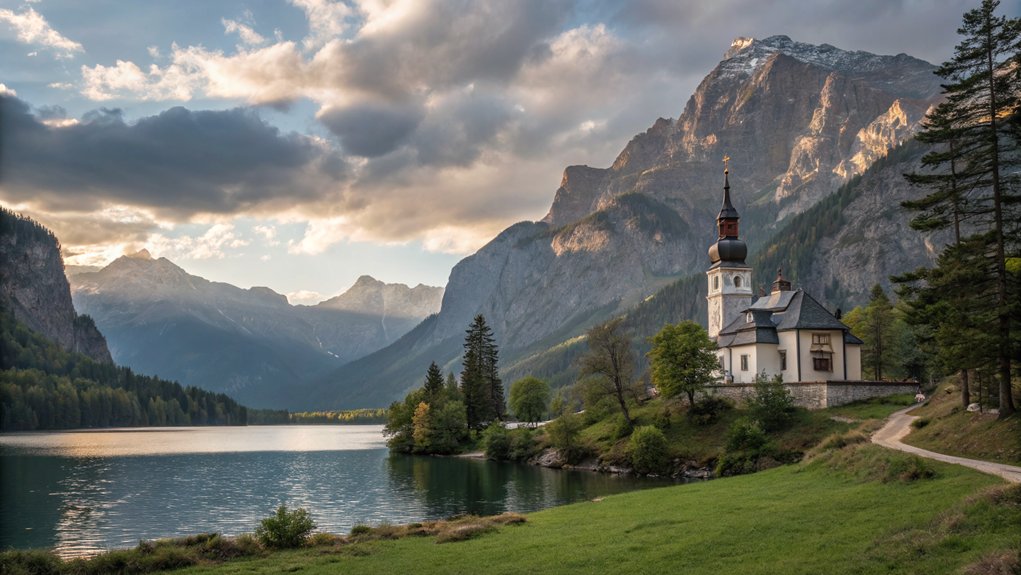
You’re not alone if solo travel makes you anxious. Many face fears of loneliness, safety, or unfamiliar places when journeying solo. Recognizing these feelings can be the first step toward feeling more at ease. By understanding your triggers and applying practical strategies, you can gain control over your experience. Curious about the techniques that can make your travels smoother and more enjoyable? Let’s explore how to navigate these challenges together.
Key Takeaways
- Identify specific triggers of your anxiety, such as fears of loneliness or safety, to manage them effectively during solo travel.
- Utilize mindfulness practices and visualization techniques to ground yourself during stressful moments while traveling alone.
- Plan your itinerary and familiarize yourself with local customs to reduce the fear of the unknown and enhance your travel experience.
- Engage in low-pressure social interactions through group tours or community events to build connections and alleviate feelings of loneliness.
- Maintain a daily routine, incorporating journaling or reading, to provide emotional support and create structure during your solo journey.
Understanding Solo Travel Anxiety
While solo travel can be an exciting adventure, it often stirs up feelings of anxiety related to social interactions, unfamiliar environments, and the struggle of coping alone.
You might experience physical symptoms like a racing heart or shaking, whether you’re a seasoned traveler or new to this experience. Identifying your specific triggers, like fears of loneliness or safety concerns, is key in managing these anxieties.
Consider adopting techniques such as mindfulness practices or visualization to help ground yourself during stressful moments. Journaling can also provide emotional clarity as you process your thoughts.
Identifying Common Fears for Solo Travelers
What fears might pop up when you’re traveling alone? One common worry is the fear of prolonged loneliness; even though solo trips offer chances to meet others, that feeling can still loom.
You might also feel anxious about your safety—planning ahead and sticking to familiar practices is essential. Dining alone can trigger discomfort as well; instead of traditional restaurants, consider exploring street food or local cafes to make meals enjoyable.
Getting lost is another frequent concern, but familiarizing yourself with maps and landmarks can help ease that anxiety. Finally, culture shock can be intimidating. Researching local customs can enhance your respect for new environments, making your change smoother and more enjoyable.
Don’t let these fears stop you from exploring! If you want a confidence boost, consider a destination like Batanes with its welcoming scenery and calm pace.
Distraction Techniques to Alleviate Solo Travel Anxiety
When solo traveling, finding ways to distract yourself can really ease anxiety.
Reading offers an escape into different worlds, while journaling helps clear your mind by putting your thoughts on paper.
Both techniques can make your journey feel more manageable and enjoyable. If you want a practical way to stay grounded, exploring travel tips from experienced nomads can make solo adventures feel less overwhelming.
Reading as an Escape
Voyaging alone can stir up a whirlwind of emotions, but reading offers a sanctuary amidst the chaos. It’s a powerful distraction, allowing you to escape overwhelming thoughts and anxieties.
With a Kindle or similar e-reader, you can carry thousands of books tailored to your mood, making it easy to immerse yourself in any story wherever you are. Research shows that immersive reading experiences greatly reduce anxiety levels, transforming your travel experience.
Journaling for Clarity
While solo traveling can trigger a mix of excitement and anxiety, journaling offers a practical way to find clarity amidst the chaos. By putting your thoughts on paper, you can release anxious feelings and manage overthinking. It serves as a constructive distraction, shifting your focus from negativity to personal reflections and experiences.
Regular journaling not only helps track your emotions but also reveals patterns in your anxiety triggers, enhancing your self-awareness. Studies show that expressive writing reduces stress and fosters emotional well-being, especially in high-pressure situations like traveling.
Keeping a travel journal allows you to practice mindfulness, documenting positive moments that can uplift your mood and help combat loneliness on your journey.
Strategies for Safe and Flexible Travel Planning
Traveling solo can be exhilarating, but it often brings its own set of anxieties, especially when it comes to planning. To ease your mind, consider booking accommodations with free cancellations. This flexibility allows you to adapt your plans without worry.
An extensive itinerary can give you a sense of control, helping you organize routes and transportation. Don’t forget to maintain a financial cushion by budgeting for emergencies, which can alleviate stress related to unexpected costs.
Research transport options and book popular routes in advance to avoid last-minute panic. Finally, prioritize safety by planning for unfamiliar areas just like you’d at home. This preparation can greatly boost your confidence during solo adventures. Solo travelers can also feel more secure by using safety apps for navigation and communication.
Use Technology to Stay Connected
Staying connected while traveling solo is easier than ever with today’s technology. Regular check-ins with family through apps like WhatsApp can give you comfort and reassurance, making you feel less lonely.
Plus, sharing your adventures on social media keeps your loved ones engaged and supportive, no matter the distance.
Daily Check-Ins With Family
Maintaining a connection with family can greatly reduce solo travel anxiety, as regular check-ins provide emotional support and reassurance.
Here are some effective ways to stay connected:
- Use WhatsApp: This free app is perfect for daily messages or calls, helping you maintain that essential emotional connection.
- Schedule Check-Ins: Set specific times for calls or messages, creating a comforting routine that combats homesickness.
- Video Calls: Share experiences in real-time, making you feel closer despite the distance, enhancing those connections.
- Support Network: Staying in touch alleviates feelings of isolation, ensuring you have a supportive network throughout your journey.
Utilize Communication Apps Effectively
When you venture into solo travel, effective use of communication apps can greatly enhance your experience. Apps like WhatsApp let you connect freely with family and friends, providing essential emotional support.
Regular calls or messages reduce feelings of loneliness, making your journey feel less isolating. You can share your experiences and receive real-time feedback, which boosts your confidence in exploring new places.
Group chats foster a sense of community, allowing you to keep friends and family engaged with your travel plans and updates. Ultimately, communication apps help maintain your relationships across distances, ensuring you feel connected and supported, no matter how far you’re from home.
Share Travel Experiences Online
How do you keep the thrill of solo travel alive while staying connected to loved ones? Sharing your travel experiences online can boost your connection to family and friends, reducing feelings of loneliness.
Here are some effective ways to stay engaged:
- Use Social Media: Post real-time updates to foster interaction and support.
- Messenger Apps: Utilize apps like WhatsApp for instant communication to share concerns and receive reassurance.
- Join Online Communities: Engage with travel groups to share tips and experiences, building a supportive network.
- Document Your Journey: Create a blog or vlog, preserving memories and inviting feedback to feel connected.
Mindfulness Practices to Ground Yourself
Although solo travel can spark feelings of anxiety, incorporating mindfulness practices can help ground you and enhance your experiences. Techniques like meditation and deep breathing exercises can calm your mind and bring your focus to the present moment.
Visualization can also be powerful; imagine peaceful scenarios to shift your mindset from anxiety to excitement. Keeping a travel journal allows you to express anxious thoughts and reflect on your experiences, grounding you in the now.
Regularly practicing mindful walking or observing your surroundings helps connect you to your environment, reducing feelings of loneliness. Establishing daily mindfulness routines, like gratitude exercises, provides structure and emotional stability, ensuring you make the most of your solo adventures.
For travelers looking for extra support, Legal Nomads offers thoughtful resources on travel, wellness, and coping with chronic challenges.
Building Social Connections and Resilience
Embracing solo travel is an opportunity to not only explore new places but also to foster meaningful connections with others. Building social connections enhances your resilience and helps combat feelings of loneliness.
Here are some effective ways to connect:
- Join group tours or classes—like pizza-making in Naples—to engage in low-pressure social interaction.
- Utilize communication apps such as WhatsApp to stay in touch with family and friends, providing emotional support.
- Participate in community events—local festivals or markets—to immerse yourself in culture and meet new people.
- Acknowledge fellow travelers are also seeking connection; this understanding encourages openness and reduces self-consciousness.
Austria’s local festivals can also create easy opportunities to share experiences and meet others while traveling.
How to Create a Comfort Routine on Your Trip
Travel can be exhilarating, but it often comes with its share of unpredictability, which is why creating a comfort routine is essential.
Start by establishing a daily routine that includes simple activities like enjoying your morning coffee or taking an afternoon walk. These familiar actions provide much-needed structure.
Bring along comforting items from home, such as your favorite pillowcase or personal mementos, to ease anxiety. Schedule dedicated “me time” for activities like journaling or reading, helping you ground yourself during stressful moments.
Incorporate mindfulness practices, like deep breathing or visualization, to manage anxiety and foster calm.
Finally, remember to plan downtime into your itinerary, allowing yourself time to rest and recharge, so you don’t feel overwhelmed.
Overcoming Fear and Embracing the Journey
Stepping out of your comfort zone can be intimidating, but overcoming fear is the first step toward enjoying the rewarding adventure of solo travel.
To embrace the journey, consider these strategies:
- Engage with Others: Join group tours to connect with fellow travelers and alleviate feelings of loneliness.
- Practice Mindfulness: Use positive visualization and breathing exercises to calm your mind and reduce anxiety.
- Stay Flexible: Create a loose itinerary that allows for spontaneous exploration, making your experience more enjoyable.
- Research Ahead: Familiarize yourself with destinations to empower your journey, enhance confidence, and minimize fear of the unknown.
For a more relaxing experience, places like Punta Cana offer world-class beaches, water activities, and plenty of all-inclusive options.
Frequently Asked Questions
How to Get Over the Anxiety of Travelling Alone?
To get over the anxiety of traveling alone, you should prepare thoroughly, engage in distractions like journaling, join group tours, practice breathing exercises, and establish a daily routine to create comfort and familiarity.
How to Feel More Comfortable Traveling Alone?
To feel more comfortable traveling alone, create a routine, use distraction techniques like reading, and stay connected with loved ones. Practice breathing exercises, and prepare for challenges with reliable travel insurance to ease your mind.
Why Do I Feel Overwhelmed When Solo Traveling?
You feel overwhelmed when solo traveling because new environments, potential loneliness, and cultural differences heighten your anxieties. Lack of familiarity can trigger self-consciousness, leading to an increased sense of pressure and discomfort in social situations.
What Is the Riskiest Country for Solo Travel?
The riskiest country for solo travel is Venezuela, primarily due to high crime rates and political instability. If you’re considering traveling there, staying informed and prioritizing safety is essential for a better experience.
Leave a Reply