
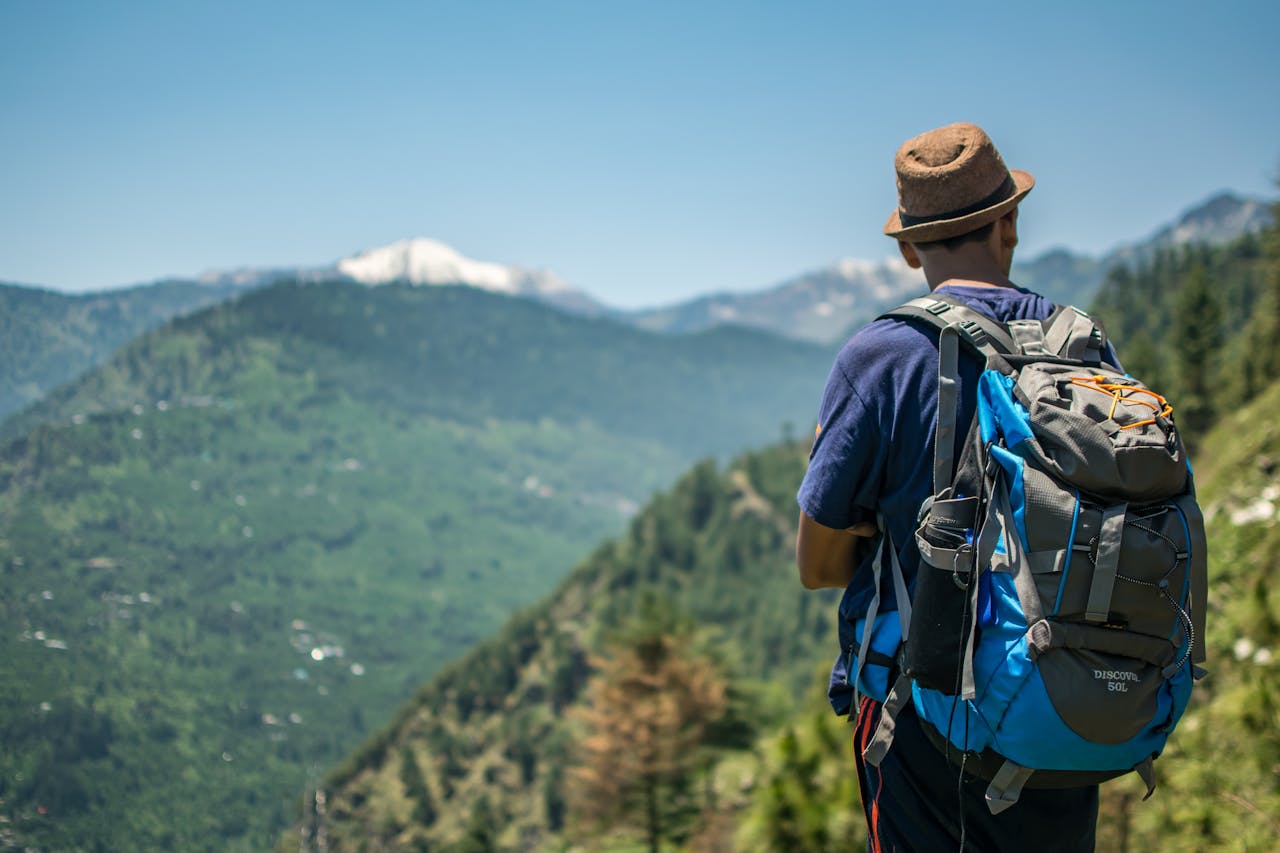
When you’re planning a solo travel adventure, packing smart is vital for a comfortable experience. You’ll need to contemplate essential gear that balances weight and functionality. From the right backpack to reliable cooking equipment, every choice matters. Planning your packing list can make or break your trip. As you gear up for your journey, think about what truly qualifies as essential. Are you ready to explore what you need to make your solo travel safe and enjoyable?
Key Takeaways
- Select a comfortable backpack weighing no more than one-third of your body weight for effective packing and ease of transport.
- Choose a capacity between 40-70 liters, ensuring sufficient space for essentials without unnecessary bulk.
- Pack lightweight cooking gear, such as a JetBoil Stash stove and versatile utensils for convenient meal preparation on the go.
- Prepare a variety of nutritionally balanced dehydrated meals, prioritizing lightweight options for efficient packing and energy sustenance.
- Include essential safety items, such as a first aid kit, emergency contact information, and a fully charged mobile phone for communication.
Discovering the Benefits of Solo Travel Backpacking
When you begin a solo travel backpacking adventure, you gain unparalleled freedom to explore at your own pace, unfettered by the schedules of others.
This journey allows for personal reflection, enabling you to connect deeply with nature while engaging in meaningful introspection.
As you navigate new environments independently, you’ll cultivate self-reliance and boost your confidence by tackling challenges. Each obstacle becomes an opportunity to discover your capabilities, reinforcing personal strengths and fostering a sense of empowerment.
When approached responsibly—with thorough trip preparation, proper gear selection, and risk management—solo backpacking enhances safety, making your adventures even more fulfilling.
Embrace the autonomy, and enjoy the personal growth that comes with each step of your solo journey.
Exploring local life and community-focused neighborhoods can make solo backpacking feel richer and more connected to the places you visit.
Essential Gear Checklist for Successful Solo Backpacking
To guarantee a successful solo backpacking trip, it’s vital to pack the right gear tailored to your adventure. Here’s a checklist to make sure you have everything you need:
| Gear Item | Purpose | Notes |
|---|---|---|
| Comfortable Backpack | Support and mobility | Weighs no more than one-third your weight |
| Three-Season Tent | Shelter and comfort | Ideal for beginners |
| Insulated Sleeping Pad | Warmth and comfort | Crucial for a good night’s sleep |
| Lightweight Stove System | Cooking meals | Prevents food fatigue, secure food properly |
| Water Filtration System | Safe hydration | Carry a dirty water container |
Packing smart not only enhances your experience but also keeps you safe and comfortable while exploring the great outdoors.
Choosing the Right Backpack for Your Adventure
When choosing a backpack for your adventure, fit and comfort should be your top priorities.
Make sure to contemplate the size, capacity, and weight to keep your travels manageable and enjoyable.
Don’t forget to look for essential features that cater to your specific needs as a solo traveler.
Backpack Fit and Comfort
Choosing the right backpack is essential for a comfortable and enjoyable adventure. Make sure it fits your torso length rather than just your height; this will greatly improve your comfort level.
Ideally, your backpack shouldn’t weigh more than one-third of your body weight to prevent strain while hiking. Look for adjustable straps, hip belts, and a padded back, especially if you’re planning long trips. These features will enhance your overall experience.
When considering capacity, aim for a backpack between 40-70 liters for multi-day excursions, ensuring you have enough room for essentials without excess weight.
Don’t hesitate to seek professional fitting assistance at outdoor retailers; they can help you find a backpack that meets your specific needs and body type.
Capacity and Weight Considerations
Finding the perfect balance between capacity and weight can make or break your solo travel experience. When choosing your backpack, consider these key points:
- Size Matters: Choose a backpack that fits your torso length, not just your height, for a comfortable fit.
- Weight Guidelines: Aim to carry no more than one-third of your body weight to maintain balance and reduce strain.
- Capacity Choices: Backpacks usually range from 30L to 70L; 50L is ideal for weekend trips, while longer excursions may require a larger capacity.
With these considerations, you can select a backpack that enhances your adventure, allowing you to travel light without sacrificing essentials.
Essential Features to Include
Several essential features can elevate your backpacking experience and make your adventures more enjoyable. When you choose a backpack, consider the following:
| Feature | Importance | Recommendation |
|---|---|---|
| Torso Length Fit | Guarantees comfort and reduces strain | Measure your torso and select accordingly |
| Capacity (40-70 liters) | Matches the duration of your trip | Choose based on your trip length |
| Adjustable Straps & Hip Belt | Distributes weight, reducing fatigue | Look for backpacks with these features |
| Lightweight Materials | Enhances usability on the trail | Opt for durable, lightweight options |
| Hydration Reservoir Pockets | Keeps you hydrated on the go | Confirm there’s space for a reservoir |
With these features, you’ll find a backpack that fits your needs and enhances your travels.
Selecting a Shelter: Tent or Alternatives?
What makes a shelter the right choice for your solo backpacking adventure? When you’re out in the wild, selecting a reliable and safe shelter is essential. An enclosed system, like a tent, offers protection from the elements and enhances your comfort.
Here are some key factors to take into account:
- Weight and Size: Make sure your tent suits your torso length and keep it under 1/3 of your body weight for easy carrying.
- Wall Type: Opt for a double wall tent if you’re a beginner; it provides better insulation and condensation protection.
- Seasonality: A three-season tent works for most trips, while a four-season option is best for extreme weather conditions.
Budget wisely, as lightweight tents can be pricier, but they’re worth the investment for safety and comfort.
Essential Sleeping Gear and Tips for Backpacking
While you might focus on packing the essentials for your hike, guaranteeing you have the right sleeping gear is just as important for a successful solo backpacking trip.
A solid sleep system consists of an insulated sleeping pad, and a sleeping bag or quilt designed to trap body warmth. Look for a three-season sleeping bag for versatility, or a four-season bag for extreme cold.
Choose a lightweight, compact sleeping pad with a minimum R-value of 2.0 for three-season camping. Consider your personal sleeping preferences, as these will guide your choices.
Finally, practice setting up your sleep system before your trip to guarantee familiarity, allowing for a restful night under the stars.
Happy backpacking!
Cooking Gear and Meal Prep Tips for Solo Backpacking
When you’re solo backpacking, having the right cooking gear can make all the difference in your meal prep.
A simple checklist of essential tools and effective meal planning strategies will streamline your cooking process.
Plus, quick preparation techniques can guarantee you enjoy tasty, nourishing meals even in the great outdoors.
Essential Cooking Gear Checklist
Starting a solo backpacking adventure calls for efficient cooking gear that balances portability and functionality. Your cooking essentials should be lightweight but practical to streamline your experience.
Here’s a checklist to evaluate:
- Lightweight stove: Opt for a stove like the JetBoil Stash for easy cooking without the weight.
- Pot or pan: This serves both preparation and eating needs, cutting down on extra gear.
- Food storage solution: A good option is an Ursack or a bear canister to keep your food safe from wildlife.
Don’t forget to pack a food cozy or insulated pouch to speed up meal rehydration.
With this gear, you can focus on enjoying the great outdoors while ensuring you’re prepared for every meal.
Meal Planning Strategies
Packing the right cooking gear streamlines your meal planning for solo backpacking. Opt for lightweight options like a JetBoil Stash stove, which makes cooking a breeze.
To speed up meal rehydration, consider a food cozy or insulated pouch when using dehydrated meals. Secure your food with an Ursack or a hard-sided bear canister to deter wildlife encounters.
Preparing a variety of nutritionally balanced, home-cooked dehydrated meals in advance prevents food fatigue. Always include a durable pot, utensils, and a reliable water filtration system in your cooking kit.
This guarantees you have convenient access to fresh water for both cooking and hydration throughout your trip. With these tips, you’ll enjoy delicious meals on the trail.
Quick Preparation Techniques
Efficient meal preparation is key to enjoying your solo backpacking adventure. Start by picking a lightweight stove, like the JetBoil Stash. It simplifies cooking and keeps you moving efficiently.
Pack a food cozy or insulated pouch to boost rehydration and minimize downtime.
Here are some essential tips:
- Bring a variety of home-cooked meals to combat food fatigue and add comfort.
- Store food securely in an Ursack or hard-sided bear canister to keep it fresh and safe from wildlife.
- Practice setting up and using your cooking gear at home to guarantee efficiency in the field.
Why Your Water Filtration System Matters
Why does your water filtration system matter so much on a solo backpacking trip? A reliable filtration system guarantees you have safe drinking water, protecting you from waterborne illnesses that can arise from untreated natural sources.
Portable water filters can eliminate 99.99% of harmful bacteria and protozoa, safeguarding you from gastrointestinal issues. Additionally, water purification tablets are a great backup method, neutralizing viruses and bacteria when filtering isn’t feasible.
Carrying a lightweight filtration system is key, allowing you to hydrate efficiently without the burden of hauling all your water from the start. Dehydration is a serious risk, so planning your route near reliable water sources and readying your filtration options is critical for a successful solo adventure.
What You Should Pack in Your Poop Kit?
When nature calls during your solo backpacking trip, being prepared with a poop kit can save you from uncomfortable situations. Here’s what you should include to guarantee you’re ready for the call of the wild:
- Ultralight trowel: Use it to dig catholes and uphold sanitation practices in the wilderness.
- Kula Cloth: This reusable antimicrobial cloth will keep you hygienic after your business.
- PortaWipes: These handy wipes serve as an eco-friendly substitute for toilet paper and can be easily packed out.
Additionally, don’t forget powdered soap and hand sanitizer to maintain cleanliness.
A lightweight bag for used supplies guarantees you stick to Leave No Trace principles, leaving the campsite just as you found it.
Happy trails!
Master the Layered Clothing System for Varying Weather
Mastering the layered clothing system is essential to staying comfortable and protected while solo backpacking, especially as weather conditions shift throughout your journey.
Start with a moisture-wicking base layer made of synthetic fabrics or merino wool to keep sweat away from your skin. This helps you stay dry during physical activities.
Next, add an insulating mid-layer, ideally fleece or down, to trap warmth without adding bulk, allowing for easy movement.
Finally, a water-resistant or waterproof outer layer, like a rain jacket or windbreaker, shields you from wind and precipitation while permitting breathability.
Don’t forget to pack extra socks and underwear to enhance comfort and hygiene during multi-day trips, ensuring you’re prepared for whatever the elements throw your way.
Improve Stability With Trekking Poles
Trekking poles can greatly enhance your balance on trails, giving you that extra support when traversing uneven terrain.
By using them, you not only reduce the risk of injury but also make your hikes more efficient across various landscapes.
With adjustable features, these poles adapt to your height and the challenges of different surfaces, ensuring you stay steady no matter where your adventure takes you.
For solo travelers, they pair well with The Narrows and other rugged routes where extra stability can make a big difference.
Enhanced Balance On Trails
Utilizing trekking poles can greatly enhance your stability on trails, especially when traversing rocky or uneven terrain. They provide extra points of contact, helping you maintain balance.
Here are some key benefits of using trekking poles:
- Improved comfort: They distribute weight evenly, allowing you to hike longer without fatigue.
- Versatile support: They’re invaluable during water crossings or maneuvering through snowfields, giving you the extra grip needed in slippery conditions.
- Adjustable height: Most trekking poles are customizable, so you can adjust them to your preferred height for optimum performance across various terrains.
With these advantages, you’ll feel more confident tackling challenging trails, making your solo travel experience not just adventurous but also enjoyable and safer.
Injury Prevention Benefits
When you’re traversing uneven trails, the right gear can make all the difference in keeping you safe and injury-free. Trekking poles offer extra points of contact with the ground, enhancing your stability and reducing the risk of falls. They can diminish impact on your knees and ankles by up to 25%, especially on steep descents, promoting joint health. Plus, they provide support during water crossings and snowfields, minimizing slip hazards.
| Benefits | Details |
|---|---|
| Enhanced Stability | Additional ground contact reduces fall risk. |
| Joint Protection | Less impact on knees and ankles during descents. |
| Slip Prevention | Extra support during tricky crossings and snowfields. |
| Improved Efficiency | Cover longer distances with less fatigue. |
| Adjustable Height | Tailor poles for terrain, aiding posture and form. |
Versatility In Terrain Types
Exploring various terrains can be easier and safer with the right tools. Trekking poles are essential for solo travelers looking to improve stability and tackle different hiking conditions. By providing an extra point of contact, they help you stay balanced and reduce joint impact, especially when descending steep trails or maneuvering around tricky obstacles.
Here are some key benefits of using trekking poles:
- Enhance stability in rocky or uneven terrain.
- Reduce knee strain during descents, preventing injuries.
- Improve balance in water crossings and snowy paths.
Adjustable poles cater to your height and the specific terrain type, making them versatile for various adventures. Incorporating trekking poles into your packing list could make your hikes more enjoyable and safe.
Solo Backpacking: The 10 Essentials to Carry
Solo backpacking is an exhilarating experience, but to make the most of it, you need to have the right gear. First, pack navigation tools like a map and compass to keep from getting lost.
Next, don’t forget reliable illumination equipment, such as a headlamp, for those after-dark adventures. A sturdy shelter, like a tent or tarp, is essential for protection against the elements and provides a safe resting space.
Also, bring extra clothing to adapt to changing weather and additional food and water to maintain your energy on the trail.
These ten essentials guarantee you’re prepared for whatever challenges arise, giving you the confidence to explore the great outdoors solo. AI adaptation is increasingly shaping how travel businesses and travelers plan for changing conditions.
Happy backpacking!
Top Safety Tips to Make the Most of Your Solo Adventure
While you begin your solo adventure, prioritizing safety is essential for an enjoyable experience. Here are some key tips to keep in mind:
- Share your trip itinerary with a trusted friend or family member, including your route and expected return time.
- Carry a fully charged mobile phone with offline maps for navigation in areas with poor reception.
- Keep emergency contact numbers written down and saved on your phone for quick access.
Familiarize yourself with local emergency numbers and locate nearby medical facilities along your route.
Always stay aware of your surroundings and trust your instincts—if something feels off, seek help or remove yourself from the situation. Staying prepared can make all the difference in your solo journey.
With always-on protection and safety tools, rides can add an extra layer of confidence when you need reliable transportation.
Frequently Asked Questions
How Can I Prevent Overpacking for My Solo Trip?
To prevent overpacking for your solo trip, create a packing list, choose versatile clothing, limit shoes, and pack only essentials. Remember, less is more; you’ll appreciate the freedom of traveling light.
What Should I Do About Laundry While Backpacking Solo?
You should plan to do laundry every week or so. Look for laundromats or washing services in your itinerary. Bring a small bag for dirty clothes, and consider quick-dry fabrics to minimize washing time.
How Do I Stay Connected With Family During My Travels?
To stay connected with family during your travels, use messaging apps, video calls, or social media. Schedule regular check-ins, share photos, and update them on your adventures to keep those bonds strong while you’re away.
What Are the Best Ways to Document My Solo Adventures?
You can document your solo adventures through journaling, taking photos, and recording videos. Share updates on social media, create a travel blog, or even use apps to capture your experiences in real-time. Enjoy reflecting!
How Can I Find Travel Partners or Local Meetups Along the Way?
You can find travel partners by joining online groups, using social media platforms, or attending local meetups. Apps like Meetup or Couchsurfing connect you with like-minded adventurers enthusiastic to explore together.
Leave a Reply