
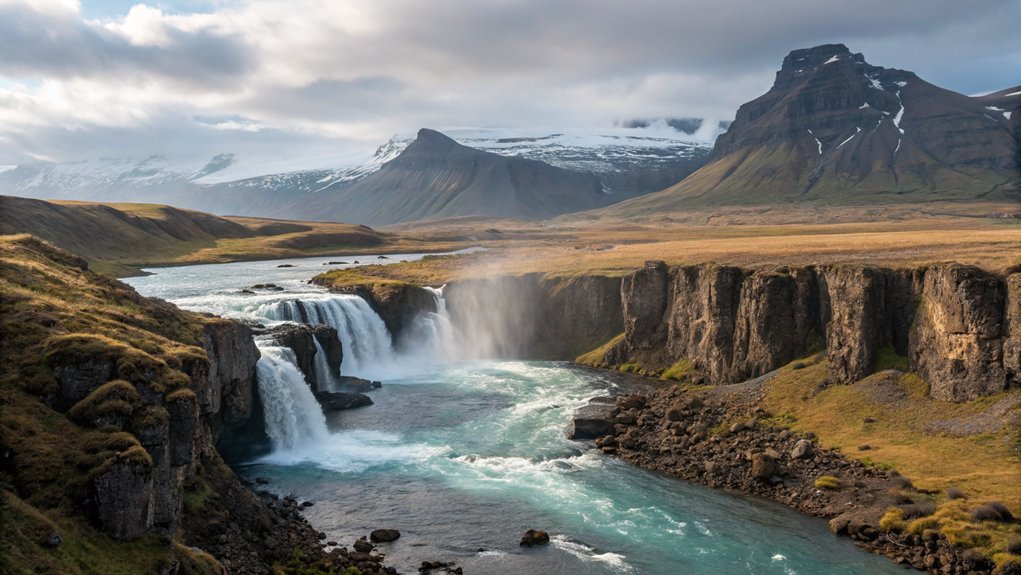
When you think of Iceland, images of cascading waterfalls and towering glaciers come to mind. As a solo traveler, you’ll find these natural wonders inviting and awe-inspiring. From the roar of Gullfoss to the tranquility of Jökulsárlón, each site offers a unique experience. You’ll need to prepare for unpredictable weather and choose your hiking paths wisely, but what awaits you is a connection with nature that’s hard to find elsewhere. Are you ready to explore?
Key Takeaways
- Iceland’s waterfalls, like Gullfoss and Skógafoss, provide stunning solo exploration opportunities with unique views and experiences.
- Jökulsárlón Glacier Lagoon and Diamond Beach offer breathtaking sights and excellent photography chances for solo travelers in Iceland.
- The Laugavegur and Fimmvörðuháls trails cater to experienced hikers, showcasing extraordinary landscapes and natural beauty.
- Safety is enhanced by checking weather and road conditions, while joining group tours can provide a sense of community.
- Packing essentials, such as waterproof gear and thermal layers, is crucial for navigating Iceland’s unpredictable weather safely.
The Allure of Waterfalls in Iceland’s Landscape
As you explore Iceland, you’ll quickly discover that its stunning waterfalls are among the country’s most enchanting natural features.
From the iconic Gullfoss, which plunges 32 meters in two impressive tiers, to the breathtaking Seljalandsfoss, where you can walk behind a 60-meter drop, you’re in for a treat.
Skógafoss, one of the largest at 60 meters high and 25 meters wide, often gifts visitors with rainbows on sunny days, thanks to the mist.
Don’t miss Goðafoss, the Waterfall of the Gods, steeped in history as it relates to Iceland’s conversion to Christianity.
With over 1,000 waterfalls, each different in size and character, Iceland’s landscape will captivate you, leaving unforgettable memories and plenty of stunning photos to cherish.
Must-Visit Glaciers and Their Unique Features
When you explore Iceland’s glaciers, don’t miss the breathtaking Jökulsárlón Glacier Lagoon, where vibrant blue icebergs float serenely.
You’ll also want to check out Svartifoss, famous for its stunning basalt columns that frame the picturesque waterfall.
Each of these spots offers a unique spectacle that perfectly captures Iceland’s dramatic landscape.
Jökulsárlón Glacier Lagoon Experience
If you’re seeking breathtaking natural beauty during your solo travels, the Jökulsárlón Glacier Lagoon is a must-visit destination.
This stunning lagoon, covering about 18 square kilometers, is famous for its vibrant blue icebergs calving from the Breiðamerkurjökull glacier. As you explore, you’ll witness these majestic icebergs drifting toward the open sea, offering unique views that change daily.
Keep an eye out for seals basking on the ice and swimming in the lagoon—they add a delightful touch to the experience.
Don’t miss Diamond Beach nearby, where ice fragments glisten against the black sand, creating a mesmerizing contrast.
With its dramatic landscapes, Jökulsárlón serves not just as a natural wonder, but as a popular filming location as well.
Svartifoss Basalt Column Beauty
Nestled in Vatnajökull National Park, Svartifoss showcases nature’s architectural marvels with its striking hexagonal basalt columns. This breathtaking waterfall plunges about 20 meters (66 feet) into a dark basin, accentuating the stark contrast between the rushing white water and the deep black rock formations. The name Svartifoss translates to “Black Falls,” reflecting the unique volcanic landscape surrounding it. Accessible via a scenic hiking trail, the journey to the falls offers picturesque views, rewarding your efforts as a solo traveler.
| Feature | Description | Importance |
|---|---|---|
| Hexagonal Columns | Striking geometric formations | Stunning photo opportunities |
| Waterfall Height | 20 meters (66 feet) | Dramatic visual impact |
| Hike Accessibility | Well-maintained trails | Easy access for all travelers |
Top Hiking Trails in Iceland
When hiking in Iceland, you’ll find a variety of trails suited for all skill levels, from the easy stroll to Svartifoss to the challenging Laugavegur Trail.
Each trail offers unique scenery and experiences, making it essential to choose the right one for your ability and interests.
Plus, the best seasons for hiking can enhance your adventure, so let’s explore the top destinations together.
Popular Hiking Destinations
Wondering where to find Iceland’s most breathtaking hiking trails? Start with the Laugavegur Trail, a stunning 55-kilometer path connecting Landmannalaugar to Þórsmörk, complete with hot springs and colorful mountains.
If you’re seeking something challenging, the Fimmvörðuháls Trail runs 25 kilometers between Skógafoss and Þórsmörk, showcasing volcanic landscapes and beautiful waterfalls.
For a shorter adventure, the Glymur Waterfall Hike is a 4-hour round trip to Iceland’s second-highest waterfall, offering spectacular canyon views.
Don’t miss the diverse trails in Skaftafell National Park, particularly the route to Svartifoss with its unique basalt columns.
Finally, relax in the naturally heated waters after a 3-kilometer hike to the Reykjadalur Hot Springs, surrounded by stunning geothermal scenery.
Trail Difficulty Levels
How do you choose the right hiking trail in Iceland given the variety of difficulty levels? Start by evaluating your experience and fitness.
The Laugavegur Trail offers a challenging multi-day trek through glaciers and hot springs, perfect for seasoned adventurers.
If you’re looking for something steep with stunning views, the Fimmvörðuháls Trail between Skógafoss and Þórsmörk is a great choice for experienced hikers.
For a more moderate experience, the Svartifoss Trail in Vatnajökull National Park leads you to a breathtaking waterfall framed by basalt columns.
Families may enjoy the gentle paths of Gjáin Valley, showcasing waterfalls and lush vegetation.
Finally, Þingvellir National Park allows all levels to explore its unique ecosystems and geological wonders.
Best Seasons For Hiking
If you’re planning a hiking adventure in Iceland, the best times to hit the trails are during the summer and fall months. From June to August, you’ll enjoy milder temperatures and incredibly long daylight hours, giving you ample time to explore stunning routes.
In fall, from September to October, the vibrant autumn colors create a picturesque backdrop, and with fewer crowds, it’s a great opportunity for tranquil hikes.
Don’t miss Þingvellir National Park for its diverse trails and unique geological features, like walking between tectonic plates. Vatnajökull National Park is also a must, leading to the breathtaking Svartifoss, known for its striking basalt columns.
Just remember, winter hiking is beautiful but requires more planning due to icy trails.
Essential Tips for Solo Travel in Iceland
While planning your solo adventure in Iceland, consider the unique blend of safety and stunning landscapes that make this destination so appealing. With low crime rates and friendly locals, you can confidently explore iconic sites like Gullfoss and Skógafoss waterfalls. Don’t miss the breathtaking Vatnajökull National Park, where adventure awaits.
| Tip | Benefit | Why It Matters |
|---|---|---|
| Use local transport | Flexibility in itinerary | Explore at your own pace |
| Join group tours | Enhanced safety | Navigate key attractions easily |
| Experience the Golden Circle | Diverse attractions | Enrich your travel experience |
Keep these tips in mind, and you’ll have a memorable and thrilling solo journey!
Discover Iceland’s Hot Springs
When you visit Iceland, you’ll discover that its hot springs offer a unique way to relax and connect with nature.
With numerous geothermal hotspots scattered across the country, you’ve got plenty of options to choose from. Here are a few must-visit locations:
- Blue Lagoon: Famous for its mineral-rich waters that promise rejuvenation.
- Secret Lagoon: An uncommercialized gem in Flúðir, surrounded by stunning landscapes.
- Reykjadalur Valley: A scenic hike leads you to natural hot springs in a picturesque river.
- Landmannalaugar: Nestled among colorful rhyolite mountains, it’s a prime stop for hikers on the Laugavegur Trail.
Soaking in these springs isn’t just about relaxation; it’s a cultural experience essential to Icelanders’ lifestyle.
Essential Gear for Hiking and Nature Exploration
After a rejuvenating soak in one of Iceland’s famous hot springs, you’ll want to hit the trails and explore the island’s stunning landscapes.
To fully enjoy your adventure, wear sturdy, waterproof hiking boots that provide grip and support on rugged terrain. Don’t forget to pack thermal layers; Iceland’s unpredictable weather can shift dramatically throughout the day.
A reliable, waterproof backpack is essential to keep your gear dry, especially around waterfalls or during rain showers. Bring a portable charger to keep your devices powered for capturing breathtaking views and charting trails.
Finally, carry a first-aid kit containing band-aids, antiseptic wipes, and personal medications to address minor injuries while hiking in remote areas.
Happy exploring! Yellowstone’s geothermal features are a reminder of how powerful and dynamic nature can be.
Safety Tips for Solo Travelers in Iceland’s Wilderness
Exploring Iceland’s breathtaking wilderness can be thrilling, but safety should always be your top priority. To guarantee a safe adventure, keep these tips in mind:
- Always check weather conditions and road status on vedur.is and road.is before heading out.
- Carry a charged mobile phone and know the emergency number (112) for assistance in remote areas.
- Dress in layers and wear sturdy hiking boots for comfort and protection against unpredictable weather.
- Stay on marked paths and trails to safeguard yourself and the delicate ecosystems.
Consider joining small-group tours; they offer safety in numbers and a chance to connect with fellow travelers while discovering Iceland’s stunning landscapes.
Stay vigilant, and you’ll have an unforgettable solo adventure!
Unique Cultural Experiences in Iceland
Iceland invites you to immerse yourself in its unique cultural experiences that reflect its rich Norse heritage and vibrant contemporary scene.
Explore the National Museum of Iceland, where artifacts transport you back to the Viking age, revealing how society evolved through the centuries. As you wander through Reykjavik, you’ll discover lively street art and contemporary museums that celebrate modern artistic expressions.
Don’t miss the chance to taste traditional Icelandic cuisine—try skyr, hákarl, and lamb to understand local agricultural practices. Engage with the culture by visiting a geothermal bakery or attending the annual Iceland Airwaves music festival.
Each experience connects you deeper to this remarkable land, showcasing both its traditional roots and dynamic present.
Planning Your Ideal Waterfall and Glacier Itinerary
Experiencing Iceland’s rich culture sets the stage for an unforgettable adventure among its breathtaking natural wonders.
To make the most of your waterfall and glacier itinerary, follow these tips:
- Prioritize iconic waterfalls like Gullfoss, Seljalandsfoss, and Skógafoss for unique views.
- Allocate time to explore Vatnajökull National Park and hike the Svartifoss trail, famous for its basalt columns.
- Include Jökulsárlón Glacier Lagoon and Diamond Beach in your plans for spectacular iceberg photography.
- Book guided glacier tours, especially in Skaftafell, for safe and scenic experiences.
Keep in mind the seasonal changes; summer offers longer days, while winter transforms landscapes into stunning icy vistas, perfectly enhancing the beauty of waterfalls and glaciers.
Frequently Asked Questions
What Is the Best Time of Year for Solo Travel in Iceland?
The best time for solo travel in Iceland is late spring to early fall. You’ll enjoy milder weather, longer days, and accessibility to popular sights, making your adventure both enjoyable and memorable.
Are There Solo-Friendly Accommodations in Iceland?
Yes, you’ll find plenty of solo-friendly accommodations in Iceland. Hostels, guesthouses, and Airbnb options abound, catering to solo travelers with social atmospheres. Don’t hesitate to connect with fellow adventurers during your stay!
How Can I Get Around Iceland Solo?
You can get around Iceland solo by renting a car, using buses, or joining guided tours. Each option offers flexibility and adventure, letting you explore the stunning landscapes at your own pace. Enjoy the journey!
Is Solo Camping Safe in Iceland?
Yes, solo camping in Iceland can be safe if you follow essential precautions. Always inform someone about your plans, check weather conditions, and stay in designated camping areas. Enjoy the stunning scenery while staying vigilant.
What Should I Pack for a Solo Trip to Iceland?
You should pack warm layers, a waterproof jacket, sturdy hiking boots, a sleeping bag, cooking gear, and quick-dry clothes. Don’t forget a good camera, travel adapter, and plenty of snacks for your adventure!
Leave a Reply