
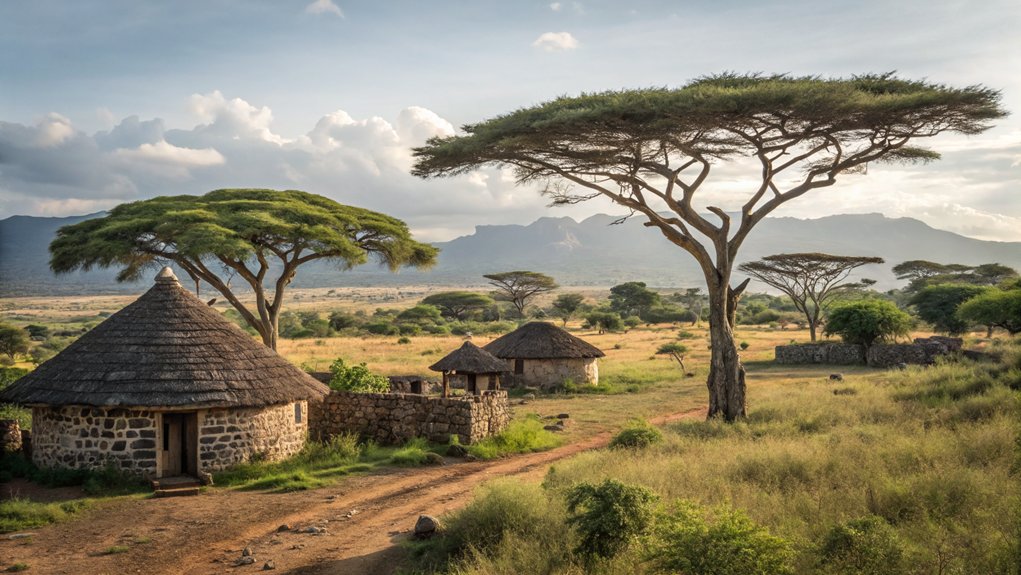
If you’re contemplating solo travel, Kenya might be just the adventure you need. With breathtaking landscapes and rich wildlife, it offers an experience that’s both thrilling and transformative. You’ll encounter diverse cultures and traditions while exploring national parks like the Maasai Mara. But before you pack your bags, there are important details to contemplate that can enhance your journey. Let’s explore what makes this destination unique for solo explorers.
Key Takeaways
- Kenya boasts over 50 national parks, offering solo travelers unique wildlife experiences, including the iconic Big Nine and the wildebeest migration.
- Engaging with the Tepescua community and supporting local artisans enhances cultural immersion during your journey through Kenya.
- Accommodations like Angama Mara and Offbeat Mara welcome solo travelers with no single supplement policies, making trips more affordable.
- Participating in local cuisine tastings and traditional performances deepens connection to Kenya’s rich cultural landscape.
- Essential packing includes lightweight clothing, sun protection, and a small first aid kit to ensure comfort during safari adventures.
Why Kenya Is a Dream Destination for Solo Travelers
When you think about solo travel, Kenya stands out as a dream destination that offers unparalleled adventures and experiences. You’ll find over 50 national parks and reserves packed with wildlife, giving you the chance to spot the Big Nine.
The annual wildebeest migration is a spectacle you don’t want to miss, pulling in solo travelers enthusiastic for incredible sights. Engage with local communities like the Tepescua or enjoy enchanting Maasai performances to enrich your journey.
With accommodations such as Angama Mara and Offbeat Mara offering no single supplement policies, you can indulge in luxury without breaking the bank. Plus, the dry season from July to October guarantees perfect conditions for wildlife viewing, making your adventure comfortable and unforgettable.
How to Prepare for Your Solo Trip to Kenya
Preparation is key to an enjoyable solo trip to Kenya, so start by checking your vaccinations and visa requirements.
Don’t forget to confirm your travel insurance coverage for peace of mind.
Plan your itinerary around safe, popular destinations like the Maasai Mara and Amboseli National Park, where guided tours cater to solo travelers.
Pack lightweight, breathable clothing in neutral colors for your safari excursions, along with a warm layer for chilly mornings and evenings.
Familiarize yourself with local customs, such as modest dress in coastal areas and respectful behavior around wildlife.
Ultimately, establish a budget that accounts for solo supplement fees at accommodations, and consider joining group tours to save costs while still enjoying social interaction and expert guidance.
Essential Tips for Solo Female Travelers
Traveling solo as a female in Kenya can be an incredible adventure, but staying aware of your surroundings is essential. Here are some tips to guarantee your journey is enjoyable and safe:
1. Stay Vigilant in Urban Areas: In cities like Nairobi and Mombasa, keep your belongings secure.
Use licensed taxis or ride-hailing apps after dark for added safety.
2. Dress Modestly: Particularly in coastal areas, dressing modestly respects local customs and helps reduce unwanted attention.
3. Respect Cultural Norms: Familiarize yourself with local etiquette, and don’t hesitate to use a firm “no, thank you” to handle unwanted advances effectively.
Engage With Local Cultures: What to Expect
Engaging with local cultures in Kenya offers a unique opportunity to connect deeply with the communities you visit, enhancing your travel experience. You’ll have one-on-one interactions with local groups like the Tepescua community, gaining insights into their sustainable livelihoods and empowerment initiatives.
By visiting artisans at places like the Kobe Beads facility, you can support Maasai women as they create beautiful crafts and jewelry. Don’t miss the vibrant cultural performances, including traditional Maasai Warrior dances, showcasing local heritage.
Savor local cuisine at traditional restaurants, where British colonial and South Asian influences blend deliciously. Finally, participating in welcoming ceremonies allows for richer connections, fostering respect and understanding of the culture that surrounds you.
Explore Kenya’s Iconic National Parks
When you explore Kenya’s iconic national parks, you’re in for breathtaking wildlife encounters and stunning landscapes.
From witnessing the wildebeest migration in Maasai Mara to spotting elephants against the backdrop of Mount Kilimanjaro in Amboseli, every experience is unique.
You’ll also engage with the rich culture surrounding these natural wonders, making your adventure even more memorable.
Breathtaking Wildlife Encounters
Kenya’s iconic national parks offer breathtaking wildlife encounters that leave an indelible mark on all who visit.
You’ll experience the thrill of seeing diverse species roam freely in their natural habitats.
Here are three must-visit parks for unforgettable wildlife moments:
- Maasai Mara National Reserve: Witness the incredible wildebeest migration from July to October, where millions of animals cross the plains in search of fresh grazing.
- Amboseli National Park: Marvel at massive elephant herds against the staggering backdrop of Mount Kilimanjaro, perfect for wildlife photography.
- Lake Nakuru National Park: Enjoy the vibrant spectacle of thousands of flamingos and the rare sight of both black and white rhinos in this UNESCO World Heritage Site.
Get ready for an adventure filled with nature’s wonders!
Scenic Landscapes and Views
After immersing yourself in the breathtaking wildlife encounters, prepare to be captivated by the stunning landscapes that Kenya has to offer.
With over 50 national parks and reserves, each showcasing unique ecosystems, your adventure won’t be short of natural beauty. In the Maasai Mara National Reserve, marvel at the sweeping vistas, especially during the wildebeest migration from July to October.
At Amboseli National Park, gaze upon the magnificent Mount Kilimanjaro while observing herds of elephants roaming the grasslands.
Don’t miss out on Lake Naivasha in the Great Rift Valley, where lush scenery and diverse birdlife await you. From savannahs to coastal beaches, Kenya’s landscapes provide endless opportunities for exploration and inspiration.
Cultural Experiences and Engagement
How can you truly understand a place without experiencing its culture? In Kenya, cultural experiences enrich your adventure, especially in iconic national parks.
Here are a few highlights you shouldn’t miss:
- Maasai Community: Visit the Tepescua community in Maasai Mara to witness traditional performances and sustainable initiatives empowering locals.
- Kobe Beads Tour: Engage with local artisans at the Kobe Beads facility, where you can appreciate their craftsmanship and support Maasai women.
- Wildebeest Migration: Time your visit from July to October to witness the breathtaking wildebeest migration, one of global wildlife’s most spectacular events.
The Best Wildlife Safari Experiences in Kenya
While exploring the breathtaking landscapes of Kenya, you’ll discover some of the world’s most remarkable wildlife experiences. With over 50 national parks and reserves, it’s a paradise for wildlife enthusiasts. Renowned sites like the Maasai Mara offer firsthand encounters with the Big Nine, including lions and elephants, while Amboseli serves up stunning views of Mount Kilimanjaro alongside massive elephant herds. Don’t miss the annual wildebeest migration from July to October, where you’ll witness over a million wildebeests spanning the Serengeti-Mara ecosystem.
| Wildlife Experience | Location | Unique Feature |
|---|---|---|
| Big Nine Safaris | Maasai Mara | Diverse wildlife encounters |
| elephant viewing | Amboseli | Stunning Kilimanjaro backdrop |
| wildebeest migration | Serengeti-Mara | One of nature’s great spectacles |
How to Book Your Perfect Kenya Safari
When you plan your Kenya safari, start by choosing your ideal dates to make the most of wildlife events like the wildebeest migration.
Next, select from tailored itinerary options that match your interests and travel style.
Finally, take a close look at the pricing structure to find a package that fits your budget while giving you the adventure you crave.
Choose Your Ideal Dates
To book your perfect Kenya safari, you’ll want to choose your dates wisely, as timing can greatly influence your experience. Here are some key considerations:
- Migration Season: Plan your trip between July and October to witness the spectacular wildebeest migration across the Serengeti plains.
- Rainy Seasons: Be aware of the masika from mid-March to May and vuli from November to December; these rainy periods can affect wildlife viewing.
- Duration: Aim for at least 7-10 days to fully explore key destinations like Nairobi, Maasai Mara, and Amboseli National Park for a richer cultural and wildlife experience.
Select Tailored Itinerary Options
Selecting the right itinerary can transform your solo safari in Kenya into an unforgettable adventure.
Consider including iconic locations like Maasai Mara and Amboseli National Park, famous for their wildlife and breathtaking vistas. Look for group tours designed for solo travelers, which can help lower costs while enhancing social interaction through shared accommodations and transport.
Don’t forget to tailor your itinerary with unique cultural experiences, like visits to Maasai villages or artisan workshops, adding depth to your journey.
Additionally, check for special offers from properties such as Angama Mara or Kicheche Mara, which often provide no single supplement options.
Finally, align your trip with travel seasons, especially between July and October, to witness the spectacular wildebeest migration.
Understand Pricing Structure
After narrowing down your tailored itinerary, it’s time to understand the pricing structure for your Kenya safari. Tour prices range from $2,509 to $4,919 per person based on double occupancy, with discounts available.
Consider these key points:
- Deposit and Payment Plans: You can start booking with as low as $99 down, and flexible plans can have monthly estimates around $185.
- Single Traveler Policies: Many accommodations don’t charge single supplements for solo travelers, optimizing your costs.
- Group Tours: Joining group tours often reduces expenses since they include shared accommodations and transport.
Always confirm with your tour operator about included services like park permits and transfers to avoid surprises.
Happy planning!
Unique Accommodations for Solitary Travelers
When you venture into Kenya as a solo traveler, you’ll find a range of unique accommodations tailored just for you. Places like Angama Mara and Offbeat Mara offer no single supplement policies, making your stay more affordable.
Kicheche Mara stands out by waiving single supplements during peak migration season, presenting tented comfort. Nestled in the foothills of Mount Kenya, Sosian Lodge also encourages solo adventurers without extra fees, providing camel safaris and cultural tours.
Kicheche Laikipia caters to your needs with competitive pricing and thrilling activities like game tracking. Plus, many of these properties prioritize your safety, implementing escort protocols after dark, so you can explore freely while feeling secure throughout your journey.
Must-Try Local Dishes and Culinary Experiences
Kenya’s culinary landscape offers a delightful adventure for solo travelers keen to immerse themselves in local flavors. You can’t visit without trying:
- Nyama Choma: Grilled meat that’s often enjoyed with ugali and kachumbari during social gatherings—perfect for making new friends!
- Samosas: These tasty snacks, filled with spiced meat or vegetables, are available at street vendors and local eateries, making them a must-try.
- Mandazi: Start your day with these deep-fried pastries paired with Kenyan chai, a spiced tea that warms your heart.
Each dish represents the vibrant food culture and local traditions, offering you a rich taste of Kenya that you won’t want to miss.
Your Guide to Getting Around Kenya: Transportation Tips
Getting around Kenya requires knowing your essential travel modes and local transport systems.
You’ll want to prioritize safety, whether you’re using taxis, ride-hailing apps, or tourist buses.
Here’s what you need to know to navigate the country confidently.
Essential Travel Modes
Traversing Kenya offers a colorful array of transportation options that cater to every traveler’s needs. You can choose how you’d like to get around, whether it’s for leisure or convenience.
Here are three essential modes of travel:
- Train: The Madaraka Express trains you from Nairobi to Mombasa in just five to six hours. The scenic views make it a memorable journey.
- Private Transfers: For a hassle-free experience, you can arrange private transfers for comfort and ease during your travels.
- Buses: Buses serve longer distances with various comfort levels. Make seat reservations with larger operators for a smoother ride.
Navigating Local Transport Systems
Maneuvering local transport systems in Kenya can feel overwhelming, but you can simplify your experience with some useful tips. Begin your journey by arriving at Jomo Kenyatta or Moi International Airports. For quick travel between Nairobi and Mombasa, consider the efficient Madaraka Express train service. When using public buses, stick to reputable companies that allow seat reservations for comfort.
For city travel, opt for licensed taxis or ride-hailing apps to stay safe and avoid isolated areas. If you’re venturing into neighboring countries, private transfers can ease logistics. Below is a quick reference table to help you navigate transportation options:
| Transport Mode | Duration | Tips |
|---|---|---|
| Flight | Varies | Book in advance |
| Madaraka Express | 5-6 hours | Reserve tickets online |
| Public Bus | Varies | Choose reputable operators |
| Taxi/Ride-Hailing | Varies | Always use licensed services |
Safety Tips for Travelers
While maneuvering local transport systems in Kenya, keeping safety in mind is essential for a smooth travel experience. Here are some tips to enhance your safety while traveling:
- Choose Reputable Operators: Always opt for established transportation companies. Whether it’s a bus, train, or shuttle, reputable operators guarantee better safety protocols.
- Stay Alert During Transfers: When switching between modes of transport, be vigilant with your belongings and your surroundings. Keep your valuables secure to avoid pickpocketing.
- Avoid Self-Driving: It’s best to skip the self-driving option; steering through Kenya can be tricky and unsafe. Utilize taxis or rideshare apps for hassle-free travel within cities.
Ideal Times to Visit Kenya for Solo Travelers
For solo travelers enthusiastic to explore Kenya, the ideal times to visit are during the dry seasons from late June to October. This period showcases the wildlife migrations at their peak and provides accessibility to stunning landscapes.
September stands out, as it aligns with the annual wildebeest migration, offering breathtaking wildlife viewing in the Maasai Mara. The cool, dry weather from June to September guarantees comfortable safari experiences, with temperatures ranging from the 40s°F at night to mid-80s°F during the day.
While the wet seasons from March to May and November to December offer smaller crowds and lower accommodation rates, heavy rains can disrupt travel logistics and wildlife visibility, making the dry locations your best bet for adventure.
What to Know About Local Customs in Kenya
When exploring Kenya, what’s essential to know about local customs? Understanding the diverse culture is key to enriching your experience. Here are some important points to keep in mind:
- Respect Local Traditions: With over 40 ethnic groups, show genuine interest in their customs and languages. A simple greeting like “Jambo” goes a long way!
- Dress Modestly: In coastal and mainly Muslim areas, opt for lightweight, breathable fabrics in neutral colors to align with local norms, especially during safaris.
- Mind Photography Rules: Always ask for permission before taking photos of people or in restricted areas, including military sites and certain communities.
Being mindful of these customs will help you connect better with the people of Kenya and enhance your travel experience.
Packing Essentials for Your Solo Safari Adventure
Packing for your solo safari adventure in Kenya requires thoughtful planning to guarantee comfort and practicality. Choose lightweight, breathable clothing in neutral colors to stay comfortable and blend in with the surroundings.
Layer your outfits to adapt to the temperature swings from the 40s°F-50s°F in the mornings to the mild afternoons around 70°F-80°F. Don’t skimp on sun protection; pack sunscreen, sunglasses, and a broad-brimmed hat to shield yourself from intense sunlight.
A small first aid kit with antacids, anti-diarrhea medication, and your prescriptions is essential, as pharmacies may be scarce. Bring a reliable water bottle to stay hydrated, and consider including a small pillow for extra comfort during long rides in the open 4X4 safari vehicles.
Memorable Activities Beyond the Safari
Beyond safaris, Kenya offers a wealth of memorable activities that allow you to connect with its rich culture.
You can engage with local artisans, enjoy scenic boat tours, and immerse yourself in the vibrant life of communities.
These experiences not only enrich your journey but also provide a deeper understanding of the country’s diverse heritage.
Cultural Immersion Experiences
There’s so much more to Kenya than its breathtaking safaris, and diving into the rich tapestry of its culture can make your trip unforgettable.
Here are three engaging cultural immersion experiences you shouldn’t miss:
- Visit the Kobe Beads facility, where you’ll support the empowerment of Maasai women through their artisan crafts and enrich your cultural appreciation.
- Enjoy a welcoming dinner featuring traditional Maasai Warrior performances, offering insight into local customs and community life.
- Participate in a local food tasting or cooking class to explore Kenya’s diverse culinary influences, blending flavors from its British colonial and South Asian heritage.
These activities offer a deeper connection to the people and traditions that make Kenya truly unique.
Artisan Workshops and Markets
Experiencing the vibrant artisan workshops and markets in Kenya adds another layer to your adventure, enriching your understanding of the country’s culture.
At places like the Kobe Beads facility, you’ll engage in empowering initiatives run by local Maasai women, crafting your own unique jewelry.
In Nairobi, markets burst with handmade crafts, textiles, and artwork, giving you the chance to support local artisans while snagging authentic souvenirs.
Try your hand at traditional cooking classes, where you’ll whip up dishes influenced by British colonial and South Asian flavors.
Community visits, such as those at Tepescua, offer insight into sustainable projects and allow you to witness Maasai performances, deepening your connection to Kenya’s rich cultural landscape.
Scenic Boat Tours
While on your journey through Kenya, don’t miss the chance to explore its stunning scenic boat tours. These excursions provide a unique perspective on the country’s abundant wildlife and breathtaking landscapes. Here are some highlights you won’t want to miss:
- Wildlife Viewing: Glide through Lake Naivasha and witness hippos and over 400 bird species in their natural habitat, creating unforgettable memories.
- Guided Tours: Learn about the ecosystem and admire unique flora and fauna along the shores, enhancing your understanding of this vibrant environment.
- Cultural Connections: Visit nearby lakeside communities to immerse yourself in local culture, adding depth to your safari experience.
These relaxing boat rides offer a serene alternative to traditional game drives, showcasing the beauty of Kenya from a different vantage point.
Frequently Asked Questions
Is Kenya Good for Solo Travel?
Yes, Kenya’s great for solo travel! You’ll encounter stunning wildlife, enjoy safe accommodations, and have opportunities to connect with fellow travelers on group tours. The diverse experiences will surely enrich your adventure.
What Is the 12 Hour Rule for Masai Mara?
The 12 Hour Rule for Masai Mara encourages you to limit wildlife viewing to 12 hours daily. This helps minimize stress on animals, promoting responsible tourism while maximizing your chances for superior wildlife observation during cooler times.
Leave a Reply