
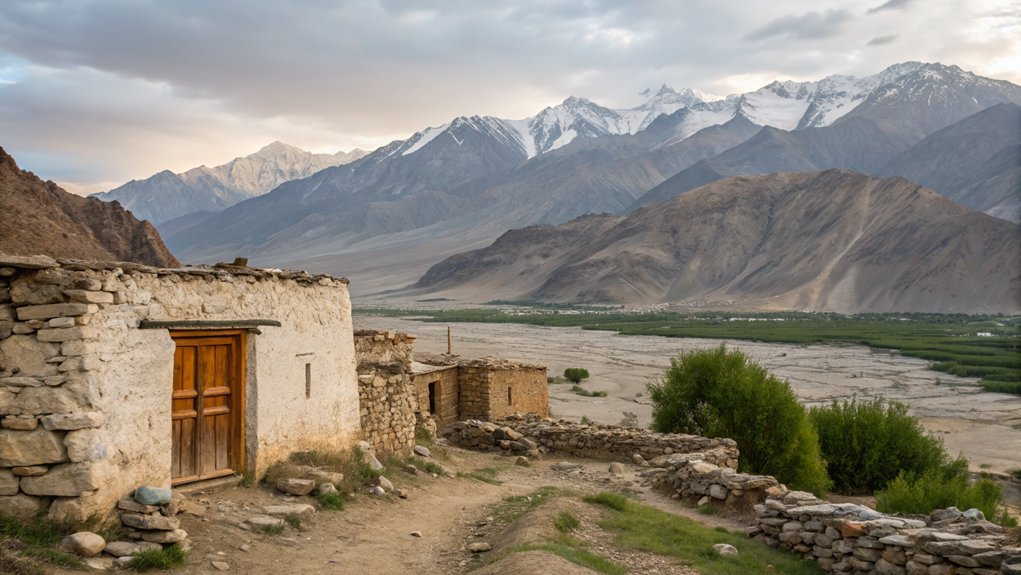
When you think about solo travel, Leh might seem like an unconventional choice. But the majestic mountains, rich culture, and countless adventures await those who venture here alone. You’ll find ancient monasteries, share meals with locals, and perhaps discover something about yourself in the process. As you plan your journey, you’ll need to reflect on what makes this destination unique and how to navigate its challenges. Let’s explore what makes Leh such a compelling choice for solo explorers.
Key Takeaways
- Explore stunning landscapes and immerse in local culture by visiting ancient monasteries like Alchi Gompa and engaging with warm-hearted locals.
- Ideal travel months are June to September for dry weather and vibrant cultural experiences, while off-season leads to limited access.
- Acclimatization to high altitude is crucial; spend a few days in Leh doing light activities to avoid Acute Mountain Sickness.
- Local transportation options include hired vehicles for flexibility, local taxis for reliability, and shared rides for budget-friendly travel and social interaction.
- Choose family-run guesthouses or female-hosted Airbnbs to enhance safety and experience authentic local cuisine while facilitating connection with the culture.
Why Is Solo Travel in Leh a Unique Adventure?
Have you ever wondered what makes solo travel in Leh such a transformative experience? The stunning landscapes and serene atmosphere of the Himalayas provide a perfect backdrop for personal growth.
As you acclimatize to the high altitude of 3,500 meters, those first days are an invitation to relax and reflect. You’ll immerse yourself in the local culture by visiting ancient monasteries like Alchi Gompa, where 12th-century murals captivate your imagination. Engaging with the warm-hearted locals adds a personal touch, making your adventure even richer.
With diverse trekking options, from the Markha Valley to Sham Valley, you can tailor your journey to match your skill level while soaking in breathtaking vistas like those from Khardung La, amplifying the sense of adventure.
The Best Times to Visit Leh for Optimal Experiences
When’s the ideal time to explore Leh for unforgettable experiences? You’ll want to plan your trip between June and September.
During these months, the weather is dry, making trekking routes accessible. If you’re seeking a quieter atmosphere, consider visiting in June or late September when there are fewer tourists but still pleasant weather.
For warm temperatures and excellent trekking conditions, July and August are perfect, but be prepared for larger crowds. This peak tourist season offers rich opportunities to engage with local cultures and join in on vibrant festivals.
Just be mindful that in the off-season, road closures and the shutdown of guesthouses can limit your travel options and accommodations. So, timing your visit is key!
How to Prepare for Your Solo Journey to Leh
Preparing for your solo journey to Leh means focusing on travel planning essentials, safety, and cultural awareness.
You’ll want to create an itinerary that allows for acclimatization while researching local customs.
Plus, staying connected with someone back home will boost your safety as you explore this stunning region.
Travel Planning Essentials
As you commence your solo journey to Leh, it’s vital to start planning at least six months in advance. This allows you to secure better rates on flights and accommodations while ensuring proper acclimatization.
| Planning Aspect | Tips | Importance |
|---|---|---|
| Travel Routes | Kochi-Chennai-Delhi-Leh | Cost-effectiveness |
| Accommodation | Choose reliable options like female-hosted Airbnb | Safety and comfort |
| Vehicle Rentals | Rent an SUV with an experienced driver | Steering through roads safely |
| Itinerary | Include highlights like Nubra Valley and Pangong Lake | Maximize experience |
| Gear Preparation | Bring a first-aid kit and weather-appropriate clothing | Readiness for conditions |
With these essentials in mind, you’ll be well-prepared for your adventurous solo trip.
Safety Precautions for Soloists
Before you set off on your solo adventure to Leh, it’s important to prioritize your safety by taking a few key precautions. Share your itinerary with someone you trust and set regular check-in times to keep them updated.
Since Leh sits at 3,500 meters, acclimatizing to the altitude is essential—take time to rest during your first days. Equip yourself with crucial gear, including a first-aid kit, weather-appropriate clothing, and navigation tools, so you can handle challenging conditions.
Cultural Etiquette and Awareness
Understanding the local culture in Leh sets the foundation for a rewarding solo journey. Respect local customs by dressing modestly and observing religious practices.
You’ll find that learning a few common greetings, like “Julley,” goes a long way in conveying goodwill. When visiting prominent sites such as monasteries, remain quiet, avoid interrupting ceremonies, and always ask for permission before taking photographs.
Engage with locals respectfully; their privacy and boundaries matter. Immerse yourself in the rich Buddhist traditions of Ladakh, as this knowledge can enhance your experience and deepen your appreciation of the region’s unique heritage.
Acclimatization Essentials for High-Altitude Travel
When you arrive in Leh, remember that acclimatization is key to enjoying your trip.
Take it easy for the first few days, allowing your body to adjust to the altitude while keeping an eye out for symptoms like headaches and fatigue.
Importance Of Gradual Ascent
As you begin your journey to Leh, acclimatizing to the high altitude is essential for a safe and enjoyable experience. Gradual ascent allows your body to adjust to decreased oxygen levels and avoid Acute Mountain Sickness (AMS). Spend your first few days in Leh (3,500 meters) engaging in light activities, only increasing your altitude by 300-500 meters daily.
| Day | Location | Activity |
|---|---|---|
| Day 1 | Leh | Explore local markets |
| Day 2 | Shey | Visit Shey Monastery |
| Day 3 | Thiksey | Light hiking at Thiksey Monastery |
| Day 4 | Pangong Lake | Relax by the lakeside |
Stay hydrated and maintain a light, carbohydrate-rich diet to help your body acclimatize more effectively.
Recognizing Altitude Symptoms
Recognizing the symptoms of Acute Mountain Sickness (AMS) is essential for anyone traveling to high altitudes like Leh. AMS symptoms, including headaches, nausea, dizziness, and fatigue, often arise above 2,500 meters (8,200 feet) if you don’t acclimatize properly.
To adjust, take 2-3 days upon arrival at Leh’s altitude of 3,500 meters before undertaking strenuous activities. Staying hydrated is critical; aim for 3-4 liters of water daily to lower your AMS risk.
Remember, gradual ascent is fundamental; increase altitude by no more than 300-500 meters (1,000-1,500 feet) daily. Familiarize yourself with altitude symptoms, and always have a plan for descent or rest, as immediate attention may be required if your symptoms worsen.
Stay alert and stay safe!
Must-See Locations in Leh: Planning Your Itinerary
To make the most of your solo travel experience in Leh, you’ll want to prioritize some must-see locations that capture the stunning beauty and rich culture of the region.
Start with Pangong Lake, where the mesmerizing, color-changing waters invite an overnight stay for a tranquil experience.
Next, venture into Nubra Valley, accessible via the Khardung La Pass, to explore its unique sand dunes and ride double-humped camels.
Don’t miss Alchi Monastery, home to ancient 12th-century murals that reveal local artistry.
Leh Palace offers breathtaking panoramic views and a taste of Ladakhi heritage, while the Hemis Monastery, famous for its vibrant summer festival, showcases the region’s lively culture.
Plan your days to fit in these unforgettable sights!
Transportation Choices for Solo Travelers in Leh
When you’re exploring Leh on your own, choosing the right transportation can make all the difference.
You can opt for local taxi services for day trips or consider renting a vehicle for more freedom on the roads.
If you’re on a budget, local buses and shared rides offer a cost-effective way to get around, though they might require some planning.
Local Taxi Services
Maneuvering Leh is a breeze with local taxi services, which provide reliable transport options for solo travelers.
Whether you need a quick ride or a full-day excursion to the breathtaking Nubra Valley or Pangong Lake, taxis are available at varying rates.
Here are a few tips to enhance your experience:
- Negotiate Prices: Always discuss fares in advance and confirm your taxi’s return for day trips to guarantee you won’t get stranded.
- Leverage Local Knowledge: Many drivers know popular tourist spots and can offer helpful insights and recommendations during your ride.
- Consider Sharing: You can save money and meet new people by sharing a taxi with other travelers exploring the area.
With these tips, you’ll navigate Leh effortlessly!
Rental Options Available
For solo travelers seeking more control over their itinerary in Leh, rental options provide flexibility unmatched by public transport. You can easily rent an SUV for around INR 20,000 for three days, allowing you to explore remote areas at your own pace.
Many rentals come with experienced drivers, vital for traversing Leh’s treacherous roads, especially during adverse weather. If you’re feeling adventurous, biking is another option, though be cautious; challenging road conditions and potential breakdowns can disrupt your plans.
Local agencies or guesthouses can assist you in arranging transportation, including day trips and guided tours, enhancing your travel experience. With the right rental choice, you’ll make the most of your time in this breathtaking region.
Buses and Shared Rides
Though public buses in Leh run on a limited schedule, offering just one trip daily, they can be a valuable option for solo travelers aiming to explore the region.
To maximize your travel experience, consider the following options:
- Shared Taxis: These are widely available and allow you to reach remote areas flexibly, providing a convenient way to explore at your own pace.
- Khardung La Pass Rides: Traveling to Nubra Valley often involves shared rides over this scenic pass, enhancing your journey with stunning views.
- Hitchhiking: Many travelers find success in hitchhiking, making it a social way to connect with fellow adventurers headed to trekking spots.
Safety Tips for Solo Travelers in Ladakh
When you commence a solo journey in Ladakh, staying safe should be your top priority.
Although Ladakh is one of the safest regions in India, it’s wise to remain vigilant. Since mobile coverage is limited outside towns, share your travel itinerary and check in regularly with someone back home.
Consider hiring a local guide or joining a group for safety in remote areas; they offer valuable navigation and knowledge about local hazards.
Remember to acclimatize in Leh for a few days before trekking to higher altitudes, minimizing the risk of Acute Mountain Sickness.
If you’re a solo female traveler, engaging a female guide can enhance your safety and foster deeper connections within the local culture.
Enjoy your adventure!
Engaging With Local Culture During Your Solo Travel in Leh
When you’re in Leh, embracing the local culture is a must. Try the delicious Thupka and Momos at the bustling Main Baazar and don’t miss the vibrant summer festivals that highlight Ladakhi traditions.
Engaging with community activities not only enriches your experience but also connects you with the heart of Leh’s unique heritage.
Local Cuisine Experience
Exploring the local cuisine in Leh offers a vibrant taste of Tibetan culture that you simply can’t miss.
As you immerse yourself in these flavors, make sure to indulge in:
- Momo – Delicious dumplings filled with meat or vegetables, perfect for a quick snack.
- Thukpa – A comforting noodle soup that’s packed with flavor and ideal for warming up in the chilly mountains.
- Skyu – Traditional bread that pairs wonderfully with many local dishes.
Dining in family-run guesthouses lets you savor authentic meals while connecting with locals.
Don’t overlook the bustling Main Bazar for street food delights and try cooking classes for a hands-on experience.
And remember to relax at local cafes, sipping butter tea and soaking in the rich culture around you.
Cultural Festivals Participation
Participating in cultural festivals in Leh provides an immersive experience that connects you to the local community and its traditions. Events like the Hemis Festival showcase vibrant performances featuring colorful costumes and masks, reflecting Ladakh’s Buddhist heritage. You’ll witness elaborate rituals, engage with locals, and gain insights into their spiritual practices.
Here’s a quick overview of key aspects of these festivals:
| Festival | Highlights | Local Delicacies |
|---|---|---|
| Hemis Festival | Traditional dances and rituals | Momos, Thukpa |
| Seasonal Festivals | Artisans and local crafts | Various street foods |
| Monastery Events | Community interactions | Authentic Ladakhi cuisine |
These festivals not only enrich your travel experience; they also offer stunning photographic opportunities against the breathtaking mountain backdrop.
Community Engagement Activities
Engaging with the local culture during your solo travel in Leh can transform your experience from a mere visit to a meaningful connection.
Here are some fantastic ways to immerse yourself:
- Participate in Homestays: Enjoy authentic Ladakhi cuisine like momo and thukpa while gaining insights into daily life.
- Explore Monasteries: Visit Alchi and Hemis to admire murals and experience traditional festivals that showcase local arts and customs.
- Join Community Treks: Opt for community-focused treks led by female guides, promoting safety, cultural respect, and women’s empowerment in tourism.
Where to Stay for Your Solo Adventure
When you plan your solo adventure in Leh, choosing the right place to stay can greatly enhance your experience.
Family-run guesthouses offer a calm atmosphere and a chance to connect with local culture. If you’re a solo female traveler, consider Airbnb options, especially those hosted by women known for their hospitality and safety.
Osel Home Stay, run by Stanzin Kunzang, is a popular choice for comfort and delicious local cuisine. For a unique experience, check out Nubra Ethnic Camp in Nubra Valley, where you can immerse yourself in the region’s cultural heritage for about INR 3,000 per night.
Remember to book accommodations in advance, particularly between June and September, to snag the best rates and availability.
Traditional Ladakhi Dishes to Enjoy on Your Solo Trip
Exploring the culinary landscape of Ladakh can be just as exciting as its breathtaking scenery, with traditional dishes that reflect the region’s rich culture.
As you traverse this majestic area, don’t miss out on these three must-try dishes:
- Thukpa – This hearty noodle soup, filled with vegetables and meat, warms you up in the chilly climate.
- Momos – These dumplings, either steamed or fried and packed with delicious fillings, are a delightful snack influenced by Tibetan cuisine.
- Skyu – A unique whole wheat pasta dish mixed with vegetables, it’s a favorite among locals, especially after a long trek.
Pair these dishes with a warm cup of butter tea for an authentic Ladakhi experience!
Best Hiking and Trekking Routes for Solo Travelers
After indulging in Ladakh’s delicious traditional dishes, you might be enthusiastic to explore the region’s stunning landscapes on foot.
The Markha Valley Trek offers a fantastic 5-7 day adventure through scenic valleys, charming villages, and ancient monasteries, perfect for immersing yourself in local culture.
If you’re new to trekking, consider the Sham Valley Trek, where daily hikes of 4-5 hours let you interact with welcoming communities.
For seasoned trekkers, the Stok Kangri Trek challenges you with high-altitude ascents, reaching 6,153 meters.
Solo female travelers should look into hiring guides through the Ladakhi Women’s Trekking Company for added safety.
Remember, proper preparation and acclimatization are key to enjoying each trek safely.
Happy hiking!
Local Tours vs. Solo Travel: Pros and Cons
Choosing between local tours and solo travel in Leh involves weighing distinct advantages that cater to different travel styles.
- Local Tours: They offer structured itineraries, ensuring you see popular attractions like Pangong Lake without hassle. Experienced guides provide added security and support, which is great if you’re new to challenging terrains like Ladakh’s high altitudes.
- Solo Travel: This allows for greater flexibility to find unique spots and have personal reflections. You can immerse yourself in local culture through spontaneous interactions that mightn’t happen on guided tours.
- Cost: Traveling solo often means you can choose budget options for accommodations and transport, while local tours generally come with fixed pricing that can be higher due to included services.
In the end, it depends on your travel preferences and style!
Photography Tips for Capturing Leh’s Beauty Alone
While you navigate the stunning landscapes of Leh, capturing its beauty through photography can enhance your solo adventure.
Take advantage of the golden hour—just after sunrise and before sunset—when the light showcases the dramatic mountains and vivid colors of the scenery.
When flying to Leh, snag a window seat for breathtaking aerial shots of the Himalayas.
Don’t forget to include local culture in your frames; snap interactions with residents and the vibrant festivals that bring depth to your story.
Experiment with composition by using leading lines, such as roads or rivers, to lead the viewer’s eye to majestic monasteries and stunning lakes.
Finally, bring a lightweight camera, spare batteries, and memory cards to avoid storage issues during your trip.
Reflections Post-Trip: Lessons Learned From Solo Travel in Leh
Initiating a solo journey through Leh not only offers breathtaking landscapes but also provides invaluable lessons that foster personal growth.
Over twelve days, you’ll discover resilience and self-discovery through cultural immersion and stunning vistas on a budget under ₹8000.
Here are three key lessons you’ll learn:
- Embrace Acclimatization: Adjusting to high altitudes is crucial; take your time to guarantee a safe and comfortable experience.
- Connect through Cuisine: Trying local dishes like momos and thukpa deepens your understanding of the area’s culture and lifestyle.
- Value Planning and Preparation: Proper gear, navigation tools, and a flexible itinerary are essential for overcoming the challenges of remote trekking.
These lessons will stay with you long after your adventure ends.
A separate travel lesson from the broader region is to always keep your passport ready when crossing borders or entering new destinations.
Frequently Asked Questions
Is Leh Ladakh Worth for a Solo Trip?
Absolutely, Leh is worth a solo trip! You’ll explore stunning landscapes, immerse yourself in local culture, and enjoy a sense of peace. Its welcoming atmosphere makes solo travel safe and enriching. You’ll love every moment!
How Many Days Are Sufficient for a Leh-Ladakh Trip?
For a Leh-Ladakh trip, you’ll need at least 7 to 12 days. This allows for acclimatization, exploration of key attractions, and a chance to enjoy the stunning landscapes and unique culture.
Is 30 Too Old to Solo Travel?
You’re never too old to solo travel! In your 30s, you’re often more adventurous and resourceful. Embrace the journey for self-discovery, meet new people, and create unforgettable memories along the way.
How Much Money Do You Need to Go to Ladakh for One Person?
You’ll need around ₹8000 for a solo trip to Ladakh, covering accommodations, meals, and local transport. Budget accommodations and local eateries offer great options to stretch your money while exploring the region.
Leave a Reply