
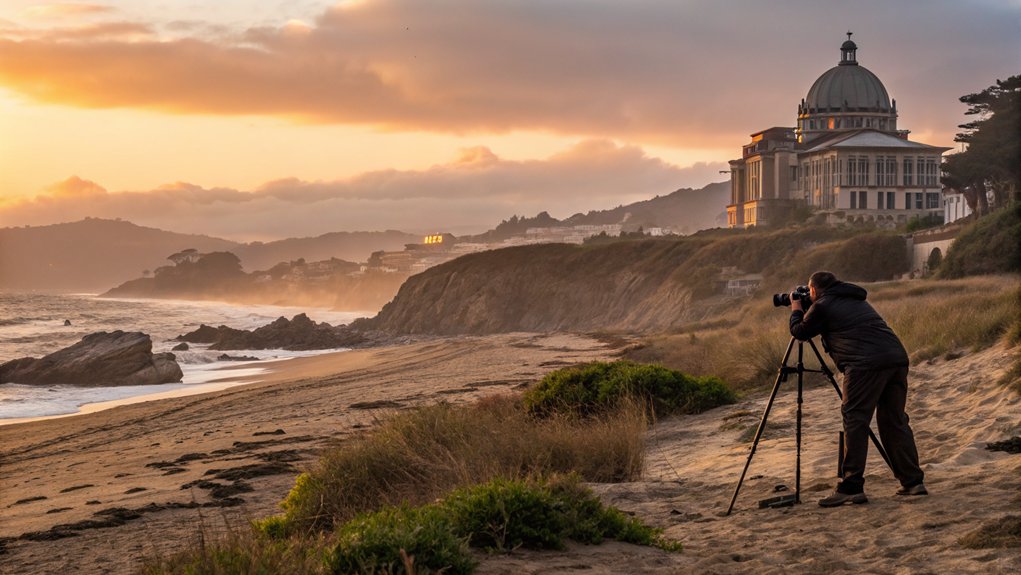
If you’re contemplating solo travel in the Pacific Northwest, you’re in for a treat. This region perfectly blends natural beauty with solitude, offering countless opportunities for reflection and adventure. From towering trees to dramatic coastlines, the PNW invites exploration at your own pace. But before you pack your bags, there are a few factors to contemplate that can transform your journey from ordinary to extraordinary. Let’s explore what makes this region truly special.
Key Takeaways
- Explore diverse ecosystems, from rainforests to coastlines, offering myriad opportunities for solo exploration in the Pacific Northwest.
- Discover renowned trails like the Pacific Crest Trail and hidden gems such as Wallace Falls, perfect for solitary hikes.
- Enjoy scenic routes like the Historic Columbia River Highway, featuring stunning waterfalls and breathtaking views.
- Embrace the best times for solo travel: spring and fall for fewer crowds and vibrant landscapes.
- Prioritize safety and sustainable practices by notifying someone of your itinerary and supporting local businesses during your travels.
Why the PNW Is Ideal for Solo Nature Travelers
When you think about the perfect spot for solo nature travel, the Pacific Northwest (PNW) immediately comes to mind. This region offers diverse ecosystems, including breathtaking rainforests, majestic mountains, and stunning coastlines, creating endless exploration opportunities.
You can hike accessible trails like the Pacific Crest Trail or visit Olympic National Park, immersing yourself in serene landscapes. Vibrant cities like Seattle and Portland serve as excellent launch points, allowing you to experience urban culture before retreating to nature’s tranquility.
Whether you’re kayaking in Lake Crescent or hiking in the Columbia River Gorge, there’s something for everyone. Plus, the PNW’s extensive campgrounds and RV sites make solo camping safe and enjoyable, offering a sense of community among fellow outdoor enthusiasts.
Nearby, Route 66 scenic drives also showcase how road trips can blend striking landscapes with memorable cultural stops.
Choosing the Best Time for Your Adventure
What’s the best time to begin your solo adventure in the PNW?
Spring, from March to May, is perfect if you crave pleasant weather and blooming wildflowers, with less crowded hiking trails.
If you prefer long daylight hours, vibrant summer (June to August) offers fun beach trips and lively music festivals, ideal for your exploration.
As fall (September to November) rolls in, you’ll enjoy stunning foliage and a romantic atmosphere—perfect for solo hikes and scenic photography.
Winter (December to February) transforms the landscape into a cozy wonderland, making it a budget-friendly time to try winter sports.
Each season presents unique opportunities, so you can plan your adventure any time and find the magic of the PNW.
For inspiration beyond the Pacific Northwest, Norway’s midnight sun creates endless summer nights for unforgettable outdoor adventures.
Must-See Natural Attractions for Solo Travelers in the PNW
Exploring the natural wonders of the Pacific Northwest is a must for any solo traveler seeking adventure and inspiration.
Olympic National Park, a UNESCO World Heritage Site, offers diverse ecosystems – from rainforests to mountains – perfect for hiking. Don’t miss the breathtaking Multnomah Falls in the Columbia River Gorge, where you can find stunning viewpoints and various trails.
Mount Rainier National Park showcases the iconic volcano alongside vibrant wildflower meadows, ideal for capturing unforgettable photos.
Finally, visit Haystack Rock at Cannon Beach, where you can explore tide pools and enjoy the mesmerizing coastal views, all while reflecting in solitude.
Scenic Routes for Unforgettable Drives and Views
When you hit the open road in the PNW, you’ll find some of the most breathtaking coastal drives and mountainous scenic highways.
Each twist and turn reveals stunning landscapes, from rugged shores to towering peaks.
Grab your camera and get ready to capture unforgettable moments along these picturesque routes.
Breathtaking Coastal Drives
Few experiences rival the thrill of a breathtaking coastal drive in the Pacific Northwest. One route to contemplate is the Pacific Coast Scenic Byway (US-101), where you’ll encounter stunning cliffs and the iconic Haystack Rock. Alternatively, the Oregon Coast Highway offers alluring viewpoints and the natural wonders of Samuel H. Boardman State Scenic Corridor. Don’t miss out on the Historic Columbia River Highway, which showcases the majestic Columbia River Gorge and its breathtaking waterfalls. Check out the table below for more coastal drives you shouldn’t overlook:
| Drive | Highlights | Best For |
|---|---|---|
| Pacific Coast Scenic Byway | Haystack Rock, scenic beaches | Coastal views |
| Oregon Coast Highway | Sea stacks, tide pools | Nature lovers |
| Historic Columbia River Highway | Multnomah Falls, gorge views | Waterfall chasing |
| Cascade Loop | Mountain views, charming towns | Outdoor activities |
| Pacific Coast Highway | Rugged cliffs, coastal bluffs | Scenic experiences |
Mountainous Scenic Highways
Experience the thrill of driving through the Pacific Northwest’s mountainous scenic highways, where each route offers breathtaking views and a chance to connect with nature.
The Cascade Loop, a 440-mile journey, showcases stunning mountains, lakes, and rivers, inviting you to stop and hike along the way.
Don’t miss the Hurricane Ridge Road in Olympic National Park, where majestic mountain panoramas await from late spring through early fall.
For waterfall enthusiasts, the Columbia River Gorge Scenic Highway leads you to the iconic Multnomah Falls, providing perfect viewpoints for picture-taking.
The Mt. Hood Scenic Byway offers access to charming towns and diverse ecosystems, while the Oregon Coast Highway dazzles with dramatic cliffs and sandy beaches, making each drive an unforgettable adventure.
Essential Hiking Trails You Can’t Miss Alone
When you’re exploring the PNW alone, some hiking trails stand out as must-sees. From challenging ascents to stunning coastal views, you’ll find both adventure and breathtaking scenery.
Let’s check out the top trails that offer safety tips and unforgettable sights just waiting for you.
Top Trails for Solos
The Pacific Northwest is a hiker’s paradise, offering a variety of iconic trails perfect for solo adventurers.
Consider tackling the Camp Muir Trail on Mount Rainier—a challenging 9-mile ascent that rewards you with stunning glacier views.
For a more accessible option, hike the 1.5-mile loop at Hurricane Ridge in Olympic National Park, featuring breathtaking vistas just a short distance from the visitor center.
If you’re an experienced hiker, the 4-mile round trip on Mt. Storm King Trail offers mesmerizing sights of Lake Crescent.
The Angels Rest Trail in the Columbia River Gorge is another favorite, a well-marked 5-mile hike with spectacular gorge views.
Finally, enjoy tranquility on the 1.2-mile Rainforest Nature Trail, immersed in lush ecosystems.
Safety Tips for Hiking
Before you set out on your hiking adventure in the Pacific Northwest, it’s important to prioritize your safety.
Keep these tips in mind to make certain you have a secure and enjoyable experience:
- Inform someone about your hiking plans, route, and expected return time.
- Carry a map or GPS device; familiarize yourself with the trail and hazards, especially in less-trafficked areas.
- Stay vigilant for wildlife encounters. Knowing how to react to black bears or mountain goats can be vital.
- Pack necessary gear like a first aid kit, water, snacks, extra layers, and a flashlight for unexpected situations.
Following these safety tips will help you confidently explore the stunning landscapes of the PNW, making your solo journey much more enjoyable.
Must-See Scenic Views
Exploring the Pacific Northwest solo offers a unique opportunity to connect with nature while enjoying some of the most scenic views in the country. Here are some essential hiking trails you can’t miss:
| Trail Name | Highlights |
|---|---|
| Mount Storm King | Challenging ascent, 360-degree views of Lake Crescent and Olympic Mountains. |
| Rampart Ridge Trail | Moderate trek with stunning panoramic vistas. |
| Multnomah Falls | Iconic 620-foot waterfall, accessible with minimal effort via Larch Mountain Trail. |
For a serene experience, try Tamanawas Falls for a hidden waterfall, or Wallace Falls to enjoy breathtaking cascades. Each of these trails lets you embrace the natural beauty of the PNW and makes for an unforgettable solo adventure.
Hidden Local Gems: Unique Discoveries in the PNW
Hidden within the Pacific Northwest are local gems waiting to be discovered, each offering a unique slice of the region’s breathtaking beauty.
Whether you’re an outdoor enthusiast or a lover of scenic landscapes, you’ll find plenty to explore:
- Hoh Rainforest: Wander among towering old-growth spruce trees and diverse wildlife.
- Cannon Beach: Hike Neahkahnie Mountain for unbelievable sunset views over the Oregon coast.
- Columbia River Highway: Visit picturesque waterfalls like Multnomah Falls, with stunning views and hiking trails aplenty.
- Bend, Oregon: Immerse yourself in its vibrant craft brewery scene and tackle the unique volcanic cliffs of Smith Rock State Park.
These hidden local gems help you create unforgettable memories as you experience the true essence of the PNW.
Solo Road Trip Packing Essentials
Packing for your solo road trip in the PNW means you need to be strategic about your essentials.
You’ll want clothing layers to adapt to unpredictable weather, reliable navigation tools to keep you on track, and cooking gear for those tasty meals on the go.
These items will help make your adventure enjoyable and stress-free.
Essential Clothing Layers
As you plan your solo road trip through the Pacific Northwest, layering your clothing is essential to adapting to the region’s unpredictable weather. Here are some important layers to pack:
- Moisture-wicking base layer: Keeps sweat away during your hikes.
- Insulating mid-layer: A fleece or down jacket to provide warmth, especially at higher altitudes.
- Waterproof outer layer: Protects you from rain and wind in coastal and mountainous areas.
- Accessories: Don’t forget a warm hat, gloves, and scarf to enhance comfort during chilly or windy moments.
Outdoor Cooking Gear
Cooking in the great outdoors can be a highlight of your solo road trip through the Pacific Northwest. To guarantee your culinary experience is both enjoyable and efficient, consider these essential items:
| Gear | Purpose | Tips |
|---|---|---|
| Portable Camp Stove | Convenient outdoor cooking | Opt for multi-fuel or propane models |
| Lightweight Cookware | Easy meal prep and transport | Choose titanium or aluminum |
| Eco-Friendly Utensils | Reduce waste | Go for biodegradable or reusable options |
| Compact Cooler | Preserve perishable items | Keep your meals fresh during adventures |
Pack a durable cutting board and a versatile knife to enhance your cooking, allowing you to create delicious meals with fresh ingredients sourced along your route. Enjoy the flavors of the PNW!
Navigation Tools Overview
When roaming the Pacific Northwest, having reliable navigation tools is essential for a successful solo road trip. Here’s what you need to pack:
- Offline maps: Download apps like Google Maps or Maps.me for areas with poor mobile signals.
- Road atlas: A detailed printed map will help you uncover scenic routes and navigate without cell service.
- National Park guide: This provides invaluable inset maps to explore key attractions at parks like Olympic and Crater Lake.
- Camping apps: Use The Dyrt and iOverlander 2.0 for info on campgrounds and dispersed sites along your route.
Before venturing out, always check for potential road closures or detours to keep your trip smooth and enjoyable.
Happy travels!
Navigate Campsites as a Solo Camper
Maneuvering campsites as a solo camper in the Pacific Northwest can be an enriching experience with the right tools and strategies.
Utilize apps like The Dyrt and iOverlander 2.0 to locate both established campgrounds and dispersed sites that welcome solo travelers. Arriving early at popular spots, especially in national parks, is wise, as fees usually range from $15 to $40 per night.
Many campsites provide amenities like fire pits and picnic tables, but check for bear-proof food storage for safety. Pack layered clothing to adapt to the region’s unpredictable weather, particularly in mountainous areas.
Finally, network with fellow campers and rangers; they can share invaluable tips on the best trails and scenic vistas to explore.
Exploring Seattle: Blending City Life and Nature
As you immerse yourself in Seattle’s vibrant culture, you’ll discover a unique blend of urban life and breathtaking natural beauty. The city’s essence captivates solo travelers with its lively atmosphere and accessible green spaces.
- Sip coffee at the original Starbucks or local indie shops.
- Catch panoramic views of the skyline from the Space Needle, especially at sunset.
- Hike to the stunning Snoqualmie Falls for an outdoor adventure.
- Explore Gas Works Park and Discovery Park for picturesque Puget Sound views.
This harmony of city and wilderness means you’re never far from outdoor escapades. Whether you’re scaling hills or enjoying a cozy café, you’ll find Seattle perfectly balances its urban allure with nature’s tranquility. Central Iowa Tourism Region supports tourism development and visitor experiences through its long-standing non-profit work.
Local Cuisines to Try on Your PNW Journey
Indulging in the local cuisines of the Pacific Northwest is essential to experiencing the region’s rich culture. You’ll find a blend of flavors that celebrate the area’s natural bounty. From fresh sushi at Pike Place Market to the vibrant food trucks in Portland, there’s something for every palate. Don’t miss the locally crafted beers at Pelican Brewing in Cannon Beach or try seasonal offerings like Dungeness crab and wild berries. Here’s a quick guide to some must-try dishes:
| Cuisine Type | Notable Locations | Signature Dishes |
|---|---|---|
| Coffee Culture | Seattle | Espresso from Milstead & Co. |
| Sushi | Seattle | Fresh rolls from Pike Place Market |
| Craft Beer | Cannon Beach | Brews at Pelican Brewing |
| Food Trucks | Portland | International street food |
Staying Safe While Exploring Remote Areas
When you venture into the remote areas of the PNW, make sure to inform someone about your itinerary and return times.
Carry essential safety gear, like a First Aid kit and navigation tools, to prepare for any surprises.
Additionally, be aware of local wildlife, so you can take precautions to stay safe during your adventure.
Inform Others Of Itinerary
Informing a friend or family member of your itinerary is essential for safety while you explore the remote areas of the Pacific Northwest. Keeping someone in the loop guarantees that, in case of an emergency, help can be dispatched quickly.
Here are a few key points to contemplate:
- Share your expected return times and detailed route plans.
- Stay updated on weather conditions and any road hazards like snow or landslides.
- Download offline maps or carry a detailed physical map to navigate without signals.
- Familiarize yourself with local wildlife precautions to guarantee a safe experience.
Carry Essential Safety Gear
Having the right safety gear can make all the difference during your solo adventures in the Pacific Northwest. Here’s a list of essential items you should have:
| Safety Gear | Purpose |
|---|---|
| First Aid Kit | Address minor injuries with bandages and pain relievers. |
| Bear Spray | Prevent wildlife encounters in parks. |
| Reliable Navigation Tool | Guarantee you won’t get lost in signal-poor areas. |
| Whistle | Signal for help during emergencies. |
| Mosquito Repellent | Protect against bites in forested areas. |
Equipped with these essentials, you’ll feel more secure while exploring the breathtaking landscapes of the PNW. Stay prepared and enjoy your adventure!
Stay Aware Of Wildlife
While exploring the stunning landscapes of the Pacific Northwest, staying aware of wildlife is essential for your safety and the animals’ well-being.
Here are some key tips to keep in mind:
- Store food securely in bear-proof containers or your vehicle to avoid attracting black bears.
- Stay alert for deer and elk crossings at dawn and dusk when these animals are most active.
- Maintain a safe distance from wildlife; use binoculars or a zoom lens for observation without disturbance.
- Be cautious of ticks; wear long sleeves, and apply insect repellent when walking through tall grasses or dense brush.
Sustainable Travel Practices in the Pacific Northwest
Sustainable travel practices are essential for preserving the breathtaking landscapes and rich biodiversity of the Pacific Northwest. As you explore, keep your distance from wildlife and avoid littering to safeguard natural habitats.
Invest in eco-friendly gear like reusable water bottles and biodegradable items to minimize plastic waste during your adventures. Support local businesses and farmers markets to enhance your travel experience while contributing to the local economy.
Consider joining guided tours that focus on sustainability, as they can educate you about responsible outdoor engagement and conservation efforts.
Finally, use navigation apps that suggest environmentally friendly routes, allowing you to enjoy scenic journeys while reducing your carbon footprint throughout the region.
Embrace these practices for a truly impactful travel experience.
Engaging With Locals: Community and Culture
Connecting with locals in the Pacific Northwest enriches your travel experience, offering a deeper understanding of the region’s vibrant culture.
You’ll find that engaging with the community reveals the true essence of the PNW. Here are some ways to immerse yourself:
- Explore Seattle’s Coffee Culture: Visit diverse cafes and artisanal roasters.
- Visit Farmers Markets: Sample fresh, seasonal produce and support local agriculture.
- Attend Community Events: Join celebrations like the Portland Rose Festival or Capitol Hill Pride.
- Discover Small Towns: Experience unique art galleries and local eateries in places like Astoria and Hood River.
These interactions not only provide you with insights into local traditions but also create unforgettable memories that enhance your solo journey. Hungary.com encourages adventure and exploration, showing how travel resources can help visitors connect more deeply with local culture.
Reflecting on Personal Growth Through Solo Travel in Nature
Solo travel in the Pacific Northwest provides a profound journey of self-discovery, as nature’s stunning landscapes challenge and inspire you. Maneuvering diverse terrains, from lush forests to rugged coastlines, pushes your boundaries and fosters resilience.
Hiking adventures, like the multi-day trek through Olympic National Park, build your confidence as you conquer physical challenges.
In tranquil spots like Trillium Lake and Hoh Rainforest, you’ll find moments for introspection and mindfulness, allowing you to reflect on your experiences.
Scenic routes such as the Cascade Loop and Columbia River Gorge symbolize your personal transformation, offering breathtaking views that resonate deeply.
Engaging with local communities in Portland and Seattle adds richness to your journey, enhancing your sense of connection and cultural appreciation along the way.
Frequently Asked Questions
What Are the Best Solo Travel Apps for Navigating the PNW?
The best solo travel apps for exploring the PNW include Google Maps for directions, AllTrails for hiking routes, and Roadtrippers for discovering scenic spots. You’ll find them essential for an unforgettable adventure!
How Can I Meet Other Solo Travelers in the PNW?
You can meet other solo travelers in the PNW by joining local meetups, participating in group hikes, or using apps like Meetup and Couchsurfing. Attend events, share stories, and bond over shared experiences.
Are There Guided Tours Available for Solo Travelers in the PNW?
Yes, there are plenty of guided tours available for solo travelers in the PNW. You can explore hiking trips, city tours, and scenic drives, allowing you to meet others while enjoying breathtaking landscapes.
What Should I Know About Solo Travel Insurance for This Region?
You should know that solo travel insurance typically covers unexpected trip cancellations, medical emergencies, and rental car issues. It’s essential to read the policy details, ensuring it suits your specific travel activities and needs.
How Do I Find Safe Locations to Camp Solo in the PNW?
Search online camp directories and local forums for safe solo camping spots. Check reviews and ratings from other solo travelers, and consider locations with established campgrounds. Always trust your instincts and prioritize safety over adventure.
Leave a Reply