
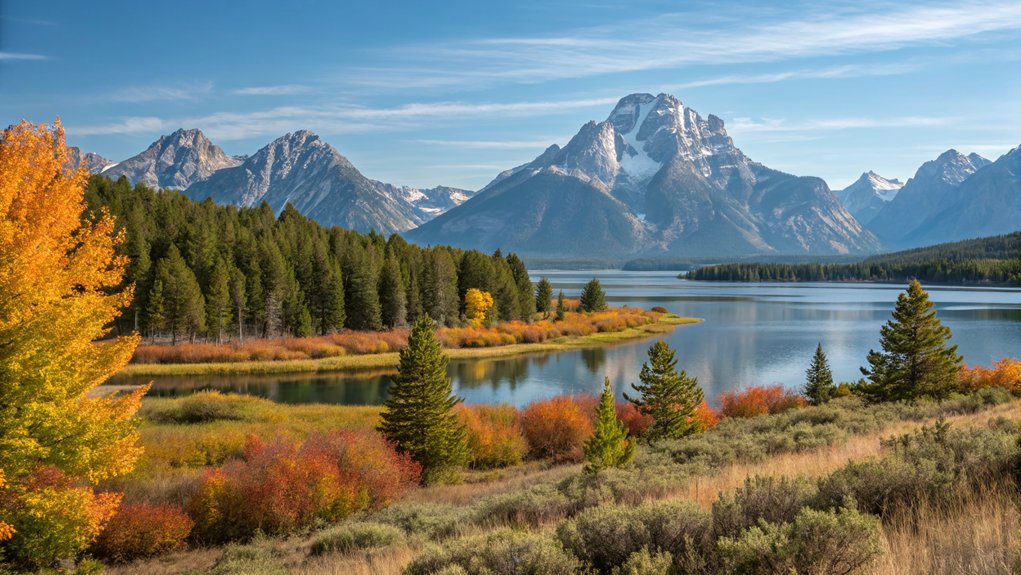
If you’re considering solo travel in Yellowstone, you’re in for an enriching experience. Imagine wandering through vast landscapes teeming with wildlife, where each step brings a new adventure. You’ll find solitude on scenic trails and moments of reflection by stunning waterfalls. But before you pack your gear, there are essential insights and tips that can enhance your journey. Let’s explore what makes solo adventures in Yellowstone truly special.
Key Takeaways
- Explore over two million acres of diverse ecosystems, ideal for immersing yourself in Yellowstone’s stunning natural beauty.
- Spot abundant wildlife, including grizzly bears and bison, while practicing safe viewing distances.
- Utilize the well-connected trail system for hiking iconic attractions at your own pace, enhancing your solo experience.
- Visit during quieter months like April or September for solitude and optimal wildlife viewing opportunities.
- Prioritize safety by carrying bear spray, informing someone of your plans, and following Leave No Trace principles.
Why Choose Yellowstone for Solo Travel?
Why should you consider Yellowstone for your next solo adventure?
With over two million acres of stunning landscapes, you’ll find a diverse range of ecosystems that cater to your love for nature and adventure.
You can immerse yourself in abundant wildlife, including grizzly bears, creating a genuine connection with the vibrant environment.
The park features a well-connected trail system, allowing you to explore iconic attractions like Old Faithful and Grand Prismatic Spring at your own pace.
Safety measures, like bear spray recommendations and ranger-led hikes, guarantee a responsible and enjoyable experience.
Plus, with low-cost camping options and reasonable entrance fees at $35 for a 7-day pass, Yellowstone offers an affordable getaway for solo travelers like you.
When to Visit Yellowstone for Ultimate Solitude?
If you’re seeking ultimate solitude in Yellowstone, plan your visit between September and November or April and May.
During these shoulder seasons, you’ll enjoy quieter trails and less crowded attractions, allowing for deeper reflection and animal watching.
The cooler weather also makes for comfortable hiking as you experience the park’s beauty without the summer rush.
Ideal Months for Solitude
Although summer might be the most popular time to visit Yellowstone, it’s during the shoulder seasons—April, May, and September through November—that you’ll find the ultimate solitude. During these months, you’ll experience fewer crowds and milder weather, perfect for your solo journey.
Consider these highlights:
- Spring: Spot bison calves and bear cubs against stunning snow-capped peaks.
- Fall: Experience golden aspens and the exciting elk rutting season.
- Early mornings or late evenings: Ideal for unique wildlife viewing without the daytime hustle.
- Scenic beauty: Both seasons offer vibrant colors and serene landscapes, enhancing your connection with nature.
Choosing these months adds to the tranquility you seek while exploring this breathtaking park.
Off-Peak Visiting Strategies
After you’ve chosen the ideal months for your solo adventure, consider some off-peak visiting strategies to enhance your experience in Yellowstone. The best times are April, May, and September to November. Here’s how you can maximize your solitude:
| Strategy | Benefits |
|---|---|
| Visit early mornings | Best wildlife sightings, fewer crowds |
| Late evening exploration | Enjoy tranquility and stunning sunsets |
| Explore shoulder seasons | Witness bison calves, vibrant foliage |
| Choose weekdays | Less crowded attractions |
| Discover hidden trails | Experience nature away from main spots |
Embrace cooler temperatures, blooming wildflowers, and fall colors while wandering iconic sights like Old Faithful with minimal company. Your solo journey will become a more intimate adventure in nature!
Essential Safety Tips for Solo Travelers
When exploring Yellowstone solo, safety should be your top priority.
Make sure you carry bear spray and know how to use it, as well as keep your navigation skills sharp with both digital and paper maps.
Bear Awareness Practices
As you commence your solo adventure in Yellowstone, staying bear aware is vital for your safety. Here are some important practices to keep in mind:
- Carry bear spray: Always have it accessible and know how to use it effectively.
- Keep your distance: Stay at least 100 yards away from bears and wolves, and 25 yards from other wildlife to minimize risks.
- Make noise: Talk loudly or clap while hiking to alert bears of your presence, helping prevent surprise encounters.
- Hike with others: If possible, travel in groups; if solo, consider guided ranger hikes on popular trails.
Also, inform someone of your plans, including your route and expected return time, to guarantee your safety remains a priority.
Navigation Tips Essentials
Traversing Yellowstone’s vast wilderness can be challenging, especially for solo travelers.
To navigate effectively, carry both a paper map and a downloaded version on your phone, as cell service is often limited. Always inform someone of your hiking plans, including your route and expected return time, to enhance your safety.
Familiarize yourself with bear spray and its usage, as encounters can occur in bear country. Dress in layers for the rapidly changing weather, and don’t forget to bring plenty of water and snacks to sustain you during your hikes.
Stick to designated trailheads and popular paths to maximize your safety and reduce wildlife encounters while exploring alone. Your preparedness will make your adventure enjoyable and safe.
Wildlife You Can’t Miss in Yellowstone
Yellowstone boasts an incredible array of wildlife, making it a can’t-miss destination for nature lovers. You’ll have opportunities to encounter majestic creatures in their natural habitat, especially in Lamar Valley and Hayden Valley.
Here are some highlights you don’t want to miss:
- Grizzly bears: Spot around 1,030 grizzlies, but keep a safe distance of 100 yards.
- Wolves: Watch these fascinating hunters, another must-see at 100 yards.
- Bison: Commonly seen along park roads, they often cause wildlife traffic jams—drive carefully!
- Elk: During fall’s rutting season, listen for the impressive bugling of male elk competing for mates.
Embrace the experience and make unforgettable memories with Yellowstone‘s wildlife! Yellowstone is also known as a living laboratory on an active Supervolcano.
Popular Hiking Trails for Solo Exploration
For solo adventurers, exploring the hiking trails in Yellowstone opens up a world of stunning landscapes and wildlife encounters.
The Mystic Falls Trail, a moderate 2-mile round trip, rewards you with a breathtaking waterfall and opportunities to spot deer and birds.
For a short but steep challenge, try the Brink of the Lower Falls Trail, just 0.7 miles round trip, where you’ll enjoy iconic views of one of Yellowstone’s most famous waterfalls.
The 6-mile Mount Washburn Trail offers panoramic vistas and chances to see bighorn sheep.
Want a unique geothermal experience? Hike the easy 5-mile Lamar Valley Trail for bison and elk sightings.
Finally, the Fairy Falls Trail leads you to spectacular views of one of the tallest waterfalls in the park.
Navigating Yellowstone: Essential Maps and Resources
How can you traverse the vast expanse of Yellowstone National Park effectively?
With its over two million acres, proper guidance is vital. Paper maps and pre-downloaded digital maps are essential, as cell signals can be unreliable.
Here are some tips to help you explore:
- Utilize visitor centers for free maps and valuable resources.
- Know the park’s five entrances, especially the year-round North and Northeast.
- Plan your travel on the Grand Loop roads, allowing enough time between locations.
- Consider guidebooks, maps, and ranger-led tours for insights into Yellowstone’s diverse ecosystems.
Armed with these tools and resources, you’ll enhance your experience while effectively traversing this stunning national park.
Happy exploring!
Unique Geothermal Wonders to Discover Alone
Ever wondered what geothermal wonders await you in Yellowstone? As you explore the park, don’t miss Old Faithful, the world’s most famous geyser, erupting every 90 minutes.
The vibrant Grand Prismatic Spring, the largest hot spring in the U.S., dazzles with its colorful bacteria thriving in mineral-rich waters. Check out the fascinating Norris Geyser Basin for more stunning hot springs and geysers.
If you’re lucky, you might catch the plume of steam from Steamboat Geyser, the park’s most active geyser. Remember, these geothermal sites not only captivate the eye but also support wildlife like bison and elk, which you can often spot nearby.
Embrace the unique beauty of Yellowstone’s geothermal landscape during your solo adventure!
Best Spots for Reflection and Contemplation
Where can you find the perfect spots in Yellowstone for reflection and contemplation?
This majestic park boasts breathtaking locations where you can connect with nature and your thoughts. Here are some top spots to explore:
- Artist’s Point: Enjoy stunning views of the Grand Canyon of Yellowstone while savoring serene moments.
- Yellowstone Lake: Contemplate the tranquil waters and watch wildlife at the lake’s expansive shores.
- Lamar Valley: Wander the quiet pathways, reflecting amidst abundant wildlife and breathtaking landscapes.
- Norris Geyser Basin: Experience the mystical surroundings, ideal for solitude and deep thoughts.
Each of these locations invites you to pause, breathe, and soak in the beauty of Yellowstone, making them perfect for solo reflection.
Ways to Connect With Fellow Travelers
Connecting with fellow travelers in Yellowstone can greatly enhance your solo adventure. As you explore the park’s breathtaking landscapes, take advantage of social spaces like the Bear Pit lounge at the Old Faithful Inn. The cozy seating arrangements encourage conversation, making it easy to strike up a chat with fellow adventurers.
Join ranger-led tours or group activities to bond with others over shared interests in wildlife and park exploration. You’ll also find camaraderie at shared dining experiences, like group meals in nearby towns such as Jackson and West Yellowstone.
Areas like Lamar Valley and Hayden Valley are perfect for organic conversations, where you can exchange tips and recommendations while enjoying the incredible wildlife. Embrace the connections you make while exploring!
How to Travel Yellowstone on a Budget as a Solo Adventurer
Traveling through Yellowstone on a budget as a solo adventurer is entirely achievable with a bit of planning. Here’s how you can make the most of your experience without overspending:
- Camping: Opt for campsites that charge between $20 to $30 per night for affordable accommodation.
- Park Admission: Purchase a $35 seven-day pass to freely explore the incredible landscapes.
- Dining on a Dime: Check out low-cost dining options at places like Old Faithful Inn, where reservations are easy.
- Free Activities: Enjoy hiking and wildlife watching—these experiences come at no extra cost once you’re inside the park.
With these tips, you’ll immerse yourself in Yellowstone’s natural beauty while keeping your budget intact.
Essential Camping Tips for Solo Travelers in Yellowstone
When you’re camping solo in Yellowstone, having the right gear and choosing the perfect campsite can make all the difference.
You’ll want to prioritize safety precautions to guarantee a smooth and enjoyable experience.
Let’s go over the essential gear checklist, share some campsite selection tips, and outline vital safety measures.
Essential Gear Checklist
Packing the right gear is essential for solo travelers looking to explore the stunning landscapes of Yellowstone.
A well-equipped daypack can make your adventure safe and enjoyable. Guarantee you include the following essentials:
- Navigation tools: A paper map and compass, plus any necessary navigation apps.
- Safety gear: Bear spray and a first aid kit to handle emergencies.
- Proper clothing: Dress in moisture-wicking base layers, insulating mid-layers, and waterproof outer layers for changing weather.
- Camping gear: A lightweight tent, sleeping pad, and a warm sleeping bag fit for cooler temperatures at night.
Being prepared guarantees you can fully immerse yourself in the breathtaking wilderness while keeping safety a top priority.
Happy travels!
Campsite Selection Tips
Selecting the right campsite can greatly enhance your solo adventure in Yellowstone. Start by considering the budget: standard sites range from $15 to $30 per night, while backcountry sites are just $3 per person.
During peak season, make sure to reserve in advance, especially near popular spots like Mammoth Hot Springs and Canyon Village. To enjoy solitude, pick campsites away from high-traffic areas, while staying close to hiking trails and water sources.
Check for amenities like restrooms, picnic tables, and fire pits to boost your comfort. Finally, always follow Leave No Trace principles to protect the beautiful environment and keep your campsite clean, ensuring you leave it just as you found it for the next adventurer.
Safety Precautions Overview
While exploring Yellowstone solo can be an exhilarating experience, prioritizing safety is essential for your well-being.
Here are key precautions to keep you secure:
- Always carry bear spray and know how to use it; encounters with Grizzly bears are a significant concern.
- Inform someone about your hiking plans, including your route and return time—this way, they can alert authorities if needed.
- Utilize maps and download GPS data since cell service is often unreliable in the park.
- Familiarize yourself with wildlife viewing guidelines, keeping at least 100 yards from bears and wolves and 25 yards from other wildlife.
Breathtaking Scenic Drives to Explore Alone
Have you ever dreamed of hitting the open road, surrounded by the stunning landscapes of Yellowstone?
The Grand Loop Road, stretching about 142 miles, is the ultimate route for solo travelers. It guides you to iconic sights like Old Faithful and the Grand Canyon of Yellowstone.
Don’t miss the Northeast Entrance, leading to the Beartooth Highway—a breathtaking 68-mile drive known for its high-altitude views, open from late May to mid-October.
For unforgettable wildlife encounters, cruise through Lamar Valley, especially during the morning or evening.
Take a serene drive around Yellowstone Lake, North America’s largest high-elevation lake, perfect for photos.
Finally, if you want solitude, explore Firehole Canyon Drive for stunning hot springs and the peaceful Firehole River.
How to Respect Nature While Exploring Solo
As you venture into the breathtaking landscapes of Yellowstone, it’s essential to respect and preserve the natural environment around you. By following these tips, you’ll guarantee a safe and enjoyable experience for both yourself and the wildlife.
- Carry out all trash and dispose of it in designated areas to maintain Yellowstone’s beauty.
- Stick to designated trails to minimize your impact on fragile ecosystems.
- Keep a safe distance from wildlife—100 yards from bears and wolves, 25 yards from other animals.
- Use bear spray responsibly; knowing how to deploy it effectively can save lives.
How to Plan Your Solo Yellowstone Adventure Itinerary
Planning your solo adventure in Yellowstone can be as exciting as the journey itself. To maximize your experience, break your itinerary into manageable sections: Grand Loop, Upper Loop, and Lower Loop. Here’s a helpful table to structure your visit:
| Day | Loop | Key Attractions |
|---|---|---|
| 1 | Grand Loop | Old Faithful, Yellowstone Lake |
| 2 | Upper Loop | Mammoth Hot Springs, Norris Geyser Basin |
| 3 | Lower Loop | Grand Prismatic Spring, Lower Falls |
| 4 | Explore Wild | Hiking & Wildlife Observation |
Prioritize safety by carrying bear spray, and keep someone informed of your plans. Visit in April, May, or September to November for milder weather and fewer crowds, following Leave No Trace principles throughout your adventure.
Frequently Asked Questions
Is Yellowstone a Good Solo Trip?
Yes, Yellowstone’s stunning landscapes and abundant wildlife make it a fantastic solo trip. You’ll find adventure, budget-friendly options, and chances to connect with fellow travelers, ensuring a memorable experience while exploring the park alone.
How Likely Are You to See a Grizzly Bear in Yellowstone?
You’re likely to see a Grizzly bear in Yellowstone, especially during spring months in Hayden or Lamar Valleys. Remember to keep your distance—at least 100 yards—and always carry bear spray for safety.
Leave a Reply