
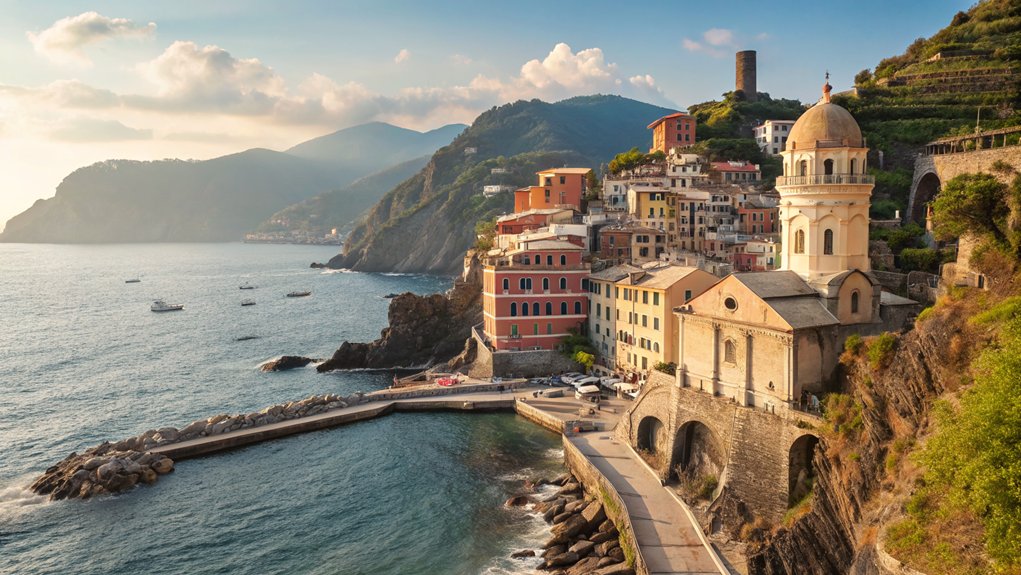
Planning a solo travel itinerary in Europe can be simpler than you might think. By focusing on safe cities with efficient transport, you can maximize your experience without feeling overwhelmed. From choosing the right destinations to selecting budget-friendly accommodations and dining, there’s a lot to take into account. Plus, it’s essential to blend structure with a bit of spontaneity. Let’s explore the key elements that can make your solo adventure both easy and rewarding.
Key Takeaways
- Choose safe and easily navigable cities like Seville, Edinburgh, and Florence for solo travel adventures.
- Incorporate day trips from major cities for diverse experiences while keeping accommodations simple.
- Utilize public transportation apps and consider multi-day passes for cost-effective city travel.
- Research and select budget-friendly dining options to enjoy local cuisine without overspending.
- Join hostels or local events to connect with fellow travelers and create meaningful experiences.
Why Solo Travel in Europe Is an Excellent Choice
If you’re considering a getaway, solo travel in Europe offers an unmatched blend of safety, culture, and convenience. Cities like Amsterdam, Vienna, and Helsinki are consistently ranked among the safest for solo travelers, giving you peace of mind as you explore.
You can easily navigate the continent thanks to a highly developed public transportation system and walkable cities, eliminating the stress of needing a rental car.
With a rich cultural heritage, Europe’s attractions, from Parisian museums to historical sites in Athens, promise immersive experiences.
Don’t forget about affordable accommodations like hostels and budget hotels, which foster community and connections among travelers.
Plus, shoulder seasons bring lower prices and fewer crowds, enhancing your journey even further.
For easier trip planning, rail options like Renfe routes connect major Spanish destinations with flexible travel and booking tools.
Essential Criteria for Solo Travel Itineraries in Europe
When planning your solo travel itinerary in Europe, it’s crucial to prioritize destinations that are both safe and easy to navigate.
Look for cities with walkable layouts or efficient public transport systems to keep navigation stress-free and allow for spontaneous exploration. Choose places known for their safety, especially for solo travelers, ensuring a worry-free experience.
Incorporate day trips to nearby attractions to enjoy diverse experiences without the hassle of shifting accommodations. Affordable dining and lodging options tailored for solo visitors will help you stick to your budget.
Finally, consider scheduling your trips during the shoulder seasons; this way, you can benefit from reduced costs and fewer crowds, making your travel experience even better.
Germany also offers barrier-free travel options that can make solo trips more accessible and convenient.
Discover the Best Cities for Solo Travel in Europe
Europe brims with vibrant cities perfect for solo travelers seeking adventure and culture.
You’ll find charming streets, rich histories, and welcoming atmospheres in these must-visit destinations:
- Seville, Spain: Highly walkable, safe, and filled with affordable tapas restaurants. Explore the nearby Alhambra Palace!
- Edinburgh, Scotland: A compact city center, magical connections to Harry Potter, and easy trips to the breathtaking Highlands await you.
- Florence, Italy: Immerse yourself in art and culture, dine at traditional trattorias, and venture into the enchanting Tuscan villages nearby.
These cities not only offer unique experiences but also cater to solo adventurers looking to enjoy their journey with ease and comfort. Lithuania’s regions also show how varied a solo journey can be, from urban energy to peaceful nature.
Choosing Day Trips for Your Travel
When planning your solo adventures, selecting the right day trips can make all the difference.
Focus on popular destinations that offer unique experiences and are easily accessible by public transport.
With the right choices, you’ll maximize your exploration and enjoyment, all while keeping travel stress to a minimum.
For an easy and memorable option, consider Taiwan’s night markets for local delicacies and a lively atmosphere.
Popular Day Trip Options
Choosing the right day trip can elevate your solo travel experience, letting you explore more without the hassle of changing accommodations.
Europe offers an array of stunning day trip options, all easily accessible by train. Here are some highlights you might consider:
- Zaanse Schans or Haarlem from Amsterdam: Just a 30-minute ride for charming landscapes and history.
- Salzburg from Munich: Under two hours to soak up Austrian culture and breathtaking scenery.
- Alhambra Palace from Seville: Experience one of Europe’s iconic landmarks in a day.
These destinations not only enrich your journey but also allow you to absorb the local culture without the stress of overnight stays.
Plan wisely and enjoy every moment!
Tips for Selecting Trips
Finding the perfect day trip can enhance your overall travel experience and help you make the most of your time. Choose destinations that are easily accessible via public transportation, like Haarlem from Amsterdam or Ronda from Seville.
Look for unique experiences, such as exploring Pompeii or the coastal towns along the Amalfi Coast, combining scenic beauty with historical significance. Enhance your primary destination by visiting nearby attractions like the White Villages or Alhambra Palace from Seville.
Opt for compact cities like Ghent, just 20 minutes from Bruges, for easy exploration. Ultimately, prioritize safety by researching day trip options in areas known for their tourist infrastructure, ensuring a welcoming and secure environment for solo travelers.
Public Transportation Tips for Solo Travelers in Europe
Public transportation in Europe is a solo traveler’s best friend, offering extensive and affordable options in cities like Amsterdam and Barcelona. Here are some tips to enhance your experience:
- Use transport apps: Download apps like Google Maps or Citymapper for real-time info on routes, schedules, and fares to streamline your travel plans.
- Buy multi-day passes: Consider transportation passes in cities like Paris or Vienna for unlimited travel at a flat fee, saving you money and hassle.
- Book trains in advance: Look into services like Eurail or Interrail for seamless city connections; advance booking often leads to significant savings.
Familiarizing yourself with local etiquette and being cautious of your belongings can make solo travel via public transport even smoother. Accessible travel resources can also help solo travelers with mobility needs plan routes and stations more confidently.
Budget-Friendly Destinations for Solo Travelers
When traveling solo in Europe, you don’t have to break the bank.
Cities like Bucharest and Porto offer affordable accommodations and delicious meals that won’t empty your wallet.
Let’s explore some budget-friendly destinations where you can enjoy rich experiences without overspending. Albania’s natural beauty also makes it an appealing option for solo travelers looking for affordable adventures.
Affordable Accommodation Options
While exploring Europe as a solo traveler, you’ll discover a wealth of affordable accommodation options that won’t strain your budget.
Cities like Seville offer hotels averaging $130 or less per night and Airbnbs under $80, making your stay enjoyable without overspending.
Edinburgh is another excellent choice, with numerous economical Airbnb options during the summer.
Don’t forget Florence, where you can find budget-friendly lodging alongside traditional trattorias.
Bruges also provides reasonably priced accommodations, especially during the shoulder season, while Barcelona boasts a vibrant collection of hostels to fit your wallet.
- Seville: Hotels under $130 and Airbnbs under $80
- Edinburgh: Economical summer Airbnbs
- Bruges: Affordable options during shoulder season
Inexpensive Dining Experiences
If you’re looking to enjoy delicious meals without stretching your budget, Europe offers a variety of dining experiences perfect for solo travelers.
In Seville, immerse yourself in tapas meals for around $15 paired with sangria for just $2.50.
Head to Edinburgh, where you can savor traditional meals for about £10, with plenty of cozy cafés welcoming solo diners.
Florence’s trattorias serve authentic pasta dishes hovering around €20—perfect for indulging without overspending.
Bruges tempts you with delightful chocolate shops and local beers, offering tastings at reasonable prices.
Finally, don’t miss Barcelona, where many eateries dish up meals for under €10, allowing you to explore the vibrant local food scene effortlessly.
Enjoy these budget-friendly dining options!
Stay Safe: Smart Tips for Solo Travelers
Staying safe as a solo traveler in Europe is crucial, so keeping your belongings secure and always in sight is essential, especially in crowded tourist spots.
To enhance your safety, consider these smart tips:
- Research accommodations beforehand, choosing places with positive safety reviews for location and security.
- Stay aware of your surroundings; trust your instincts. If something feels off, don’t hesitate to leave.
- Dress to blend in with locals—muted colors and comfortable attire can help you avoid unwanted attention.
Additionally, familiarize yourself with local emergency numbers and keep your phone charged for navigation and communication in case of emergencies.
Prioritizing your safety will allow you to enjoy your European adventure fully!
Recommended Packing Essentials for Solo Travel
Safety is important, but packing wisely can greatly enhance your overall solo travel experience in Europe.
Start by packing light with versatile clothing that layers well, helping you mix and match outfits without the bulk. A lightweight backpack or suitcase makes it easier to maneuver through crowded train stations and subways.
Don’t forget essential items like a portable charger for your devices, a reusable water bottle to stay hydrated, and a small first aid kit for minor health issues.
A travel guidebook or app will be invaluable for navigation in unfamiliar areas.
Finally, use safety items like a money belt or hidden pouch to keep your valuables secure while you explore busy tourist spots with peace of mind.
Connect With Other Solo Travelers During Your Trip
While traveling solo can sometimes feel isolating, connecting with other solo travelers can enrich your experience in Europe.
By engaging with like-minded individuals, you’ll not only share stories but might also create lasting friendships.
Here are a few effective ways to connect during your trip:
- Join social media groups for solo travelers to find connections online before arriving.
- Stay in hostels or co-living spaces that host communal events, making it easy to meet others.
- Attend local meetups or events through platforms like Meetup.com, tailored to your interests.
Frequently Asked Questions
What Documents Do I Need for Solo Travel in Europe?
You’ll need a valid passport, appropriate visas for your destinations, travel insurance, and any necessary medical documentation. Don’t forget to carry photocopies of important documents and keep emergency contacts handy while you’re exploring.
How Can I Meet Locals While Traveling Alone?
Join local events, workshops, or guided tours where you can interact with residents. Use apps that promote social meet-ups, like Couchsurfing. Cafés and community spaces are great places for casual conversations too. Remember, smiles help!
What Are the Best Apps for Solo Travelers in Europe?
Try using apps like Meetup for local events, Couchsurfing for free stays and connections, and Google Maps for navigation. Don’t forget language apps like Duolingo to break the ice with locals!
How Can I Avoid Tourist Traps During My Travels?
To avoid tourist traps, you should research local favorites, explore neighborhoods off the beaten path, and interact with locals for genuine recommendations. Trust your instincts, and prioritize experiences over popular sights for a more authentic trip.
What Should I Do in Case of an Emergency Abroad?
Stay calm and assess the situation. Contact local authorities or your embassy for assistance. Keep emergency numbers handy, have a backup plan for communication, and make certain your phone’s charged and accessible at all times.
Leave a Reply