
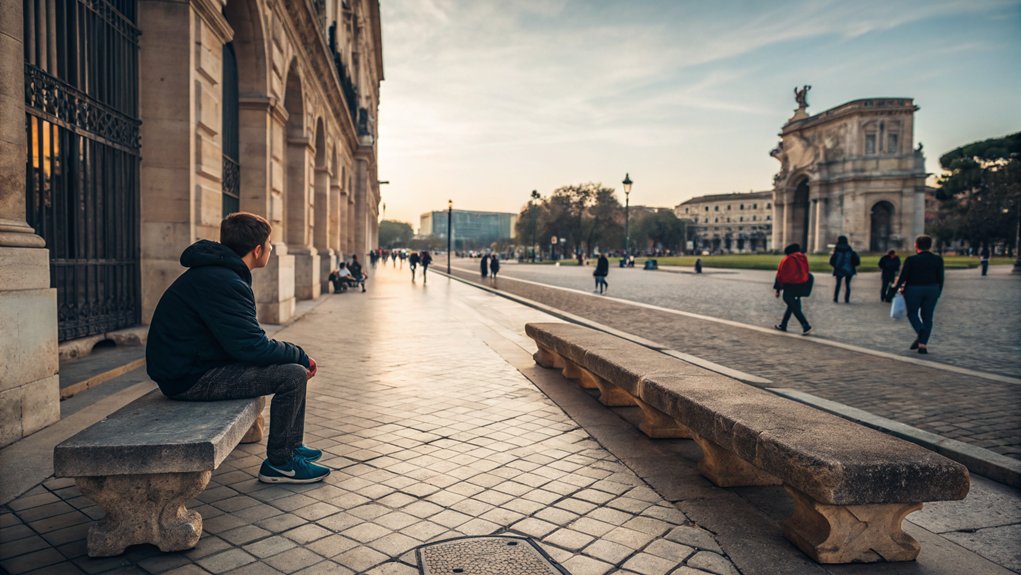
When you’re planning a trip, the choice between solo and group travel can feel overwhelming. Each option has its own set of advantages and challenges that could greatly influence your experience. Solo travel offers unmatched freedom, while group travel provides structure and shared moments. As you weigh your options, consider what matters most to you. Is it independence or connection with others? The answer might surprise you and shape your next adventure in unexpected ways.
Key Takeaways
- Solo travel offers complete freedom and customizable itineraries, ideal for those seeking independence and personalized experiences.
- Group travel provides discounted rates and streamlined logistics, making it easier for travelers to manage expenses and itineraries.
- Solo travelers tend to engage more deeply with local cultures through spontaneous interactions, fostering authentic experiences.
- Group dynamics can lead to social bonding but may also cause conflicts due to differing preferences among participants.
- Combining solo and group travel can enhance experiences, allowing cultural immersion alongside structured activities at popular destinations.
Understanding the Core Differences Between Solo and Group Travel
When you weigh the differences between solo and group travel, you’ll find that each approach offers unique benefits and drawbacks tailored to various traveler preferences.
Solo travel gives you total freedom; you can create your own itinerary and change plans on a whim. This independence allows for deeper cultural interactions and personal growth, though you might face challenges like loneliness and safety concerns.
Conversely, group travel simplifies logistics and reduces planning stress, as tour operators handle accommodations and transportation. It fosters social connections and provides built-in support for safety and security.
However, this structure may limit your personal freedom and require compromises in decision-making. Ultimately, your choice depends on your preferences for independence versus social interaction. A little insider knowledge can also make either style more rewarding by helping you choose smarter accommodations, activities, and routes.
Which Travel Style Suits You Best?
How do you know which travel style suits you best? Think about your personal preferences and comfort levels. Solo travel offers freedom to craft your own itinerary, ideal for those seeking self-discovery and cultural immersion. On the other hand, if you prefer built-in support and ready-made connections, group travel might be your style.
| Aspect | Solo Travel | Group Travel |
|---|---|---|
| Freedom | Total flexibility | Limited by group’s plans |
| Support System | Self-reliant | Shared experiences |
| Social Connections | Fosters independence | Forms friendships |
When traveling alone, paying attention to safety tips and local norms can make the experience more comfortable and enjoyable. Consider how much independence you crave versus the comfort of companionship. Evaluating these factors will guide you in choosing the best travel style for your journeys.
What Are the Budget Implications of Solo vs. Group Travel?
Considering the budget implications can greatly influence your choice between solo and group travel. As a solo traveler, you shoulder the entire cost of accommodations and transportation, often leading to a heftier total budget.
In contrast, group travel typically offers discounted rates through bulk bookings, creating significant savings on shared expenses. While you have the freedom to select budget-friendly options as a solo adventurer, group tours tend to offer fixed pricing, sometimes making it challenging to stick to your budget.
Additionally, group packages often include meals and entry fees, simplifying calculations but potentially resulting in higher upfront costs. Don’t forget to assess hidden costs in group travel, as they can negate potential savings, impacting your budget effectively across both styles.
How Social Interactions Enhance Travel
Social interactions play an essential role in enhancing your travel experience, whether you’re exploring solo or in a group.
In group travel, you bond with fellow travelers over shared experiences, fostering camaraderie that often leads to lasting friendships. These connections not only boost your enjoyment but also pave the way for networking and meaningful conversations that deepen your cultural understanding.
On the flip side, solo travel opens the door to spontaneous interactions with locals and other travelers, allowing for authentic exchanges that shine a light on the culture in ways structured tours might miss.
Both travel styles present unique opportunities for meeting new people, with group travel streamlining interactions while solo journeys encourage connections in unfamiliar environments. In Latvia, travelers can also connect through popular festivals that celebrate local customs and create memorable community experiences.
Overcoming Challenges: Loneliness in Solo Travel vs. Group Dynamics
When traveling solo, you might wrestle with feelings of loneliness as you explore new places without a companion.
On the other hand, group travel can sometimes create its own challenges, like feeling out of sync with others or facing conflicts in preferences.
Finding the right balance between solitude and social interaction is key to overcoming these hurdles and building meaningful connections abroad.
Navigating Feelings of Loneliness
Traveling alone can sometimes feel isolating, but it’s important to remember that loneliness can also creep into group travel experiences.
Whether you’re solo or in a group, it’s essential to navigate these feelings effectively. Here are a few strategies:
- Engage with Locals: Interacting with locals can provide enriching conversations and help you form meaningful connections that ease loneliness.
- Take Time for Yourself: In group settings, don’t hesitate to carve out moments of solitude. Stepping away can recharge your spirit and prevent emotional fatigue.
- Seek Opportunities to Connect: Look for smaller, more intimate gatherings within a group. These settings may foster deeper bonds than larger cliques.
Group Compatibility Challenges
While group travel can enhance your experience by fostering social connections, it can also present compatibility challenges that lead to feelings of exclusion. Larger groups may dilute meaningful interactions, making it hard to connect with others or engage deeply with local cultures. Mismatched interests or personalities can create tension, impacting everyone’s enjoyment.
| Group Dynamics | Challenges |
|---|---|
| Varying interests | Tension and exclusion |
| Large participant numbers | Limited local engagement |
| Different personalities | Hindered overall experience |
On the flip side, solo travel often presents opportunities for self-discovery. You may navigate unfamiliar spaces independently, yet loneliness can overshadow shared experiences. Balancing these dynamics is essential for a fulfilling journey.
Building Connections Abroad
Group travel offers instant social connections but can also create feelings of exclusion among participants. While it’s easier to bond with others in a group, some travelers might find themselves feeling left out or disconnected.
On the flip side, solo travelers often grapple with loneliness but have the opportunity to meet locals and other travelers at their own pace.
Here are some tips for building connections abroad:
- Engage in Group Activities: Join tours or classes to meet people while sharing experiences.
- Talk to Locals: Don’t hesitate to strike up conversations; locals often appreciate when you engage with them.
- Be Open and Adaptable: Embrace different personalities and perspectives, regardless of your travel style.
Ultimately, both solo and group travel can foster meaningful connections if you actively seek them.
How Does Group Travel Enhance Safety and Community?
When commencing a journey with others, the built-in support system greatly enhances safety and fosters a sense of community among travelers. You can rely on fellow adventurers and a knowledgeable tour guide, ensuring assistance in unfamiliar environments.
The presence of a tour leader offers valuable insights that make navigation easier and mitigate risks, particularly where language barriers exist. Traveling in a group also reduces feelings of isolation, providing comfort and security through shared responsibilities.
You’ll find that group dynamics allow for shared experiences, enabling everyone to stay alert to potential dangers like theft or tricky situations. Additionally, pre-arranged accommodations and transportation further minimize risks, making your travel experience more secure and enjoyable overall. Skift’s focus on travel climate shows how sustainability and industry resilience are increasingly shaping safer, more responsible journeys.
The Freedom of Solo Travel: Why Independence Matters
Embracing the freedom of solo travel allows you to craft your own adventure, exploring at your own pace without needing to accommodate anyone else’s schedule. This independence opens up a world of opportunities, where you can truly connect with your surroundings.
Here are a few reasons why independence matters in solo travel:
- Personalized Itineraries: You can create a travel plan that suits your interests, allowing for spontaneous exploration and discovery.
- Personal Growth: Maneuvering through unfamiliar environments challenges you, helping you develop confidence and adaptability.
- Cultural Engagement: Traveling alone encourages deeper connections with locals, leading to authentic experiences free from group distractions.
With this freedom, you’ll enrich your journey, creating memories that resonate long after your trip ends.
Evaluating Personal Preferences in Travel Decisions
Personal preferences in travel can greatly shape your experiences and enjoyment on the road.
Your previous travel experiences often influence whether you favor the independence of solo trips or the camaraderie found in group tours. Budget plays an essential role too; while solo travel lets you control your costs, group travel might offer savings through shared expenses.
Comfort with traversing unfamiliar places also varies, impacting your confidence in choosing between these options. If you seek authentic cultural experiences, you might lean toward solo travel, but group travelers may engage more with guides and fellow travelers.
Ultimately, your individual travel style—whether you prioritize spontaneity or connection—will greatly influence your travel decisions. Choose what resonates with you for the most fulfilling journey.
For travelers comparing options in Australia, accessible travel resources and sustainable experiences can help shape choices that suit different needs and values.
Final Thoughts: Balancing Solo and Group Travel Experiences
As you explore the world, finding the right balance between solo and group travel can enhance your experiences greatly. By mixing both styles, you gain the independence of solo journeys and the social bonds of group tours.
This approach allows you to adapt your travel experiences based on your mood and destination. Consider the following:
- Solo Exploration: Embrace cultural immersion when wandering alone, finding hidden gems that group tours may overlook.
- Group Activities: Join day tours for structured exploration, benefiting from shared experiences at iconic attractions.
- Flexibility: Use a combination of both styles to cater to your varied interests and travel goals, ensuring a fulfilling adventure.
Louisiana’s scenic byways can also inspire travelers who want a blend of independent discovery and shared road-trip experiences.
Frequently Asked Questions
What Are the 5 Types of Travelers?
There are five types of travelers: The Adventurer, The Social Butterfly, The Comfort Seeker, The Solitary Scholar, and The Budget-Conscious Explorer. Each type experiences travel differently, reflecting personal preferences and priorities.
Is 27 Too Old to Solo Travel?
No, 27 isn’t too old to solo travel. It’s actually a fantastic age to explore on your own, embracing new experiences, building self-reliance, and connecting with others. You’ll thrive in this adventure!
Leave a Reply