
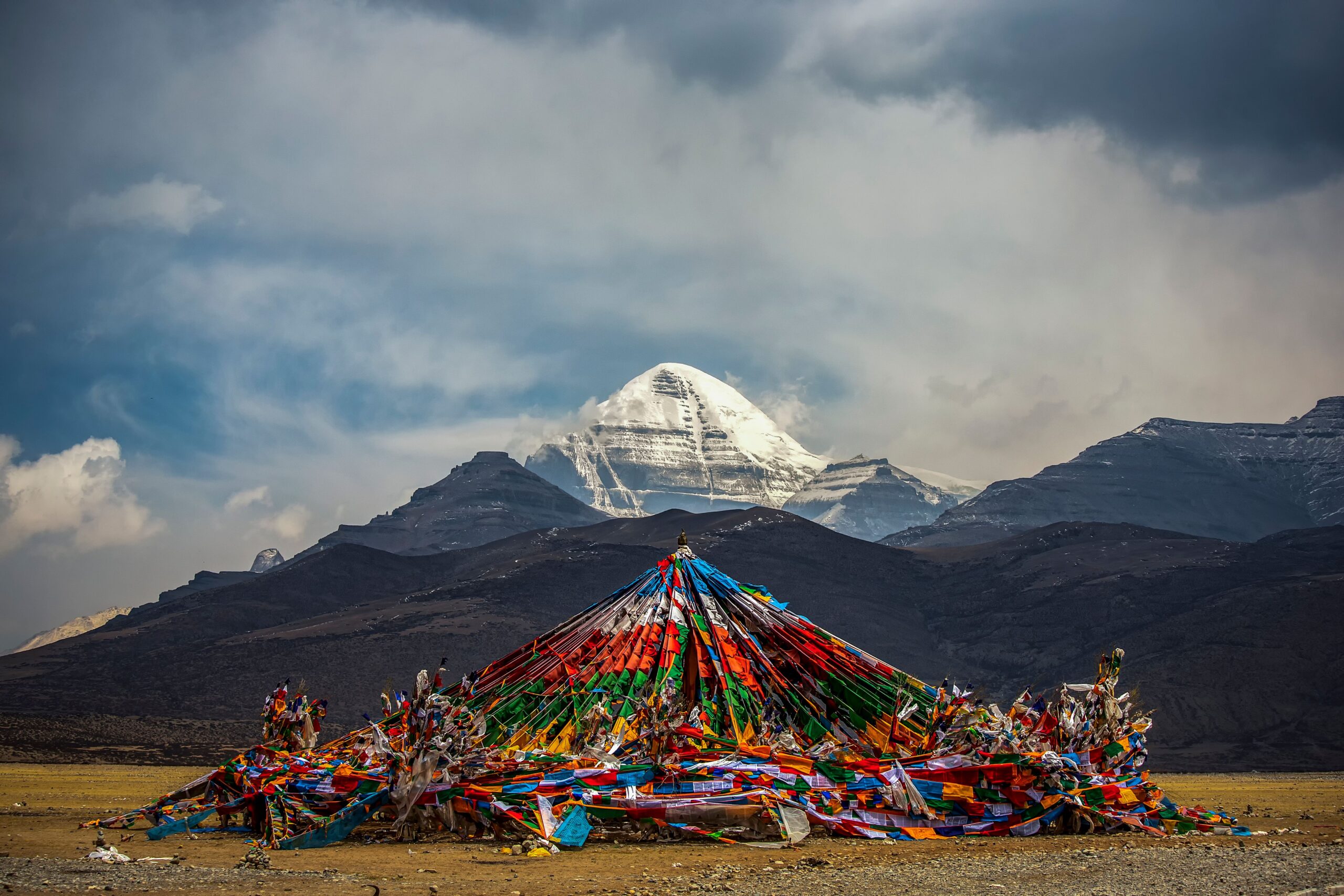
Embarking on a journey to Tibet in 2026 offers an unparalleled experience, lending breathtaking landscapes with profound spiritual encounters. This guide provides authoritative, actionable advice for your tranquil escape to the Tibetan Autonomous Region, ensuring a smooth and memorable adventure.
Tibet, often called the “Roof of the World”, captivates international tourists with its high plateaus, ancient monasteries, and vibrant culture. Planning your Tibet tour requires careful attention to specific regulations, particularly regarding the Tibet Travel Permit.
Navigating Tibet Travel Permits
The Tibet Travel Permit, also known as the Tibet Entry Permit or Permit to Visit Tibet, is absolutely essential for all non-Chinese passport holders. This critical travel document is issued by the Tibet Tourism Bureau.
You cannot apply for this permit independently. Instead, a licensed Tibet travel agency must handle the application on your behalf. This is a critical first step for any international tourist planning a Tibet visit, whether for a Tibet tour or a specific destination like Lhasa.
Who Needs a Tibet Travel Permit?
Every foreign traveler, regardless of nationality, requires a Tibet Travel Permit. This includes those entering the Tibetan Autonomous Region from mainland China, Hong Kong, Macau, or Nepal. It is mandatory for boarding flights or the Tibet train bound for Lhasa.
Even if you hold a valid Chinese visa or are eligible for China’s visa-free policy, the Tibet Travel Permit is still a strict requirement for entry into the Tibetan Autonomous Region. This applies to all travelers, including those planning a Lhasa Kathmandu journey or an overland tour.
Applying for Your Tibet Travel Permit
The Tibet permit application process is straightforward when handled by an experienced tour operator like Tibet Vista. Here is a general overview of the steps involved for your Tibet tour:
-
- Book Your Tibet Tour: First, you must confirm your Tibet tour itinerary with a registered Tibet travel agency. This itinerary will be part of your permit application.
- Provide Documents: You will need to submit a clear passport copy and a copy of your valid Chinese visa to your chosen travel agency.
- Agency Application: Your Tibet travel agency will then submit these documents to the Tibet Tourism Bureau and the Tibet Foreign Affairs Office.
- Permit Issuance: Once approved, the permit is issued. The processing time typically ranges from 8 to 15 working days for your Tibet Entry Permit.
- Receiving Your Permit: Your travel agency will arrange for the permit to be delivered to your hotel in a Chinese gateway city. In some cases, if flying from Nepal, it can be sent directly to you via express delivery service.
Your Tibet Travel Permit is your golden ticket to the Roof of the World. Ensure you partner with a reputable Tibet travel agency to guarantee a smooth Tibet permit application process for your unforgettable Tibet tour.
Additional Permits for Special Regions
Beyond the primary Tibet Travel Permit, certain areas within Tibet require supplementary permits. These are typically arranged by your tour operator as part of your overall Tibet tour package and are crucial for destinations like Mount Everest Base Camp or Mount Kailash.
-
- Alien’s Travel Permit: Required for travel to restricted areas outside of Lhasa, such as Shigatse, Ngari, and Mount Everest Base Camp.
- Military Permit: Necessary for sensitive border areas, including Mount Kailash and Lake Manasarovar, especially for a Mount Kailash pilgrimage.
- Foreign Affairs Permit: Sometimes needed for specific regions within the Tibetan Autonomous Region, also handled by your Tibet travel agency.
Always consult with your Tibet travel agency about all required permits for your chosen itinerary. They possess the expertise to navigate these complex regulations and ensure your Tibet tourism experience is seamless.
Exploring Lhasa: The Heart of Tibet
Lhasa, the capital of the Tibetan Autonomous Region, stands as the spiritual and cultural epicenter of Tibet. Situated at an altitude of approximately 3,656 meters, it is a city of profound historical and religious significance. Your Tibet tour will undoubtedly feature this captivating city.
Visiting Lhasa offers a deep dive into Tibetan Buddhism, with its iconic monasteries, palaces, and bustling streets. You will find ancient traditions preserved with reverence, making it a key destination for international tourists.
Must-Visit Sites in Lhasa
-
- Potala Palace: This majestic palace, once the winter residence of the Dalai Lamas, is a UNESCO World Heritage site and an architectural marvel. Its red and white palaces house numerous chapels, stupas, and murals. A visit here is central to any Lhasa experience.
- Jokhang Temple: Considered the most sacred temple in Tibet, Jokhang Temple is the ultimate pilgrimage destination for Tibetan Buddhists. Its Barkhor Street surrounds it, a lively pilgrimage circuit and market. This site is crucial for understanding Tibet tourism.
- Barkhor Street: This circumambulation circuit around Jokhang Temple is a vibrant tapestry of commerce and devotion. You can observe pilgrims prostrating and shop for traditional Tibetan crafts, offering a unique cultural experience in Lhasa.
- Sera Monastery: Famous for its monk debates, Sera Monastery offers a fascinating glimpse into monastic life and Buddhist philosophical discussions. It’s a key stop for those interested in the spiritual depth of the Tibetan Autonomous Region.
- Drepung Monastery: Once the largest monastery in the world, Drepung Monastery was home to thousands of monks. Its grand halls and chapels are steeped in history and spirituality, providing another essential insight into Tibetan culture.
In short, Lhasa provides an immersive cultural experience, where every corner tells a story of faith and resilience. Remember, your Tibet Travel Permit and careful planning with a licensed Tibet travel agency are essential for this unforgettable journey.
Beyond Lhasa: Plateaus and Sacred Peaks
While Lhasa serves as the spiritual heart, the vast Tibetan Plateau offers an entirely different scale of wonder. To truly experience this expansive region, an overland tour is often the most rewarding approach for international tourists.
These journeys extend far beyond the capital, incorporating visits to high-altitude lakes, remote monasteries, and the majestic Himalayan ranges. Many Tibet group tours include the iconic Mount Everest Base Camp.
Journeys to Mount Everest Base Camp
A Lhasa Everest Base Camp overland tour is one of the most popular Tibet tours. This unforgettable journey typically takes you through historic cities like Shigatse, Gyantse, and Tingri, offering stunning, panoramic views of the Himalayas.
Reaching Mount Everest Base Camp (EBC) on the Tibetan side provides an unparalleled experience, allowing you to witness the world’s highest peak up close. Remember that an Alien’s Travel Permit, a specific type of Tibet Travel Permit, is required for this area, which your Tibet travel agency will help you secure.
Mount Kailash and Lake Manasarovar Pilgrimage
For those seeking a deeper spiritual journey, a Mount Kailash pilgrimage is an ultimate undertaking. Located in the Ngari Prefecture, Mount Kailash is considered sacred by Buddhists, Hindus, Jains, and Bön practitioners, making it a focal point for Tibet tourism.
Pilgrims undertake a Kora, a circumambulation around the mountain. Nearby, Lake Manasarovar, one of the highest freshwater lakes in the world, is also revered for its spiritual significance. A Military Permit, another essential travel document for this region, is required for this pilgrimage tour. Your tour operator, such as Tibet Vista, can assist with all necessary permits from the Tibet Tourism Bureau.
Entry and Exit Points for Tibet Travel
For international tourists, your journey into the Tibetan Autonomous Region typically begins from either mainland China or Nepal. Each route presents distinct considerations regarding the Tibet Travel Permit and overall logistics.
Your chosen Tibet travel agency, such as Tibet Vista, will be instrumental in guiding you through the optimal entry and exit strategies tailored to your comprehensive travel plan.
Entry from Mainland China
Most travelers choose to enter Tibet from major Chinese cities, including Beijing, Shanghai, Chengdu, or Xining. You can travel by flight to Lhasa Gonggar International Airport or opt for the scenic Tibet train.
The Tibet Travel Permit is rigorously checked before you board any flight or train destined for Lhasa. It is crucial to have the physical permit in hand before your departure. The Tibet Tourism Bureau and Tibet Foreign Affairs Office oversee these regulations.
Entry from Nepal (Kathmandu)
Traveling from Kathmandu, Nepal, to Lhasa, Tibet, generally involves an overland tour. This iconic Lhasa Kathmandu journey requires a special “Group Tourist Visa” for China, which your tour operator will arrange in Kathmandu.
This visa is distinct from a standard Chinese visa. The Tibet Travel Permit will also be a mandatory travel document. The Sino-Nepal border crossing involves specific customs clearance procedures overseen by the Tibet Tourism Bureau.
Essential Travel Information for Your Tibet Visit
Planning your Tibet visit requires careful consideration of several practical aspects. From preventing altitude sickness to choosing the ideal time to travel, your Tibet travel agency will be your invaluable partner.
They provide comprehensive advice, ensuring your comfort and safety throughout your tranquil escape to the Tibetan Autonomous Region.
Altitude Sickness Prevention for Your Tibet Tour
Tibet’s high altitude, especially in areas like Lhasa and leading up to Mount Everest Base Camp, can affect some international tourists. Acclimatizing slowly is crucial for a successful Tibet tour.
Spending a few days in Lhasa upon arrival helps your body adjust. Stay hydrated, avoid strenuous activity during your initial days, and consult your doctor about preventative medications.
Your tour operator will also provide guidance on managing altitude, making your Tibet visit as smooth as possible.
Best Time for Tibet Tourism
The best time for Tibet tourism is generally from April to October. During these months, the weather is milder, and many major festivals occur, offering vibrant cultural experiences.
However, some international tourists prefer the quieter, colder winter months for unique perspectives, though certain routes, especially towards Mount Kailash, may be inaccessible.
Always check with your tour operator for specific seasonal advice. Your Tibet travel agency can help you plan the optimal time for your Tibet tour, whether you’re aiming for Lhasa, Mount Kailash, or Lake Manasarovar.
Choosing a Reliable Tibet Travel Agency
Selecting a reputable Tibet travel agency is paramount for a successful Tibet tour. They are responsible for securing your Tibet Travel Permit, crafting your itinerary, arranging your guide, and managing transportation.
Look for agencies with extensive experience, positive reviews, and a clear understanding of the latest regulations from the Tibet Tourism Bureau and the Tibet Foreign Affairs Office.
A well-chosen tour operator, such as Tibet Vista, simplifies the entire Tibet permit application process. This allows you to focus on the tranquility of your escape and the profound experiences awaiting you in the Tibetan Autonomous Region.
Key Differences: Chinese Visa vs. Tibet Travel Permit
Understanding the distinction between a Chinese visa and the Tibet Travel Permit is crucial for international tourists planning their tranquil escape. These are two distinct and equally important travel documents required for your Tibet tour.
Here is a comparison to help you navigate the requirements for your Tibet visit:
| Feature | Chinese Visa | Tibet Travel Permit |
|---|---|---|
| Issuing Authority | Chinese Embassy/Consulate | Tibet Tourism Bureau |
| Purpose | Entry to Mainland China | Entry to the Tibetan Autonomous Region |
| Application Method | Individual or via agency | Only via a licensed Tibet travel agency |
| Requirement for Tibet | Mandatory (unless visa-exempt, e.g., for Hong Kong or Macau residents with specific permits) | Always mandatory for all non-Chinese passport holders, including those from Hong Kong, Macau, and Taiwan, to visit Tibet. |
| Who Needs It | Most foreign nationals entering China | All international tourists entering Tibet, whether visiting Lhasa, Everest Base Camp, or Mount Kailash. |
As you can see, securing both your Chinese visa and the Tibet Travel Permit is essential for a seamless journey to Tibet. Your chosen Tibet travel agency will be instrumental in helping you apply for the Tibet Travel Permit, ensuring all aspects of your Tibet permit application are handled efficiently for your Tibet tour.
Frequently Asked Questions About Your Tibet Travel Permit
Planning a tranquil escape to the Tibetan Autonomous Region involves understanding several key requirements. Here are answers to common questions about the Tibet Travel Permit and your journey to Lhasa and beyond, ensuring your Tibet tour is seamless.
Do I need a Tibet Travel Permit if I have a Chinese visa?
Yes, absolutely. The Tibet Travel Permit is a separate and mandatory travel document for all non-Chinese passport holders. Even if you already possess a valid Chinese visa, you still require this permit to visit Tibet. Think of it as your essential permit to visit Tibet, distinct from your entry visa to China.
Can international tourists travel to Tibet independently?
No, international tourists are not permitted to travel independently in the Tibetan Autonomous Region. You must book your Tibet tour through a licensed Tibet travel agency and be accompanied by a guide throughout your trip. Your tour operator, such as Tibet Vista, will arrange your Tibet group tours and ensure compliance with all regulations from the Tibet Tourism Bureau and Tibet Foreign Affairs Office.
How long does it take to apply for the Tibet Travel Permit?
The processing time for the Tibet Travel Permit typically ranges from 8 to 15 working days. It is advisable to apply well in advance of your planned travel dates, especially during peak season when demand for Tibet tourism is high. Your Tibet travel agency will submit your Tibet permit application to the Tibet Tourism Bureau on your behalf.
What documents do I need to apply for the Tibet Travel Permit?
To apply for your Tibet Entry Permit, you will need a clear passport copy and a copy of your valid Chinese visa (if you are entering from mainland China). Your chosen Tibet travel agency will guide you through the specific requirements and assist with the entire Tibet permit application process. For those entering from Nepal, a different visa arrangement is required.
Can I enter Tibet from Nepal?
Yes, you can enter Tibet from Nepal, often as part of a Lhasa Kathmandu journey or an overland tour. However, this route requires a special “Group Tourist Visa” for China, which your Tibet travel agency will arrange in Kathmandu. This is different from a standard Chinese visa obtained in your home country. This is crucial for those planning a Mount Kailash pilgrimage or visiting Everest Base Camp from Nepal.
Leave a Reply