
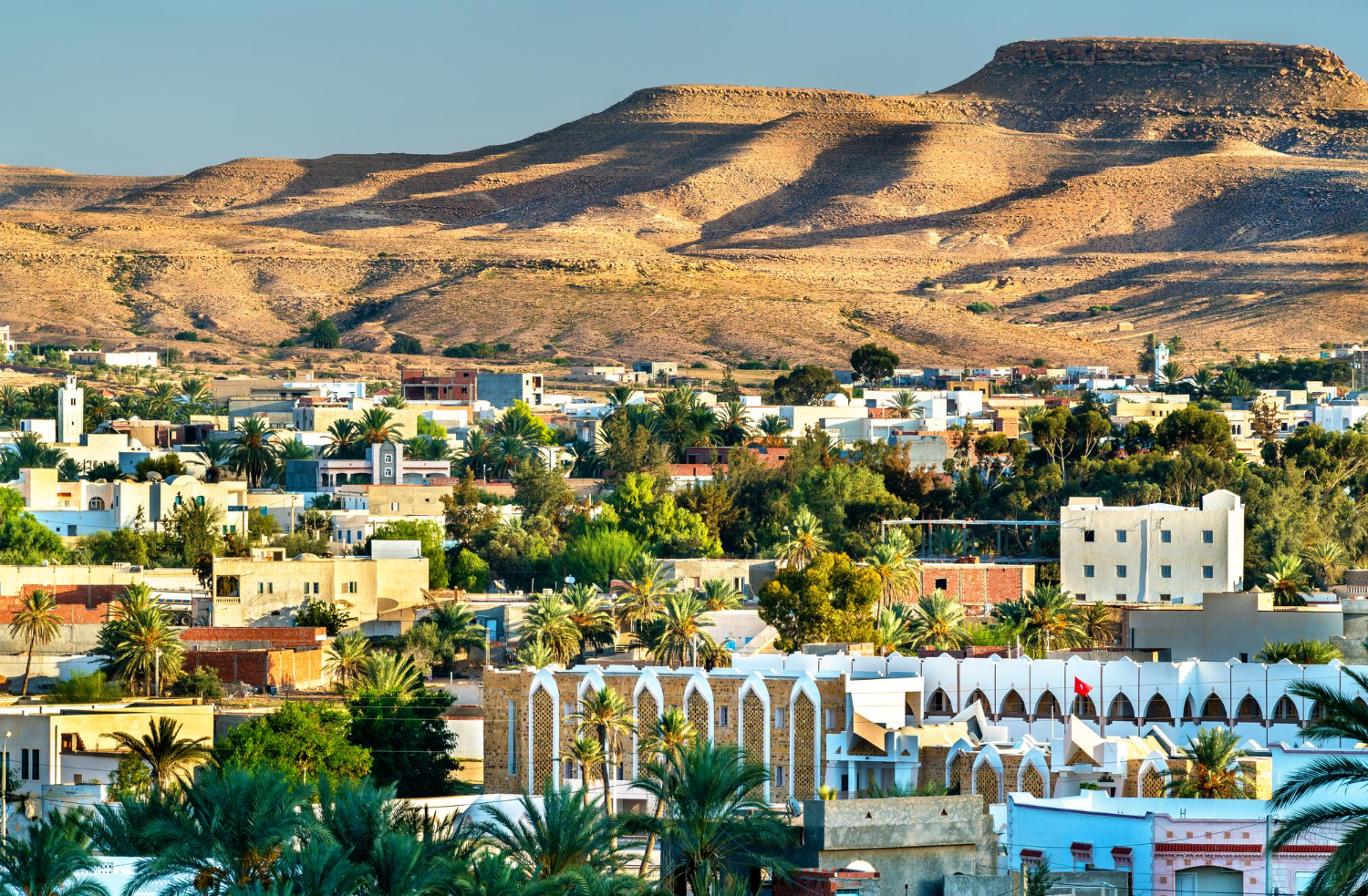
Tunisia, a jewel of North Africa, offers an unparalleled journey through history, culture, and breathtaking landscapes. This nation, nestled between the Mediterranean Sea and the Sahara Desert, invites you to discover its ancient wonders and vibrant modern life.
You can explore Phoenician origins, Roman grandeur, and spiritual Islamic heritage. It is a destination that truly combines tranquil escapes with profound historical immersion, making Tunisia tourism a rich experience.
Tunisia was once a jewel of the Roman Empire, serving as the “breadbasket” of the Mediterranean. Today, its remarkably intact ruins offer a window into an era of unparalleled architectural and cultural expansion.
As you plan your North Africa travel, prepare to uncover the layers of Tunisian culture, from the Punic Ports of Ancient Carthage to the vastness of the Sahara Desert. This guide will take you through the most iconic sites, including the Carthage ruins, the magnificent El Djem Amphitheatre, and the serene blue-and-white village of Sidi Bou Said.
Discover Ancient Carthage and Its Ruins
Carthage, positioned near Tunisia’s capital city of Tunis, stands as a powerful testament to an ancient civilization. Its extensive ruins tell stories of a city that once rivaled Rome, showcasing profound Phoenician history.
You can wander through this expansive archaeological site, a recognized World Heritage location that includes impressive Roman villas and the monumental Baths of Antonine. These structures beautifully illustrate Tunisia’s rich heritage and the enduring legacy of Ancient Carthage.
The Carthage National Museum further enhances this experience. It houses an extraordinary collection of mosaics and artifacts, spanning from the Phoenician era to the Roman period. Here, you will gain deep insights into daily life centuries ago, including the sophisticated Punic Ports.
Explore Tunis Medina and Its Vibrant Souks
The heart of Tunis beats within its labyrinthine Medina, recognized as one of North Africa’s most atmospheric and well-preserved examples. Its narrow alleys buzz with activity, inviting you to explore the rich Tunisian culture.
The Medina of Tunis, a UNESCO World Heritage site, serves as the historic heart of the capital. This labyrinth of narrow alleys and ornate doorways offers an expert look into centuries of Islamic architecture and vibrant local commerce.
Here, artisan shops showcase traditional crafts, from intricately hammered copper to beautifully woven carpets. The air is often filled with the aromatic scents of spices, making the Tunis souks a sensory delight.
Beyond the bustling souks, the Medina’s architecture is captivating. Graceful arches, tiled courtyards, and colorful doors reveal centuries of urban life and cultural fusion. The historic Zitouna Mosque, an iconic landmark, stands as a central pillar of cultural and spiritual significance within this vibrant hub, echoing the profound Phoenician history and Islamic heritage of Tunis capital.
Visit the Charming Blue-and-White Village of Sidi Bou Said
Perched majestically above the Mediterranean Sea, Sidi Bou Said is a village renowned for its distinctive blue-and-white architecture. Its charm has inspired countless artists over the years, making it a quintessential symbol of Tunisian charm and tranquility.
This picturesque village offers panoramic views of the sparkling Mediterranean, creating a serene and idyllic atmosphere. You can stroll through its cobbled streets, admiring the whitewashed houses with their vibrant blue doors and window frames, a true representation of Tunisian architecture.
Sidi Bou Said provides a perfect escape for relaxation and aesthetic appreciation, offering a stark contrast to the bustling Tunis Medina. It’s a must-see for anyone exploring North Africa travel.
Beyond the coast, the colossal amphitheater of El Jem stands as a masterpiece of Roman engineering. This remarkably preserved arena, which once seated 35,000 spectators, offers an evocative glimpse into the grandeur of ancient North Africa.
El Djem Amphitheatre: A Roman Marvel
Journey south from Sidi Bou Said to witness the awe-inspiring El Djem Amphitheatre, one of the largest and best-preserved Roman amphitheaters outside of Italy. This UNESCO World Heritage site is a monumental achievement of ancient engineering, showcasing the enduring influence of Rome across North Africa.
Its grand scale and remarkable preservation, including intricate underground passages and towering arches, transport you back to the era of gladiator games. You can explore its various levels and imagine the roar of ancient crowds within this magnificent Roman ruin in Tunisia.
The El Djem Amphitheatre stands as a powerful reminder of Rome’s extensive footprint. It is a must-see for any history enthusiast exploring Tunisia tourism and ancient Carthage’s legacy.
Kairouan as a Spiritual Center
Kairouan holds profound spiritual significance, recognized as one of Islam’s holiest cities and a UNESCO World Heritage site. This ancient city offers a deep dive into Tunisia’s rich religious heritage, making it a pivotal stop for North Africa travel.
You can explore the majestic Great Mosque of Kairouan, an architectural masterpiece and a pivotal site for Islamic scholarship. Its grand courtyards and ancient minarets showcase stunning Tunisian architecture.
Beyond its spiritual landmarks, Kairouan’s Medina features lively artisan workshops and vibrant souks. Here, traditional crafts flourish, and you can sample local delights like makroudh, a traditional sweet pastry. This city provides a rich cultural experience, blending spiritual tranquility with authentic Tunisian culture.
Tunisia’s Coastal Towns: Hammamet and Nabeul
Tunisia’s Mediterranean coastline boasts enchanting towns perfect for relaxation and cultural immersion. Hammamet, a popular destination, is celebrated for its beautiful beaches and luxurious resorts.
You can unwind on sandy shores or explore its charming Medina. Hammamet offers a blend of serene seaside escapes and vibrant local life.
Nearby, Nabeul is renowned for its vibrant ceramics markets and traditional pottery. This town provides a unique opportunity to witness artisan craftsmanship firsthand. Both Hammamet and Nabeul offer distinct experiences, making them ideal stops for a diverse Tunisian itinerary for Mediterranean travel.
For a refreshing change of pace, head to the lush forests of Ain Draham in the Kroumirie Mountains. This alpine-style village offers a cool, misty escape perfect for hiking and discovering Tunisia’s greener side.
Sahara Desert and Oasis Towns: Tozeur and Douz
The vast and mystical Sahara Desert beckons adventurers to Tunisia’s southern reaches. Tozeur serves as a primary gateway to this magnificent desert landscape, a vital part of Tunisia tourism.
This oasis town is famous for its extensive palm groves and unique architecture built with local bricks. It also holds cinematic fame as a filming location for Star Wars. You can explore its charming streets and date palm oases, immersing yourself in Tunisian culture.
From Tozeur, embark on thrilling 4×4 rides or serene camel treks into the desert. You will discover the breathtaking desert dunes. Douz, often called the “Gateway to the Sahara,” offers similar desert adventures, especially captivating at sunset. These experiences allow you to truly immerse yourself in the Sahara’s grandeur, making it a highlight of North Africa travel.
For a truly unique desert experience, visit Matmata to see its famous troglodyte dwellings. These subterranean homes, carved into the earth, offer a fascinating look at traditional Berber life and served as an iconic filming location for Star Wars.
Nearby, Ksar Ouled Soltane stands as a striking example of Berber architecture. This multi-story fortified granary, with its beautifully preserved vaulted Ghorfas, offers an evocative glimpse into traditional desert life and ancient storage techniques.
For another cinematic detour, Ksar Hadada is a must-visit. This ancient fortified granary, with its unique vaulted Ghorfas, gained global fame as a backdrop for Star Wars: The Phantom Menace.
Deep in the southern landscape, the hilltop village of Chenini offers a breathtaking glimpse into Berber history. This ancient, fortified granary and village blends seamlessly into the rugged cliffs, providing an evocative and expert perspective on Tunisia’s enduring cultural heritage.
Djerba Island: A Multicultural Haven
Off Tunisia’s southern coast, Djerba Island offers a tranquil escape with its unique blend of culture and natural beauty. This island is characterized by its pristine beaches and charming whitewashed villages, making it a perfect spot for Mediterranean travel.
Djerba is a testament to Tunisia’s rich multicultural heritage, home to diverse communities. A significant landmark is the historic Ghriba Synagogue, one of the oldest synagogues in Africa, found near Houmt Souk.
The island provides a relaxed atmosphere, making it an ideal destination for those seeking both peaceful relaxation and cultural exploration. You will find a harmonious mix of traditions and landscapes on Djerba Island, showcasing a unique facet of Tunisian culture.
Essential Tunisia Travel Information
Planning your journey to Tunisia requires some practical considerations. Preparing in advance ensures a tranquil and enriching experience as you explore everything from the ancient Carthage ruins to the vast Sahara Desert.
| Category | Details |
|---|---|
| Best Time to Visit | Spring (April to June) and Autumn (September to November) offer pleasant weather for exploring, perfect for enjoying Hammamet beaches or the Tunis Medina. |
| Currency | The local currency is the Tunisian Dinar (TND). Credit cards are accepted in major hotels and shops, particularly in tourist-friendly areas like Sidi Bou Said. |
| Language | Arabic is the official language. French is widely spoken, and English is understood in major tourist areas and cities like Tunis. |
| Transportation | Taxis, shared taxis (known as “louages”), and trains are common for inter-city travel. Car rental is available for independent exploration of sites like the El Djem Amphitheatre. |
| Visa Requirements | Visa requirements vary by nationality. Always check with your local Tunisian embassy or consulate well in advance of your North Africa travel. |
Tunisia tourism offers a diverse array of experiences, from the Roman ruins of Tunisia to the spiritual serenity of the Great Mosque of Kairouan. Understanding these practical details will help you fully immerse yourself in Tunisian culture and history.
Frequently Asked Questions About Traveling in Tunisia
Planning a trip to Tunisia, a captivating destination in North Africa, often brings up a few questions. Here, we address some of the most common inquiries to help you prepare for a tranquil and enriching experience, whether you are exploring the Carthage ruins or embarking on a Sahara Desert adventure.
What are the must-see Roman ruins in Tunisia?
Tunisia is a treasure trove of Roman ruins. The El Djem Amphitheatre stands out as a must-see, ranking among the largest Roman amphitheaters outside Italy. Its remarkable preservation, including underground passages and arches, has earned it UNESCO World Heritage status, offering a vivid glimpse into ancient gladiator games.
Within Ancient Carthage, you can explore significant Roman villas and the impressive Baths of Antonine, illustrating the grandeur of Roman architecture and daily life. The Carthage National Museum, located nearby, further enriches your understanding with its collection of Phoenician to Roman artifacts and intricate mosaics. Another extensive collection of Roman ruins can be found at Dougga, another UNESCO-listed site, providing profound historical insights into Tunisia’s Roman past.
Is it safe to travel to the Sahara Desert in Tunisia?
Yes, traveling to the Sahara Desert in Tunisia is generally safe, particularly when you opt for organized tours. Reputable tour operators prioritize your safety and provide expert guides who are well-versed in desert excursions. Popular departure points include Tozeur and Douz, both gateway towns to the vast Sahara.
These tours offer a chance to experience the stunning desert dunes, explore palm oases, and even visit unique sites like those used for Star Wars film sets. Before your trip, always check current travel advisories to ensure a seamless and worry-free adventure into this iconic North Africa landscape.
What is the best way to experience Tunisian culture?
To truly immerse yourself in Tunisian culture, begin with the vibrant Tunis Medina. Its labyrinthine alleys, bustling artisan souks, and historic Zitouna Mosque offer an authentic sensory experience. This UNESCO World Heritage site is one of North Africa’s most atmospheric and a vital cultural landmark.
Next, venture to Kairouan, a city renowned for its spiritual heritage and home to the Great Mosque of Kairouan, one of Islam’s holiest sites. Here, you can also discover artisan workshops and savor traditional sweets like makroudh.
A visit to the charming blue and white village of Sidi Bou Said, famous for its Andalusian architecture and panoramic Mediterranean views, provides another quintessential Tunisian experience. Engaging with local cuisine, attending festivals, and interacting with locals will further deepen your understanding of this rich culture.
What traditional Tunisian dishes should I try?
Your culinary journey through Tunisia should definitely include couscous, often considered the national dish. It’s typically served with a variety of meats and vegetables, offering a hearty and flavorful experience. Brik, a thin, crispy pastry filled with egg and tuna, is another popular and delicious choice.
Harissa, a spicy chili paste, is a staple condiment that accompanies many Tunisian meals, adding a distinctive kick. For a sweet treat, try makroudh, a date-filled semolina pastry that is a specialty of Kairouan. Exploring the local cuisine is an essential part of experiencing Tunisian culture.
How can I get around Tunisia efficiently?
Getting around Tunisia efficiently is straightforward with several reliable options. For city travel, taxis are readily available and a convenient way to navigate urban areas like Tunis, the capital. For intercity journeys, shared taxis known as louages are a cost-effective and popular option, connecting most towns and cities.
Trains provide a comfortable travel experience, linking major cities across the country. If you prefer more flexibility, renting a car allows you to explore remote areas and coastal towns like Hammamet and Nabeul at your own pace, though it’s wise to be prepared for varied road conditions as you explore the diverse landscapes of Mediterranean travel.
Further down the coast, Sousse enchants visitors with its UNESCO-listed Medina and the Ribat, a majestic 8th-century fortress. This “Pearl of the Sahel” perfectly balances ancient history with modern seaside luxury.
The coastal city of Monastir captivates with its majestic Ribat and the golden-domed Mausoleum of Bourguiba. It’s a serene destination where deep-rooted history meets the gentle shores of the Mediterranean.
Leave a Reply