
Planning a two-week trip to Europe can feel overwhelming, especially if it’s your first time. You want to see the iconic sights without missing out on local culture. It helps to have a well-structured itinerary that balances famous landmarks with hidden gems. In the following sections, you’ll discover how to create a memorable journey, explore key cities like Paris and Rome, and find the best ways to immerse yourself in Europe’s rich heritage.
Key Takeaways
- Plan a two-week itinerary highlighting major cities like Paris, Rome, and Barcelona, spending 3-4 days in each.
- Incorporate iconic landmarks, such as the Eiffel Tower and Colosseum, for a quintessential European experience.
- Schedule day trips to nearby attractions like Giverny, Pompeii, or the Palace of Versailles for added exploration.
- Utilize efficient high-speed trains for travel between cities, and consider a Eurail Pass for cost savings.
- Experience local culture through traditional foods and regional festivals to deepen your connection with each destination.
Planning Your European Adventure: Key Cities and Highlights
When you’re planning your European adventure, focusing on key cities can make all the difference in crafting an unforgettable experience.
You might consider a two-week itinerary that includes famous cities like Paris, Rome, and Barcelona. Spend around 3-4 days in each major city to fully immerse yourself in iconic landmarks, such as the Eiffel Tower and the Colosseum.
For an added thrill, plan day trips to nearby spots like Giverny from Paris or Pompeii from Rome—these little excursions enrich your experience.
Use high-speed trains, like the Thalys or AVE, to hop between cities efficiently while soaking in beautiful scenery.
Plus, learning a few phrases like “Bonjour” and “Gracias” can enhance your interactions with locals and elevate your travels.
If you’re adding Germany to the mix, high-speed train connectivity and accessible attractions can make certain regions especially easy to explore.
Top Cities for First-Time Visits: What You Need to See
Choosing the right cities for your first European adventure can enhance your travel experience considerably. You’ll want to visit iconic destinations that capture the essence of Europe. Here are some must-see cities:
- Paris: Iconic landmarks like the Eiffel Tower and the charming neighborhoods of Montmartre.
- Rome: Historical treasures such as the Colosseum and Vatican City.
- Barcelona: Unique architecture like Sagrada Familia and vibrant Catalan culture.
Each city offers distinct experiences, whether you’re exploring art, history, or culinary delights.
From the romantic streets of Paris to the ancient ruins of Rome, your itinerary should feature a mix that intrigues and inspires.
Immerse yourself in the culture, savor local cuisine, and create memories that will last a lifetime!
Sample 2-Week European Itinerary: Paris and Rome Highlights
If you’re planning a two-week trip to Europe, you won’t want to miss the highlights of Paris and Rome.
Discover must-see attractions like the Eiffel Tower and Colosseum, while also considering optional day trips to Versailles and Florence.
This itinerary will give you a taste of iconic landmarks and rich history in two of the most enchanting cities.
For travelers adding London to their route, the London Explorer Pass can help you save on top attractions.
Must-See Paris Attractions
As you plan your European adventure, don’t overlook the must-see attractions in Paris that promise to leave you spellbound.
From historic landmarks to artistic masterpieces, this city is bursting with experiences that will captivate you.
- Eiffel Tower: Climb or take the elevator for stunning views, especially at night when it sparkles.
- Louvre Museum: Explore one of the world’s largest art museums and meet the enigmatic Mona Lisa.
- Montmartre & Sacré-Cœur: Wander this artistic neighborhood and enjoy breathtaking panoramas from the Basilica steps.
Additionally, stroll along the Seine River to admire Notre-Dame Cathedral and the charming bridges.
Finally, unwind amidst the lush gardens of the Palais du Luxembourg, where beauty awaits at every corner.
Essential Rome Highlights
After soaking in the enchanting sights of Paris, it’s time to experience the mesmerizing charm of Rome.
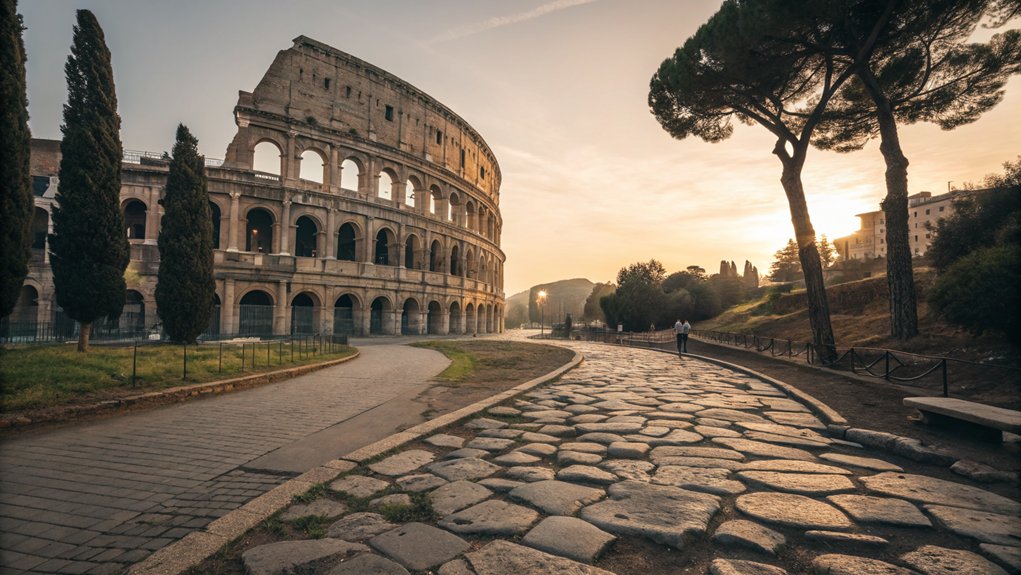
Begin your adventure at the iconic Colosseum, where you can almost hear the echoes of ancient gladiators. From there, wander through the Roman Forum, stepping back into the heart of a powerful empire.
Don’t miss the breathtaking views from Palatine Hill; it’s a perfect spot for photos. Venture into Vatican City to marvel at world-renowned masterpieces, including Michelangelo’s awe-inspiring Sistine Chapel.
After a day of exploration, treat yourself to authentic Roman pizza, gelato, or a plate of Cacio e Pepe in the city’s vibrant eateries.
Thanks to Rome’s efficient public transport, you can easily navigate to each attraction without hassle.
Suggested Day Trips
Exploring Paris and Rome offers you a fantastic opportunity to discover some of Europe’s most enchanting destinations just a short trip away. Here are a few must-visit day trips:
- Giverny: Marvel at Monet’s stunning gardens and enjoy the picturesque village atmosphere.
- Palace of Versailles: Experience the opulence of royal history and its magnificent gardens, just a train ride from Paris.
- Pompeii: Walk through the ancient ruins and witness the preserved aftermath of Mount Vesuvius’s eruption.
You can also unwind in Sorrento, where breathtaking views of the Amalfi Coast await you.
Don’t forget the hill towns of Tuscany, like San Gimignano and Siena, known for their scenic beauty and rich cultural heritage.
Make the most of your European adventure!
Discover Hidden Gems: Off-the-Beaten-Path Surprises to Add to Your Journey
Curious about hidden gems that can elevate your European adventure? Consider Slovenia’s stunning Lake Bled, where picturesque scenery, hiking, and even zip-lining in Triglav National Park await.
Next, head to Porto, Portugal, to enjoy riverside views, unique azulejos, and delightful port wine cellars. Don’t overlook Gjirokastër in Albania, a UNESCO World Heritage site with its remarkable Ottoman architecture and hilltop castle.
Bologna, Italy, often skips the spotlight, but it’s well worth your time for its delicious local cuisine and charming medieval towers. Finally, explore the Azores, a breathtaking Portuguese archipelago with volcanic landscapes and amazing hiking trails.
These hidden gems promise unforgettable experiences off the well-trodden path! If you have extra time, Lithuania offers more than a visit with local attractions, history, cultural experiences, and natural beauty that reward curious travelers.
Choose the Best Transportation for City Hopping
When you’re hopping between cities in Europe, choosing the right transportation can make all the difference. Trains offer incredible speed and comfort, while public transit systems in cities keep you close to all the attractions.
If you’re on a budget, consider options like train passes or low-cost airlines for the best deals on your journeys. For flexible city hopping, a Eurail Global Pass can help make rail travel easier across multiple countries.
Public Transit Advantages
Public transit offers an unbeatable way to navigate Europe’s vibrant cities and stunning landscapes, making city hopping both seamless and enjoyable. You’ll find that public transit systems, including trains, metros, and buses, are extensively connected, allowing for efficient travel without the hassle of a car.
- High-speed trains like Eurostar and Thalys slice through travel times between major cities.
- Reliable tram and bus networks help you explore urban areas and local attractions affordably.
- Consider purchasing regional travel passes for unlimited travel, saving you money.
With precise timetables and mobile apps offering real-time updates, you can easily hop between cities and plan your days effectively, making the most of your European adventure.
Train Travel Benefits
Traveling by train in Europe not only enhances your itinerary but also elevates your experience.
With high-speed trains like the Eurostar and Thalys, you can zip between major cities in no time, perfect for city hopping.
You’ll love the scenic routes, which offer breathtaking views that flying simply can’t compete with.
Plus, major train stations are often centrally located, granting you quick access to local attractions and saving you from airport transfer hassles.
If you’re planning to visit multiple countries, a rail pass like the Eurail Pass provides flexibility and potential savings.
Eco-conscious travelers will appreciate that train travel emits considerably less carbon than flying, making it a responsible choice for your European adventure.
Budget-Friendly Options
For budget-conscious adventurers, selecting the right transportation for city hopping in Europe can make all the difference. Here are some options to keep your wallet happy while you explore:
- Trains: Enjoy quick, comfortable travel across an extensive network, easily booked through platforms like RailEurope or Omio.
- Budget Airlines: Consider budget carriers like Ryanair and EasyJet for longer trips, but remember to factor in airport hassles.
- Local Transport: Use buses and trams within cities for affordable travel, reaching spots trains might miss.
Don’t forget to look into Eurail Passes for unlimited train travel.
Also, check out city passes that bundle local transport with attraction discounts. That way, you get the most value out of your European adventure!
Local Foods to Try Across Your Journey
Exploring local foods is a highlight of any European journey, and you won’t want to miss these delicious offerings.
In Paris, grab a classic croissant at a local boulangerie; its flaky, buttery layers are the essence of a French breakfast.
In Naples, indulge in authentic Neapolitan pizza, with its soft crust, fresh mozzarella, and vibrant tomato sauce.
While in Barcelona, savor tapas, small dishes perfect for sharing, like patatas bravas and jamón ibérico.
In Prague, don’t skip the hearty goulash, a savory stew served with bread or dumplings that reflects Central Europe’s culinary richness.
Finally, in Copenhagen, try smørrebrød, an open-faced sandwich on rye, adorned with pickled herring or roast beef, showcasing Danish flavors.
How to Maximize Cultural Experiences
To maximize your cultural experiences in Europe, embrace local traditions and immerse yourself in the vibrant atmosphere of festivals.
Participate in events like Oktoberfest or the Venice Carnival, where you can connect with the community.
Don’t forget to taste regional cuisines, which are essential for understanding the heart of each destination. Skift Advisory also highlights how shifting consumer tastes and AI are reshaping the global travel landscape.
Embrace Local Traditions
One of the best ways to maximize your cultural experiences in Europe is by embracing local traditions. Diving into the heart of each region will allow you to connect with the local culture in a meaningful way.
Here are some great ways to do that:
- Participate in lively local festivals, like Oktoberfest in Munich or la Tomatina in Spain.
- Join guided walking tours focused on regional history and customs, where you can interact with locals.
- Explore markets and artisan workshops to discover traditional crafts and support local artisans.
You’ll not only create lasting memories but also gain a deeper understanding of each place you visit.
Attend Cultural Festivals
Experiencing local traditions takes on new dimensions when you attend cultural festivals throughout Europe. Events like Oktoberfest in Munich or Carnival in Venice offer unique insights into local life and celebration.
Be sure to research festival dates and book your accommodations early; these popular events can fill up quickly. Immerse yourself in the festivities by participating in workshops, parades, and tastings, helping you to better understand the local culture.
If you have the time, consider traveling to multiple festivals within the same region to experience a rich tapestry of cultural expressions. Utilize local transport options to move easily between festival sites, enhancing your immersion without the stress of long-distance travel.
Embrace the vibrant energy and community spirit each festival offers!
Taste Regional Cuisines
When you explore Europe, tasting regional cuisines can truly transform your journey, making each destination memorable. Immerse yourself in local specialties and savor authentic flavors that reflect the culture.
Here are a few ways to enhance your culinary adventure:
- Join Cooking Classes: Learn to make paella in Spain or sample cheeses in the Netherlands.
- Visit Local Markets: Explore places like Mercado de San Miguel in Madrid to find fresh, seasonal ingredients.
- Explore Regional Wines: Discover the stories behind Burgundy and Chianti, elevating your meals and understanding.
These experiences not only satisfy your palate but also connect you deeply with the traditions and people of each region.
Don’t miss out on the vibrant food culture that Europe has to offer!
Setting Your Budget for the Trip
Setting a budget for your European adventure is essential to guarantee you enjoy your trip without financial stress. For a two-week journey, aim for a total budget of around $8,000, covering everything from flights to activities. Here’s a breakdown to help you plan:
| Expense | Estimated Cost |
|---|---|
| Flights | $1,250 |
| Lodging | $3,000 |
| Meals & Transport | $150/day |
| Total (2 weeks) | $8,000 |
To stay within your limits, subtract known expenses from your total budget. This way, you can prioritize experiences and explore without worrying about financial constraints. Enjoy planning!
Travel sustainably can also help you manage costs by encouraging eco-friendly choices that support responsible tourism.
Timing Your European Journey: Best Seasons to Travel?
Have you thought about the best time to explore Europe? Timing can make or break your experience. Consider these factors:
- Shoulder Seasons: Early spring (March to May) and late fall (September to November) offer mild weather and fewer crowds.
- Summer Attractions: June to August is peak tourist season, bringing higher prices and crowded sites in popular cities like Paris and Rome.
- Enchanting Winter: December to February is magical for holiday markets and skiing in the Alps, although it’s colder and some attractions may have limited hours.
Keep in mind that specific locations, such as Iceland and Norway, shine in summer due to ideal hiking conditions.
Plan your trip around these seasons to get the most out of your European adventure!
Packing Essentials for Your European Adventure
Planning your packing list can greatly enhance your European adventure. Start with versatile clothing that can be mixed and matched; layering is key for adapting to varying weather conditions.
Don’t forget comfortable, broken-in walking shoes, as you’ll be exploring cobblestone streets and diverse terrains. A lightweight, packable rain jacket or umbrella is essential, especially in regions with unpredictable weather like the UK or Northern Europe.
Pack essential travel accessories too, like a universal power adapter and a portable charger to keep your devices powered during long days out.
Finally, consider bringing a small daypack for daily outings. It’ll help you carry your camera, water, snacks, and guidebook, making navigation easier and your experience more enjoyable.
Frequently Asked Questions
How Do I Find Accommodation Within My Budget in Europe?
To find accommodation within your budget in Europe, use online platforms like Airbnb or Booking.com. Set your price range, filter options, and read reviews to guarantee you get the best deal for your stay.
What Are Some Essential Phrases to Know in Multiple European Languages?
You’ll want to learn phrases like “hello,” “thank you,” “please,” and “where is…?” in languages like French, Spanish, German, and Italian. These basics will help you navigate and connect with locals during your trip.
How Can I Stay Connected Without Incurring High Data Charges Abroad?
To stay connected without high data charges abroad, use Wi-Fi when available, consider an international SIM card, or get a portable hotspot. Download offline maps and essential apps before your trip to save data.
Are Travel Insurance Options Necessary for a European Trip?
Yes, travel insurance options are necessary for a European trip. It protects you against potential issues like medical emergencies or trip cancellations. Investing in insurance offers peace of mind during your travels, ensuring you’re covered.
What Are the Tipping Customs in Various European Countries?
Tipping customs vary across Europe. In countries like France, rounding up the bill’s fine; in Germany, 5-10% is common. In Italy, service is usually included, but leaving small change is appreciated. Always check local norms!
Leave a Reply