
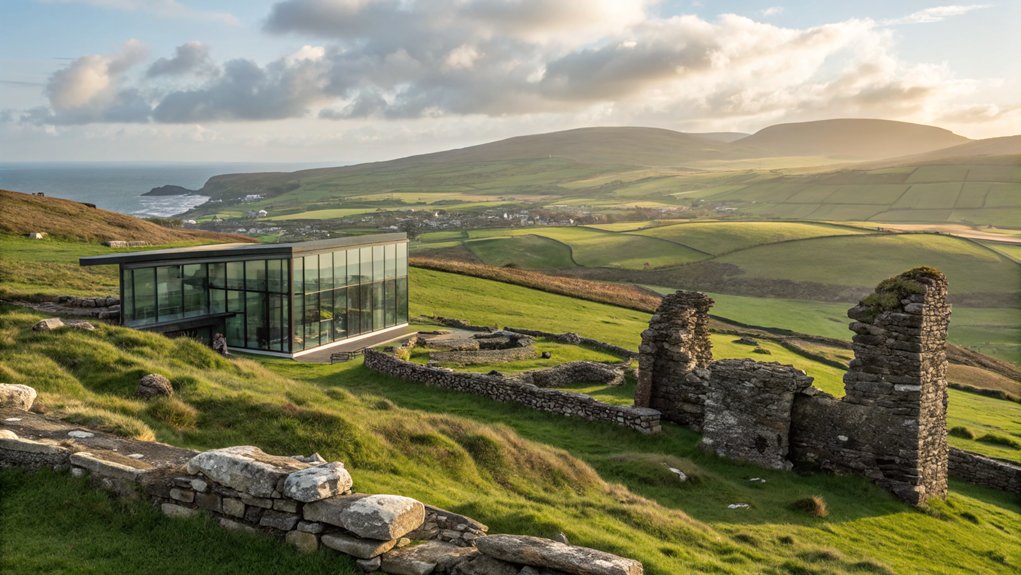
Planning your itinerary for an Emerald Isle exploration means immersing yourself in Ireland’s unique charm. You’ll experience vibrant Dublin’s rich history, feast on hearty Irish stew, and stand in awe at the Cliffs of Moher. But traversing this beautiful country can be a challenge. With the right tips, you can uncover hidden gems and traditions that bring Ireland to life. What are the must-see spots and essential preparations to make your journey unforgettable?
Key Takeaways
- Plan your visit between May and September for the best weather and longer daylight hours for exploration.
- Include must-see attractions like the Cliffs of Moher, Blarney Castle, and Skellig Michael in your itinerary.
- Experience Irish culture by visiting local pubs for music and storytelling while engaging with friendly locals.
- Savor authentic Irish cuisine, including dishes like Irish stew and traditional soda bread, during your travels.
- Consider historical sites like Clonmacnoise and St. Canice’s Cathedral for a deeper understanding of Ireland’s rich heritage.
The Best Time to Visit Ireland for Travelers
The best time to visit Ireland is between May and September, when you can enjoy mild temperatures ranging from 15°C to 20°C (59°F to 68°F).
If you love long days, July and August are perfect, with about 17 hours of daylight, allowing you to explore extensive landscapes and historic sites.
Spring, from March to May, welcomes blooming wildflowers and moderate weather, making it a favorite for travelers seeking fewer crowds.
If you’re looking for a quiet experience, consider September and October. You’ll find stunning autumn foliage, lower prices, and fewer tourists while still enjoying pleasant temperatures.
Avoid the winter months, when cold and wet weather can dampen outdoor activities and limit your overall experience.
Must-See Attractions Along the Emerald Isle
Ireland’s stunning landscapes and rich history beckon adventurers to explore its must-see attractions.
Start your journey at the Cliffs of Moher, where you’ll be captivated by breathtaking views stretching 8 miles along the coast.
Don’t miss Blarney Castle, where kissing the famed Blarney Stone grants the gift of eloquence amid beautiful gardens.
Next, visit the Rock of Cashel, a historic site with ancient ruins and panoramic vistas, requiring just an 8-euro admission.
For an exhilarating experience, climb the 618 ancient steps of Skellig Michael, a UNESCO World Heritage site, but be ready for weather-dependent tours.
Finally, explore Cobh, the Titanic’s last port of call, and immerse yourself in maritime history at the Titanic Museum.
Navigating Ireland: A Self-Driving Route and Tips
Getting behind the wheel in Ireland can be an adventure, and you’ll want to be prepared for unique challenges like driving on the left.
To make the most of your journey, consider essential driving tips, scenic route highlights, and efficient ways to navigate towns.
With a little planning, you can enjoy all the stunning sights while staying safe on the roads.
Essential Driving Tips
While exploring Ireland by car offers unmatched freedom and adventure, it is essential to adjust to driving on the left side of the road. Start with a smaller rental car to navigate those narrow country roads efficiently. Use GPS for navigation to focus on the stunning scenery and changing weather. Be vigilant of one-lane roads; yield to oncoming traffic when necessary. Familiarize yourself with roundabout rules; stick to the middle lane until you feel confident. Finally, parking can be tricky in towns, so plan ahead and heed local regulations to avoid fines.
| Tip | Details |
|---|---|
| Drive Left | Adjust to left-side traffic. |
| Use GPS | Rely on technology for navigation. |
| Roundabouts | Stick to the middle lane for ease. |
Scenic Route Highlights
As you commence on your self-driving journey, prepare to be captivated by the stunning scenery and rich culture that Ireland offers. Your route, spanning about 1,015 km (630 miles) in a counterclockwise direction, reveals breathtaking highlights like the iconic Cliffs of Moher and the rugged Dingle Peninsula.
Don’t miss the historic Rock of Cashel, each spot rich in beauty and significance. Consider local accommodations, such as boutique hotels or charming guesthouses, to fully embrace the Irish experience.
Remember to rely on GPS navigation to help you tackle those narrow, winding roads while driving on the left side. Ultimately, keep your schedule flexible; weather can quickly change, impacting access to coastal attractions.
Enjoy the adventure!
Navigating Towns Efficiently
Exploring Ireland’s towns is a unique experience that complements the breathtaking scenery of your journey.
To navigate efficiently, here are some tips to keep in mind:
- Embrace the Left Side: Driving on the left can feel strange, but you’ll adjust quickly with practice.
- Smaller is Better: Rent a compact vehicle to easily maneuver narrow roads and find parking.
- Plan Your Day: Shops close around 6 PM, so schedule your grocery runs and sightseeing accordingly.
- Stay Flexible: Allow time for spontaneous stops and local tips to enrich your adventure.
With these strategies, you’ll navigate towns like a pro and enjoy every moment of your Irish exploration!
Dive Into Irish Culture and Traditions
Ireland’s rich tapestry of culture and traditions invites you to immerse yourself in its vibrant social life.
Visit local pubs, where families gather and live traditional music fills the air, typically starting around 9 p.m. Don’t miss the chance to connect with local musicians playing the fiddle, tin whistle, and bodhrán, creating a lively atmosphere that strengthens community ties.
Embrace the art of storytelling, or “seanchas,” which keeps Irish folklore alive, revealing the heart of its heritage.
Participate in colorful festivals like St. Patrick’s Day or the Galway International Arts Festival, celebrating music, dance, and crafts with locals.
Finally, appreciate the Gaelic language, prominently displayed and cherished as an essential part of Ireland’s identity.
Discovering Hidden Cultural Gems in Ireland
When you explore Ireland, you’ll uncover authentic experiences that connect you with the locals and their stories.
Engaging with friendly residents often leads to discovering hidden historical sites that aren’t in the guidebooks.
These cultural gems will enrich your journey and leave lasting memories.
Authentic Local Experiences
Imagine wandering through the lively streets of a quaint Irish town, where local life thrives and hidden gems await your discovery. Embrace vibrant pub culture, an ideal spot for mingling with locals and enjoying live music.
Explore charming Dingle, savoring stunning landscapes without the crowd. Plus, delve into true Irish flavors by visiting local markets and bakeries.
Check out:
- Freshly baked bread and homemade treats in smaller town bakeries
- Traditional crafts like weaving and pottery in rural areas like Killarney
- Engaging conversations with artisans to learn their stories
- Cozy pubs that act as social hubs for connecting with the community
These authentic experiences will immerse you in the heart of Ireland’s rich culture, leaving you with unforgettable memories.
Engaging With Friendly Locals
One of the best ways to uncover Ireland’s hidden cultural gems is by engaging with the friendly locals you meet along your journey.
These warm-hearted individuals often guide you to quaint cafes and family-run bakeries that don’t make it into tourist guides. Small-town pubs serve as cultural hubs, where live music starts around 9 PM, making it the perfect spot to chat with residents about local traditions and recommendations.
You’ll gain valuable insights into the area’s history and unique customs, enhancing your travel experience. Don’t hesitate to ask for tips on picturesque, off-the-beaten-path locations like scenic walks or hidden beaches.
Their hospitality and personal stories will deepen your understanding of Irish heritage and lifestyle.
Hidden Historical Sites Exploration
As you venture off the typical tourist track in Ireland, you’ll discover a treasure trove of hidden historical sites that reveal the country’s rich past.
These enchanting locations often go unnoticed but are worth exploring:
- The Rock of Cashel: A stunning collection of medieval buildings from the 12th century, linked to the conversion of the Kings of Munster.
- Skellig Michael: A UNESCO site featuring a preserved Gaelic monastery accessible by climbing 618 ancient steps.
- Clonmacnoise: A 6th-century monastic site on the River Shannon, known for its remarkable round towers and high crosses.
- St. Canice’s Cathedral: Dating back to the 9th century in Kilkenny, it boasts incredible medieval architecture and a round tower for amazing city views.
Each site offers a unique glimpse into Ireland’s vibrant history.
Essential Packing Tips for Your Irish Adventure
What should you pack for your Irish adventure? Ireland’s unpredictable weather calls for layers, so bring a waterproof jacket, warm sweaters, and quick-dry clothing. Sturdy walking shoes or boots are essential, especially for exploring the rough terrains of Skellig Michael and the Cliffs of Moher. Consider a compact umbrella or rain poncho to stay dry during the frequent showers. Don’t forget adaptors for your electronics, as Ireland uses Type G sockets. A small backpack will be your best friend for day trips, keeping your snacks, water, and camera handy. Here’s a packing cheat sheet to help you:
| Essential Item | Purpose | Quantity |
|---|---|---|
| Waterproof Jacket | Keeps you dry during rain | 1 |
| Walking Shoes/Boots | Comfort for exploring difficult terrain | 1 pair |
| Quick-Dry Clothing | Versatile for unpredictable weather | 2-3 outfits |
| Small Backpack | Carry essentials on day trips | 1 |
Driving in Ireland: Easy Tips for Newbies
Have you ever wondered how to navigate Ireland’s charming yet sometimes tricky roads? Driving here can be an adventure, and it’s all about adjusting to the local conditions. To make your experience smoother, keep these tips in mind:
- Remember to drive on the left side of the road—take it slow until you feel comfortable.
- Roundabouts are frequent; stay in the middle lane until you’re more confident and yield to traffic inside them.
- Many roads, especially in rural areas, are narrow and winding—drive cautiously and be ready to pull over for oncoming vehicles.
- Use GPS for stress-free navigation; it’ll help you focus on driving instead of reading maps.
With these pointers, you’ll be cruising through Ireland’s stunning scenery in no time!
Taste of Authentic Irish Cuisine
Immerse yourself in the delightful world of authentic Irish cuisine, where hearty flavors and local ingredients come together to create unforgettable meals.
Plunge into a steaming bowl of Irish stew, brimming with succulent lamb or beef, potatoes, carrots, and onions that reflect the rich farming traditions.
Don’t miss trying Boxty, a delicious potato pancake often served with tasty fillings.
Along the coast, indulge in fresh seafood like salmon or cod, showcased in classic Fish and Chips or creamy seafood chowder.
Pair your meal with traditional soda bread, a staple made from baking soda, buttermilk, and flour.
Finally, satisfy your sweet tooth with a slice of Bailey’s cheesecake or warm apple crumble, both celebrating Ireland’s local flavors.
Enjoy every bite!
Essential Travel Tips for Traveling in Ireland
Traveling in Ireland can be an incredible experience, but having the right tips can make your journey even smoother. Here are a few essential travel tips to keep in mind:
- Stay flexible: Weather can change quickly, so be ready to adapt your plans or activities.
- Know shop hours: Many local shops close around 6 pm, so plan your shopping and dining accordingly.
- Rent a smaller car: It’ll make traversing Ireland’s narrow country roads much easier, especially on longer drives.
- Book ferry schedules in advance: This is vital during peak seasons to avoid any weather-related cancellations.
Frequently Asked Questions
What Is the Typical Cost of a Trip to Ireland?
A typical trip to Ireland can cost around $1,500 to $3,000 per person. This includes flights, accommodations, meals, and activities. It varies based on your preferences and travel style, so plan accordingly.
Are There Any Unique Local Festivals During the Trip?
Yes, you’ll find unique festivals throughout your trip, like the Galway International Arts Festival and the Buddy Holly Festival in Limerick. These events showcase local culture, music, and art, immersing you in Ireland’s vibrant atmosphere.
How Do I Prepare for Changing Weather Conditions?
You should layer your clothing, pack waterproof gear, and bring a reliable umbrella. Always check the weather forecast before heading out, so you’re ready for any surprises that might come your way.
What Currency Is Used in Ireland?
In Ireland, you’ll use the Euro (€) for your transactions. It’s smart to check current exchange rates before your trip, and consider getting some cash for small purchases, as not everywhere accepts cards.
Is It Safe to Travel Alone in Ireland?
Yes, it’s generally safe to travel alone in Ireland. You’ll find friendly locals, stunning landscapes, and vibrant cities. Just stay aware of your surroundings, avoid risky areas at night, and trust your instincts for a smooth journey.
Related posts:

12 Hauntingly Beautiful Places to Visit in Europe

Berlin Travel Itinerary: History and Hipster Culture

14 Beautiful Places in Sri Lanka for a Tropical Escape

Dubai Travel Itinerary: Luxury in the Desert Sands

Solo Travel Tips: Your Complete Guide to Going Alone

Leave a Reply