
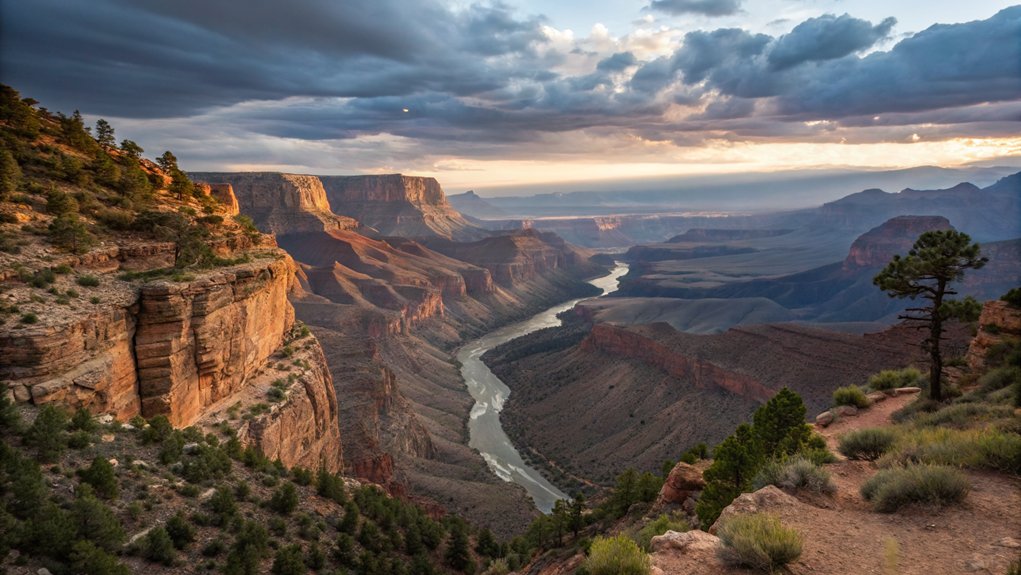
When planning your Nepal travel itinerary, you’ll find a perfect blend of awe-inspiring landscapes and rich cultural experiences. Think about starting with a trek through the Himalayas, followed by a visit to the historic sites of the Kathmandu Valley. Each destination offers its own unique charm and adventure. As you explore the possibilities, consider what activities resonate most with you, and a few key highlights will surely stand out.
Key Takeaways
- Start your itinerary with exploration in the Kathmandu Valley, visiting key sites like Pashupatinath, Boudhanath Stupa, and Swayambhunath.
- Plan for trekking the Annapurna Circuit or Poon Hill Trek during optimal seasons, ensuring stunning views and cultural experiences.
- Include a wildlife safari in Chitwan National Park to observe one-horned rhinoceroses, Bengal tigers, and diverse bird species.
- Incorporate cultural experiences such as homestays in local villages and attending a Tharu Stick Dance performance for immersive insights.
- Ensure proper altitude acclimatization during treks, and pack lightweight gear while prioritizing safety and comfort throughout your journey.
The Best Time to Visit Nepal for Your Trekking Adventure
When planning your trekking adventure in Nepal, you’ll want to aim for the best times—spring and autumn.
Spring, from March to May, offers mild temperatures between 20-25°C (68-77°F) and vibrant blooms of rhododendrons, enhancing your trek. The clear skies during this season provide breathtaking mountain views, making it truly unforgettable.
Autumn, from September to November, brings equally amazing conditions with daytime temperatures ranging from 10-20°C (50-68°F) and minimal rainfall, perfect for outdoor activities.
Keep in mind that both seasons can lead to crowded trails, especially on popular routes like the Annapurna Circuit and Everest Base Camp.
So, planning ahead is essential to secure permits and accommodations.
Avoid the monsoon and winter for the best trekking experience.
Essential Destinations in the Kathmandu Valley
As you explore the Kathmandu Valley, you’ll encounter must-visit temples and cultural heritage sites that showcase the area’s rich history.
From the stunning architecture of the Durbar Squares to the serene vibes at Boudhanath Stupa, each destination tells a unique story.
Don’t miss the chance to experience this blend of spirituality and artistry.
Must-Visit Temples
The Kathmandu Valley is a treasure trove of spiritual heritage, boasting an array of must-visit temples that reflect both Hindu and Buddhist traditions. Start your journey at the Pashupatinath Temple, the oldest Hindu temple in the valley, where thousands come to honor Lord Shiva and witness sacred cremation rites along the Bagmati River.
Then, head to Boudhanath Stupa, one of the largest in the world, surrounded by vibrant monasteries essential to Tibetan Buddhist culture. Don’t miss Swayambhunath, also known as the Monkey Temple, perched on a hill, merging Buddhism and Hinduism beautifully.
Finally, visit Changu Narayan Temple, the oldest in Nepal, with exquisite carvings that illustrate the country’s rich cultural artistry, and explore the stunning Bhaktapur Durbar Square, showcasing remarkable Newar architecture.
Cultural Heritage Sites
While exploring the Kathmandu Valley, you’ll discover a remarkable collection of cultural heritage sites that define its historical and architectural significance.
The valley boasts seven UNESCO World Heritage Sites, each telling a unique story. Visit Bhaktapur, the “City of the Devotees,” where stunning medieval architecture and intricate wood carvings await.
Don’t miss Pashupatinath Temple, a sacred spot on the Bagmati River drawing pilgrims from afar. Boudhanath Stupa stands among the largest in the world, offering a deep spiritual experience for Buddhists.
Finally, Changu Narayan Temple, the oldest in Nepal, showcases exceptional ancient craftsmanship dedicated to Lord Vishnu. Each site offers a glimpse into the rich tapestry of culture, spirituality, and history that defines this enchanting region.
Best Hiking Trails in the Himalayas
Hiking in the Himalayas promises unforgettable adventures, with an array of trails that cater to varying experience levels and preferences. Here are some of the best hiking options:
| Trek | Duration | Highlights |
|---|---|---|
| Annapurna Circuit | 160-230 km / 12-21 days | Diverse landscapes from forests to alpine |
| Poon Hill Trek | 4-5 days | Breathtaking sunrise views over ranges |
| Ghorepani Trek | 4 days | Lush rhododendron forests and culture |
| Mardi Himal Trek | 5-7 days | Less crowded with views of Machhapuchhre |
| Langtang Valley Trek | 7-10 days | Stunning mountain scenery and cultural vibes |
Whatever trail you choose, the breathtaking scenery and rich culture will make your experience truly memorable.
Must-See Temples and Cultural Sites in Kathmandu
Kathmandu boasts an incredible array of temples and cultural sites that reflect the city’s rich heritage.
Start your journey at Pashupatinath Temple, a UNESCO World Heritage Site dedicated to Lord Shiva, where you’ll marvel at its stunning architecture and observe the cremation ghats along the Bagmati River.
Next, head to Boudhanath Stupa, one of the world’s largest stupas, surrounded by peaceful monasteries and bustling with pilgrims.
Don’t miss Swayambhunath, the Monkey Temple, offering breathtaking views of the valley and filled with charming monkeys.
Explore Kathmandu Durbar Square, a complex showcasing Newar architecture, including the impressive Taleju Temple.
Finally, make your way to Bhaktapur for its medieval charm, where the 55-Window Palace and Nyatapola Temple will transport you back in time.
Your 10-Day Nepal Itinerary Step-by-Step
Get ready for an unforgettable adventure with your 10-day Nepal itinerary, designed to showcase the stunning landscapes and rich culture of this beautiful country.
Start with a drive to Pokhara to explore Phewa Tal and local attractions.
Next, trek through breathtaking terrain with highlights like:
- A sunrise hike to Poon Hill for panoramic views of the Annapurna range at 3,210m.
- Stops at Tirkhadunga, Ghorepani, Tadapani, and Jhinu Danda, where you can soak in natural hot springs.
Finally, return to Kathmandu to visit UNESCO-listed sites such as Durbar Square and Pashupatinath Temple.
This itinerary blends adventure and cultural discovery, ensuring you capture the essence of Nepal.
Chitwan National Park Highlights
Chitwan National Park is your gateway to unique wildlife experiences, where you’ll encounter one-horned rhinoceroses and Bengal tigers in their natural habitat.
Don’t miss the chance to enjoy the vibrant Tharu Stick Dance Show, which highlights the rich culture of the local community.
With diverse ecosystems waiting to be explored, you’re in for an unforgettable adventure!
Unique Wildlife Experiences
If you’re seeking unique wildlife experiences, Chitwan National Park’s breathtaking landscapes and diverse ecosystems await you. This UNESCO World Heritage Site is a haven for safari enthusiasts and wildlife lovers. You’ll have the chance to spot the critically endangered one-horned rhinoceros and the elusive Bengal tiger.
Here are a few highlights:
- Enjoy guided nature walks to observe over 500 bird species and vibrant flora.
- Go on a jeep safari to explore varied ecosystems, where you might see crocodiles and numerous deer.
- Canoe on the serene Rapti River for a different perspective of aquatic wildlife amidst stunning scenery.
Chitwan promises unforgettable adventures blended with nature’s wonders at every turn.
Tharu Cultural Performances
After exploring the breathtaking wildlife of Chitwan National Park, immerse yourself in the vibrant Tharu culture. You’ll be captivated by traditional dance and music that reflect the lifestyle and customs of the indigenous Tharu people.
Don’t miss the exhilarating Tharu Stick Dance, where rhythmic movements and intricate footwork synchronize with lively, traditional tunes. These performances often weave in storytelling elements, sharing folklore and the rich history of the Tharu community, enhancing your understanding of their cultural heritage.
You can enjoy these events at local village gatherings or through organized tours in the evenings, making it a perfect opportunity for cultural immersion. Engaging with Tharu performances not only delights but supports local traditions and preservation initiatives.
How to Hike the Himalayas Safely
When you set out to hike the Himalayas, safety should always be your top priority. To guarantee a safe and enjoyable trek, keep these essential tips in mind:
- Acclimatize properly: Gradually increase your altitude, taking rest days to prevent altitude sickness.
- Pack light: Carry only what you need, keeping your gear under 10 kg to maintain comfort. Consider hiring porters for extra help.
- Dress in layers: Weather can change quickly; layering helps you adjust to temperature fluctuations.
Stay hydrated and well-nourished with high-energy foods to keep your energy levels up.
Finally, don’t forget to have travel insurance that covers trekking and emergency evacuations—it’s vital for high-altitude adventures! Happy hiking!
Accommodation Options for Your Nepal Trip
Hiking in the Himalayas is an incredible experience, and where you stay plays a significant role in your adventure.
During your 4-day trip, you’ll find a mix of guesthouses, hotels, and teahouses, so you can choose an accommodation that suits your comfort level. Teahouses are popular among trekkers, providing simple yet comfortable lodging with shared facilities; some even offer hot showers for an extra charge.
In Kathmandu, you’ll stay at Hotel Marshyangdi on Chaksibari Marg in Thamel, granting you easy access to local attractions.
Solo travelers enjoy private rooms on Days 2 and 3, while shared accommodations are arranged for the rest of your journey, enhancing your experience with fellow adventurers.
Cultural Experiences to Enhance Your Trekking Journey
To truly enrich your trekking journey in Nepal, immersing yourself in local cultures is essential. Here are some experiences that will deepen your connection to this beautiful land:
- Stay in a Gurung or Magar village: Spend three days in a homestay, learn to cook traditional dishes, and help with farm activities, fostering real connections with locals.
- Explore Bhaktapur: Visit this UNESCO World Heritage Site to admire medieval architecture and vibrant local life, diving into Nepalese artistry and culture.
- Attend a Tharu Stick Dance: Experience this vibrant performance in Chitwan, gaining insights into Nepal’s diverse ethnic traditions and stories.
These cultural interactions won’t only enhance your trek but also create unforgettable memories.
Frequently Asked Questions
What Should I Pack for Trekking in the Himalayas?
For trekking in the Himalayas, pack sturdy hiking boots, warm layers, a waterproof jacket, a hat, gloves, trekking poles, and a good sleeping bag. Don’t forget your hydration system and basic first aid supplies!
Are There Any Altitude Sickness Precautions I Should Take?
Yes, you should acclimatize gradually, stay hydrated, and avoid overexertion. Consider medications like acetazolamide for prevention, and always listen to your body. If symptoms arise, descend immediately to a lower altitude to recover.
Can I Hire Local Guides for My Trek?
Yes, you can hire local guides for your trek. They provide valuable expertise, guarantee safety, and enhance your experience. It’s a great way to support the local community and gain deeper insights into the region.
What Is the Local Currency Used in Nepal?
The local currency in Nepal is the Nepalese Rupee, often abbreviated as NPR. You’ll find it’s wise to exchange some money before your trip or withdraw cash from ATMs when you arrive.
Is Travel Insurance Necessary for a Trip to Nepal?
Yes, travel insurance is necessary for your trip to Nepal. It covers potential medical emergencies, trip cancellations, and lost belongings, providing peace of mind as you explore the beautiful landscapes and vibrant culture.
Leave a Reply