
If you’re considering a Kenya travel itinerary focused on a safari and savanna adventure, you’re in for a remarkable experience. From witnessing the majestic Big Five to interacting with the vibrant Maasai culture, you’ll find plenty to fill your days. But before packing your bags, there are essential details and tips you should know to guarantee your trip is seamless and unforgettable. Let’s explore what makes this journey worth taking.
Key Takeaways
- Experience the Big Five in iconic locations like Maasai Mara and Amboseli, especially during peak seasons from June to October.
- Engage with local Maasai culture through village visits, traditional rituals, and unique artisan crafts.
- Choose between guided tours for expert insights or self-drive safaris for independent exploration of Kenya’s stunning landscapes.
- Optimal wildlife sightings occur during the dry seasons, particularly around the Great Migration from July to September.
- Prepare for your trip by securing necessary vaccinations, travel insurance, and packing essential gear like neutral-colored clothing and sturdy shoes.
Why Choose a Kenya Safari for Your Next Adventure
If you’re looking for an unforgettable adventure, a Kenya safari should be at the top of your list. This incredible destination, regarded as the birthplace of the safari, offers unmatched wildlife experiences.
Picture yourself witnessing the Big Five—lions, leopards, elephants, rhinos, and buffalos—roaming freely in their natural habitats. The Maasai Mara National Reserve’s breathtaking landscapes and the thrilling Great Migration, occurring from July to September, are sights you won’t want to miss.
You’ll also get to engage with local cultures, like the Maasai people, enriching your adventure with authentic experiences. For ideal wildlife viewing, the dry seasons from late June to October and January to February are perfect.
Kenya’s diverse ecosystems make it a nature lover’s paradise!
What Wildlife Will You Encounter in Kenya? Top Species to Spot
When you journey through Kenya, get ready to encounter some of the most iconic wildlife on the planet.
You’ll spot the legendary Big Five and experience unique coastal ecosystems, all while keeping an eye out for rare species that are unique to this region.
This vibrant array of wildlife makes every moment unforgettable.
Iconic Big Five Species
Encountering the iconic Big Five species in Kenya is a dream for many wildlife enthusiasts.
You’ll have the chance to spot lions and leopards in the Maasai Mara National Reserve, where these majestic big cats thrive in their natural habitat.
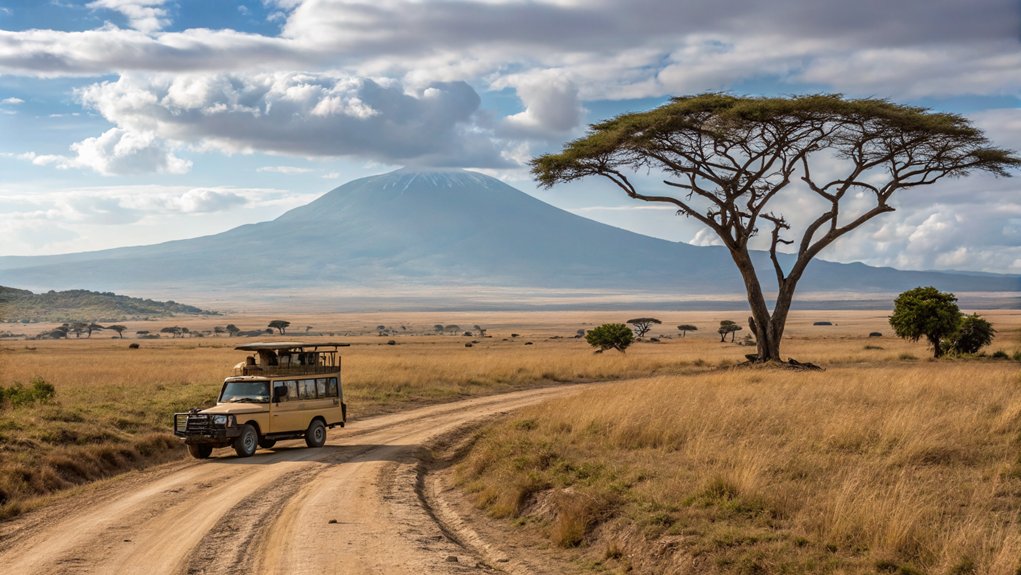
Amboseli National Park is a must-visit for its stunning herds of elephants, especially the impressive large-tusked African elephants against the backdrop of Mount Kilimanjaro.
At Lake Nakuru National Park, you can view both black and white rhinos, contributing to essential conservation efforts.
Each ecosystem across Kenya offers unique habitats and unparalleled chances to witness these extraordinary animals.
Plan your safari during peak months from July to October to make the most of these unforgettable wildlife encounters.
Unique Coastal Wildlife
While exploring Kenya’s coastline, you’ll discover a vibrant array of unique coastal wildlife. The region near Diani Beach offers unforgettable encounters, allowing you to immerse yourself in the beauty of marine life.
Here are three highlights you won’t want to miss:
- Colorful Coral Reefs: Snorkeling reveals a mesmerizing underwater world teeming with vibrant fish and intricate corals.
- Dolphin Watching: Experience the joy of observing playful dolphins as they frolic in the warm waters, often close to the shore.
- Sea Turtles: Keep an eye out for endangered species like the Green and Hawksbill turtles, which nest along the coastline, adding a touch of magic to your coastal adventure.
These encounters highlight Kenya’s rich biodiversity and guarantee a memorable experience at the coast.
Rare Endemic Species
Kenya’s diverse ecosystems host a wealth of rare endemic species that wildlife enthusiasts should be enthusiastic to spot.
While exploring the Maasai Mara, you’ll have the chance to encounter the Big Five: lions, leopards, elephants, rhinos, and buffaloes. Keep your eyes peeled for the critically endangered eastern black rhinoceros and the unique Rothschild’s giraffe.
At Amboseli National Park, large herds of elephants showcase their incredible social structures against the majestic Mount Kilimanjaro. Don’t miss the elusive shoebill stork in swamp habitats or the endangered cheetah prowling the open grasslands.
With over 1,100 bird species, including flamingos at Lake Nakuru, your adventure promises unforgettable wildlife encounters year-round. Prepare for an extraordinary safari experience!
Getting Ready for Your Kenya Adventure: Essential Preparations
As you plan your Kenya adventure, it’s essential to make certain you’ve taken care of important preparations to guarantee a smooth journey. Here’s what you should prioritize:
- Health Precautions: Confirm you have the necessary vaccinations, especially Yellow Fever if coming from high-risk countries.
- Consult your doctor for additional recommendations.
- Proper Attire: Pack neutral-colored clothing for your safari, including a wide-brimmed hat and sturdy walking shoes, accommodating both warm days and cooler evenings.
- Documents and Insurance: Always carry a valid passport with at least six months of validity, obtain a visa, and invest in travel insurance that covers medical emergencies and trip cancellations.
With these preparations, you’ll be ready for an unforgettable experience in Kenya!
Best Times to Visit the Kenyan Savanna
To make the most of your safari experience, timing your visit is essential.
The peak seasons from late June to October and January to February offer stunning wildlife viewing, but consider the off-peak months for fewer crowds and more intimate encounters.
Weather patterns during these times also impact what animals you can see, so plan accordingly for the best adventure.
Peak Visiting Seasons
When’s the best time to explore the Kenyan savanna? The peak season typically runs from mid-June to August, when you can witness the spectacular Great Migration. This is when millions of wildebeest and zebras traverse the Serengeti and Maasai Mara.
For the best wildlife viewing, consider these key times:
- July to Early September: Perfect for witnessing iconic river crossings during the Great Migration.
- Late June to October: Experience a dry period when animals congregate around limited water sources, making sightings easier.
- January to February: While not as popular, these months still offer great visibility as wildlife remains active.
Off-Peak Advantages
Exploring the Kenyan savanna during the off-peak season offers a unique adventure that’s hard to beat.
Visiting from late May to early June means fewer crowds and less competition for wildlife sightings, letting you enjoy a more tranquil safari experience. You’ll likely save considerably on accommodations and tours since prices drop compared to peak seasons.
This time also permits more intimate wildlife encounters, as animals are less accustomed to human presence, enhancing your observations. Additionally, the dry periods in January and February draw fewer tourists, allowing you to witness fascinating animal behaviors without the distractions of peak season crowds.
Weather Impacts Wildlife Viewing
Understanding how weather affects wildlife viewing is essential for planning your trip to the Kenyan savanna. To maximize your experience, keep these elements in mind:
- Dry Seasons (Late June to October & January to February): This is your best bet for spotting animals, as they gather around limited water sources.
- The Great Migration (July to Early September): Experience millions of wildebeest and zebras crossing the plains, a spectacular sight that you won’t want to miss.
- Rainy Seasons: Increased vegetation during these months can make wildlife harder to spot, while dry conditions provide clearer visibility to observe animals in their natural behavior.
Top Safari Destinations to Include in Your Itinerary
If you’re craving an unforgettable wildlife experience, Kenya’s top safari destinations should be at the top of your travel itinerary.
Start with Maasai Mara National Reserve, famous for its diverse wildlife, including the Big Five, and the spectacular Great Migration between July and September.
Next, head to Lake Nakuru National Park, where flocks of flamingos and both black and white rhinos await birdwatchers and wildlife lovers.
Amboseli National Park offers stunning views of Mount Kilimanjaro, along with large elephant herds showcasing their social behaviors.
Don’t miss Ol Pejeta Conservancy, home to the last two northern white rhinos and crucial conservation efforts.
Finally, explore Tsavo West National Park, known for its volcanic landscapes and rare species like Hunter’s hartebeest.
Guided Tours vs. Self-Drive Safaris: Making the Right Choice
Kenya’s breathtaking landscapes and abundant wildlife offer a unique adventure, but how you experience it can greatly impact your trip. Choosing between guided tours and self-drive safaris boils down to your preferences and comfort with navigation.
- Guided Tours: With experienced drivers and local guides, you’ll enjoy enhanced safety and expert knowledge for peak wildlife spotting.
- Self-Drive Safaris: You have the freedom to explore at your own pace, but you risk getting stuck or missing prime wildlife activity without local insight.
- Cost Considerations: Guided tours can vary in price and typically include more extensive services, while self-drive incurs lower upfront costs but might involve unexpected challenges.
Ultimately, weigh the advantages of safety and knowledge against the thrill of independence to make the right choice for your adventure.
Cultural Experiences to Enrich Your Safari
While starting your safari, immersing yourself in Kenya’s vibrant cultural tapestry can elevate your adventure to new heights. Engaging with the Maasai people provides a unique glimpse into their rich heritage, colorful clothing, and strong community values.
Visiting a Maasai village in the late afternoon or evening enables deeper connections, allowing you to learn about their pastoral lifestyle and partake in traditional rituals. Join in their enchanting dances or try your hand at creating beautiful beadwork, showcasing generations of skill.
Supporting local artisans by purchasing handmade jewelry or crafts not only enriches your experience but also guarantees sustainable income for the Maasai.
As you explore the Maasai Mara, these cultural interactions deepen your understanding of the historical connection between its people and wildlife.
Tips for a Safe and Enjoyable Trip to Kenya
Planning a safe and enjoyable trip to Kenya requires just a few essential tips. By staying informed and cautious, you can enhance your adventure. Here are three key pointers:
- Stay aware: Be mindful of your surroundings and avoid isolated areas after dark, especially in cities, to reduce risks of petty crime.
- Use trusted transport: Opt for reliable transport options like Uber or Bolt in Nairobi to guarantee safe and convenient travel.
- Get vaccinated: Make certain to check vaccination requirements, especially for Yellow Fever if arriving from high-risk areas.
Additionally, consult local authorities on health precautions.
Frequently Asked Questions
How Many Days Is Enough for a Kenya Safari?
Five days is ideal for a Kenya safari. It’ll give you enough time to explore multiple parks, enjoy diverse wildlife, and immerse yourself in the local culture, enriching your overall experience. Plan ahead for travel!
What Is the 12 Hour Rule for Masai Mara?
The 12-hour rule for Masai Mara suggests you spend at least 12 hours in the reserve during your multi-day safari. This maximizes wildlife viewing opportunities and enhances chances of witnessing thrilling animal behaviors and events.
What I Wish I Knew Before Safari?
You wish you’d known about the best times to visit, the importance of patience for wildlife sightings, possible health requirements, and how guided tours can enhance your experience while avoiding risks of self-driving.
Which Is Better Tsavo East National Park or Masai Mara?
It really depends on what you prefer. If you want a remote experience with unique wildlife, choose Tsavo East. For a classic safari with abundant big cats and the Great Migration, go for Maasai Mara.
Related posts:

10 Relaxing Things To Do In Osaka For Ultimate Chill Time

Baltic Travel Itinerary: Three Countries, One Journey
Guatemala Travel Itinerary: Mayan Ruins to Lake Atitlán

Miami Travel Itinerary: Beaches, Art Deco, and Nightlife

Nepal Travel Itinerary: Himalayas and Kathmandu Valley

Leave a Reply