
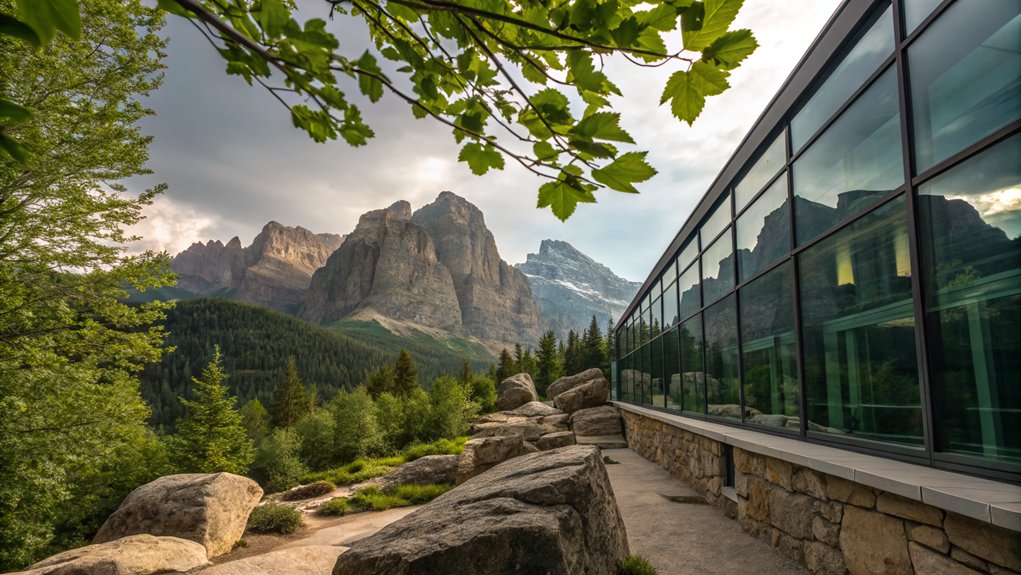
If you’re looking for a well-planned escape into the majestic Rockies, this itinerary for a Colorado adventure is ideal. You’ll hike through stunning landscapes, from Thunder Lake to Boulder Grand Pass, all while observing diverse wildlife. With expert guides by your side, you won’t have to worry about the logistics. But what exactly does each day hold, and what should you pack for this unforgettable trip? Let’s break it down.
Key Takeaways
- Experience breathtaking hikes in Rocky Mountain National Park, including a challenging ascent to Boulder Grand Pass at 12,000 feet.
- Enjoy stunning scenery, with highlights such as Thunder Lake, Box and Eagle Lakes, and Adams Falls throughout the itinerary.
- Pack strategically, ensuring a 35-45 lb backpack, essential gear, and adequate clothing for variable mountain conditions.
- Stay alert for wildlife sightings, including elk, bighorn sheep, and moose, especially during spring and fall migrations.
- Prioritize safety with trained guides, emergency communication devices, and acclimatization strategies to mitigate altitude sickness risks.
Trip Overview: What to Expect on Your Adventure
On this thrilling adventure through Colorado, you can expect an enchanting mix of stunning scenery and challenging hikes.
Starting near Estes Park, you’ll traverse breathtaking waterfalls and alpine lakes, encountering diverse wildlife along the way. With a small group of up to 10, you’ll enjoy significant off-trail exploration, perfect for discovering untouched areas in nature’s embrace.
Day 3 promises to be a highlight as you tackle the Continental Divide at 12,000 feet, an exhilarating challenge demanding a solid fitness level to navigate rugged terrain while carrying a 35-45 lb backpack.
You’ll savor delicious meals from Day 1 breakfast to the last day’s lunch, with top-tier camping gear provided, ensuring a comfortable and memorable wilderness experience.
For a broader sense of adventure, Michigan also offers extraordinary outdoors experiences, seasonal escapes, and scenic routes worth exploring.
Day-by-Day Itinerary: A Detailed Breakdown
Get ready to tackle each day’s hiking challenges as we break down the itinerary for your Colorado adventure.
You’ll receive essential gear recommendations to guarantee you’re well-prepared for the trails ahead.
Plus, you’ll want to keep an eye out for stunning scenic highlights that will make every step worthwhile.
Daily Hiking Challenges Explained
Beginning this Colorado hiking adventure promises both challenge and reward as you explore stunning landscapes and picturesque lakes.
On Day 1, you’ll tackle a 6.5-mile hike to Thunder Lake, gaining 2,500 feet in elevation—perfect for acclimating.
Day 2 allows you to roam around Thunder Lake, hiking 4 miles to Box and Eagle Lakes, with a manageable elevation gain and loss of 1,000 feet.
Day 3 poses your toughest challenge: a 4-mile trek to Boulder Grand Pass at 12,000 feet, featuring a steep 1,600-foot ascent followed by a 2,000-foot descent to Lake Verna for camping.
Finally, on Day 4, you’ll enjoy a scenic 7-mile descent to East Inlet Trailhead, including a visit to the breathtaking Adams Falls.
Essential Gear Recommendations Offered
Packing the right gear is vital for an unforgettable Colorado hiking adventure. Trip organizers provide high-quality camping equipment, sleeping bags, and food storage containers to guarantee your comfort and safety. You’ll need to pack your personal items in a 35-45 lb backpack, including clothing, toiletries, water bottles, and energy snacks, as these aren’t included in the trip package.
Dress in layers to tackle the variable mountain conditions, and don’t forget sturdy hiking boots for rugged terrain. Being prepared with a first-aid kit and emergency communication devices is essential—our guides are wilderness-certified first responders who prioritize your safety.
Consult the thorough gear list in your trip information packet for recommended items that enhance both comfort and performance on the trail.
Scenic Highlights Along Journey
With your gear ready, you’re all set to commence an unforgettable journey through Colorado’s stunning landscapes.
Over four days, you’ll explore breathtaking vistas and unique wildlife encounters. Here’s what to look forward to:
- Day 1: Shuttle to Wild Basin Trailhead, followed by a 6.5-mile hike up to Thunder Lake, featuring a 2,500-foot elevation gain.
- Day 2: Spend a full day at Thunder Lake and initiate a 4-mile trek to Box and Eagle Lakes, with a 1,000-foot elevation fluctuation.
- Day 3: Tackle Boulder Grand Pass, crossing the Continental Divide at 12,000 feet with a 1,600-foot ascent.
- Day 4: Enjoy a scenic 7-mile downhill hike to East Inlet Trailhead, including a visit to Adams Falls and a 2,400-foot descent.
What to Pack for Your Adventure
When planning your adventure in Colorado, it’s essential to pack wisely to guarantee you’re prepared for the diverse weather and terrain. Here’s a packing list to help you stay ready:
| Essential Item | Description | Quantity |
|---|---|---|
| Moisture-wicking layers | Keeps you dry in varying weather | 2-3 |
| Waterproof jacket | Protects against rain and wind | 1 |
| Sturdy backpack (35-45 lbs) | Comfortable for daily hikes on rugged terrain | 1 |
| Well-fitted hiking boots | Provides traction for steep hikes | 1 pair |
| Hydration supplies | Water bottles or hydration system | 2 |
| Personal first-aid kit | Blister treatment and other minor injury essentials | 1 kit |
For winter travelers, ski safety awareness is especially important when exploring Colorado’s mountain resorts. Pack these essentials to guarantee a smooth and enjoyable adventure!
How Hard Will the Hikes Be?
Colorado’s hiking trails offer a range of challenges that cater to different skill levels. You’ll navigate a mix of easy to moderate hikes, though Day 3 will push your limits with a 5 out of 5 difficulty rating while crossing Boulder Grand Pass at 12,000 feet.
Here’s what you can expect:
- Backpack Weight: Carry a 35-45 lb pack for 6-8 hours.
- Elevation Gain: Day 1 features a 2,500 ft ascent to Thunder Lake.
- Steep Terrain: Encounter inclines of up to 45 degrees.
- Acclimatization: Take 1-2 days to adjust to the altitude.
While you’ll meet 1-2 other hiking groups daily, the solitude really enhances your experience.
Prepare yourself for an unforgettable adventure! Wyoming also offers scenic drives and hiking trails that showcase its rugged outdoor beauty.
Wildlife Spotting in Rocky Mountain National Park
If you’re enthusiastic to spot wildlife in Rocky Mountain National Park, knowing when and where to look can make all the difference.
Early mornings and late evenings are your best bet for encountering creatures like elk and bighorn sheep in their natural habitats.
Prepare to be amazed by the variety of species, from moose to soaring birds, that add to the park’s stunning biodiversity.
For another scenic wilderness experience, Yosemite Mariposa County also offers opportunities to see unique flora and fauna across its national park landscapes.
Prime Wildlife Spotting Locations
For an unforgettable wildlife experience in Rocky Mountain National Park, you’ll want to focus your efforts in areas where animals are most active. Here are four prime locations to spot wildlife:
- Moraine Park: Early mornings and late evenings are your best bets for elk sightings, with over 3,000 roaming this area.
- Trail Ridge Road: Look for nearly 400 bighorn sheep along this alpine tundra route at higher elevations.
- Kawuneeche Valley: This region’s higher wetlands and meadows are perfect for spotting moose.
- Forested Areas: Keep your eyes peeled for red foxes and black bears during dawn and dusk, while maintaining a safe distance.
With diverse ecosystems, you’ll also have the chance to encounter deer, mountain lions, and various bird species.
Best Times for Viewing
Spotting wildlife in Rocky Mountain National Park is all about timing. The early morning and late evening are your best bets, as animals like elk and bighorn sheep are most active during these hours.
Visit in spring, from April to June, to witness young wildlife emerging after winter, especially calves and fawns. The fall mating season offers a unique chance to hear elk bulls bugling during September and October.
In winter, head to lower elevations, like Moraine Park, to find elk and deer escaping the snow at higher altitudes.
Don’t forget about birds—spring and fall migrations give you excellent opportunities to spot various species passing through the area.
Plan your trip to align with these peak times for unforgettable wildlife viewing.
Common Species to Encounter
Rocky Mountain National Park teems with diverse wildlife, making it a thrilling destination for nature enthusiasts.
As you explore, keep an eye out for these spectacular species:
- Elk: Spot them in Moraine Park, especially during the fall rut season.
- Bighorn Sheep: Encounter these impressive climbers primarily in the park’s high alpine regions, with around 400 roaming freely.
- Black Bears: Watch for them during summer and early fall as they forage across varied habitats.
- Moose: Look near wetlands and rivers, particularly around Kawuneeche Valley, where they feed on aquatic plants.
Don’t forget to bring your binoculars for a chance to catch glimpses of birds like the yellow-bellied marmot and mountain bluebird!
Best Scenic Drives and Viewpoints
Exploring Colorado’s scenic drives is a must for any nature lover, with breathtaking views around every bend. Trail Ridge Road, the highest paved road in North America, is a highlight, stretching 48 miles through Rocky Mountain National Park. Don’t miss out on notable stops like Many Parks Curve for stunning landscapes and Rainbow Curve for expansive views of diverse ecosystems. Norway’s fjord scenery shows how dramatic mountain-and-water landscapes can elevate any road trip.
| Scenic Drive | Key Viewing Point |
|---|---|
| Trail Ridge Road | Many Parks Curve |
| Trail Ridge Road | Rainbow Curve |
| Bear Lake Road | Bear Lake Loop |
| Bear Lake Road | Sprague Lake Loop |
Each viewpoint offers unique opportunities for wildlife observation and picturesque photography. Make sure to enjoy every moment of these scenic wonders!
Safety Measures: Staying Safe in the Wilderness
While you soak in the stunning views along Colorado’s scenic drives, it’s important to prioritize safety as you venture into the wilderness. Your adventure can be thrilling, but having the right precautions in place is essential.
Here are some safety measures to keep in mind:
- Travel with trained guides: All trips have wilderness-certified first responders or EMTs, ensuring expert care if needed.
- Stay connected: Each group is equipped with emergency communication devices and extensive first-aid kits.
- Follow risk management protocols: Guides use standardized procedures to mitigate risks during high-altitude hikes.
- Be physically prepared: Only participate if you’re in peak physical condition, as hikes can last 6-8 hours with steep sections.
Keeping these measures in mind will help you make the most of your exhilarating journey! For added trip planning support, Recreation.gov offers camping reservations and other tools for exploring outdoor destinations.
Acclimatization Tips for High Altitude
When you’re heading to high altitudes, acclimatization is key to enjoying your trip. Taking a couple of days to adjust can help you adapt better and enhance your adventure.
Staying hydrated and easing into physical activity will set you up for success in the mountains.
Importance of Acclimatization
Acclimatization is essential for anyone planning to hike at high altitudes, especially if you’re coming from sea level or aren’t accustomed to elevations above 8,000 feet.
It’s critical to take advantage of the acclimatization period of 1-2 days to reduce your risk of altitude sickness—affecting 25% of unprepared hikers.
Here are some key acclimatization tips:
- Spend time at lower altitudes before ascending to help your body adjust.
- Stay hydrated—drink plenty of water to counteract decreased oxygen levels.
- Engage in light physical activities like walking or easy hiking to improve your fitness.
- Watch for symptoms of altitude sickness, which can escalate quickly if ignored.
Prioritize acclimatization to guarantee a safe and enjoyable adventure!
Effective Strategies for Adaptation
Understanding how to adapt to high altitude is key for a successful hiking experience. Start your acclimatization 1-2 days before you hit the trails, especially if you’re coming from sea level. Gradually increase your activity and spend time at elevations above 8,000 feet to give your body a chance to adjust.
Hydration is crucial—drink plenty of water and steer clear of alcohol to minimize risks. Fuel your body with a balanced diet rich in carbohydrates to boost energy and support oxygen utilization as you acclimate.
Keep an eye out for early symptoms of altitude sickness, like headaches, nausea, and fatigue. If you notice these signs, descend to a lower elevation promptly to guarantee your safety and well-being.
Attractions Near Estes Park
There’s no shortage of attractions near Estes Park, making it a perfect destination for nature lovers and adventure seekers alike. Here are some highlights you won’t want to miss:
- Rocky Mountain National Park (RMNP): Explore stunning lakes, meadows, and endless outdoor activities throughout the year.
- Elkhorn Avenue: Stroll along this vibrant street for unique shopping experiences filled with local charm.
- Lake Estes Marina: Rent bikes, kayaks, or pontoon boats to enjoy quality recreational time with the family.
- Stanley Hotel: Take a guided tour of this historic site that inspired Stephen King’s “The Shining” and learn about its fascinating past.
Don’t forget to keep an eye out for over 3,000 elk and nearly 400 bighorn sheep roaming the area!
What Your Trip Inclusions Cover
After exploring the attractions near Estes Park, it’s important to know what your trip inclusions cover to guarantee a smooth adventure.
Your journey includes all meals from breakfast on Day 1 to lunch on the last day, ensuring you’re well-fed with quality ingredients—not dehydrated meals.
You’ll enjoy top-tier camping gear and sleeping bags, enhancing your comfort during overnight wilderness adventures.
Trained guides with wilderness experience and first-aid certifications will be with you, ensuring a safe and enriching experience. Emergency communication devices and thorough first-aid kits are also included to address any unforeseen issues.
While personal clothing and toiletries aren’t included, you’ll receive a detailed gear list in your trip information packet to help you pack appropriately.
Getting There and Getting Around
Reaching Rocky Mountain National Park (RMNP) is a breeze, especially with Denver International Airport (DIA) just 1.5 hours away by car.
Once you arrive, you’ll find two main entrances that cater to different experiences:
- Estes Park: Offers a variety of activities and amenities.
- Grand Lake: Known for its quaint atmosphere and stunning views.
During summer, you can enjoy breathtaking drives along Trail Ridge Road, which connects the two sites.
Just remember, it’s closed in winter, so plan accordingly.
For convenience, consider these transportation options:
- Shuttle services for easy park access.
- Rental cars for flexible exploration.
- Well-maintained roads and trails for navigation.
- Scenic viewpoints for amazing photographs.
Get ready for an unforgettable adventure!
Age Requirements for Participation
When planning your adventure in Rocky Mountain National Park, it’s important to be aware of the age requirements for participation in tours. Scheduled tours have a minimum age of 12, ensuring group dynamics and safety among mixed-age participants.
If you’re considering a private tour for your younger adventurers, kids as young as 10 can join, but you’ll need prior approval and specific arrangements. These age policies promote safety and camaraderie, allowing participants of varying skill levels to enjoy a challenging yet fun experience.
If you’re a parent seeking a group experience for younger hikers, it’s best to check the structured age requirements and ask about suitable tour options for a memorable trip.
FAQs About Your Trip
Planning your trip can raise many questions, especially for first-time visitors to Rocky Mountain National Park. Here are some common FAQs to help you prepare:
- Age Limit: Scheduled tours require participants to be 12 or older; private tours may accept kids as young as 10 with approval.
- Park Fees: A Day Pass is $25 for one day; an Annual Pass is $70 for unlimited visits.
- Packing Weight: Expect your backpack to weigh between 35-45 lbs for 6-8 hours of hiking, particularly on challenging days.
- Acclimatization: Spend 1-2 days acclimatizing if you’re coming from lower elevations to adapt comfortably to the altitude.
With these details in hand, you’re set for an unforgettable adventure!
Frequently Asked Questions
Are Pets Allowed in Rocky Mountain National Park?
Pets aren’t allowed on most trails in Rocky Mountain National Park, but you can bring them in campgrounds and on paved roads. Just keep your furry friends leashed and follow park regulations for their safety.
What Is the Best Time of Year to Visit?
The best time to visit is late spring through early fall. You’ll enjoy mild weather, blooming wildflowers, and ample wildlife sightings. Just remember to check for road conditions and park events during your trip!
Can I Camp Inside the Park?
Yes, you can camp inside the park, but you’ll need a reservation. Different campgrounds offer various amenities, so check the specifics beforehand. Be prepared for the weather, as it can change rapidly!
Are There Accessible Trails for Wheelchair Users?
Yes, there are accessible trails for wheelchair users. You’ll find well-maintained paths and facilities at various points, ensuring you can enjoy the scenic beauty and experiences without missing out on the adventure ahead.
How Do I Obtain a Park Entrance Pass?
You can obtain a park entrance pass online through the park’s official website or at the entrance station. Just remember to have your payment ready, and you’ll be set for your adventure!
Leave a Reply