
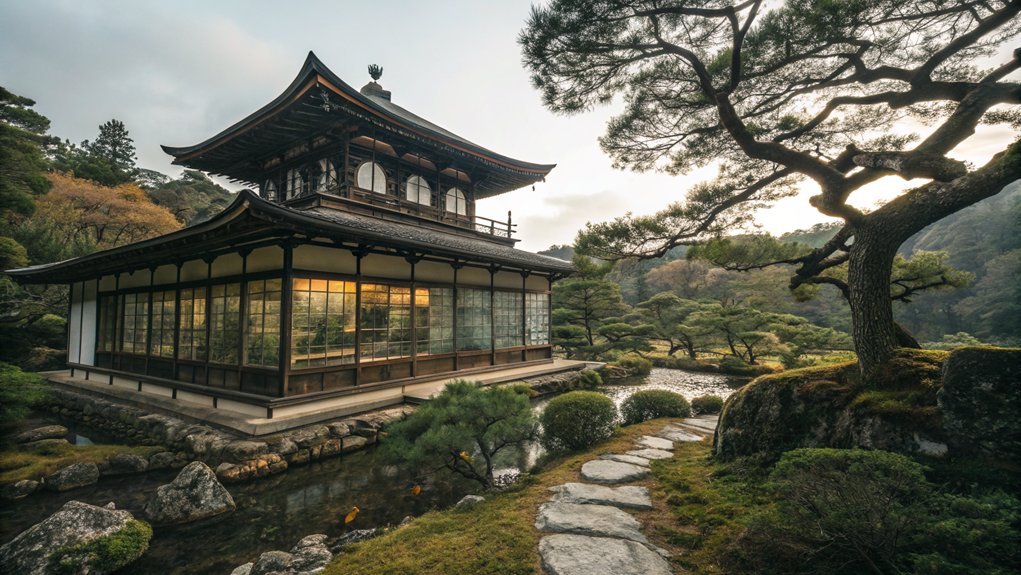
Beginning a solo journey through Japan can be a transformative experience. You’ll find moments of stillness in serene Zen gardens and gain insight during traditional tea ceremonies. Each destination invites you to connect with both the cultural richness and natural beauty surrounding you. But what awaits beyond the cherry blossoms and tranquil paths? Exploring the nuances of solo travel in Japan reveals deeper layers of personal growth and discovery that you won’t want to miss.
Key Takeaways
- Experience serene tea ceremonies (*chanoyu*), fostering mindfulness and tranquility during your solo journey in Japan.
- Explore beautiful Zen gardens, like those at Ryoan-ji, for peaceful meditation and self-reflection.
- Participate in authentic calligraphy classes to engage with traditional arts and cultivate focus and creativity.
- Take leisurely hikes along the trails of Fushimi Inari Taisha, connecting with nature and enhancing your mindfulness practice.
- Enjoy the stunning autumn foliage, finding inspiration in Japan’s natural beauty for introspective moments.
Navigating Safety: Essential Tips for Solo Female Travelers
When it comes to solo female travel, safety is a top priority—and Japan stands out as one of the safest destinations in the world. With one of the lowest crime rates globally, you’ll feel secure exploring various locales.
Take advantage of women-only train cars during rush hours; they help create a comfortable commuting atmosphere. You’ll likely find minimal harassment, thanks to the cultural respect ingrained in Japanese society.
Plus, you can leave your belongings unattended in public areas like subways without worrying about theft, showcasing the trustworthiness of your surroundings.
Always keep emergency contact numbers handy—dial 110 for police assistance or 119 for fire and medical emergencies. Japan guarantees that you have a smooth, secure travel experience.
Discover Tranquility: Unique Cultural Experiences for Reflection
In Japan, tranquility awaits you through unique cultural experiences that foster reflection.
Picture yourself savoring a traditional tea ceremony, finding peace in each deliberate movement, or soaking in the healing waters of an onsen while letting your thoughts wander.
Zen gardens invite you to meditate in serene landscapes, providing the perfect backdrop for personal discovery and mindfulness.
Zen Gardens and Meditation
Discovering the serenity of Zen gardens can transport you into a world of tranquility and reflection, making them a must-visit on any solo trip to Japan. These gardens, or “karesansui,” feature carefully arranged rocks and gravel to symbolize natural landscapes. A visit to famed spots like Ryoan-ji in Kyoto offers insight into the aesthetic simplicity of Japanese culture. Many temples also provide meditation sessions where you can learn Zen practices amid serene surroundings.
| Feature | Representation | Experience |
|---|---|---|
| Raked Gravel | Rippling Water | Promotes Mindfulness |
| Strategic Stones | Mountains/Islands | Encourages Reflection |
| Minimal Vegetation | Nature’s Simplicity | Connects with Heritage |
Incorporating these elements into your itinerary allows for deeper personal reflection.
Traditional Tea Ceremonies
Participating in a traditional tea ceremony, or *chanoyu*, offers a unique opportunity to immerse yourself in Japanese culture while cultivating tranquility and mindfulness.
During the ceremony, you’ll witness the meticulous preparation of matcha, allowing you to appreciate each moment and the art of tea-making.
The setting, often a tatami-matted room or a serene tea house, provides a peaceful atmosphere enhanced by seasonal floral arrangements and simple decorations.
Engaging in this ritual gives you insight into Japanese aesthetics, highlighting the significance of simplicity and natural beauty.
While in Kyoto or Tokyo, seek out tea houses that offer these experiences, and you’ll find yourself deeply connected to Japan’s rich cultural heritage, enjoying a tranquil moment that encourages reflection.
Onsen Bathing Rituals
Soaking in an onsen, or hot spring, immerses you in a soothing ritual that epitomizes relaxation and self-care in Japanese culture. You’ll experience therapeutic benefits, surrounded by nature’s stunning beauty. Remember to wash thoroughly before entering, maintain silence, and leave towels behind to enhance your tranquility.
| Aspect | Description | Benefit |
|---|---|---|
| Tradition | Deeply rooted in Japanese culture | Promotes relaxation |
| Scenic Views | Located in rural or mountainous areas | Connects you with nature |
| Unique Experiences | Tour themed hot springs like Beppu’s “Jigoku Meguri” | Diverse geothermal adventure |
Engaging in onsen rituals provides a perfect opportunity for mindfulness and self-reflection, helping you retreat from daily life.
Top Meditation Spots for Solo Travelers in Japan
If you’re seeking peace and reflection during your solo trip to Japan, you’re in luck.
The country is home to tranquil temples and serene natural landscapes that are perfect for meditation.
Explore quiet corners where you can reconnect with yourself amidst these beautiful settings.
Tranquil Temples and Shrines
As you explore Japan’s serene landscapes, you’ll discover that its tranquil temples and shrines offer some of the best meditation spots for solo travelers seeking peace and reflection.
At Kinkaku-ji in Kyoto, the stunning gardens and reflective pond invite deep contemplation.
Ryoan-ji Temple’s famous rock garden encourages you to find personal meaning in its simplicity, promoting mindfulness.
Fushimi Inari Taisha, with its thousands of vermilion torii gates, boasts peaceful hiking trails where you can connect with nature.
The Zen gardens at Daisen-in are crafted for meditation, presenting carefully arranged elements to enhance tranquility.
In Nara, the awe-inspiring Todai-ji Temple houses the Great Buddha and offers lush surroundings, making it an exceptional spot for introspection and serenity.
Serene Natural Landscapes
While exploring Japan’s serene natural landscapes, you’ll find an abundance of tranquil spots perfect for meditation and reflection.
The Zen gardens at Ryoan-ji in Kyoto invite you to contemplate the meticulously arranged stones and gravel.
Begin a spiritual journey at Mount Koya, where temple stays deepen your connection with nature.
On the ancient Nakasendo Trail, immerse yourself in lush scenery, walking the paths once tread by samurai and merchants.
Hase-dera Temple in Kamakura offers stunning ocean views that enhance your contemplative experience.
Finally, stroll through the Arashiyama Bamboo Grove, where the rustling bamboo creates a soothing atmosphere, elevating your mindfulness practice.
Each of these locations promises a unique retreat for the soul.
Hands-On Traditional Arts and Crafts Experiences
Japan offers numerous hands-on traditional arts and crafts experiences that immerse you in its rich cultural heritage.
You’ll find yourself in an authentic origami workshop, mastering the intricate art of paper folding that blends precision with creativity.
Try your hand at kintsugi sessions, where you’ll repair broken pottery with gold-laced lacquer, celebrating the beauty of imperfection.
Investigate calligraphy classes, learning brush techniques and traditional kanji writing, and appreciate this elegant form of expression.
Sign up for a traditional pottery class in Shigaraki, shaping your own clay creations with techniques passed down for generations.
Finally, explore kimono-making workshops to understand fabric selection and dyeing, gaining insight into the cultural significance behind this iconic Japanese garment.
Savor Japanese Cuisine: Essential Dishes to Try
When you think about Japanese cuisine, it’s easy to assume it’s all sushi and sashimi, but there’s so much more waiting to be discovered.
Immerse yourself in a steaming bowl of ramen, where rich broth and chewy noodles create a comforting experience. Try okonomiyaki, a savory pancake packed with your choice of ingredients, or takoyaki, crispy balls filled with tender octopus.
Don’t miss regional specialties like horse sashimi in Kumamoto or melt-in-your-mouth Kobe beef. For quick bites, convenience stores like 7-Eleven offer delicious onigiri and bento boxes.
Street food stalls serve up authentic delicacies, letting you savor local flavors while mingling with locals. Participating in a cooking class can deepen your appreciation for these culinary treasures.
When to Visit Japan for Solo Travel: Seasonal Highlights
Curious about the best time to explore Japan solo? Each season offers unique experiences that cater to different interests. Spring (March-May) dazzles with cherry blossoms, while autumn (September-November) enchants with vibrant fall colors.
Here’s a quick seasonal guide to help you decide:
| Season | Highlights |
|---|---|
| Spring | Cherry blossoms bloom, mild weather |
| Summer | Hike Mount Fuji, warm but humid |
| Autumn | Stunning fall foliage, perfect for outdoor fun |
| Winter | Fewer tourists, snowy landscapes, serene vibes |
Visiting in off-peak times during late autumn and winter can also reward you with quieter attractions and lower rates. Each season has its charm—what will you choose?
Embrace the Journey: What Makes Solo Travel in Japan Unique?
Exploring Japan solo offers a unique blend of culture and personal discovery that sets it apart from other destinations.
You’ll immerse yourself in rich traditions through tea ceremonies and enchanting Kabuki performances, which deepen your appreciation for local heritage. The “Ohitorisama” culture celebrates solitude, allowing you to wander through serene temples or lively urban centers at your own pace.
Safety measures, like female-only train cars, make it an inviting place for women travelers. Japan’s stunning landscapes, from Mount Fuji to tranquil onsens, provide perfect spots for reflection.
Plus, the warmth and hospitality of locals make connecting with others effortless, enhancing your journey. Each moment spent solo here enriches your travel experience enormously.
Frequently Asked Questions
What Are the Best Cities for Solo Travelers in Japan?
In Japan, the best cities for solo travelers include Tokyo for its vibrant energy, Kyoto for stunning temples, Osaka for delicious street food, and Hiroshima for its poignant history. You’ll find plenty to explore and enjoy!
How Can I Make Friends While Traveling Alone in Japan?
Join local meetups or classes, explore hostels for shared experiences, and engage in conversations at cafes or parks. Use language exchange apps, and don’t hesitate to approach fellow travelers for spontaneous adventures.
What Language Barriers Should I Expect as a Solo Traveler?
You’ll likely encounter a few language barriers as a solo traveler. Many locals speak limited English, so it’s helpful to learn basic Japanese phrases. Non-verbal communication and translation apps can also bridge the gaps effectively.
Are There Solo Travel Groups or Tours Available in Japan?
Yes, you’ll find plenty of solo travel groups and tours in Japan. Many organizations cater to solo travelers, offering group experiences that foster connections while exploring the diverse culture and breathtaking landscapes.
How Do I Manage My Budget While Traveling Solo in Japan?
To manage your budget while traveling solo in Japan, set a daily spending limit, use public transport, eat at local markets, take advantage of free attractions, and book accommodations in advance to avoid overspending.
Leave a Reply