
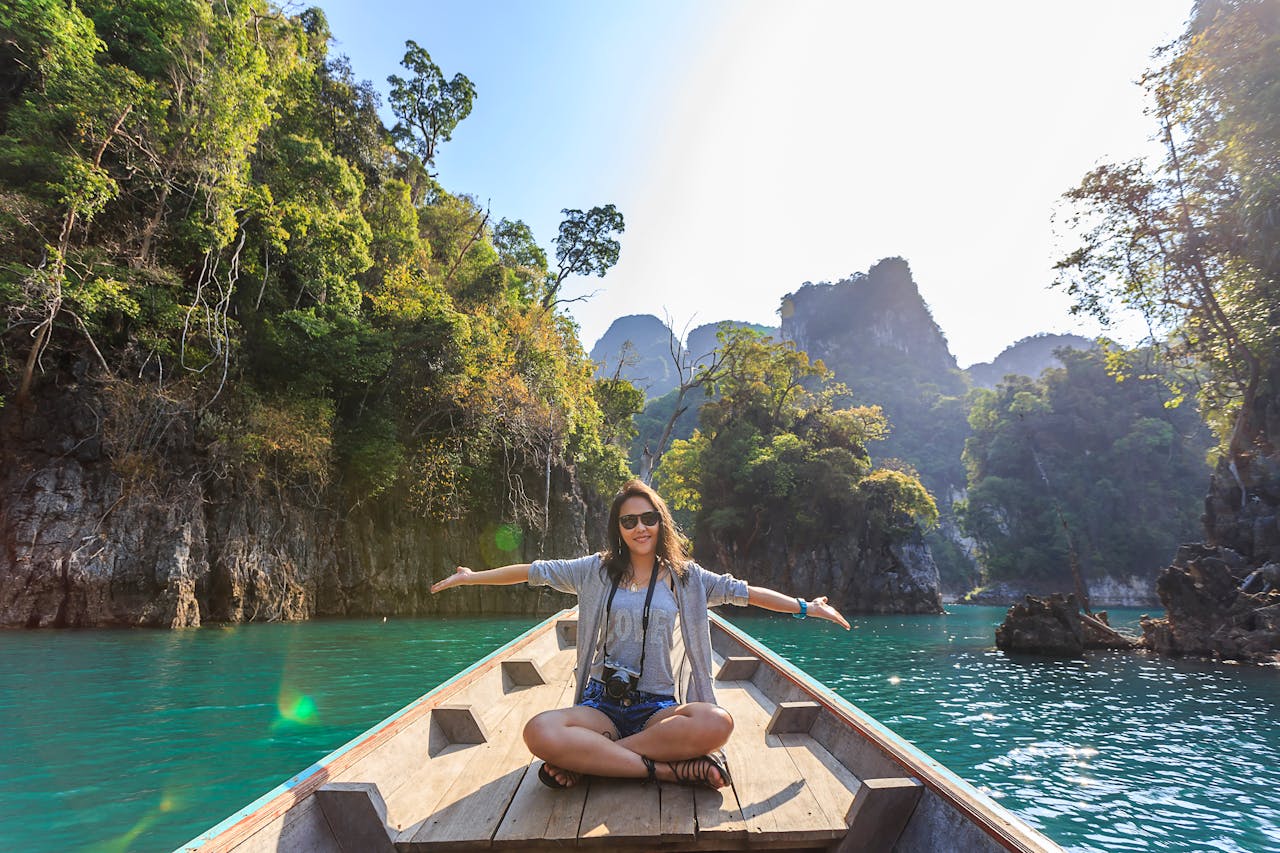
Planning a solo trip as a woman can be both thrilling and intimidating. It’s important to prioritize your confidence and safety throughout this journey. From choosing the right destinations to packing smartly, every decision matters. You want to explore new cultures while feeling secure. With the right strategies in place, you can turn potential fears into empowering experiences. So, what are the essential steps to guarantee your adventure is both safe and enjoyable?
Key Takeaways
- Choose safe, female-friendly destinations with solid public transport and positive traveler reviews to enhance comfort and security.
- Plan ahead by booking your first night, sharing your itinerary, and compiling emergency contacts before departure.
- Pack smart with an anti-theft bag, a portable charger, and personal safety items like a whistle or alarm.
- Stay aware of your surroundings, dress appropriately for local customs, and engage in social settings for connection and confidence.
- Utilize hotel concierge services for local advice, safety tips, and flexibility in your travel itinerary to adapt to new experiences.
Choose Safe & Comfortable Destinations for Your Solo Journey
When choosing a destination for your solo journey, it’s essential to prioritize safety and comfort. Start by researching safety rankings and reading traveler reviews to find locations that cater to women’s needs.
Favor destinations with robust public transportation and walkable areas, making it easier for you to explore. Opt for familiar environments or places known for being solo female traveler-friendly to reduce anxiety and enhance your confidence.
Engage with women-focused travel forums to gain valuable insights and shared experiences about safe spots. Finally, trust your instincts when picking a destination. Your gut feeling often provides helpful guidance, ensuring you choose a place where you can feel secure and comfortable during your adventure. Colombia offers diverse experiences across its six main regions, from the Caribbean to the Andes, which can help you match your trip to your comfort level.
Smart Planning: Itinerary and Safety Measures
Smart planning sets the foundation for a successful solo adventure. Start by booking your first night’s accommodations in advance to ease your arrival stress.
Share your travel itinerary with a trusted friend or family member, as this adds safety and peace of mind. To navigate confidently, download offline maps and essential travel apps; they’ll be invaluable in unfamiliar locales.
Opt for well-reviewed hotels or boutique stays in central areas close to public transport, ensuring you can move around safely. Additionally, formulate a transportation plan before you arrive. Knowing your routes and options will minimize the risk of getting lost and help you feel more at ease as you explore your destination.
For a lively and convenient home base, consider checking Nashville.com’s visitor guide(Nashville.com) for hotels, attractions, and local essentials.
Your confidence will soar when you’re prepared!
Essential Packing for Safety and Comfort
After you’ve mapped out your itinerary and safety measures, it’s time to focus on what you’ll pack for your solo adventure.
Start with a crossbody or anti-theft bag to keep your valuables secure and within reach. Don’t forget a portable phone charger; it’ll guarantee your devices stay powered for navigation and emergencies.
A versatile scarf or shawl can be a lifesaver, serving as a modesty cover in certain cultures or an extra layer of warmth. Pack a small first aid kit with essentials like pain relievers and band-aids for minor injuries.
Finally, include a whistle or personal alarm to help you attract attention in case of emergencies. Your comfort and safety are worth the effort! For added peace of mind, consider reviewing travel insurance options before you leave.
How to Stay Aware and Alert During Your Travels
Staying aware and alert is essential for your safety while traveling solo.
Trust your instincts and be vigilant about your surroundings—if something feels off, don’t hesitate to remove yourself from the situation.
Trust Your Instincts
While exploring new destinations, trusting your instincts can be your best defense against potential dangers. Stay alert by regularly scanning your surroundings; being aware of people and situations prepares you to react quickly to discomfort.
Avoid distractions like headphones or excessive phone use, so you can fully engage with your environment and spot anything unusual. If something feels off, trust your gut—prioritize your safety, leave the area, or seek help right away.
Mind your body language; projecting confidence through assertive posture and purposeful walking can deter unwanted attention.
Finally, don’t share that you’re traveling alone; deflect inquiries about your solo status with vague answers, letting them think you’re meeting friends later. Your instincts are your ally; listen to them.
Stay Vigilant Always
Being aware and alert during your travels isn’t just about staying safe; it’s about fully enjoying your experience.
To help you stay vigilant, consider these tips:
- Regularly check your surroundings and avoid distractions like headphones.
- Maintain eye contact with others to project confidence.
- Trust your instincts; leave or change routes if something feels off.
- Keep personal belongings secure and within sight; use anti-theft bags if needed.
- Familiarize yourself with travel routes and identify safe spots or escape routes.
Navigating Cultural Norms: Dress and Behavior
When you travel solo, understanding local dress codes can make a big difference in how you’re perceived.
Adapting your attire and behavior to fit cultural norms not only shows respect but also enhances your safety. By blending in, you can create more meaningful connections with the locals and enrich your experience.
In the Philippines, dressing modestly in rural areas and using reef-safe sunscreen can also help you travel respectfully while protecting fragile marine environments.
Understanding Local Dress Codes
How can you guarantee that your clothing choices resonate with the local culture during your travels? Understanding local dress codes is essential for respecting cultural norms and enhancing your travel experience.
Consider these tips:
- Research the culture’s attire expectations before you pack.
- Choose clothing that covers shoulders and knees in conservative areas.
- Embrace local styles or traditional garments to bridge cultural gaps.
- Avoid flashy jewelry that may draw unwanted attention or signal wealth.
- Aim for a look that blends in; this not only enhances safety but also encourages positive interactions with locals.
Adapting to Cultural Behaviors
Choosing the right attire is just the start; understanding cultural behaviors is equally important for a smooth travel experience. Research local dress codes and behavior before you go, as this fosters respect and enhances safety. Dressing appropriately helps you avoid unwanted attention. Engage with local women to gain insights into acceptable behaviors and social practices, and pay attention to body language, greetings, and personal space.
| Behavior | Considerations | Observations |
|---|---|---|
| Dress Code | Modesty standards | Notice local attire |
| Greetings | Common customs | Follow local norms |
| Personal Space | Varied expectations | Observe interactions |
| Eye Contact | Cultural significance | Gauge local reactions |
Navigating these aspects will help you blend in seamlessly.
Respecting Social Norms Abroad
Respecting social norms abroad plays an essential role in ensuring a positive travel experience. To navigate cultural norms regarding dress and behavior, keep these points in mind:
- Research local customs: Understand the expected dress code to blend in and avoid attention.
- Dress modestly: In some places, covering shoulders and knees is essential for women.
- Learn gender interactions: Familiarize yourself with how men and women are expected to interact to avoid misunderstandings.
- Practice cultural sensitivity: Removing shoes when entering homes or places of worship shows respect.
- Adapt to social norms: Embracing local customs enriches your experience and helps build rapport with the community.
Handling Questions About Solo Travel?
Steering questions about solo travel can be tricky, especially when you’re confronted by curious or suspicious individuals.
When someone asks, “Are you by yourself?” consider your surroundings and the person’s intention. It’s wise not to confirm solo travel to strangers, especially taxi drivers. Instead, share a story about meeting others later.
Practice these responses in advance to build confidence and be ready for unexpected inquiries. If something feels off, trust your instincts and change the subject. Always prioritize your safety over being polite.
Using safety apps can also help you navigate unfamiliar places and stay connected when traveling alone.
Mastering the Art of Dining Alone With Confidence
Dining alone can be a rewarding experience when you know how to embrace it.
Start by choosing inviting places like communal tables, and don’t hesitate to bring along a book or journal to keep you engaged.
With a little confidence and the right techniques for connection, you’ll find solo dining can be surprisingly enjoyable.
If you’re looking for inspiration, guides to local dining in destinations like Aruba, New York City, Los Angeles, and Miami can help you discover welcoming spots to try on your own.
Embrace The Experience
Although dining alone might seem intimidating at first, it can quickly transform into one of the most rewarding aspects of your solo travel experience.
Here are some tips to help you embrace the experience:
- Practice at communal tables or bars to build your confidence.
- Bring a book or journal as a comforting companion.
- Make reservations in advance; many restaurants welcome solo diners.
- Start conversations with fellow diners to foster connections and share experiences.
- Choose lively restaurants with unique offerings to enhance your dining adventure.
Ideal Dining Settings
When seeking the ideal dining settings for solo adventures, look for places that foster engagement and comfort. Bars or communal tables are perfect; they encourage interaction, making it easier to feel at ease while dining alone.
Bring along a book or journal to enrich your experience, allowing for personal reflection and giving the impression of being occupied. Making reservations at restaurants known for embracing solo diners streamlines your visit, enhancing your overall satisfaction.
Consider joining social dining activities like cooking classes or food tours—these experiences inherently offer chances to connect with fellow travelers and locals.
Maintain a confident demeanor, practicing assertiveness, and you’ll greatly boost your comfort and enjoyment while savoring your meal.
Techniques For Connection
Mastering the art of dining alone opens up a world of possibilities for connection. Embrace the experience, and you’ll find that solo meals can be enriching.
Here are some techniques to engage with others:
- Sit at communal tables or bars for natural conversation opportunities.
- Bring a book or journal to spark discussions with fellow diners.
- Make reservations at popular spots to ease anxiety in unfamiliar settings.
- Participate in small group tours or cooking classes to connect with other travelers.
- Focus on enjoying your meal rather than feeling isolated.
Shift your perspective, and you’ll discover the freedom of solitude can lead to meaningful interactions and enriching experiences.
Dining alone can truly become a joyful adventure!
Creating a Transportation Plan for Safety and Convenience
How can you guarantee your transportation plan enhances both safety and convenience during your solo travels?
Start by researching public transportation routes and schedules before arriving at your destination. Download local transit apps to make navigation effortless.
For a stress-free airport arrival, pre-book transfers or use reputable ride-sharing services. Keep local currency on hand and familiarize yourself with accepted payment methods to avoid issues on the go.
Additionally, maintain digital or printed copies of essential transportation details, including transit maps and service contact numbers, for quick reference.
Finally, pick accommodations close to major attractions and public transport options, ensuring easy access and minimizing unnecessary travel.
This way, you can enjoy your trip while staying safe and comfortable.
Strategies for Meeting New People on Your Solo Trip
Connecting with new people while traveling solo can enrich your experience, providing unique insights and lasting memories. Here are some effective strategies to help you meet others on your journey:
- Join small group tours, cooking classes, or walking tours to engage in shared interests.
- Stay in hostels or accommodations with communal areas for spontaneous social interactions.
- Use social media platforms and apps like Meetup or Bumble BFF to find local events or travel buddies.
- Attend local events or cultural festivals to foster conversations with locals and fellow travelers.
- Trust your instincts; a friendly demeanor and open body language can make you approachable.
Embrace these opportunities to create new connections and enhance your solo adventure!
Sharing Your Location and Travel Plans Safely
Ensuring your safety while traveling solo means being proactive about sharing your location and travel plans. Before you set off, share your itinerary with a trusted friend or family member; they’ll be informed in case of emergencies.
Consider using location-sharing apps like Google Maps or Find My Friends for real-time updates to select contacts. Make it a habit to check in regularly with someone back home, updating them on your whereabouts and any changes.
When posting on social media, wait until you’ve left a location to share updates, minimizing risks.
Finally, store important contact numbers, like local emergency services and your embassy, on your phone and in physical format for easy access during emergencies.
Finding Local Help: Essential Emergency Contacts
When you’re traveling solo, knowing local emergency numbers is essential for your safety.
Set up a list of trusted contacts and make sure to inform your hotel concierge about any assistance you might need.
This proactive approach can make all the difference in an emergency situation.
Local Emergency Numbers
A solid plan for any solo travel adventure includes knowing local emergency numbers. Before you head out, take some time to research and compile a list of these essential contacts.
Here’s what to focus on:
- Local police to report crimes or emergencies
- Fire department for fire-related emergencies
- Medical services for healthcare assistance
- Your country’s embassy or consulate for legal or medical support
- Nearest hospital and pharmacy for quick access to treatments
Make sure you store this information on your phone and keep printed copies in your travel documents for easy accessibility.
Consider using travel apps that provide localized emergency contact numbers, ensuring you’re well-prepared for any situation during your journey.
Trusted Contacts Setup
How can you guarantee that you’re covered in emergencies while traveling solo? First, compile a list of local emergency contacts, including police, fire, and medical services. This information varies by country, so save it in your phone before you depart. Also, jot down your country’s embassy or consulate details for quick assistance.
Here’s a quick reference table to help you get started:
| Emergency Service | Contact Number |
|---|---|
| Local Police | [Insert Here] |
| Fire Department | [Insert Here] |
| Medical Services | [Insert Here] |
| Embassy/Consulate | [Insert Here] |
| Women’s Shelter/Support | [Insert Here] |
Explore digital resources or apps to access these numbers offline, and build rapport with local drivers for insider safety tips.
Hotel Concierge Assistance
Hotel concierges serve as a vital resource for solo travelers, especially when it comes to finding essential local help.
They offer more than just a warm welcome; they can be your lifeline in unfamiliar territory. Here’s how they can assist you:
- Provide local emergency contacts (hospitals, police stations, and embassies).
- Offer trustworthy transportation recommendations.
- Share useful tips on local customs and areas to avoid.
- Help you establish rapport and personalized assistance.
- Recommend security services or local guides for peace of mind.
Don’t underestimate the value of their insights; a quick chat can enhance your travel experience and improve your safety.
Maintaining Digital Safety While Traveling Solo
While you commence your solo travel adventure, prioritizing your digital safety is essential to protect your personal information and guarantee a worry-free experience.
Start by using a virtual private network (VPN) to encrypt your internet connection, especially when hopping onto public Wi-Fi networks. Regularly update all your apps and operating systems so you have the latest security patches.
Create strong, unique passwords for your online accounts, and enable two-factor authentication for added security. Avoid accessing sensitive information, like banking details, on public computers or unsecured networks to reduce the risk of data breaches.
Finally, keep your devices encrypted and enable remote tracking capabilities, allowing you to locate or wipe your device in case it gets lost or stolen.
Flexibility in Your Travel Itinerary
After securing your digital safety, it’s time to contemplate the structure of your travel plans. Embracing flexibility can open up spontaneous adventures and deepen your engagement with local culture.
Here’s why it’s essential:
- Discover hidden gems recommended by locals or fellow travelers.
- Adapt your plans according to weather or personal comfort.
- Balance planned activities with downtime to reduce stress.
- Shift destinations or accommodations based on comfort and safety instincts.
- Make room for unexpected events or activities that may pop up.
Empowering Affirmations for Solo Travel Confidence
How can you boost your confidence before starting on a solo adventure?
Start by embracing empowering affirmations. Repeat phrases like “I am confident and capable of traversing new places.” This will help you face the challenges of travel without fear.
Say to yourself, “I trust my instincts and prioritize my safety,” reinforcing your awareness. Incorporate statements like “I attract positive experiences and connections” to foster openness and social interaction.
Remind yourself, “I am prepared and equipped to handle any situation,” instilling readiness for the unexpected.
Finally, celebrate your individuality with, “I celebrate my independence and embrace this journey of self-discovery.”
Practicing these affirmations daily can greatly enhance your self-esteem and make your solo travel experience more fulfilling.
Reflecting on Your Solo Travel Experience
Reflecting on your solo travel experience offers invaluable insights that can shape your future adventures. Take a moment to process the emotions, challenges, and triumphs you faced.
Here’s how you can enhance your personal growth:
- Keep a travel journal to articulate your feelings and lessons learned.
- Assess your challenges and victories to boost your confidence for future trips.
- Engage with online travel communities for support and to share stories.
- Reflect on personal preferences and boundaries to inform your goals for future travels.
- Celebrate your solo achievements, no matter how small, to build assurance in your journey.
This reflection isn’t just an end—it’s a significant step in preparing for your next adventure!
Frequently Asked Questions
What Is the Riskiest Country for Solo Travel?
Afghanistan ranks as the riskiest country for solo travel due to ongoing conflict, violence, and crime. If you’re considering traveling alone, it’s essential to research thoroughly and prioritize your safety in any destination.
Is 70 Too Old to Travel Alone?
At 70, you’re still full of adventure. Many women your age thrive while traveling alone, gaining confidence and enjoying new experiences. With proper planning and awareness, you can make unforgettable memories.
Leave a Reply