
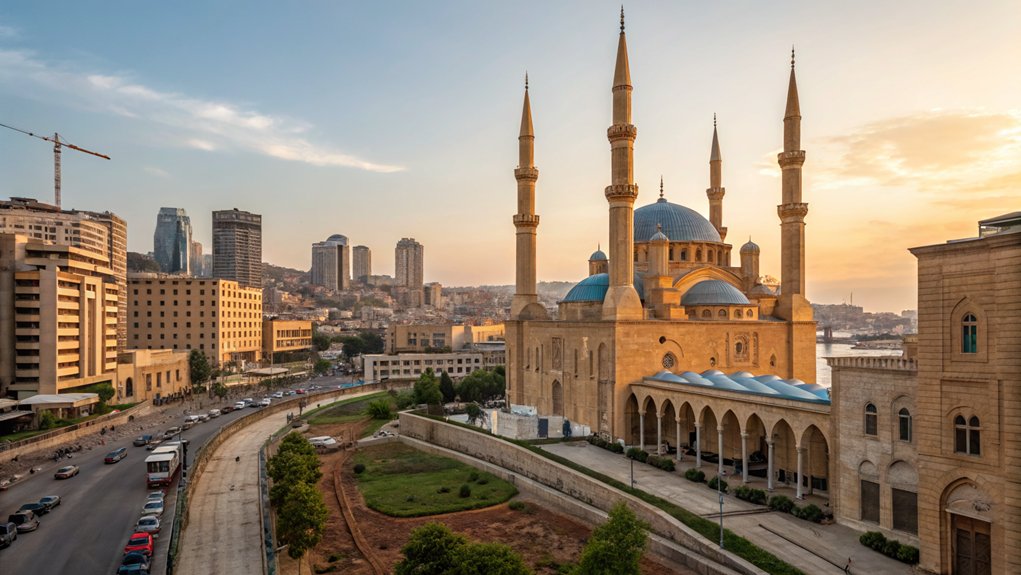
When you think of Beirut, you might picture a bustling city rich in culture and history. You’re not wrong. The vibrant streets, stunning architectural gems, and diverse neighborhoods all invite exploration. From the colorful murals of Gemmayzeh to the serene shores of the Corniche, there’s much to discover. Curious about the hidden treasures and iconic landmarks that define this enchanting city? Let’s explore some beautiful places that shouldn’t be missed on your journey.
Key Takeaways
- Explore the colorful murals and vibrant nightlife in the charming neighborhoods of Gemmayzeh and Mar Mikhael.
- Visit the historical Martyrs’ Square and Mohammad Al-Amin Mosque to appreciate Beirut’s religious diversity.
- Stroll along the Corniche for breathtaking views of the Mediterranean Sea and picturesque coastal scenery.
- Discover ancient history at the Roman Baths and Cado Maximus, which showcase remarkable architectural designs.
- Enjoy the stunning limestone formations and underground rivers at the Jeita Grotto, an exceptional natural wonder.
The Vibrant Streets of Beirut
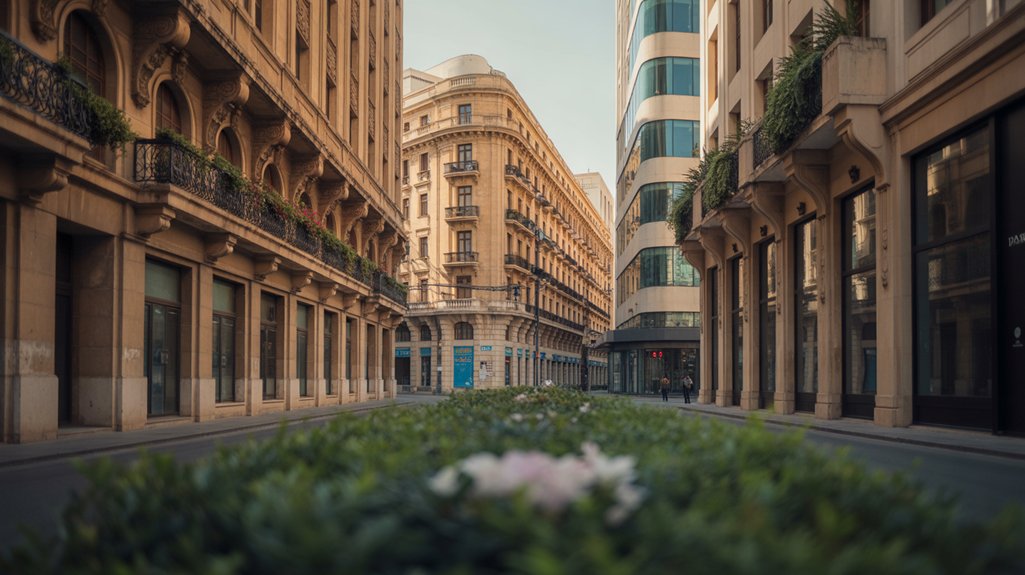
Beirut’s streets are lively canvases that burst with color and culture. As you wander through the vibrant streets, you’ll encounter colorful murals that reflect the city’s rich artistic scene and resilience.
Neighborhoods like Gemmayzeh and Mar Mikhael invite you to relax in charming cafes, enjoy the bustling nightlife, and soak up the creative atmosphere.
Don’t miss a stroll along the Corniche, where the Mediterranean Sea enhances your experience with stunning views.
In the Saifi neighborhood, pastel-colored houses create a picturesque backdrop perfect for photos.
At the historical heart of Beirut, landmarks like Martyrs’ Square and the majestic Mohammad Al-Amin Mosque remind you of the city’s complex story and its embrace of religious diversity.
Roman Ruins and Historic Sites in the City
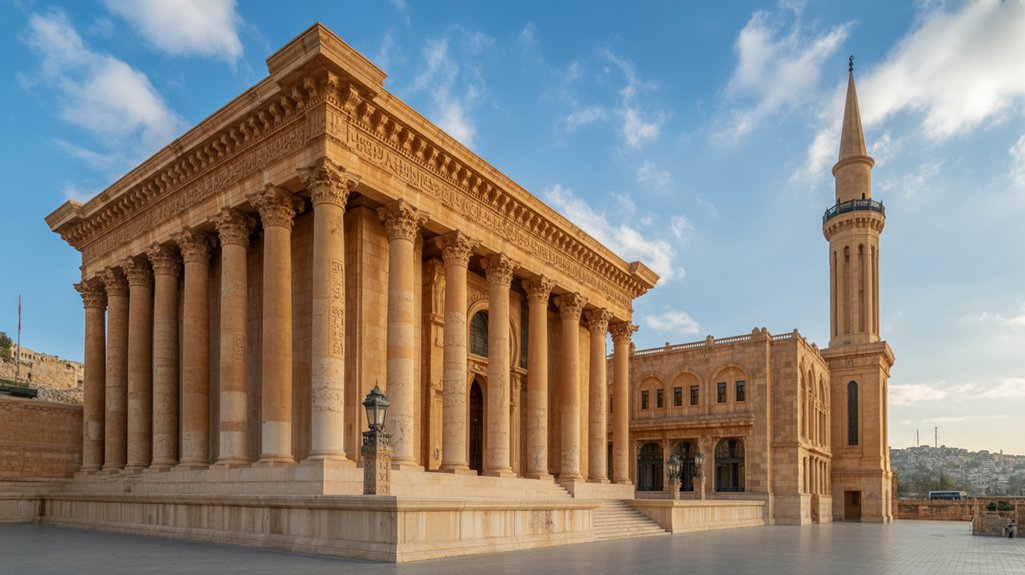
As you explore the vibrant streets of Beirut, a journey through time awaits with its remarkable Roman ruins and historic sites.
The Roman Baths, dating back to the 2nd century AD, showcase intricate architectural designs that reveal Lebanon’s rich history.
Don’t miss the Cado Maximus, a prominent ruin near the Mohammad Al-Amin Mosque, where you’ll stand in awe of its well-preserved structure dedicated to Jupiter.
Strolling through downtown, you’ll encounter remnants of ancient roads and plazas, emphasizing Beirut’s significance during the Roman Empire.
Visit the Roman Tombs in the city center to glimpse ancient burial practices.
Finally, the National Museum of Beirut houses extraordinary Roman artifacts, including mosaics and sculptures, that highlight the artistic achievements of this ancient city’s heritage.
Byblos: A Journey Through Phoenician Heritage
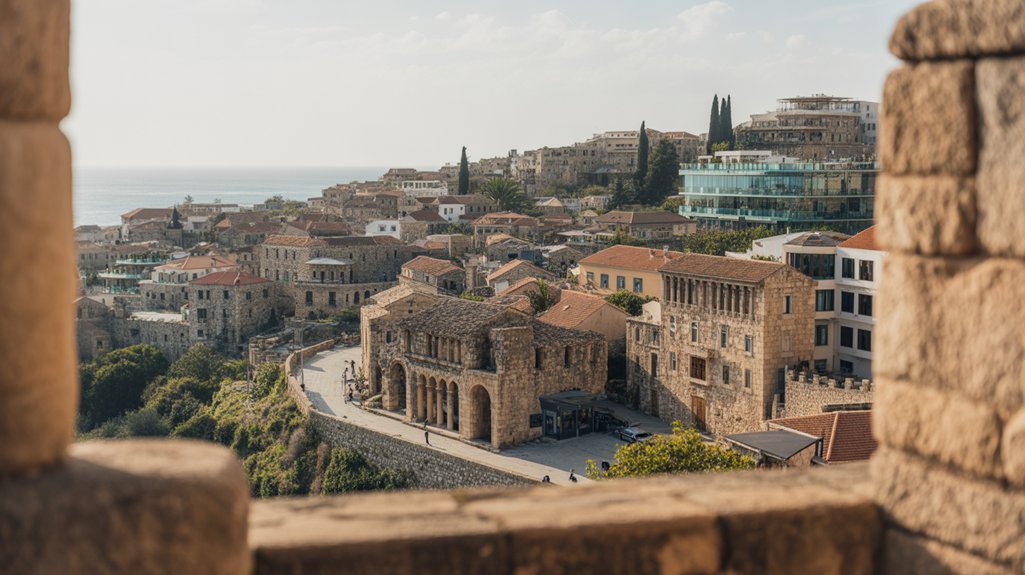
Nestled along the Mediterranean coast, Byblos, or Jbeil, invites you to explore one of the oldest cities in the world, with a history that spans over 6,000 years. Recognized as a UNESCO World Heritage Site, Byblos boasts stunning Phoenician ruins, including the majestic Byblos Castle, dating back to the 12th century.
You can wander through bustling souks, where local crafts and delicious cuisine meet the vibrant atmosphere. Don’t miss the archaeological sites, including the remarkable Byblos Fossil Museum, which showcases significant paleontological discoveries.
With its unique blend of historical experiences and beautiful beaches, Byblos offers a rich history and a delightful retreat at the beachfront bars, making it a must-visit when exploring Lebanon.
Tyre: Discovering Ancient Mediterranean Ruins
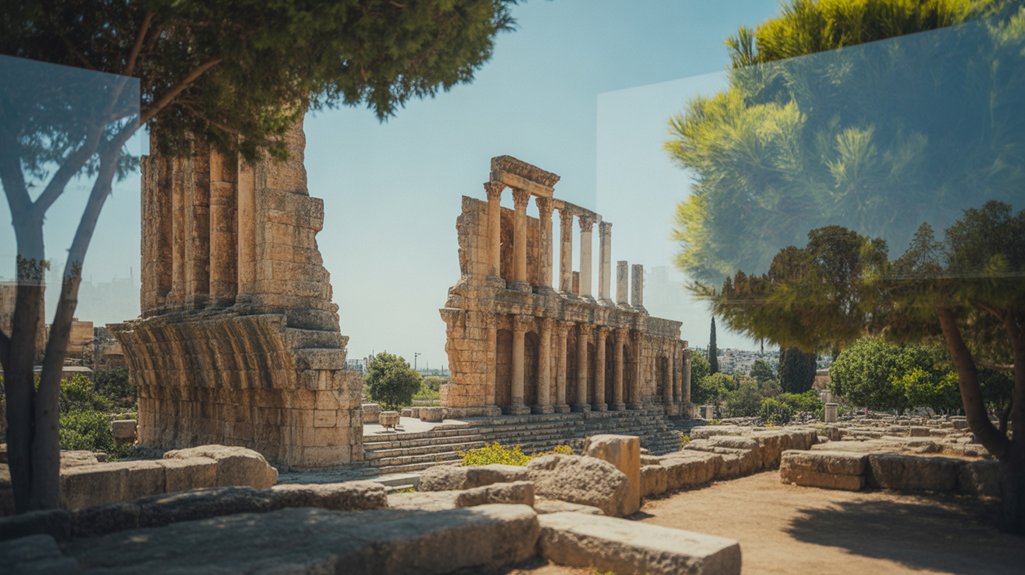
After exploring the rich history of Byblos, heading south to Tyre reveals another enthralling chapter in Lebanon’s ancient narrative. Known as Sour, Tyre is a UNESCO World Heritage Site, famous for its stunning ancient Roman ruins, like the Crusader Sea Castle and Roman necropolis.
Here, you’ll dive deep into Phoenician history, a city that birthed the creation of purple dye and the establishment of Carthage. Stroll along Tyre’s beautiful beaches while soaking in the warm and welcoming atmosphere created by friendly locals.
Enjoy picturesque seaside walks that combine relaxation with rich historical sites, making your journey unforgettable. Plan for a short trip from Beirut, whether by car or minibus, to uncover this Mediterranean gem.
Harissa: Views and Spiritual Moments
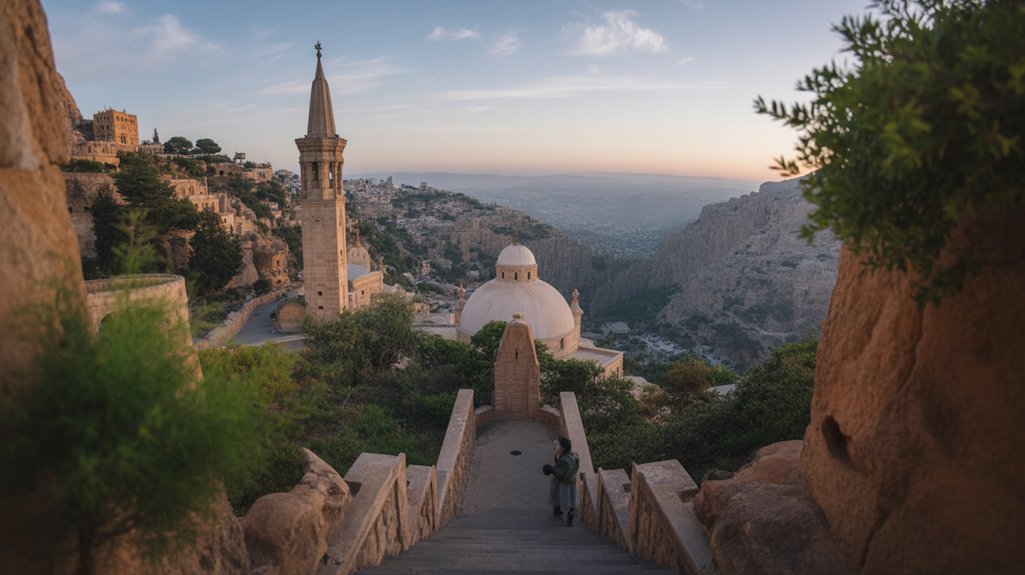
Just a short 40-minute drive from Beirut, Harissa offers breathtaking views that stretch for miles, drawing visitors for both its natural beauty and spiritual significance.
Here, you’ll find the majestic Our Lady of Lebanon statue, a key spiritual landmark that attracts pilgrims from both Christian and Muslim communities.
Take a thrilling cable car ride from Jounieh to Harissa, where you’ll be treated to panoramic views of the lush greenery, mountains, and the shimmering Mediterranean Sea.
This picturesque landscape invites nature enthusiasts to explore its hiking trails and engage in cultural events that foster community gathering.
Whether you seek spiritual reflection or simply stunning views, Harissa promises unforgettable moments that combine nature and culture harmoniously.
Natural Wonders of Jeita Grotto
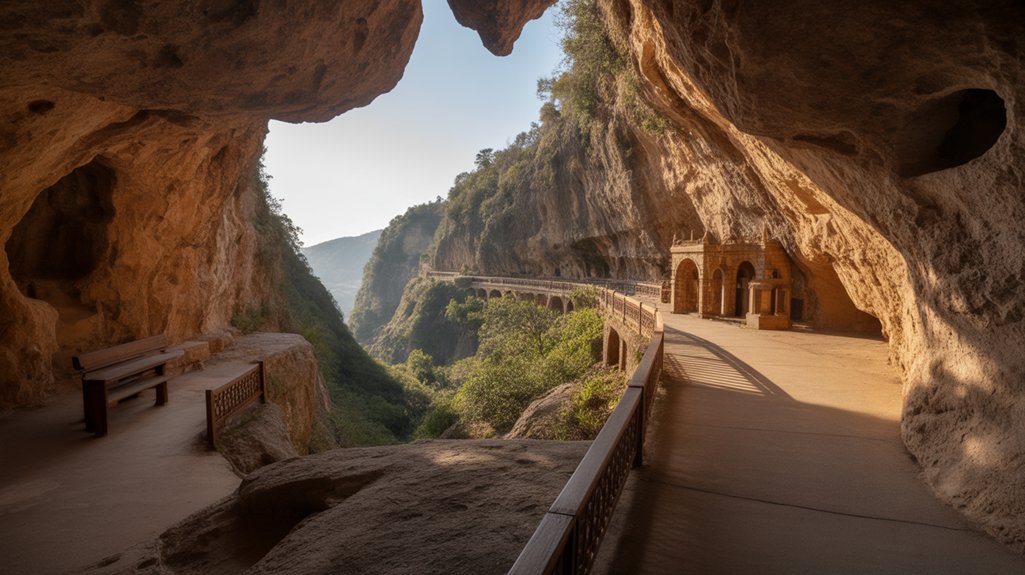
Just a short drive from Beirut, Jeita Grotto awaits you with its stunning limestone formations.
You’ll explore both the upper and lower caves, where millions of years of nature’s artistry come together in breathtaking ways.
This natural wonder is a must-see, offering an unforgettable experience that highlights the beauty of Lebanon’s landscape.
Stunning Limestone Formations
As you venture into the Jeita Grotto, you’ll be greeted by breathtaking limestone formations that have taken millions of years to sculpt. This natural wonder features interconnected caves filled with stunning stalactites and stalagmites.
In the lower cave, an underground river meanders through, offering a picturesque boat ride on its strikingly blue waters. As you stroll through the upper cave, the impressive formations in large chambers create an immersive experience you won’t soon forget.
- Marvel at the intricate details of stalactites and stalagmites
- Enjoy a serene boat ride through the underground river
- Explore the expansive upper cave on foot
- Appreciate the no-photo policy, fostering a mindful visit
Upper and Lower Caves
Visitors to the Jeita Grotto discover two remarkable cave systems, each showcasing unique geological wonders.
The lower caves invite you to glide along an underground river where vibrant blue waters reflect the stunning geological formations around you. Here, you’ll feel immersed in the grotto’s natural beauty, a reflection of its status as a finalist in the New7Wonders of Nature.
Meanwhile, the upper caves impress with their majestic stalactites and stalagmites, inviting exploration along a picturesque walking path.
As you wander, remember the no-photo policy in place, designed to preserve this pristine environment and guarantee you fully appreciate the enchanting sights before you.
Jeita Grotto truly offers an unforgettable experience in Lebanon’s breathtaking landscapes.
Outdoor Adventures in Qadisha Valley
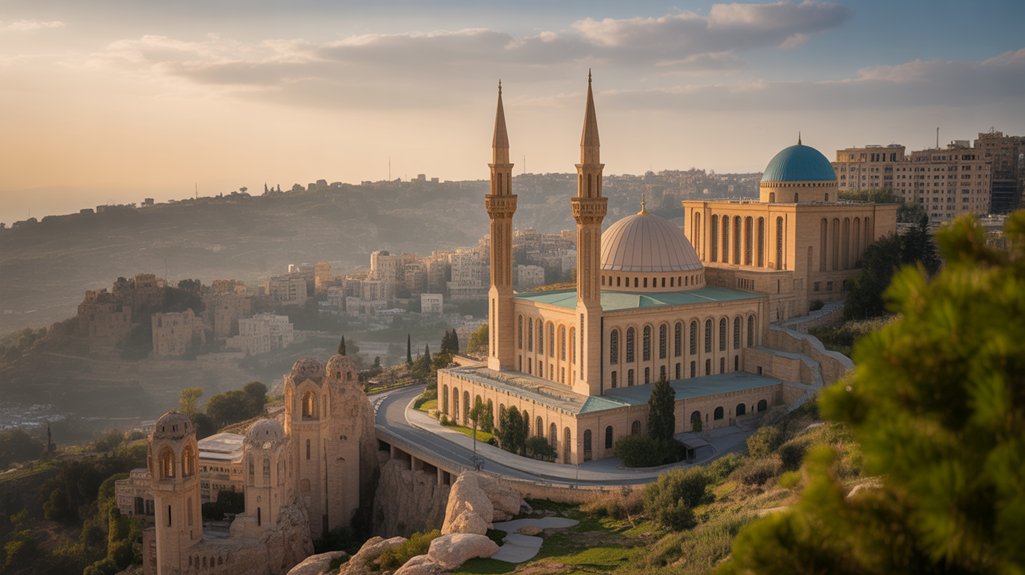
When you explore Qadisha Valley, you’ll discover breathtaking hiking trails that weave through its stunning landscapes.
You’ll also encounter ancient monasteries that offer a glimpse into the region’s rich history and spirituality.
It’s the perfect blend of outdoor adventure and cultural exploration waiting for you.
Scenic Hiking Trails
Qadisha Valley beckons outdoor enthusiasts with its stunning hiking trails that reveal both natural beauty and history.
As you explore the scenic hiking trails, you’ll experience breathtaking views and a sense of adventure. Notable hikes include:
- The trek to the Monastery of San Antonio Qozhaya, where history meets spirituality.
- The charming paths through the majestic Cedars of God, representing Lebanon’s rich cultural heritage.
- Trails showcasing steep cliffs and lush vegetation.
- Opportunities to encounter unique biodiversity throughout the valley.
Whether you’re seeking picturesque views or a connection to ancient monasteries, Qadisha Valley offers hiking trails for every skill level, making it a perfect escape into nature’s wonders.
Don’t miss this unforgettable adventure!
Historical Monasteries Exploration
Have you ever wondered what secrets lie within the ancient monasteries of Qadisha Valley? This UNESCO World Heritage site boasts over 20 historical monasteries, including the stunning Monastery of San Antonio Qozhaya, which dates back to the 9th century.
As you hike the trails that wind through this picturesque landscape, you’ll be treated to breathtaking views and a glimpse into Lebanon’s rich ecclesiastical history. These ancient Christian monasteries served as spiritual refuges for monks seeking solitude.
Marvel at their architectural relevance as you explore. Don’t forget to visit the nearby Cedars of God, where ancient trees stand tall, enriching your experience of Lebanon’s natural and historical heritage.
It’s an adventure you won’t want to miss!
Cultural Highlights in Sidon Near Beirut
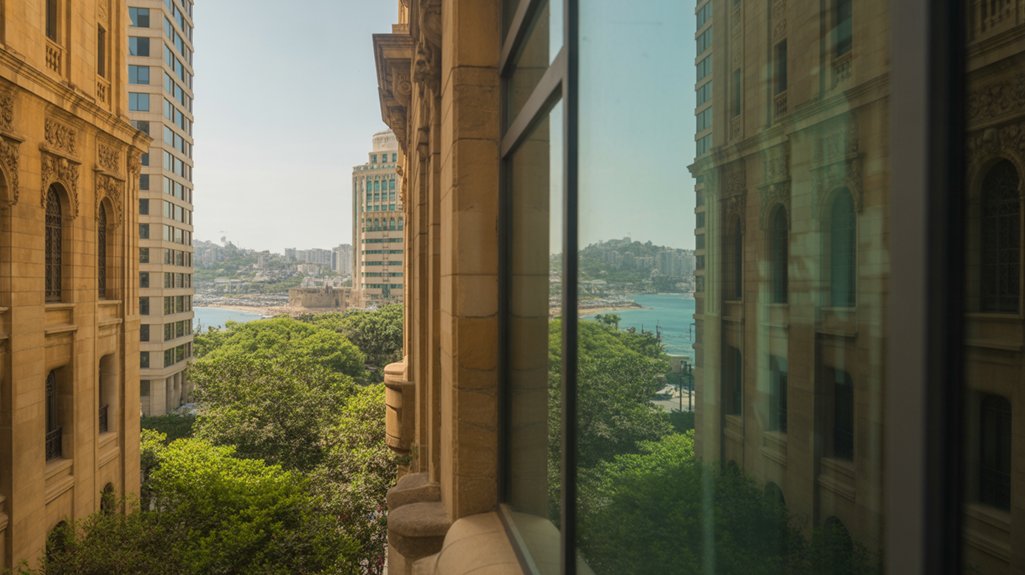
Nestled just a short drive from Beirut, Sidon offers a wealth of cultural highlights that reflect its rich history and vibrant traditions. You’ll discover beautiful places rich in cultural heritage, such as:
- Saida Sea Castle, a 13th-century fortress showcasing stunning views and rich maritime history
- Debbane Palace, an 18th-century gem that highlights impressive architectural designs
- The old Jewish Quarter, where remnants tell the story of Sidon’s diverse past and coexistence of cultures
- Handicraft workshops, where you can witness artisans creating exquisite glass pieces
Don’t miss indulging in Sidon’s authentic Lebanese cuisine, with traditional specialties like ka’ak stuffed with knafeh and falafel pita.
Sidon truly stands as a gastronomic destination waiting for you to explore!
Frequently Asked Questions
What Is the Most Beautiful Part of Lebanon?
You’ll find the most beautiful part of Lebanon in the Qadisha Valley. Its stunning landscapes, ancient monasteries, and incredible hiking trails invite you to explore nature’s wonders and experience the country’s rich cultural heritage firsthand.
What Is the Nicest Part of Beirut?
The nicest part of Beirut is the lively Corniche, perfect for relaxing strolls. You’ll love the stunning Mediterranean views and enjoy the vibrant atmosphere while exploring charming neighborhoods like Saifi and Gemmayzeh nearby.
Where Should I Go in Beirut?
You should explore Martyrs’ Square for historical significance, the stunning Mohammad Al-Amin Mosque, the engaging National Museum, vibrant Hamra Street, and the scenic Corniche promenade to experience the essence of Beirut’s culture and beauty.
What Is the Nicest City in Lebanon?
You’ll find that many consider Beirut the nicest city in Lebanon. Its vibrant culture, stunning architecture, delicious cuisine, and lively nightlife make it an unforgettable place to explore, offering something special for everyone.
Leave a Reply